WHO facilitates training on contact tracing for health professionals and volunteers on Plague

Swaziland oriented on the role of the health sector in attaining Sustainable Development Goals
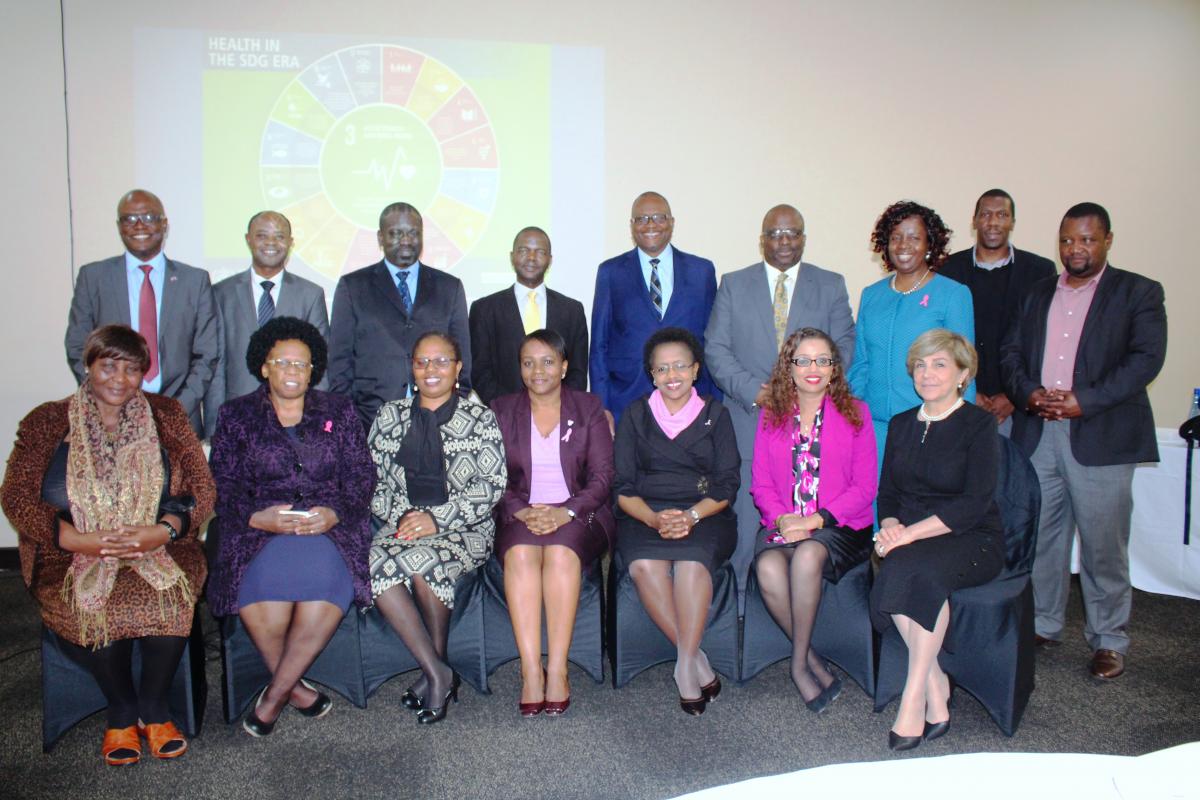
20 October 2017-Mbabane: The Ministry of Health, with support from the World Health Organisation (WHO) conducted a sensitisation workshop for technical officers as well as senior officials on the Sustainable Development Goals (SDGs).
WHO and the Ministry of Health strategize for the next five years to improve the immunization system in South Sudan

South Sudan conducts Joint External Evaluation of Core capacities for International Health Regulation (2005)

WHO supports containment of rare virus on Uganda-Kenya border

20 OCTOBER 2017 | GENEVA - WHO is working to contain an outbreak of Marburg virus disease (MVD) that has appeared in eastern Uganda on the border with Kenya.
At least one person is confirmed to have died of MVD and several hundred people may have been exposed to the virus at health facilities and at traditional burial ceremonies in Kween District, a mountainous area 300 kilometres northeast of Kampala.
WHO supports Bayelsa state to rapidly contain outbreak of Monkeypox virus.

Yenagoa, 20 October 2017-World Health Organization (WHO) is supporting the Bayelsa state to scale-up response and rapidly contain further spread as well as debunk rumours linking the Monkeypox outbreak to immunization activities.
Since the report of the index case in Yenagoa, Bayelsa state on 22 September 2017, 22 additional suspected cases have been reported. Results of samples taken to WHO Regional Laboratory in Dakar, Senegal, confirmed Monkeypox from three (3) of the suspected cases while 46 contacts are being followed-up at present.
Mental Health: Promote better workplace and well being
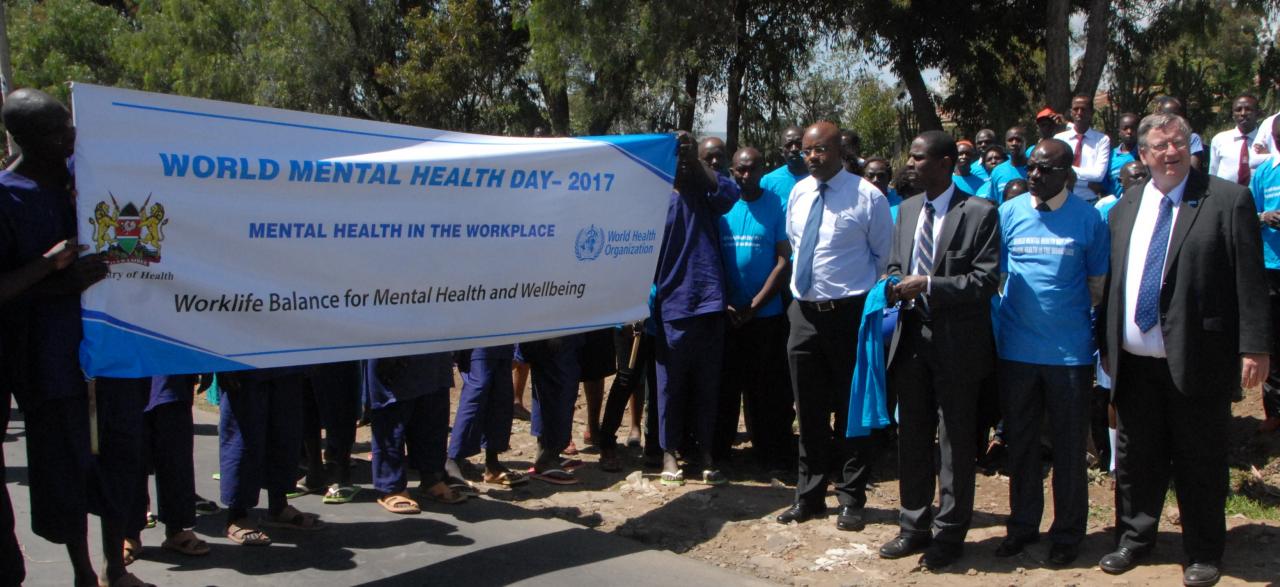
World Mental Health Day 2017 was commemorated in Kenya with a call for changes at workplace to reduce risk factors for stress and policies that ensure work environment promotes wellbeing and productivity. Speakers at the commemoration event urged workplace communities to talk about depression and other mental health problems like substance abuse in order to promote best practice, decrease negative attitudes and empower individuals.
Namibia Continues to invest in Polio Eradication

Today the national taskforce for poliovirus containment in the laboratory met as part of the country’s efforts to maintain its polio free status. The committee members discussed findings from a field mission reviewing all biomedical laboratories for possible wild poliovirus infectious material while encouraging the destruction of all unneeded materials. The Ministry aims to strengthen its surveillance system by developing an inventory of all laboratories that retain material which may have potential infectious material.
WHO and the Ministry of Health strategize for an integrated reproductive, maternal, newborn, child and adolescent health and nutrition approach in South Sudan
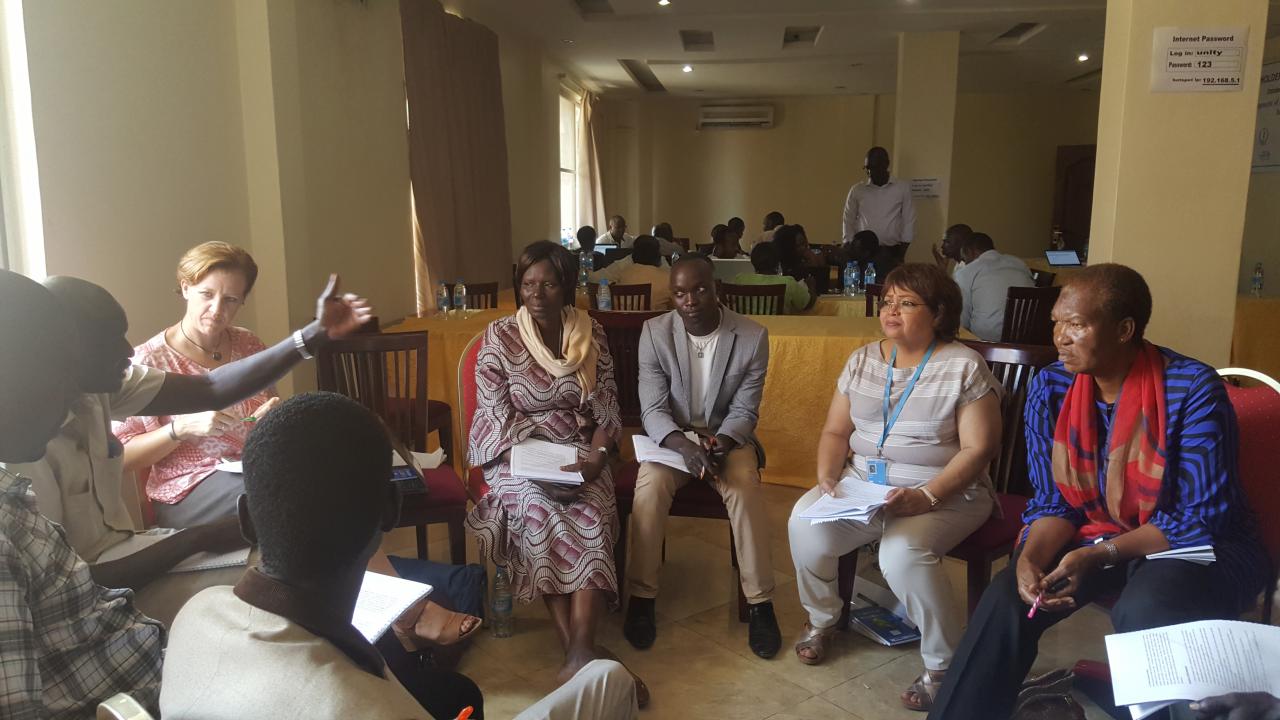
WHO partners with UNIDO to close gaps in primary health care services in the Islands of Leer and Mayendit Counties, in the former Unity State of South Sudan
