Suspected cases from Seychelles test negative for plague
Supporting the mental health needs of frontline responders
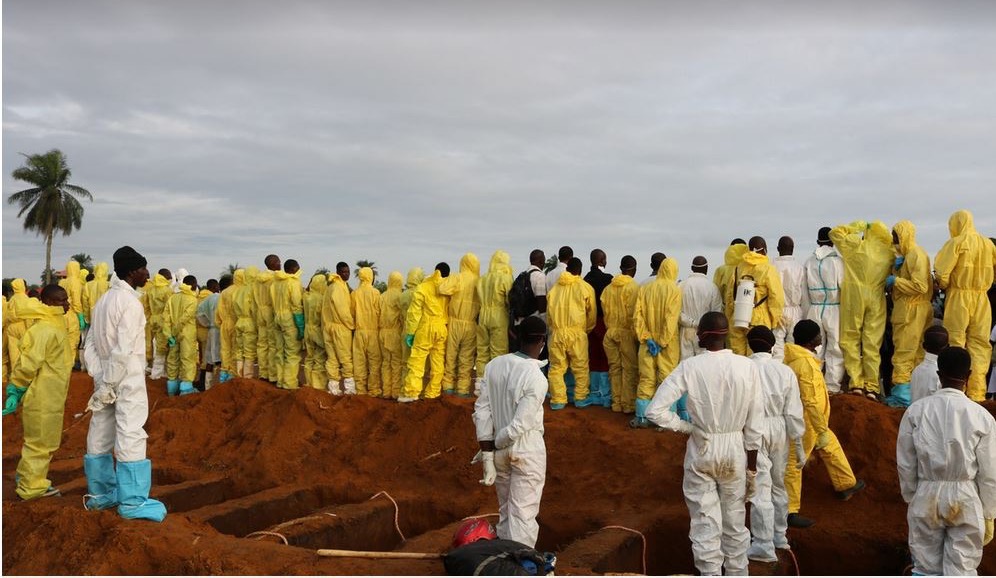
FREETOWN, October 18 2017 --- When the biggest natural disaster on record in Sierra Leone hit Freetown on 14 August, hundreds of staff and volunteers immediately joined in the response and relief efforts. The scale of the disaster challenged the authorities’ existing resources, particularly for search and rescue. “I played my part.
WHO partners with UNIDO to close gaps in primary health care services in the Islands of Leer and Mayendit Counties, in the former Unity State of South Sudan

Zimbabwe commemorates World Mental Health Day

HARARE: 10 Oct. 2017 Today Zimbabwe joined the rest of the world to commemorate World mental health day at Lafarge Cement plant in Harare. Lafarge is a cement producing company which has strong policies about their workers’ physical and mental well being while at work.
Mental Health in the Workplace
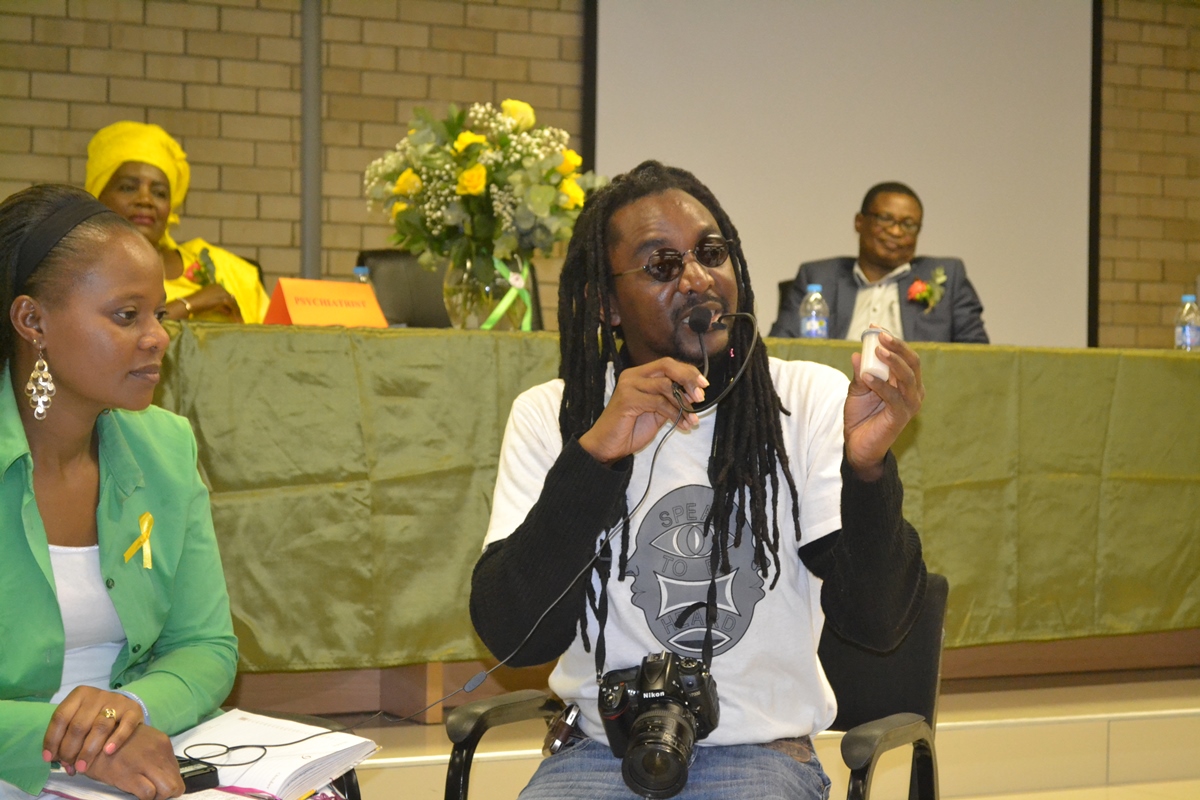
‘I was slow and sleepy most of the time and this affected my effectiveness at work. It led to me being demoted at work. Although I received the same salary, I was frustrated knowing that I could do much more than what was I assigned to me.” This was part of Mr. Amakali’s testimony has he shared his journey of living with bipolar at a public lecture as part of the World Mental Health Day. He was diagnosed with bipolar since 1998 after his graduation from High School. After spending a year in the Mental Health Unit, Mr. Amakali was fortunate to work at a local bank.
Seychelles – Suspected Plague (Ex- Madagascar)
On 10 October 2017, the Seychellois Ministry of Health notified WHO of a probable case of pneumonic plague. The probable case is a 34-year-old man who had visited Madagascar and returned to Seychelles on 6 October 2017. He developed symptoms on 9 October 2017 and presented to a local health centre. Based on a medical examination and reported history of recent travel to Madagascar, pneumonic plague infection was suspected and he was immediately referred to hospital where he was isolated and treated.
WHO supports the immunization of 874 000 people against yellow fever in Nigeria

ABUJA, 16 October, 2017- The Government of Nigeria has launched a campaign to immunize 873,837 people against yellow fever in the states of Kwara and Kogi.
The ten-day campaign began on Friday (13 October) and mobilizes more than 200 health workers and volunteers. It targets residents aged 9 months to 45 years old.
“This campaign aims to ensure that people living in high-risk areas are protected from yellow fever, and to prevent the disease from spreading to other parts of the country,” said Dr. Wondimagegnehu Alemu, WHO Nigeria Representative.
WHO Representative (WR), Dr Desta Tiruneh, presents credentials to Ministry of Foreign Affairs

The WHO Representative to the Gambia, Dr. Desta A. Tiruneh, presented his Letter of Credence to the Minister of Foreign Affairs, Hon A.N.M. Ousainou Darboe, at his offices in Banjul, this afternoon.
With USAID’s support, WHO strengthens integrated diseases surveillance and response for timely and effective public health action in South Sudan
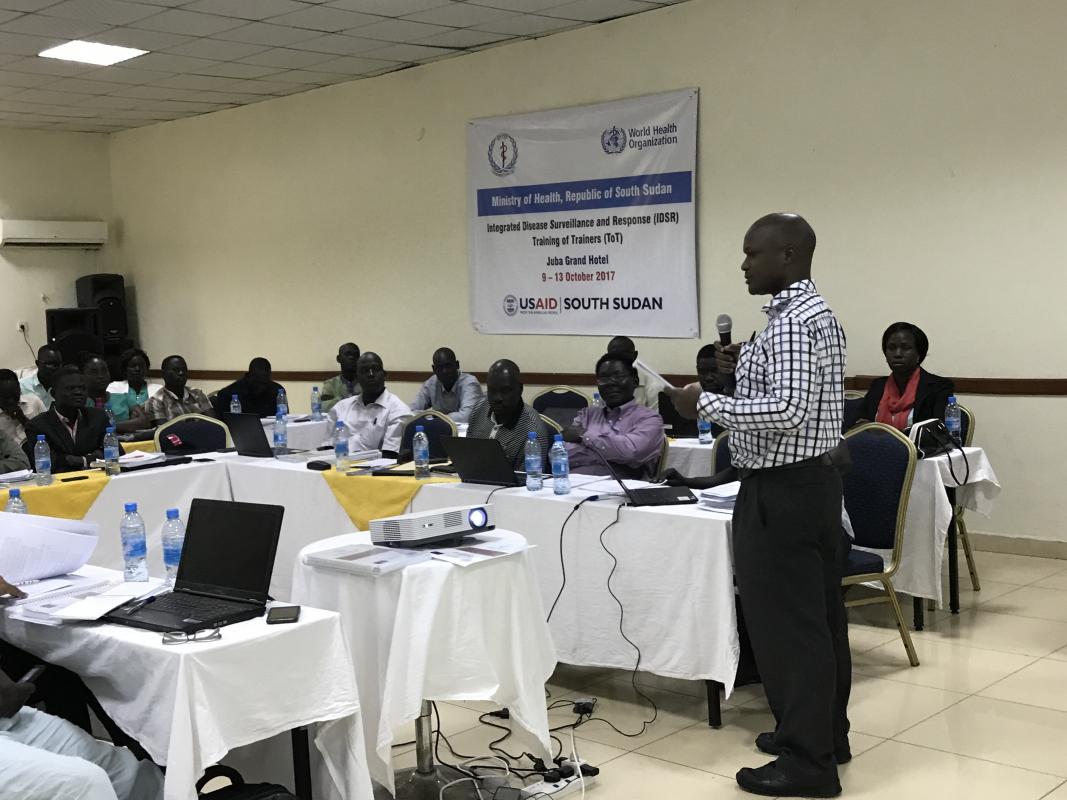
Juba, 13 October 2017: Communicable diseases pose a major public health challenge in South Sudan and cause significant levels of illness, disability, and death for a country also caught in the current conflict.
South Sudan’s weak public health systems aggravate the situation to effectively respond to largely preventable disease outbreaks. Frequent disease outbreaks are driven by multiple factors, including conflict leading to displacement of people and overcrowding and poor environmental conditions.