Polio eradication: Experts say Nigeria not ‘out of the woods yet’.

Abuja, 20 September 2017-The 34th session of the Expert Review Committee on Polio Eradication and Routine Immunization (ERC), cautions the Nigeria programme to guard against complacency as the country is ”not out of the woods yet”. The warning according to ERC is germane, given recent antecedents despite one year without any reported case of wild poliovirus (WPV) in Nigeria.
WHO and partners respond to flood crises in the former Northern Bahr el Ghazal and Upper Nile States of South Sudan

18 September 2017, Juba – The World Health Organization (WHO) in partnership with the Ministry of Health and partners are scaling up the emergency response in the flood affected areas of Aweil West and Aweil North Counties of former Norther Bahr el Ghazal State, and Maban County of former Upper Nile State.
Protéger les burundais du paludisme : campagne nationale de distribution de moustiquaires imprégnées du 18 au 22 septembre
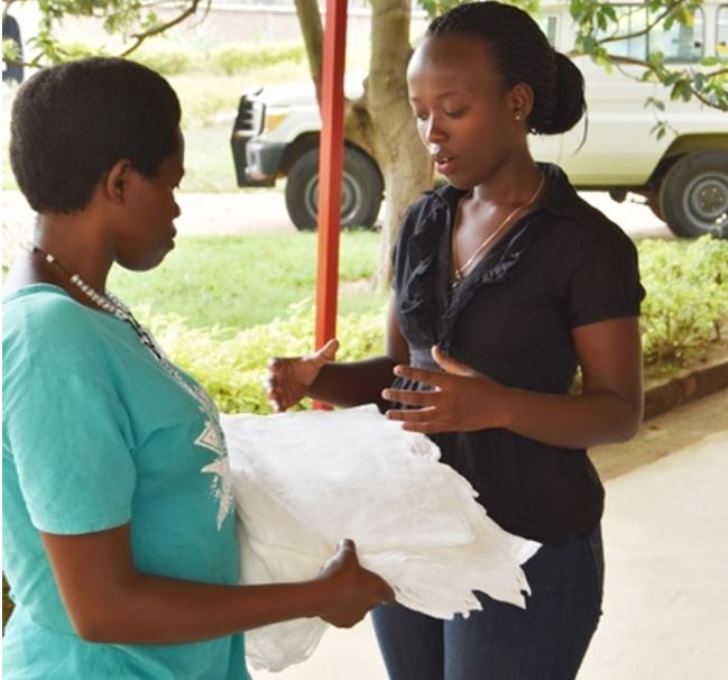
Du 18 au 22 septembre 2017, le Ministère de la Santé Publique et de Lutte contre le Sida et ses partenaires organisent une campagne de distribution des moustiquaires imprégnées d’insecticides dans tous les ménages du Burundi.
En appui à cette activité d’envergure nationale, le Bureau de l’OMS a déployé des équipes de supervision de cette campagne sur plusieurs axes dont, Kayanza, Ngozi Kirundo, l’axe Rutana –makamba , sans oublier Bujumbura mairie.
One year after Nigeria emergency declaration.
Eight years of conflict and crisis in north-eastern Nigeria have left two-thirds of health facilities completely or partially destroyed and millions of people without access to healthcare. In August last year, when health teams managed to reach previously inaccessible areas, they found a critical situation. Functioning health facilities were overburdened and more than 40% of Internally Displaced Persons (IDP) camps had no access to basic healthcare services.
WHO supports capacity building for enforcement of and compliance with tobacco control regulations in Zanzibar

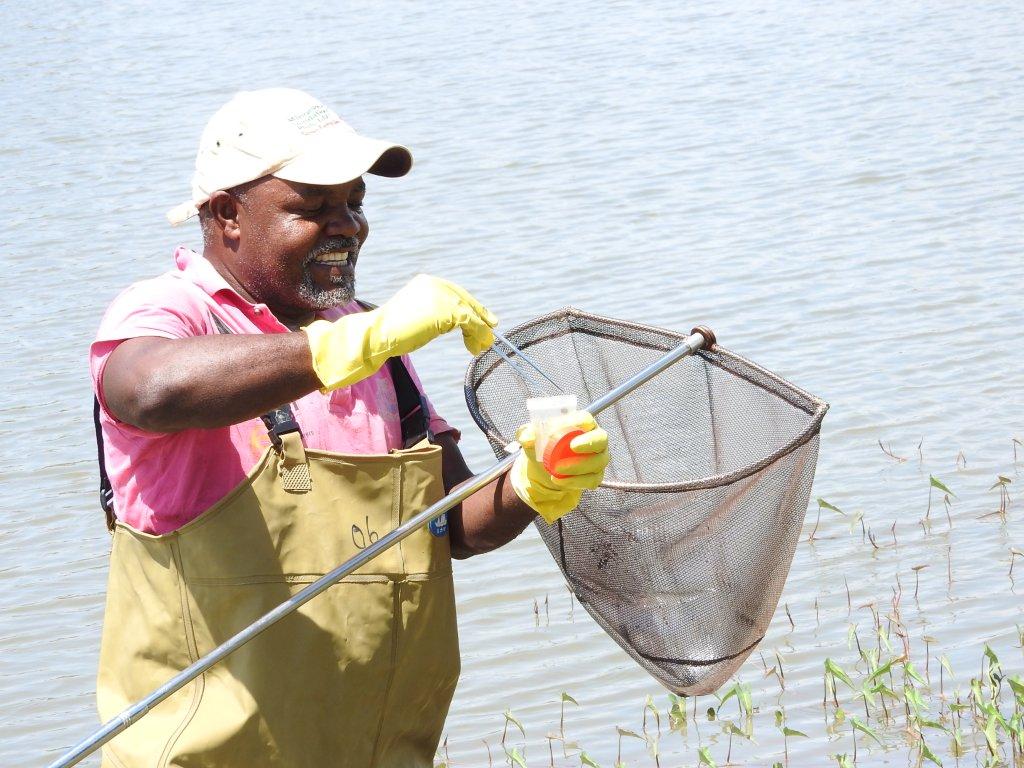
WHO convenes experts to enhance capacity for schistosomiasis control across the sub-Sahara Region


Swaziland conducts Post MR and IPV vaccine Introduction Evaluation
Increased access to quality family planning services is key to the health of adolescent girls and young women
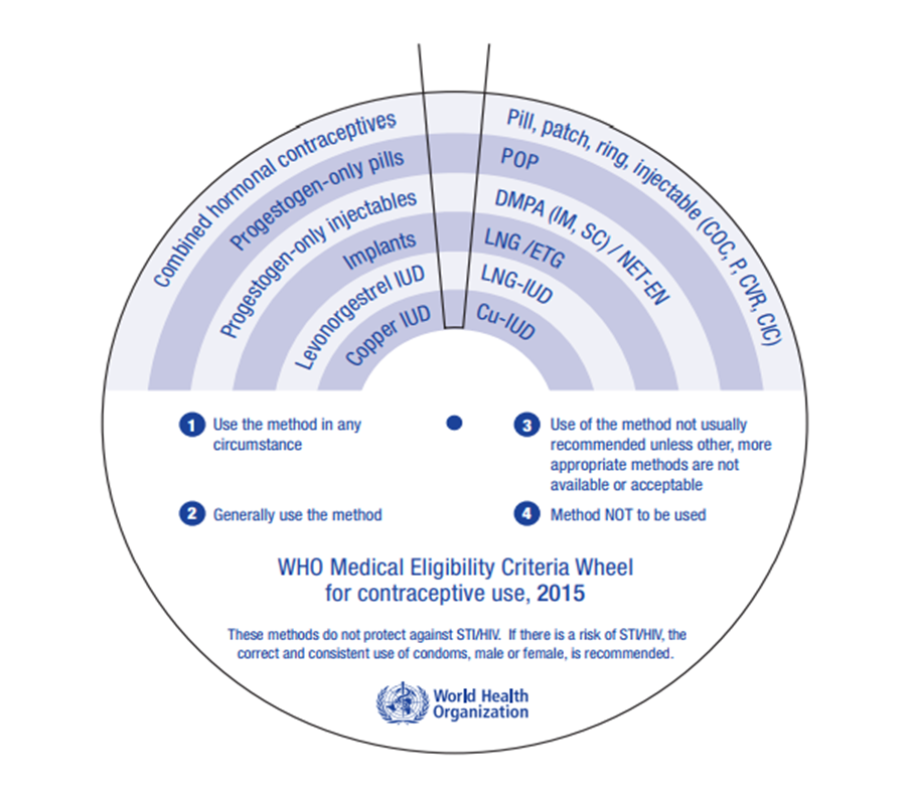
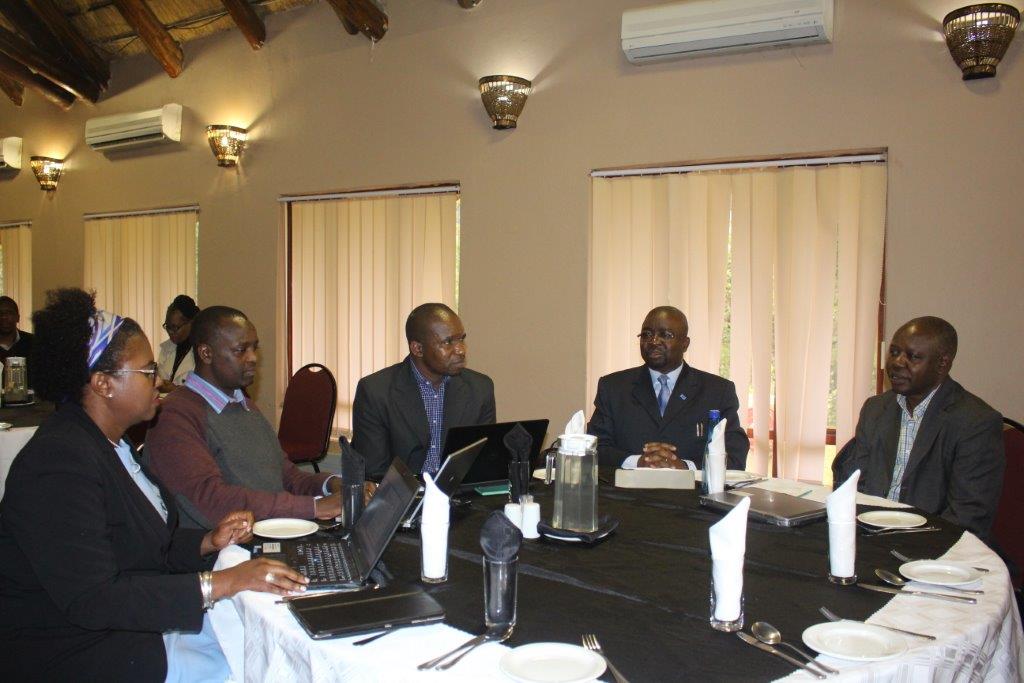
Partners in Namibia meet to adapt WHO Global Medical Eligibility Wheel (MET) for contraceptive use into national guidelines. The promotion of family planning and ensuring access to preferred contraceptive methods for women and couples is essential to securing the well-being and autonomy of women, while supporting the health and development of communities.
Emergency cholera vaccination campaign kicks off in Sierra Leone
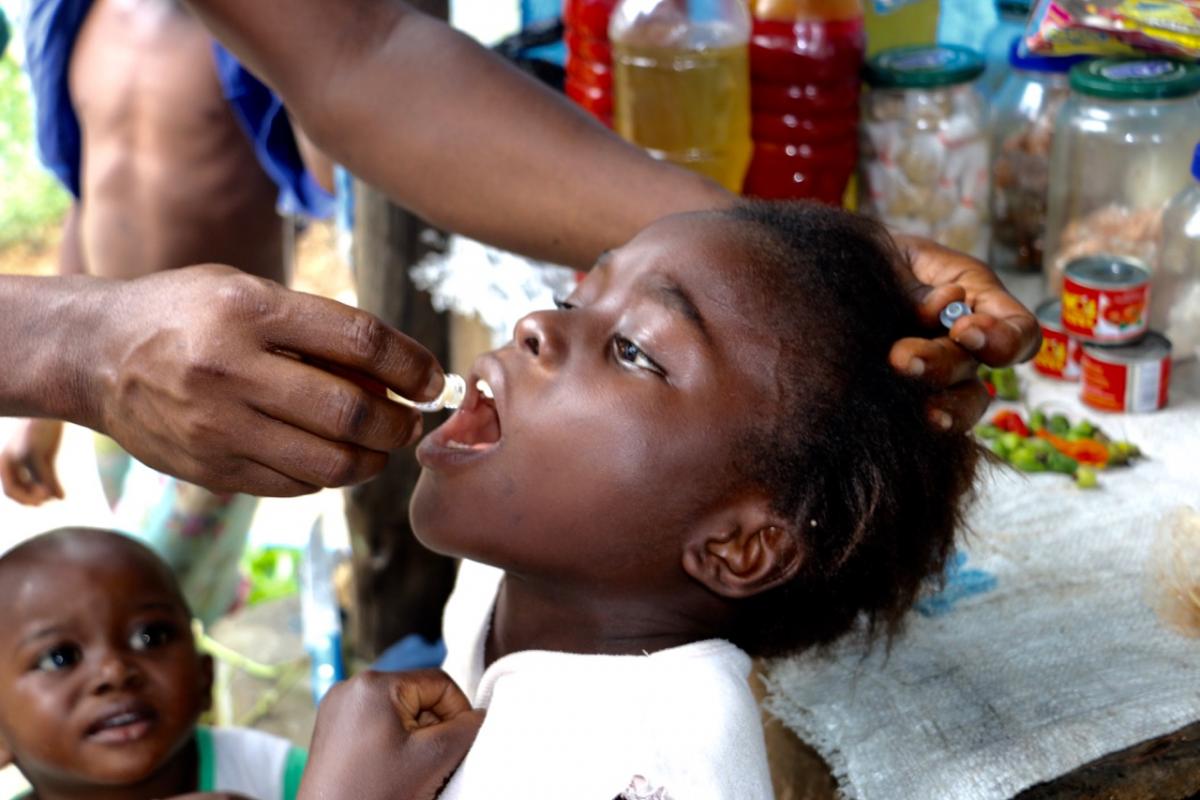
FREETOWN, 15 September 2017 – Sierra Leone’s first ever Oral Cholera Vaccination (OCV) campaign kicked off today, September 15th 2017. The emergency campaign targets communities affected by Western Area’s severe floods and landslides, which left over 6,000 people displaced and caused over 500 confirmed deaths.