WHO Country Office and Ministry of Health and Social Welfare (MoH&SW) Engaged in a One-Day Meeting to Review the 2018 – 2019 Programme Budget activities

As part of preparations in the formulation of the Programme Budget for the next biennium, officials from the WHO Country Office and the Ministry of Health and Social Welfare have participated in a one-day meeting to review the Plan of Action for 2018-219.
Preventing spread of disease in wake of mudslides is vital, says WHO

The World Health Organization (WHO) is working closely with the Government of Sierra Leone to prevent the spread of infectious diseases such as malaria and cholera in the wake of last week’s mudslides and flooding in Freetown. The Organization is also working with partners to ensure ongoing health care for the injured and displaced, and to provide psychological aid to those coping with trauma.
Preventing spread of disease in wake of mudslides is vital, says WHO

Freetown, Sierra Leone, 21 August 2017 – The World Health Organization (WHO) is working closely with the Government of Sierra Leone to prevent the spread of infectious diseases such as malaria and cholera in the wake of last week’s mudslides and flooding in Freetown. The Organization is also working with partners to ensure ongoing health care for the injured and displaced, and to provide psychological aid to those coping with trauma.
African Health Ministers to discuss ways to improve the health and well-being of people

Health Ministers from the World Health Organization’s (WHO) African Region will be gathering in Victoria Falls, Zimbabwe from 20 August – 1 September for the annual WHO Regional Committee for Africa to discuss a range of strategies and actions aimed at improving the health and well-being of people in the Region. The Regional Committee is the Organization’s highest decision-making body on health in the Region and its decisions have over the years contributed immensely in the region’s health development.
Policy-makers in Ethiopia had a Forum to ensure an effective National Blood Transfusion System
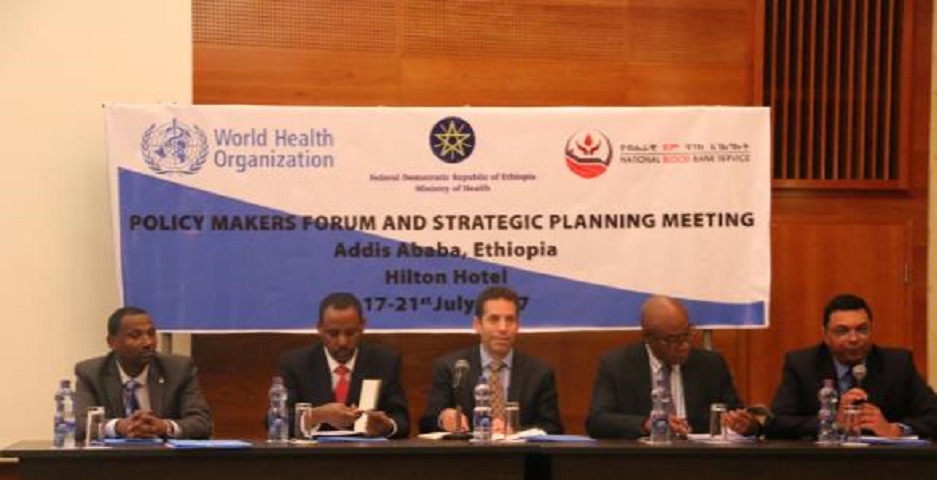
Policy makers in Ethiopia had a forum on blood transfusion services in the country, followed by a three-day strategic planning meeting which was held in Addis Ababa from 17-21, July 2017.
Best Practice: Tanzania ramps up surveillance to tackle threat of polio

The government of Tanzania is battling an outbreak of cholera that has since August 2015 affected more than 26,000 people and claimed 410 lives. Ending the outbreak and preventing its spread beyond Tanzania's borders is a high priority for WHO. To that end, WHO and partners support a well-coordinated multisectoral response through the National Cholera Task Force which plans, coordinates and support subnational authorities.
Malawi launches the National Alcohol Policy on 18 August 2017
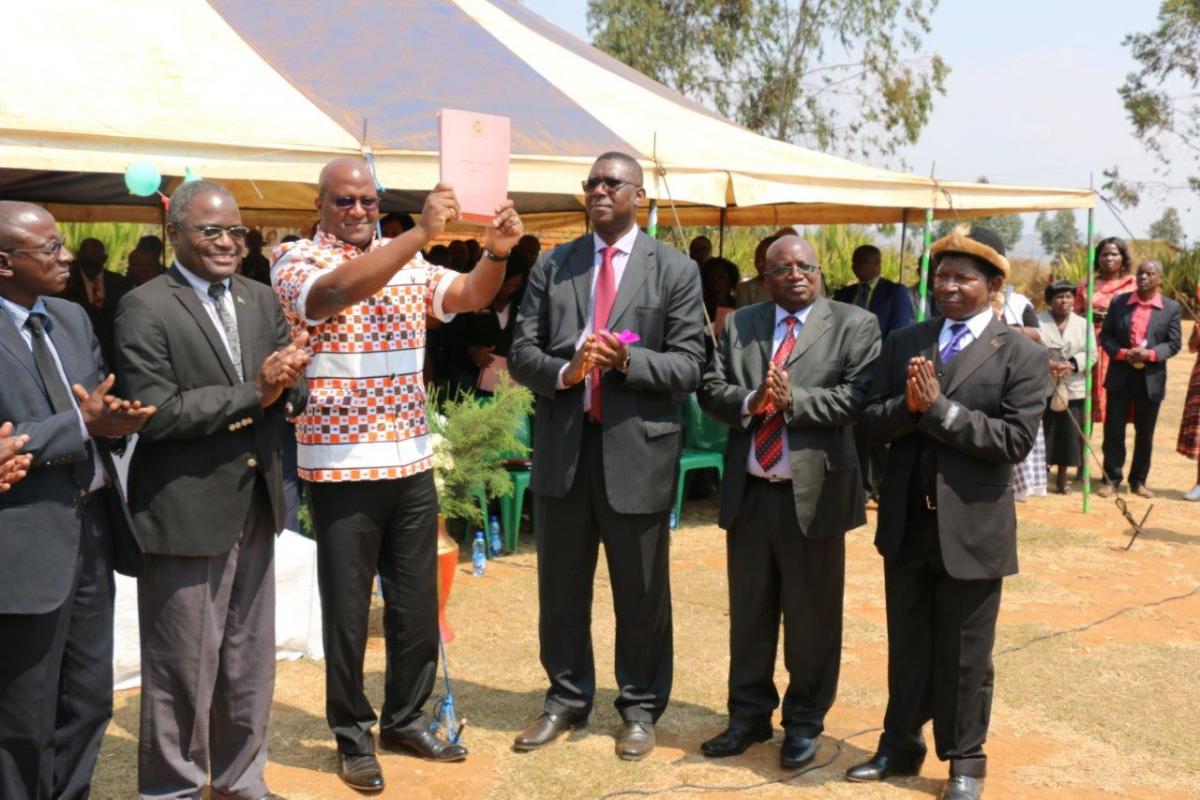
On 18 August the Malawi Government launched the National Alcohol Policy at a ceremony that took place at Kantchito Primary School Ground at Bembeke in Dedza District. The guest of Honor for the auspicious occasion was Honorable Minister of Health, Mr Atupele Muluzi MP. Among the distinguished guests were the World Health Organization Representative Dr Eugene Nyarko, the Chief of Health Services, Dr Charles Mwansambo, the Chairman for Southern Africa Alcohol Policy Alliance, Mr Phillip Chimponda Francis and the Executive Director for Drug Fight Malawi, Mr Nelson Zakeyu just to mention a few.
Uganda releases preliminary results of the 2016 Uganda population HIV impact assessment
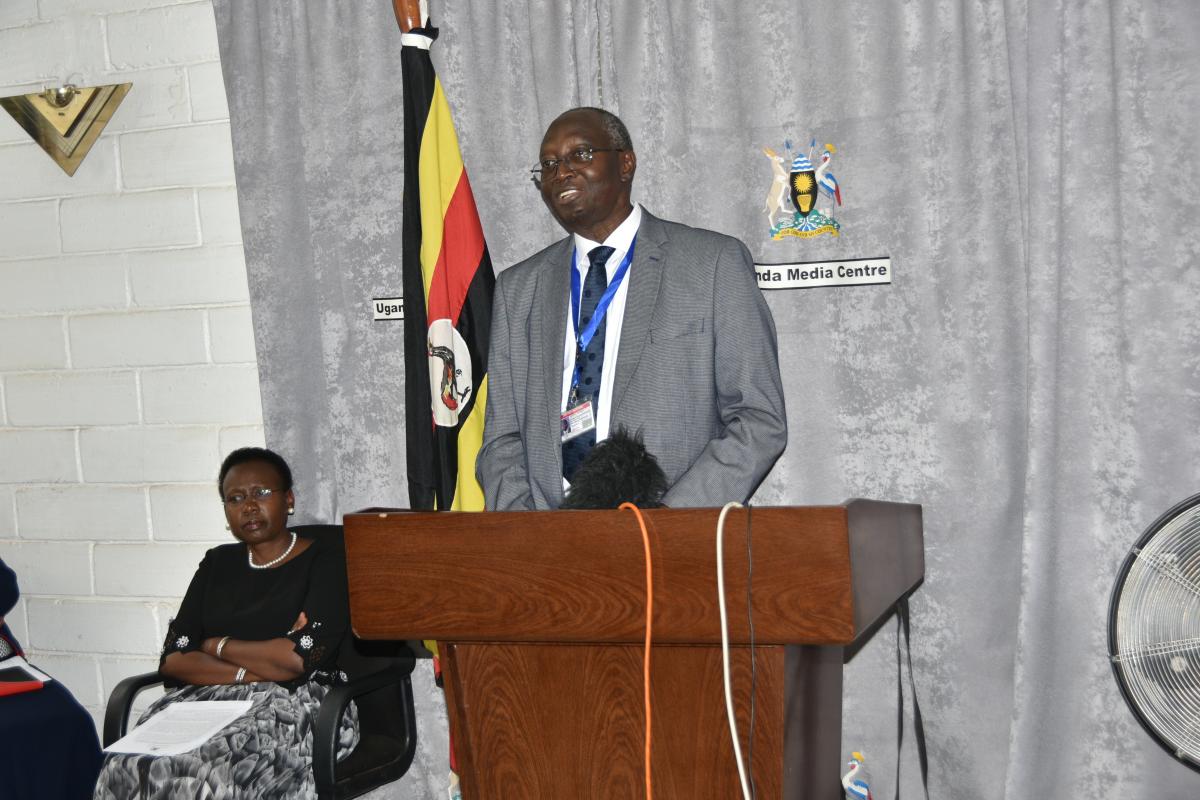
HIV Impact Assessment (UPHIA) indicating that the total number of adults and children of all ages living with HIV in Uganda is estimated to be approximately 1.3 million.
Oral Cholera Vaccination campaign to combat cholera in South Sudan concludes despite security and access challenges

The first round of an Oral Cholera Vaccination (OCV) campaign in four priority counties of South Sudan with active transmission of cholera, has successfully concluded despite security and access challenges in some areas. The vaccination campaign started on the 29 July, 2017 to 4 August, 2017 in the Kapoeta state including Kapoeta South, Kapoeta North, and Kapoeta East while in Tonj East the campaign started on 5 August, 2017 and ended on 12 August, 2017.
Eritrea Launched the Health Sector Strategic Development Plan II (HSSDP II) 2017-2021

The Launching of the second Health Sector Strategic Development Plan (HSSDPII) was held on 2 June 2017 at Orotta National Referral Hospital Conference Hall. The development of the HSSDP II for Eritrea for the period 2017-2021 was led by the Ministry of Health, with the participation of other Government Sectors, Partners and relevant stakeholders. In it’s formulation, recommendations from the mid-term review previously conducted on key achievements and challenges during the implementation of the HSSDP I and health sector situation analysis were used.