Breaking the Silence: WHO Uganda’s “Men Talk” series spark honest conversations on men’s mental health
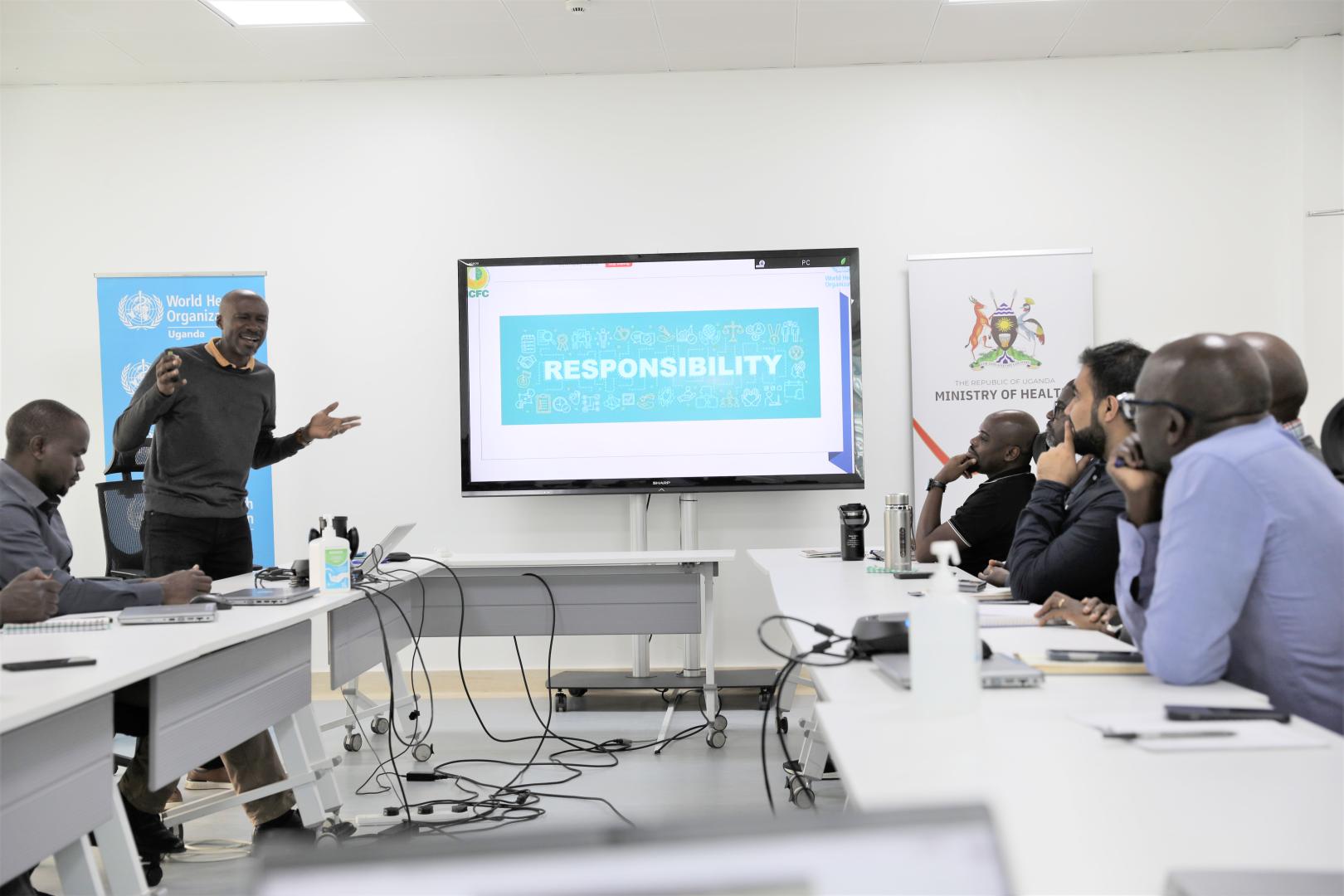
In a society where emotional vulnerability among men is often masked by silence or coded expressions—and where resilience is expected above all—WHO Uganda is shifting the narrative, one conversation at a time.
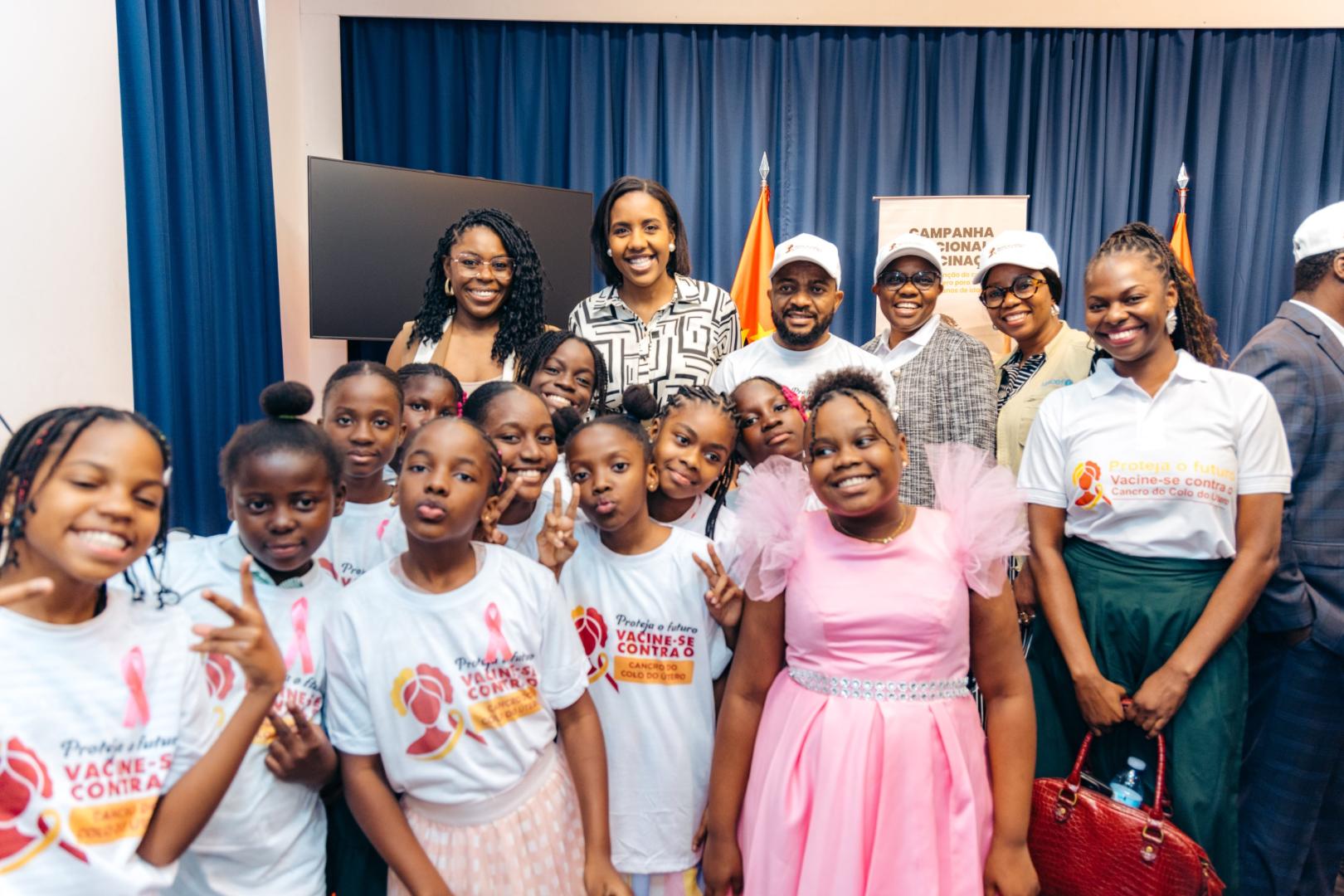
Joint Statement by WHO, UNICEF, and Rotary
WHO hands over life-saving equipment to Uganda’s Ministry of Health under D-CARD Africa project
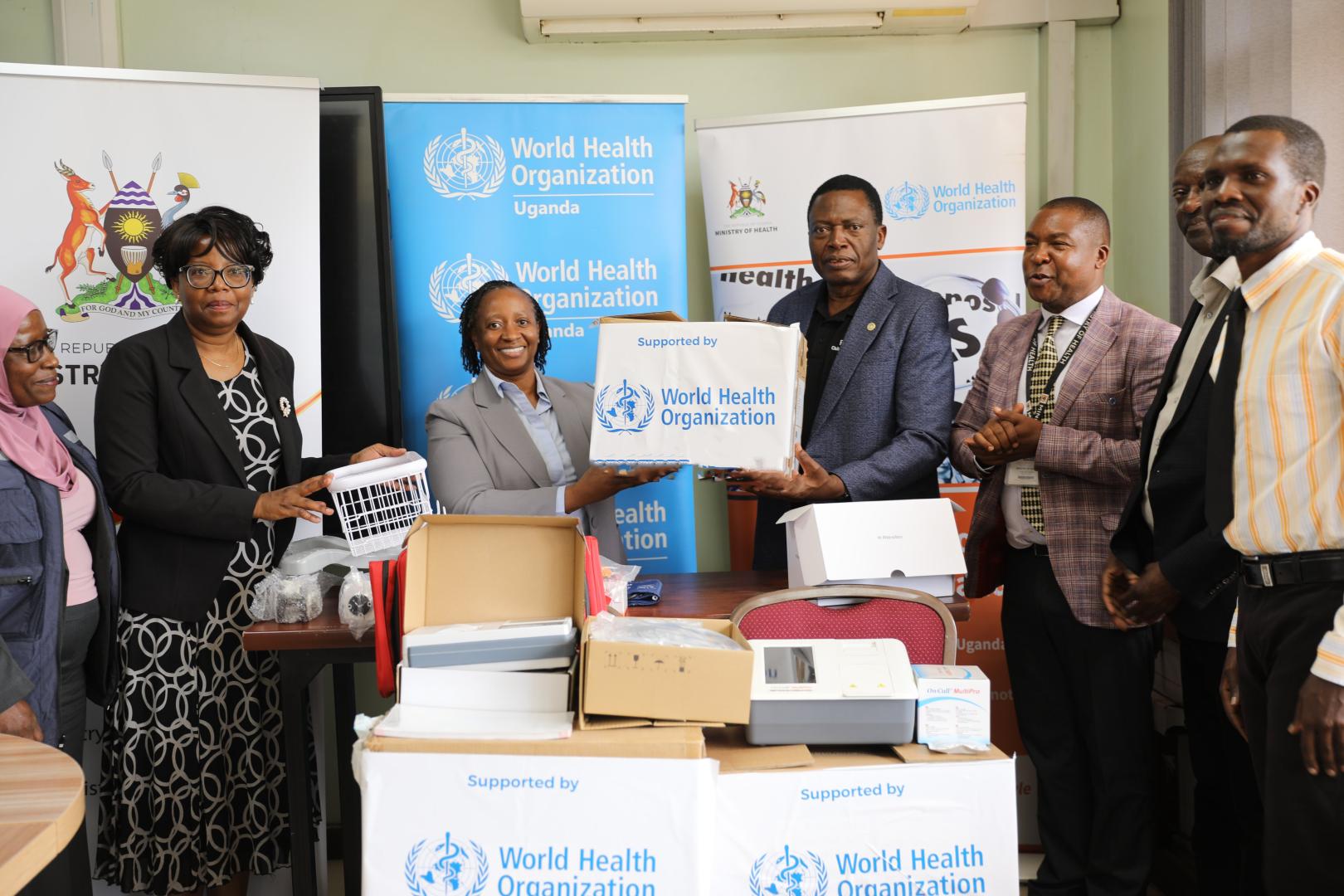
At a small health center in rural Sembabule, a nurse recalls the heartbreak of turning away patients due to lack of basic diagnostic tools. “We could suspect hypertension or diabetes, but without the right equipment, we couldn’t confirm or act early,” she said. That reality is now changing.
Today, the World Health Organization (WHO) handed over life-saving medical equipment to Uganda’s Ministry of Health under the Diabetes and Cardiovascular (D-CARD) Africa Project—marking a major step forward in the country’s fight against noncommunicable diseases (NCDs).
Namibia Launches MoHSS Strategic Plan and Universal Health Coverage Policy
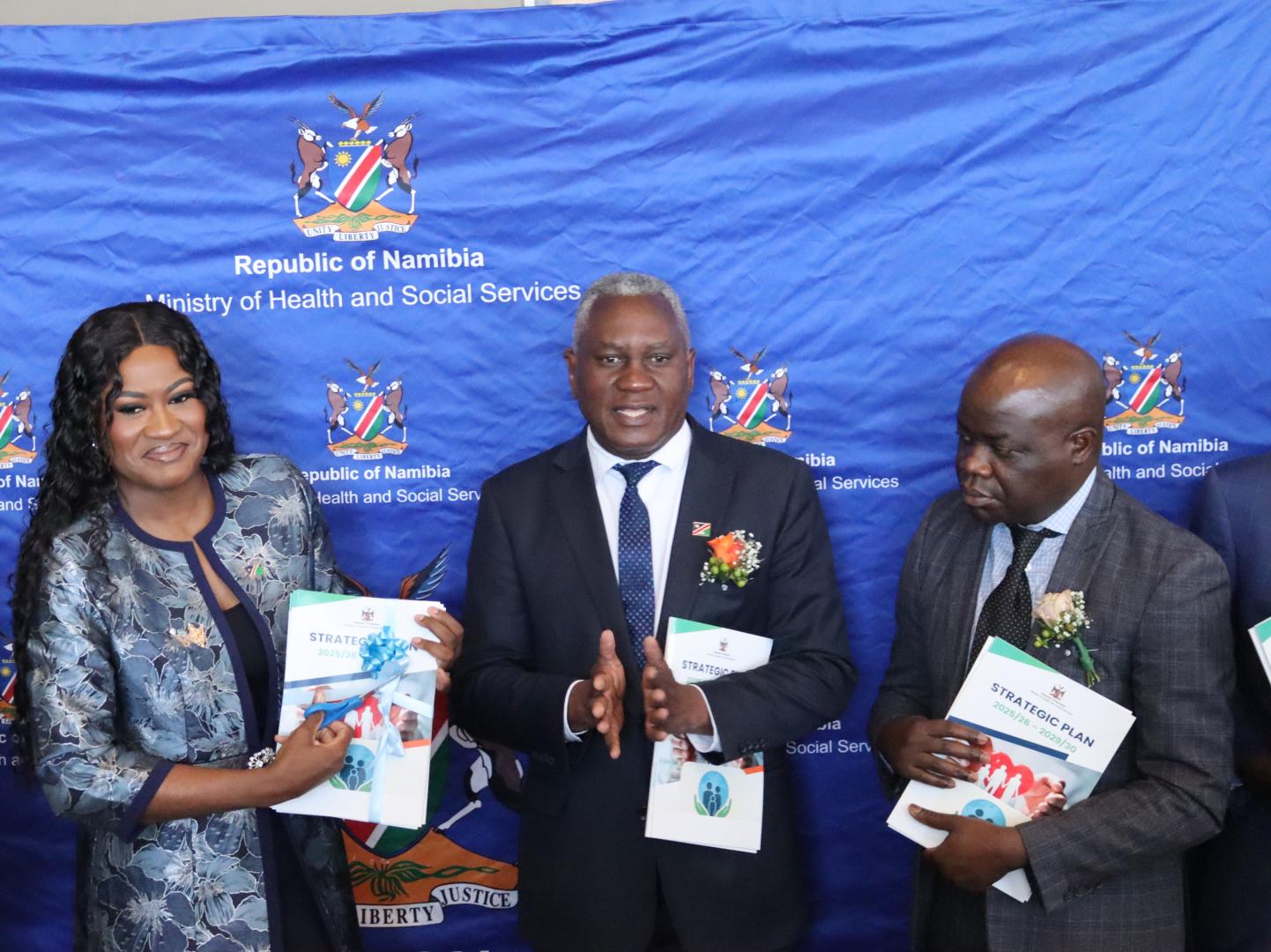
On 13 October 2025, the Ministry of Health and Social Services (MoHSS) officially launched its Strategic Plan for 2025/26–2029/30 together with Namibia’s Universal Health Coverage (UHC) Policy in Windhoek. The launch marked a significant milestone in the country’s health reform agenda, underscoring a renewed commitment to transparency, inclusivity, and partnership. It also advanced the national vision of “World Class Health for All,” anchored in the fundamental right of every Namibian to access quality health services without financial hardship.
National poliovirus sequencing capacity enhances Cameroon’s outbreak response
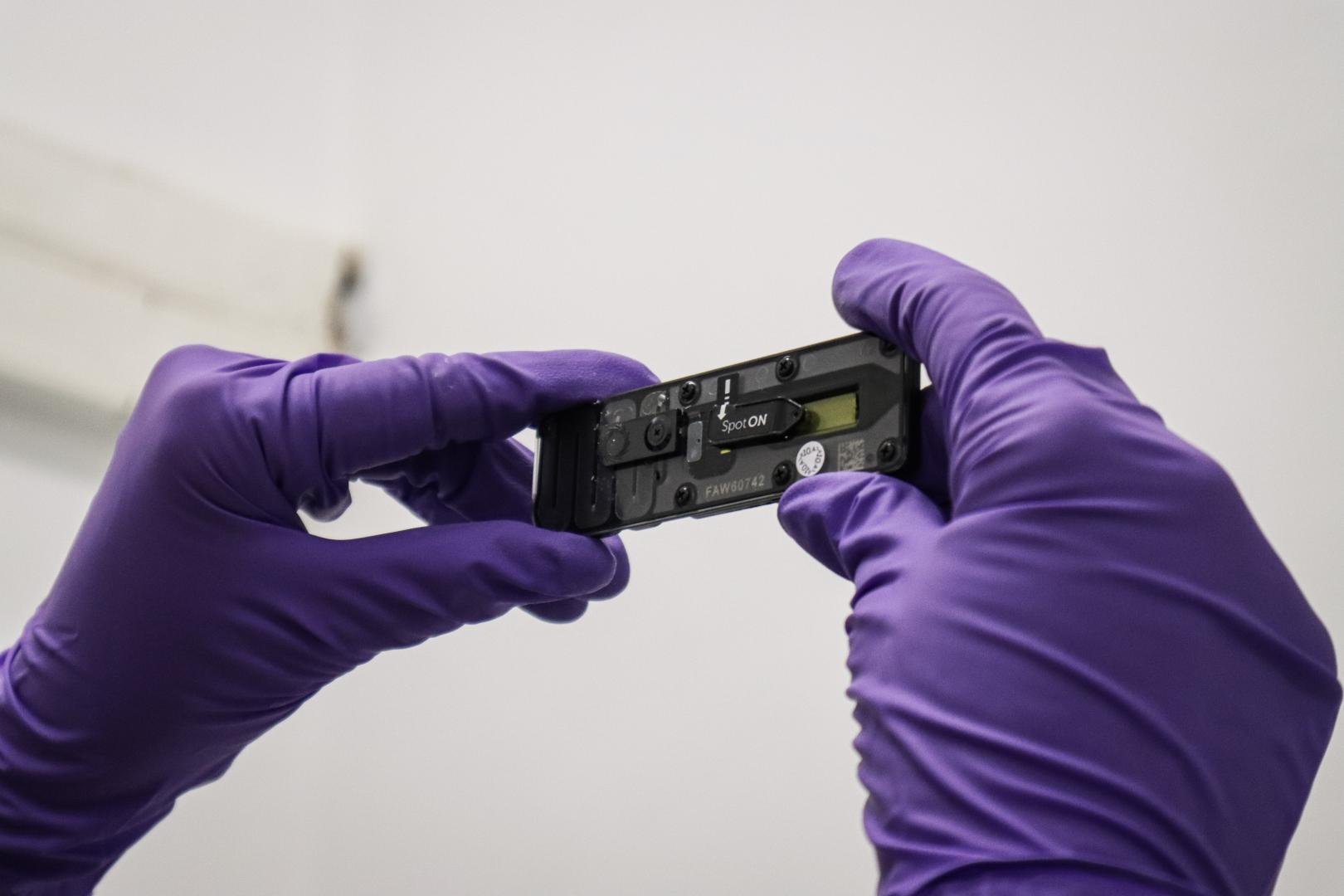
Yaounde ‒ For the first time ever, a circulating variant poliovirus type 3 (cVDPV3) was fully sequenced in Cameroon, marking a major milestone in Africa’s efforts to detect and respond faster to polio outbreaks.
Poliovirus has three types: 1, 2, and 3. Although wild polio type 3 was declared eradicated in 2019, variant type 3 can still appear where immunity is low, making quick detection and response essential to contain outbreaks.
Nigeria advances nursing and midwifery reforms to strengthen health workforce
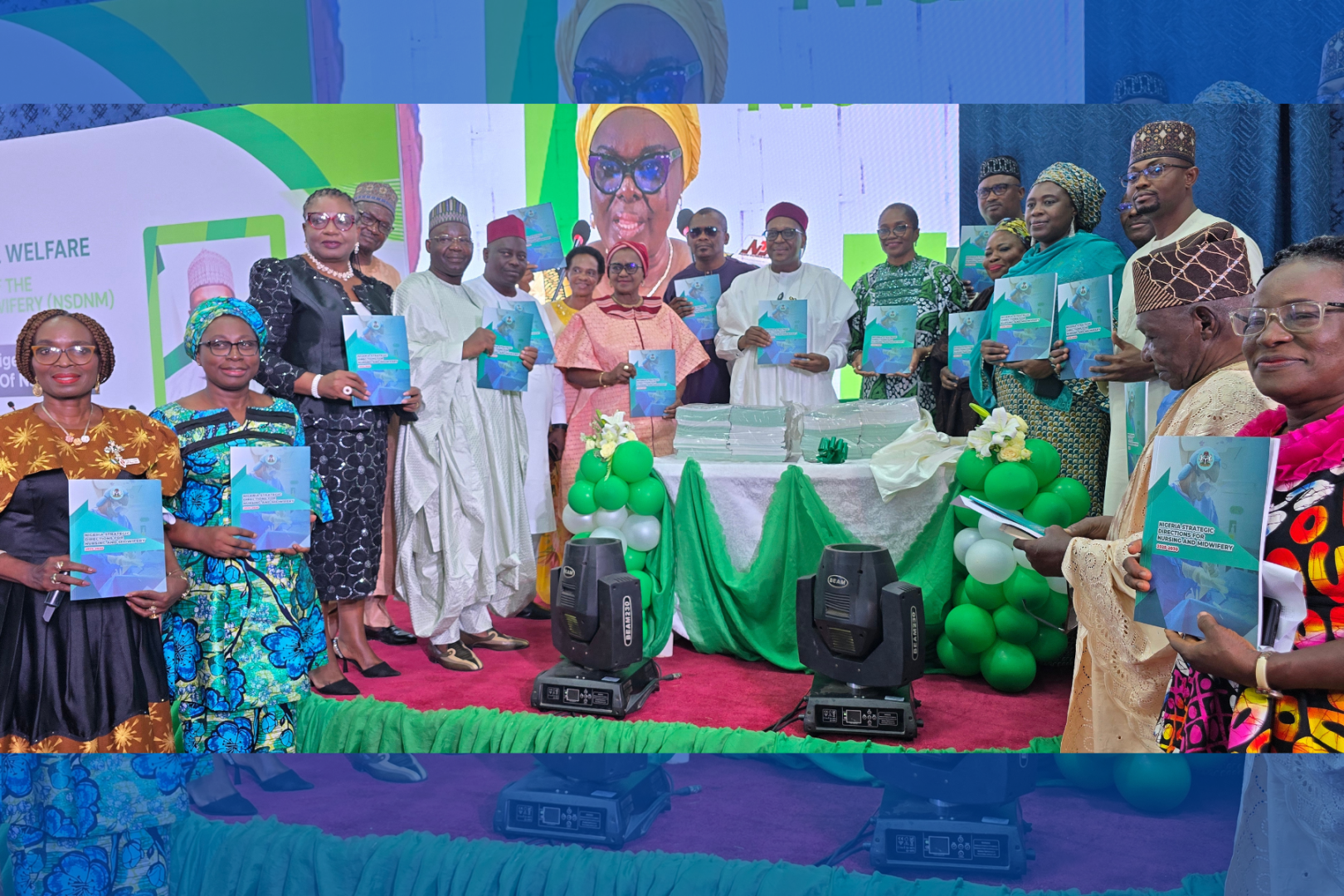
Abuja, Nigeria's government launched a national strategy to strengthen nursing and midwifery, aiming to expand access to quality health services and accelerate progress toward Universal Health Coverage (UHC).
From 15 days to 72 hours: digital payments accelerate compensation for 120 000 health workers in Kenya
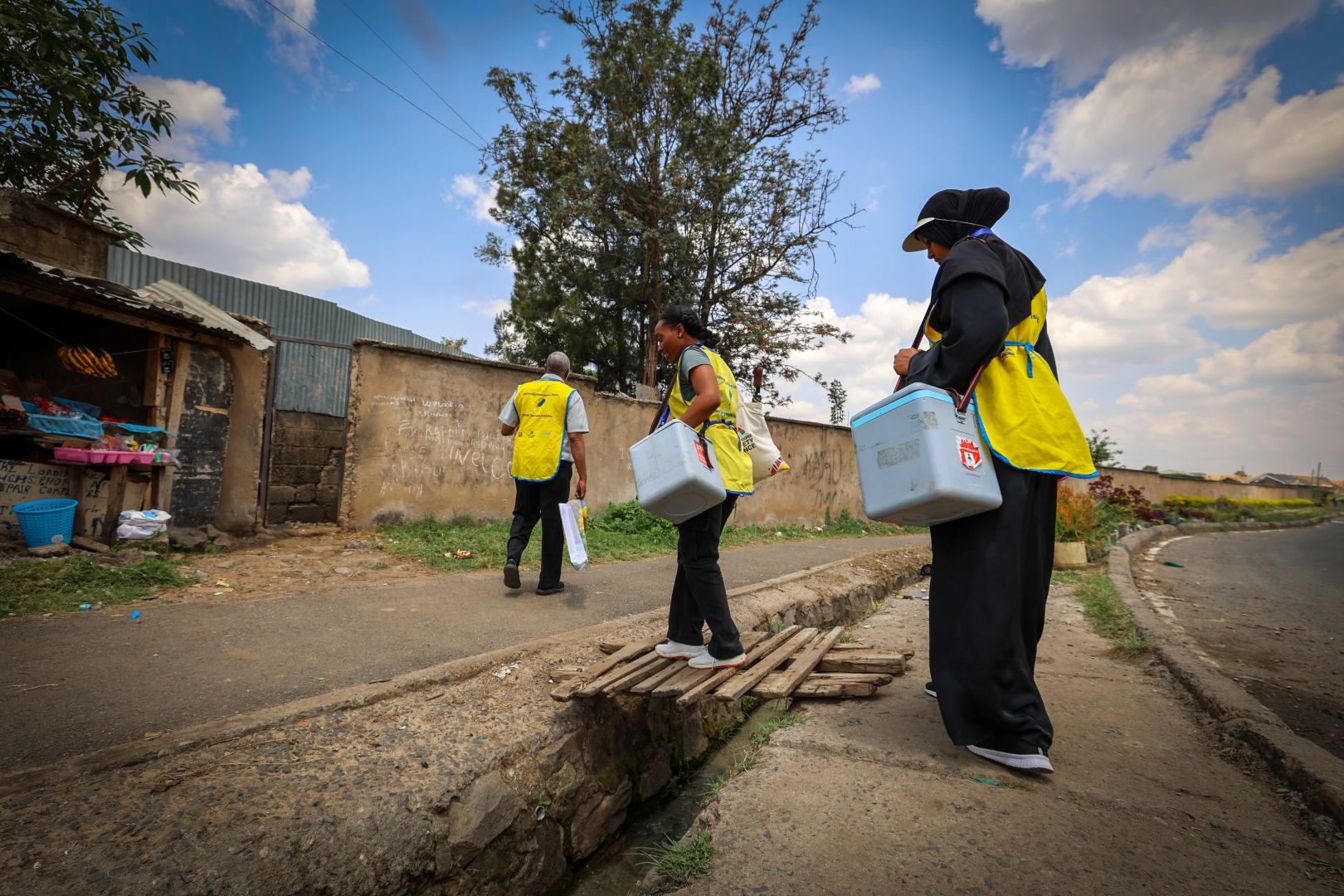
Nairobi—For years, frontline health workers in Kenya faced long delays in receiving payments for their work in vaccination campaigns. Cash-based systems often took more than two weeks, sometimes never reaching workers at all. The process was weighed down by high costs, risks, and lack of transparency, undermining morale and disrupting polio outbreak response.
What the STEPS survey reveals about health in Botswana
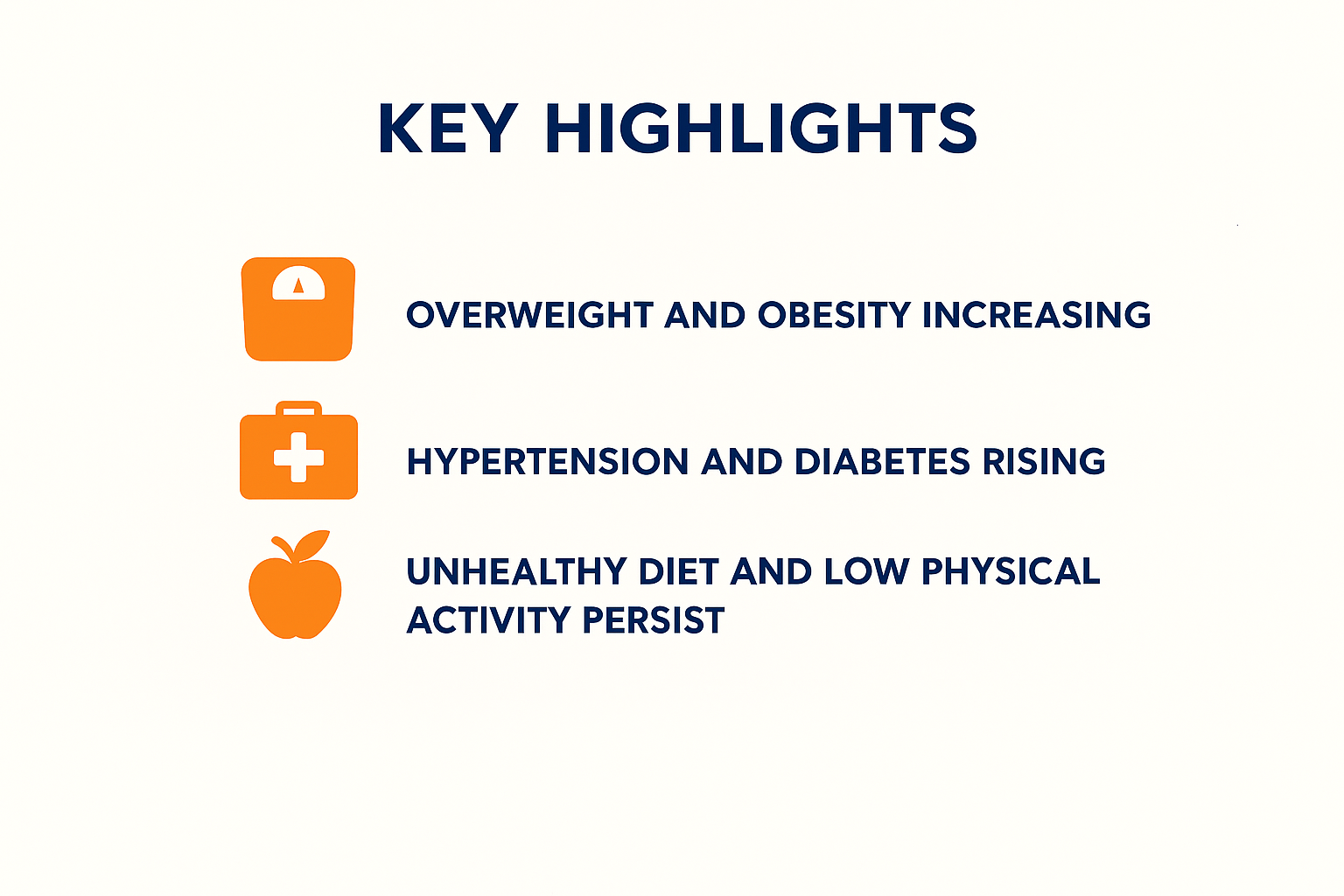
Gaborone—Botswana’s health profile is changing—and not always in ways we would hope. In September 2025, the Ministry of Health, working with the World Health Organization (WHO), released preliminary findings from the latest STEPS survey, a national study that looks at risk factors for noncommunicable diseases (NCDs) such as heart disease, diabetes and cancer.
Ethiopia Introduces Malaria Vaccine to Protect Children and Strengthen Health Systems
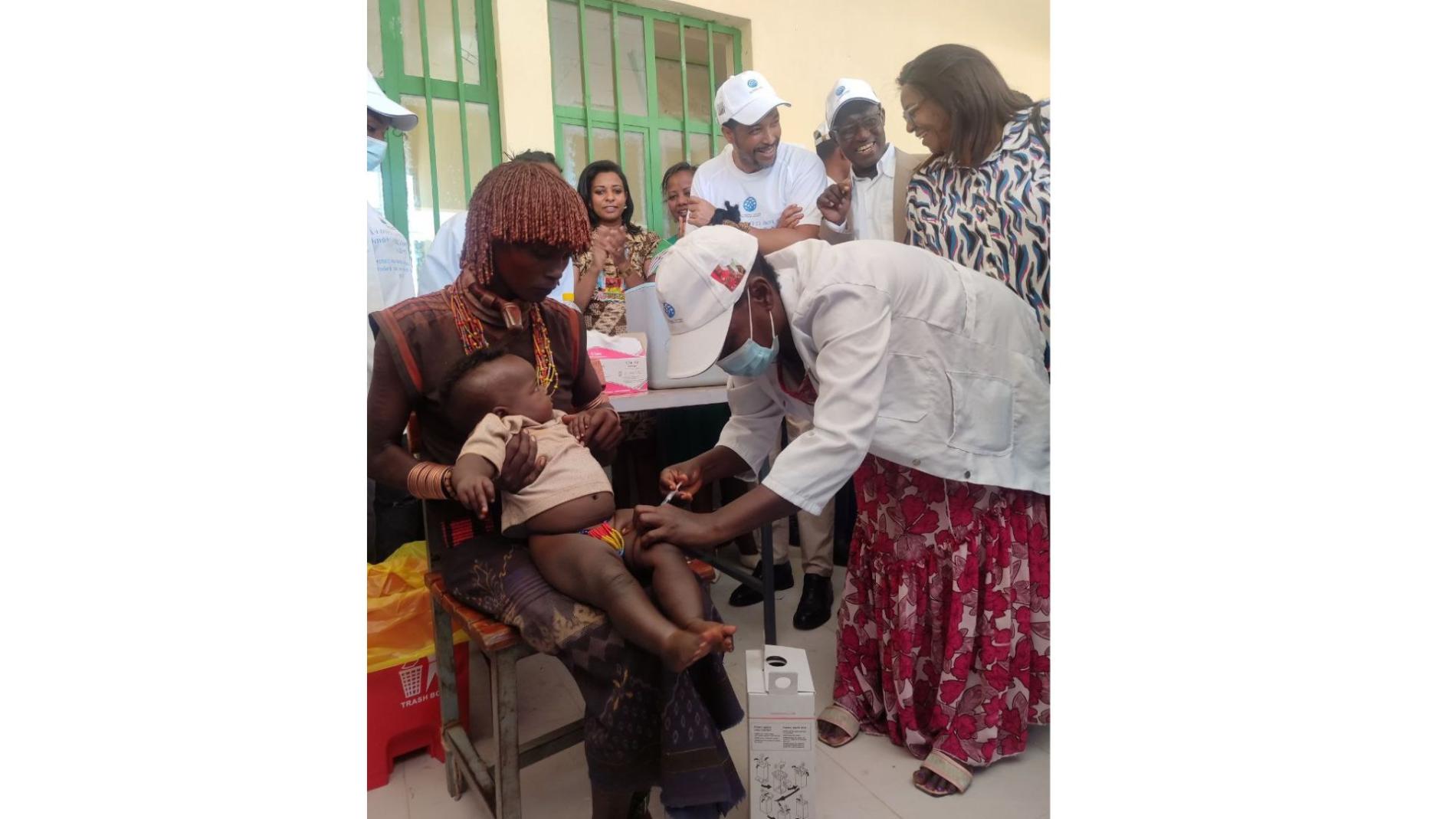
21 October 2025 | Addis Ababa, Ethiopia — Ethiopia has officially launched the R21/Matrix-M malaria vaccine, becoming the 23rd African country to introduce a malaria vaccine into its routine immunization program. This historic step marks a significant advancement in the country’s efforts to reduce the burden of malaria and protect vulnerable populations, particularly children under five.