Regional experts discussed how to improve reporting on Tobacco Control

Luanda, 22nd June 2017 - Experts from six African countries which are signatories of the WHO Framework Convention on Tobacco Control (WHO FCTC) and representatives from the convention secretariat gathered in Luanda, from 20-22 June, to strengthen reporting on its implementation. This meeting is a joint initiative of the FCTC, the WHO Regional Office for Africa and the Government of Angola.
Polio Eradication Programme in Nigeria gets funding boost from Government of Germany

Abuja, 20 June 2017 - In an effort to support the eradication of polio in Nigeria, the German Government through the KfW has signed a grant of ten (10) million euros to support the activities and sustain the gains of polio eradication programme in the country. The grant which will be released through the German Development Bank, KfW, will make available seven (7) million euros through WHO and three (3) million euro through UNICEF for polio operations costs.
Salone celebrates Blood Donor Day

Malawi launches the Integrated Measles and Rubella Supplementary Immunization Activities campaign 12 to 16 June 2017

Lilongwe June 2017 - The Minis
Dr Tedros Adhanom, the WHO Director-General elect visits WHO Ethiopia Country Office

Addis Ababa, 19 June 2017 - The Director-General elect of the World Health Organization (WHO), Dr Tedros Adhanom paid a familiarization visit to the WHO Ethiopia Country Office in Addis Ababa, on 19 June 2017.
The WHO Representative to Ethiopia, Dr Akpaka A. Kalu welcomed Dr Tedros to the Country Office and congratulated him on his election as WHO Director General. The staff of the Country Office also gathered at the office lobby to extend their warm welcome.
Commissioner for Health Commends WHO for spearheading disease surveillance and immunization activities in Nigeria

Enugu, 14 June 2017 - The Enugu state Commissioner for Health Dr Samuel Ngwu remains convinced that the support given by World Health Organization (WHO) is instrumental to building sustainable institutional capacity for disease surveillance and immunization in Nigeria. The commissioner made this declaration at the quarterly review meeting of the Expanded Programme on Immunization (EPI) cluster in Enugu conducted on 13-15 June 2017.
Photo story: Looking back on Sierra Leone’s biggest ever bed net campaign

Smoking kills 14,000 people every day in the world: “Tobacco – a treat to development”
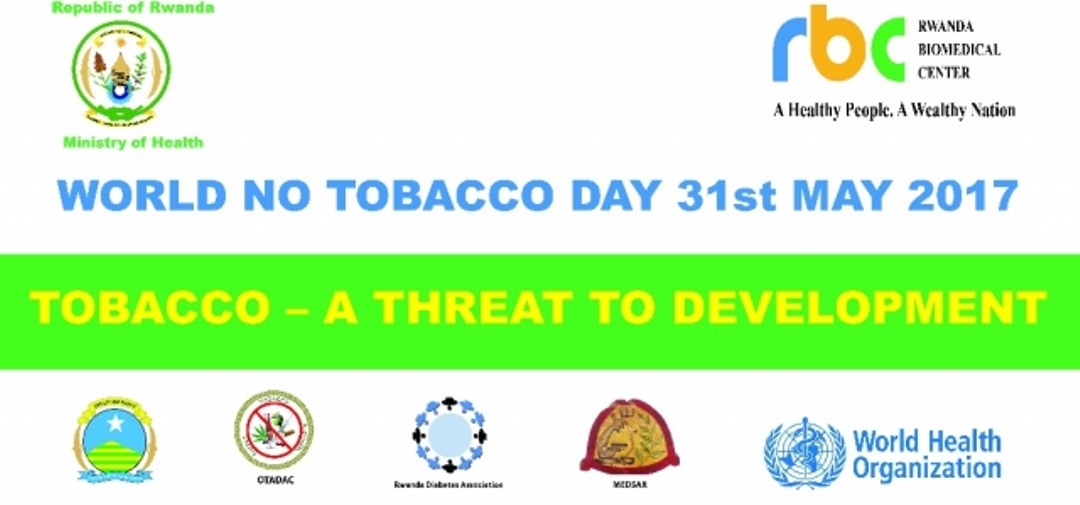
Every May 31, the World Health Organization (WHO) and partners mark World No Tobacco Day, highlighting the risks associated with tobacco use and advocating for effective policies to reduce tobacco consumption.
WHO, NAMBTS and MOHSS celebrate World Blood Donor Day

Windhoek, 14 June 2017 – The World Health Organization Namibia country office in partnership with the Ministry of Health and Social Services (MOHSS) and the Namibia Blood Transfusion Services (NAMBTS) on 14 June commemorated the World Blood Donor Day. The event, which serves to raise awareness of the need for safe blood and blood products and to thank blood donors for their life-saving gifts of blood, saw blood recipients giving testimonies and donors being honoured with certificates. The commemoration was held at the NAMBTS office premises.
South Sudan Marks World Blood Donor Day 2017 Under the Theme: What can you do? Give blood. Give now. Give often

Juba, 14 June 2017– South Sudan on 14 June 2017 joined the rest of the world in marking the World Blood Donor Day under the theme: “What can you do? Give blood. Give now. Give often” to emphasize the significance of voluntary and regular blood donation and maintain adequate supplies and achieve a national self-sufficiency of blood; strengthen the emergency preparedness of health services in the community by donating blood and thank individuals who donate blood regularly and encourage young people to become new donors.