Elephantiasis is no longer a public health problem in Togo: WHO commends Togo for Historic Achievement
Brazzaville, 14 April 2017 - After over a decade of persistent efforts, Togo has eliminated lymphatic filariasis—also known as elephantiasis—as a public health problem. The announcement follows a formal validation by the World Health Organization (WHO) which congratulated the Togolese government for this historic achievement.
Liberia Commemorates the World Health Day: Minister of Health calls for increased Efforts on the Prevention and Management of Depression

Monrovia 10th April, 2017: Depression is the leading cause of ill health and disability affecting over 300 million people, representing 4% of the global population. The Ministry of Health of Liberia estimates that over 1.5 million Liberians live with depression, but most are not aware, and therefore do not seek appropriate care.
The World Health Organization Country Office and the Ministry of Health conduct a joint meeting to chart the way forward on accelerating Zambia’s transition towards Universal Health Coverage 2030

Lusaka, 12 April 2017 - The World Health Organization and the Ministry of Health conducted a joint meeting for orientation of senior officials from the Ministry of Health, central hospitals, University Teaching Hospitals, statutory bodies and National Professional Officers from WHO on Universal Health Coverage (UHC).
Borno Scales Up Preparedness for Meningitis Outbreak
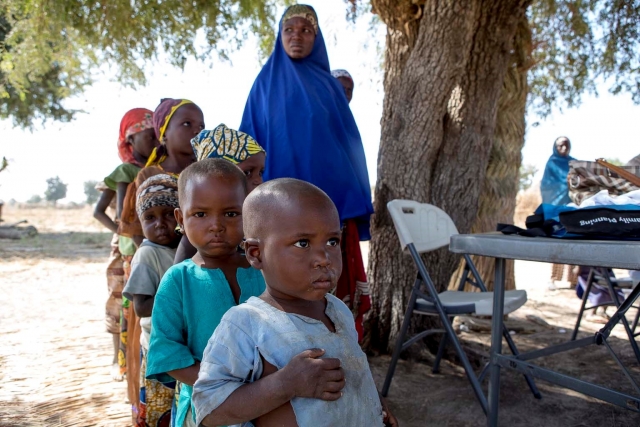
Maiduguri, 11 April 2017 - Although, Borno has reported 22 suspected cases of meningitis in 2017, yet no case has been confirmed in the State. Preparedness measures to contain any outbreak have been put in place including prepositioning of additional 7000 doses of ceftriaxone, reactivation of Rapid Response Team, community sensitization and capacity building for surveillance focal points with support from World Health Organization (WHO).
Tackling mental illness after Ebola

Following the Ebola crisis, a decade-long Civil War and with significant poverty, depression is estimated to be very common in Sierra Leone, affecting at least three percent of the population in any single year. Mental health practitioners also report that anxiety, psychosis and substance abuse are significant public health concerns.
Northern Traditional Leaders Rise For Holistic Approach Against Meningitis Outbreak
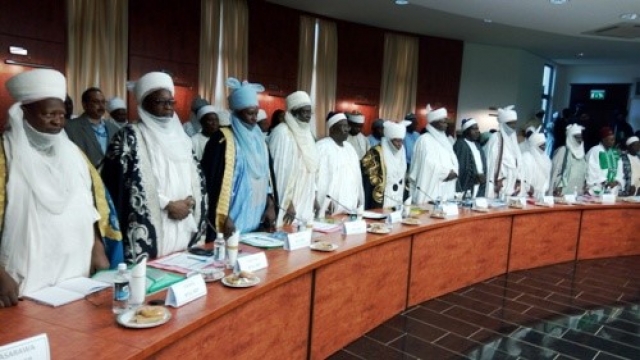
Kaduna, 11 April 2017 - Northern Traditional Leaders Committee on Primary Healthcare (NTLC), with support from the Federal Ministry of Health (FMOH), convened an emergency meeting with Governors of the 19 northern states and other stakeholders to discuss the management of the current outbreak of Neisseria Meningitidis serotype C. The major objective of the meeting aimed to devise holistic strategy to forestall fatalities and avert future occurrences.
Northeast Humanitarian Crises-WHO Reaffirms Commitment to Full Implementation of Emergency Programme
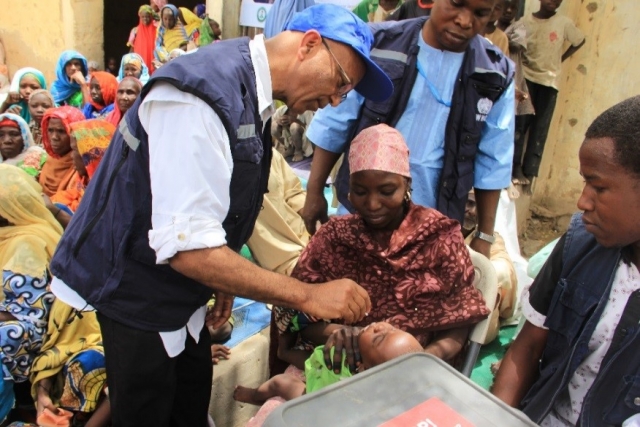
Maiduguri, 10 April 2017 - The World Health Organization (WHO) is committed to providing urgently needed humanitarian health sector support towards reducing morbidity and mortality in the on-going crisis in Borno state.
Using SMS technologies to enhance polio surveillance

A new SMS-based reporting system has been introduced in Sierra Leone to improve identification, detection and reporting of suspected acute flaccid paralysis (AFP) cases in children less than 15 years, with the initial training of 520 health workers and community informants.
Yobe State Governor Lauds Collaboration with WHO for Decline in Vaccine-Preventable Diseases

Damaturu, 10 April 2017 - The Executive Governor of Yobe state, Alhaji Ibrahim Gaidam has expressed gratitude to the World Health Organization (WHO) for providing technical, financial and human resources for improving the health indicators of the people of Yobe state, including displaced persons, despite the threats of insecurity.
British High Commissioner visits Botswana Country Office

Gaborone, Botswana, 7 April 2017 - Her Excellency, Katie Ransome, the British High Commissioner to Botswana visited the WHO Botswana Country Office to explore opportunities for collaboration between her office and the WHO Country Office. Her visit coincided with the presence of the WHO Regional Director for Africa, Dr Matshidiso Moeti, in Botswana. Dr Moeti was in the country to attend the UN Africa Regional Director’s meeting.