Gains in fight to control yellow fever outbreak: but response must continue
 6 August 2016 - The yellow fever epidemic in Angola, first reported in late January 2016, appears to be declining, with no new cases confirmed in the last 6 weeks. However, WHO and partners continue to provide support to Angola as well as to Democratic Republic of the Congo to control the outbreak there.
mDiabetes, an innovative programme to improve the health of people with diabetes in Senegal
 It is estimated that 422 million people in the world live with diabetes. WHO forecasts that this number will reach 622 million by 2040. The majority of people with diabetes live in developing countries. The number of people with diabetes is increasing, notably in Africa, from 3 adults among 100 people in 1980 to 7 adults among 100 people in 2014.
Supporting the delivery of healthcare in the Democratic Republic of the Congo
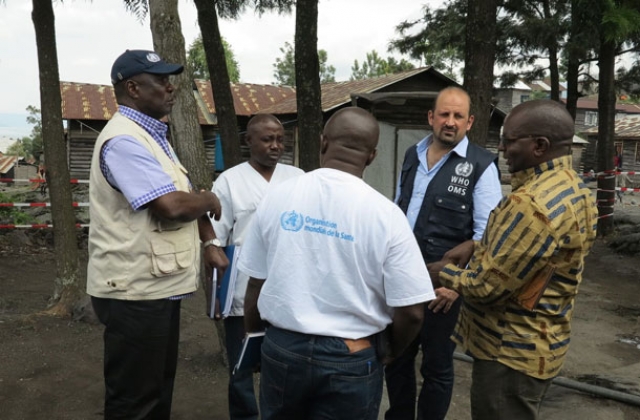 The Democratic Republic of the Congo is a country perpetually in crisis due to a mix of conflict, disease outbreaks, natural disasters and nutritional crises. Some 7.5 million people need humanitarian assistance and protection in one of the world’s most challenging places to operate.
Mobile labs deliver faster yellow fever test results
 “Treating a yellow fever patient is reliant on having the right diagnosis. This is dependent on having the necessary laboratory capacity to quickly identify the disease,” says Dr Pierre Formenty, an expert in haemorrhagic fevers at WHO and Manager of the Emerging Dangerous Pathogens Laboratory Network.
“My untold story” – A hepatitis patient in Ghana shares his experience

“Being infected with Hepatitis B is just like having a fatal disease. Once you are diagnosed with the disease, it is like a death sentence,” says 34-years-old Robert P. Idan. About 9 years ago, Robert, a music student at the University of Education in Winneba, Ghana, dropped out of school. He fell seriously ill, and the doctors initially diagnosed him with an auto immune disease.
Few years passed and Robert still did not feel well. One day, he decided to get tested, during one of the free screening and testing activities organized by the Hepatitis Foundation of Ghana.
Sierra Leone health sector better prepared against seasonal flooding

Flooding from torrential rainfall is the most common form of natural disaster in Sierra Leone and regularly causes significant damage and harms people's health, especially in poor communities and settlements. A new national flood emergency and response plan is now under development to help ensure the country is better prepared to prevent and manage floods.
Third Annual Pharmacy Research Conference held in Zambia
Global Laboratory Initiative to build capacity in Africa

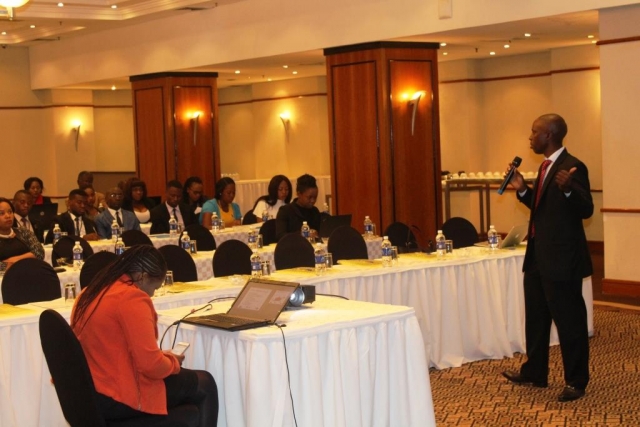
Kampala, 25th July 2016 - The Global Laboratory Initiative Africa (GLI-Africa) has introduced a framework to coordinate partners and activities basing on the Tuberculosis laboratory diagnostic network in the African region. This was at a three day meeting held recently at Speke Resort Munyonyo in Kampala.
WHO and Ministry of Health expand cholera response to minimize future risk
Juba, 25 July 2016 - In a move to prevent a cholera outbreak from spreading, the Ministry of Health of South Sudan with support from the World Health Organization (WHO) and health partners are ramping up disease surveillance and treatment efforts. Across the country, 271 cholera cases have been reported, including 14 deaths since 12 July 2016.
Botswana successfully launches the measles rubella campaign

Botswana has successfully launched the introduction of the Measles Rubella vaccine introduction and Supplementary Immunization Activity (SIA) in the capital city Gaborone on Monday July 25th 2016 at a ground breaking ceremony.