WHO Regional Director for Africa Dr Moeti begins a 3-day official visit to Nigeria
Abuja/Brazzaville, 10 July 2016 - The WHO Regional Director for Africa Dr Matshidiso Moeti, will be in Nigeria on a 3-day official visit from 11-13 July, 2016 at the invitation of the Nigerian government.
Dr Moeti will hold discussions with the President His Excellency Muhammadu Buhari, high ranking government officials and key stakeholders on matters of mutual interests relating to health development in Nigeria and the African region.
WHO and Health Cluster Partners steps up response to the critical health needs in Juba in response to armed conflict that eruped on the 8th July 2016

Juba, 09 July 2016 -- WHO delivers medical supplies to Juba Teaching Hospital and Juba Protection of Civilian (POC) in response to armed clashes that erupted between South Sudan rival forces loyal to President Salva Kirr and those loyal to the first Vice president, Riek Machar in Juba yesterday. WHO is leading the response to provide emergency health access to victims of the clashes. Health cluster partners have been coordinated, mobilized and provided support with critical pharmaceuticals to sustain the response in the Juba PoC, Juba Teaching Hospital.
UN staff in blood donation drive

Kampala, 8 July 2016 -- 14th June every year is World Blood Donor Day. It is meant to raise awareness on the need for safe blood and blood products and to thank voluntary blood donors who save millions of human lives globally through blood donations.
The theme for this year’s World Blood Donor Day was “Blood connects us all”. It was meant to highlight the common bond that all people share in their blood.
Botswana On the Search Mode for Lymphatic Filariasis (LF) in the Country
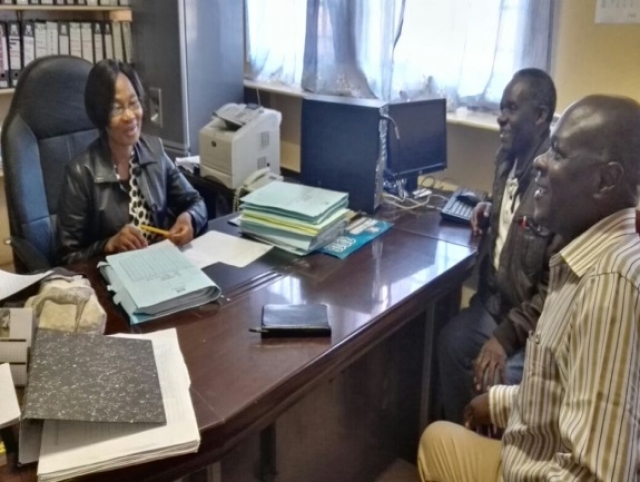
8 July 2016 - The Botswana Ministry of Health continues the fight against Neglected Tropical Diseases (NTDs). The active search for Lymphatic Filariasis (LF) was conducted across 10 villages (11 schools) in the Chobe district commencing from the 23rd June to 30th June 2016. In 2015, LF mapping was conducted in 6 districts (Chobe, Ngami, Okavango, Tutume, North West, and Bobonong) bordering Zambia and Zimbabwe where the disease is known to be endemic. Out of these districts LF was found only in Chobe at a prevalence of 1%.
Angola: Health authorities and partners embark on new phase of yellow fever outbreak
Luanda, 04 July 2016 - As Angola’s yellow fever surveillance system across the country reports a remarkable decrease in the number of cases for the first time in six months, national authorities with support from the World Health Organization (WHO) and partners are beginning a new phase in the outbreak response.
Kongo Central Province: social mobilisation and yellow fever risk communication efforts continue in land border checkpoints
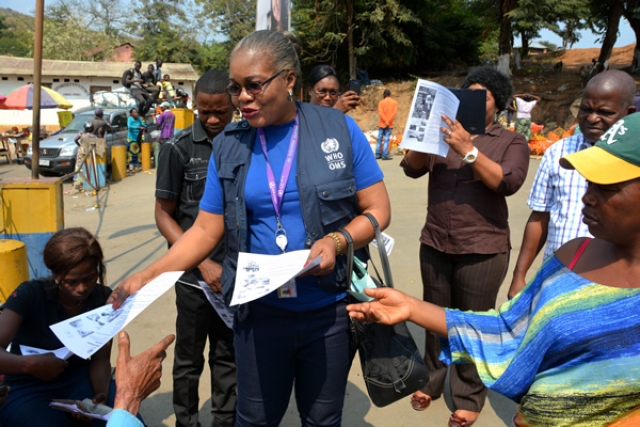 Ango-Ango (Matadi, Kongo Central), 8 July 2016 -- In a bid to intensify health information dissemination and effective communication among the population living on both sides of the border, in response to the yellow fever epidemic hitting both Angola and the Democratic Republic of Congo (DRC), a WHO risk communication and social mobilization team, supported
Kenya takes steps to save mothers’ lives, showing why better data matters

In 2013, Kenya’s Ministry of Health was faced with a debate over the alarming rate of women dying in childbirth: was the cause deep-rooted cultural values, or could lives be saved with policy interventions?
Kenya launches Neglected Tropical Diseases (NTDs) Master Plan 2016-2020

Nairobi, June 2016 - Kenya launched the second Neglected Tropical Diseases (NTD) Master Plan 2016 - 2020 on 15 June 2016. Present at the launch were senior government officials, representatives of Non -Governmental Organizations (NGOs), the UN, academia, research institutes, Civil Society, the media, people affected by NTDs and several other stakeholders collaborating with the Kenyan government to combat the NTDs in Kenya.
Botswana trains newly recruited Malaria Elimination Surveillance Officers
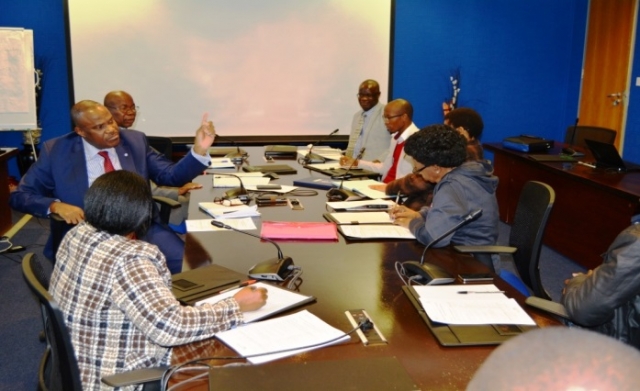
Gaborone, 30 June 2016 -- “An excellent surveillance and response system is key to achieving and maintaining malaria elimination”. This was the assertion of Dr Magda Robalo, WHO AFRO CDS Director when officially opening a four-day innovative and intensive technical orientation for newly recruited district surveillance officers via video link. She commended the Government of Botswana for prioritizing surveillance and building requisite capacity.
WHO, governments and health agencies commit to advancing global health security
Bali, Indonesia, 30 June 2016 – The World Health Organization (WHO), governments, financial institutions, development partners, and health agencies from across the world have committed to accelerate strengthening and implementation of capacities required to cope with disease outbreaks and other health emergencies.