Commissioners for Health laud partnership with WHO; concur it profits Nigeria in diverse ways.
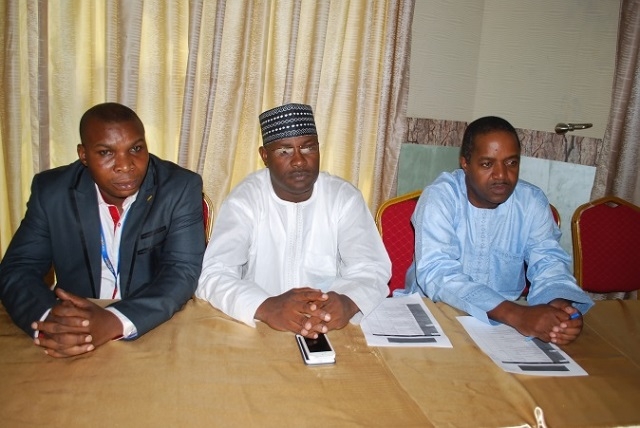
Abuja, 25 May 2015- The Commissioners for Health in Imo and Kaduna States have extolled the partnership with the World Health Organization (WHO) in Nigeria during the first quarter meetings of the Immunization, Vaccines and Emergencies (IVE) cluster in the Southern and Northern zones, conducted from 18 - 23 May, 2015.
Giving back after Ebola
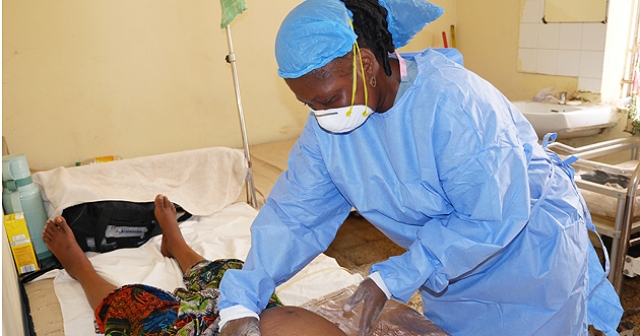
Before the Ebola virus arrived in Freetown, Sierra Leone, hospital nurse Adiatu Pujeh and her colleagues at the King Harman Hospital thought malaria was the most challenging disease they faced. But Ebola, which arrived in their midst last September, infecting Adiatu and killing many of her colleagues, changed all that.
WHO teams join forces to fight Ebola

In the final stages of an epidemic, it is more important than ever for all teams to come together and work on eradicating the virus. It has been a long year for WHO Guinea and for the Guinean people, as Ebola devastated the nation claiming 2387 lives. But as the response progressed, the teams at WHO Country Office continued to find innovative ways to work together. This month the entire Communications and Social Mobilization team and all of WHO’s Social Anthropologists in Guinea, came together to plan a strategy for collaboration.
Urgent Resolve to end Cholera Outbreak in Kenya

23 May 2015, Nairobi, Kenya - Health experts, leaders and county managers have this week, called for a concerted effort to end the cholera outbreak at once and save the lives of Kenyans.
A stakeholders meeting called by the national government to evaluate and find solutions to the cholera outbreak in the country noted the disease had affected 11 counties, led to loss of life and needed quick action to arrest the outbreak.
A communique was signed at the end of the deliberations to stop cholera in the next 30 days as part of the government rapid response initiatives (RRI).
WHO trains 250 community surveillance workers for Ebola response

In a new initiative by WHO in partnership with UNICEF, CDC, Coordination Nationale de Lutte Contre Ebola, MSF and IFRC, 250 community surveillance workers are being trained to ramp up the Ebola response in its final stages. WHO and partners in Guinea recognize the need for increased vigilance as Ebola cases remain low and the end of the epidemic is in sight.
Save Kids Lives – with Road Safety
Around 20% of deaths caused by road traffic accidents in Mozambique are children under 13 years. Children are particularly vulnerable because they often walk or use unsafe transportation to and from school.
SaveKidsLives is the theme for Global Road Safety Week 2015. The week is a call for action by policy makers to protect children from fatal accidents by creating a safe journey to and from school with speed limits on the roads, safe foot- and cycle paths, safe crossings, seatbelts in school busses and other public transportation, and helmets for motorcyclists.
Uganda Launches the Global Road Safety Campaign

Kampala, 21 May, 2015:- The United Nations Global Road Safety Campaign was launched in Kampala at the World Health Organization (WHO) Country Office with a call to parents to play a key role in safeguarding their children’s lives on roads. The theme of the campaign is “Save kids’ lives”.
Sixth Essential National List of Medicines (ENLM) Review Consensus Workshop was kicked off

Sixth ENLM Review Consensus Building workshop was held from 18 to 20 Nov. 2014 at Orotta Conference Hall. The objective of the workshop was to adopt a draft 6th edition on the list, taking into account the efficacy, safety, quality, cost-effectiveness of the medicines in the current context of the national health system.
WHO provides supportive supervision to Ethiopia’s nationwide NCD STEPs survey

As part of its commitment to provide technical support to Ethiopia’s efforts to ensure the health of its people, the WHO Ethiopia Country Office engages in supportive supervision of research and health intervention across the country. On 7-9 May 2015, a WHO delegation led by Dr Pierre M’pele, WHO Representative, was on mission in Lalibela of Amhara Region in northern Ethiopia for supportive supervision of the ongoing non-communicable diseases (NCD) STEPs Survey.
Guninea worm disease: Health Ministers renew commitment to break transmission by year-end, Geneva, 20 May 2015
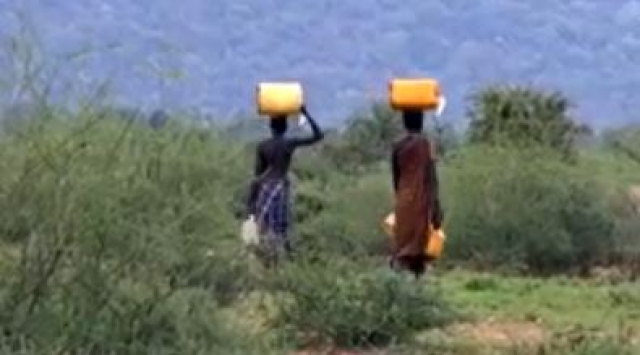 Ministers of Health of guinea worm disease-affected countries have reiterated their commitment to breaking transmission of the disease by the end of 2015.