Health in South Sudan, Issue 1. Volume 3

This newsletter covers critical issues and achievements by WHO in supporting the Ministry of Health and responding to the Grade 3 emergency.
In this issue:
- WHO SS Celebrates International Women’s Day in Style
- WHO Trains Rapid Response Teams to Enhance Ebola Preparedness
- Rising to the Challenge: Going the extra mile to save lives
- WHO and Partners Rally to Fight Cerebro Spinal Meningitis in South Sudan
- Global Polio Eradication Initiative Alive and Active in South Sudan
- WHO News in Brief
Zambia’s First Lady launches African Vaccination Week 2015 in Lusaka
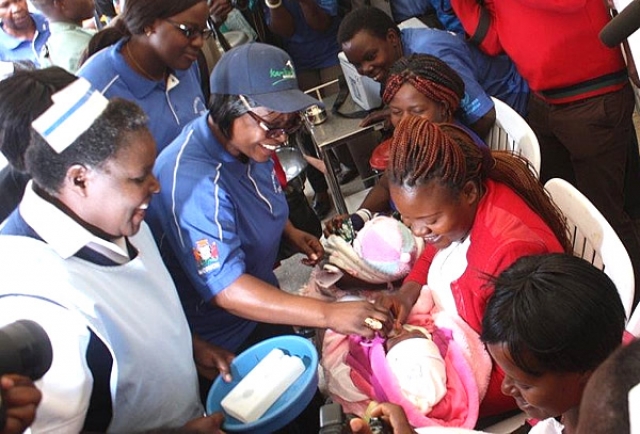 Lusaka, 23 April, 2015 - The 5th regional launch of African Vaccination Week (AVW) 2015 took place in Lusaka, Zambia on Thursday, 23 April 2015 with the First Lady of Zambia, Mrs Esther Lungu kicking off the commemorations.
WHO launches African Vaccination Week in Zambia

Vodafone Health Partnerships Results in the Launch of New Health Worker-to-Health Worker Call Service on Ebola
Accra, 22 April 2015 - Keeping vigilant against Ebola, Ghana Health Services (GHS), Vodafone Ghana Foundation and Vantage Medical Solutions (VMS) with support from World Health Organization (WHO) officially launched the first ‘health worker-to-health worker’ call service on Ebola in Ghana and Africa.
This new service was commemorated yesterday, with 63 health worker call centre operators awarded certificates following the successful completion of an intensive training on the Ebola Virus Disease (EVD) and Infection Prevention and Control measures delivered by GHS and WHO.
WHO Regional Director for Africa Dr Matshidiso Moeti arrives in Liberia for a two-day official visit

Monrovia, 22 April 2015 - The World Health Organization (WHO) Regional Director for Africa Dr Matshidiso Moeti began a two-day official visit to Liberia today. The aim of the visit is to assess the progress that has been made in controlling the Ebola virus disease (EVD) epidemic and identify areas WHO could further support the country in its recovery efforts. The visit is the last leg of the Regional Director’s tour of the three countries worst affected by the EVD since she took office in February this year.
Uganda Commemorates World Cancer Day 2015
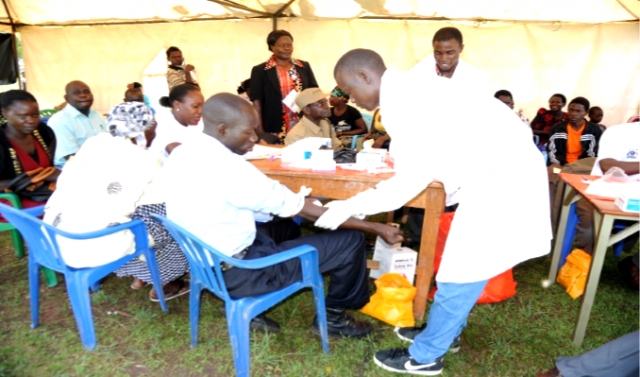
Kiryandongo, 21 April 2015: Uganda commemorated the World Cancer Day, under the theme ‘Cancer prevention and control not beyond us’’. The overarching message to the people was that individuals, communities, organisations and government have a role to play in the prevention and control of cancer; ranging from vaccination to palliative care.
Highly contagious meningitis outbreaks continue in African countries
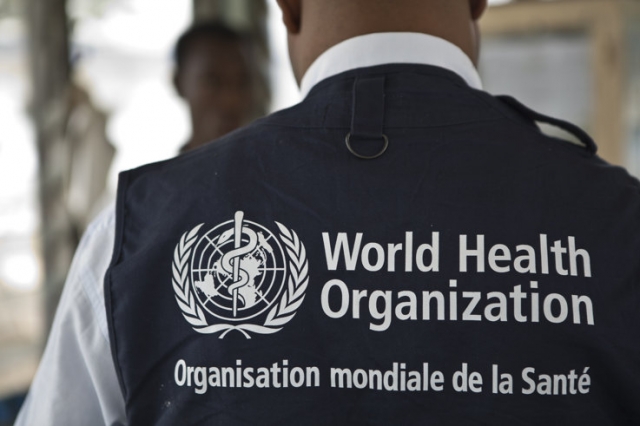 21/04/2015 - Meningitis outbreaks continue to be an enormous public health threat in the African Region. The outbreak in Nigeria is of utmost concern but Ghana and Niger are also experiencing meningitis outbreaks.
Ebola diaries: When youth reported cases in the night
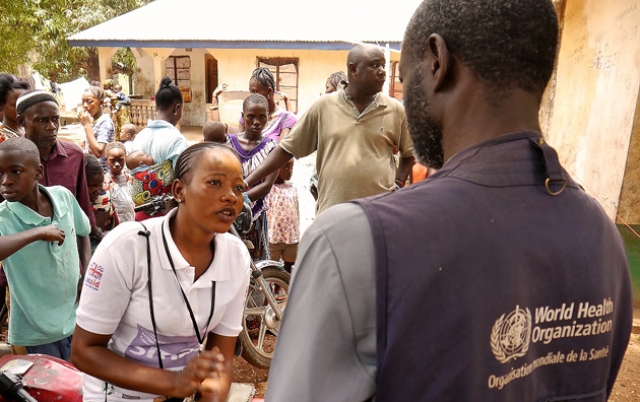
Aminata Kobie is a health promotion officer in WHO Sierra Leone Country Office. When the first Ebola cases began to appear in May 2014 in Sierra Leone, Aminata travelled the country educating health workers and communities about the virus. As the outbreak spread throughout the country, Aminata spent months at a time educating her fellow Sierra Leoneans and visiting resistant communities where Ebola cases continued to occur.
Kenya: Closing the gap on pneumonia through immunization
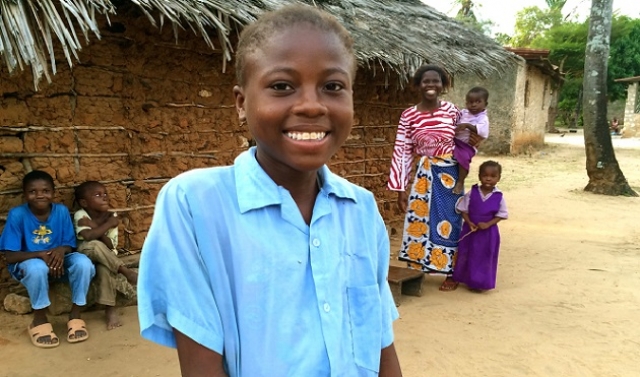 Soon after the birth of her second child, a daughter she named Neema, Tabu Kalama found herself homeless and with no regular income. Ms Kalama had no option but to sleep with her newborn daughter and her 18-month old son in the meagre shelter of palm trees near the beach in Kilifi, in eastern Kenya.
Returning to normal: The road to early recovery starts with the health system

As part of early recovery efforts, WHO continues to work closely with national authorities and partners in the 3 high-transmission Ebola countries on how to rebuild confidence and trust in health systems and services.
Nurse Sai Conteh works at the Kambia Government Hospital and needs to know what to do in case one day a patient with Ebola-like symptoms comes to the hospital. She looks back at what she has learnt and how different her daily work looks like.