Cabo Verde — Strengthening the Capacity of Vector Control Agents
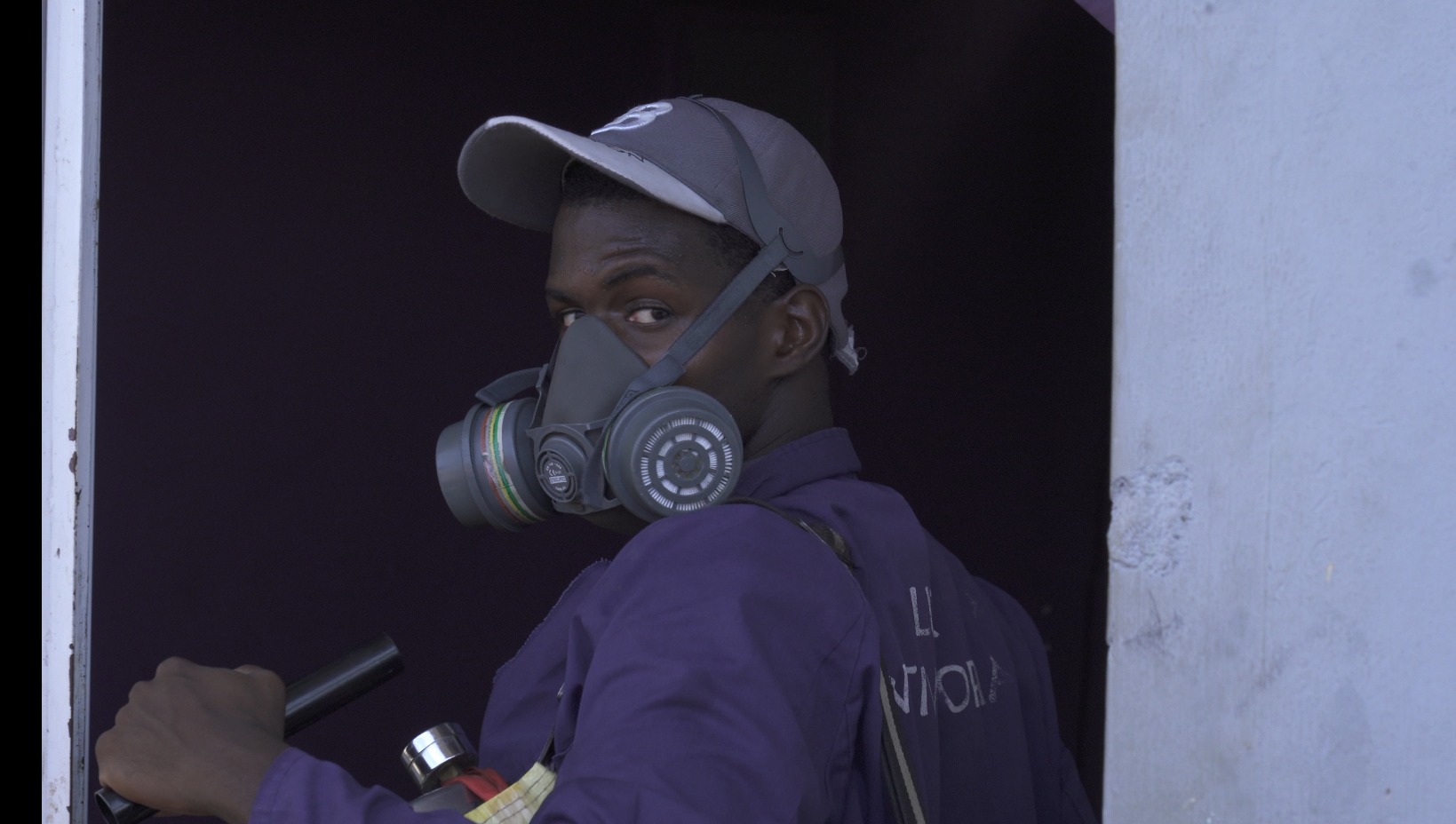
Praia, Cabo Verde — Strengthening the Capacity of Vector Control Agents
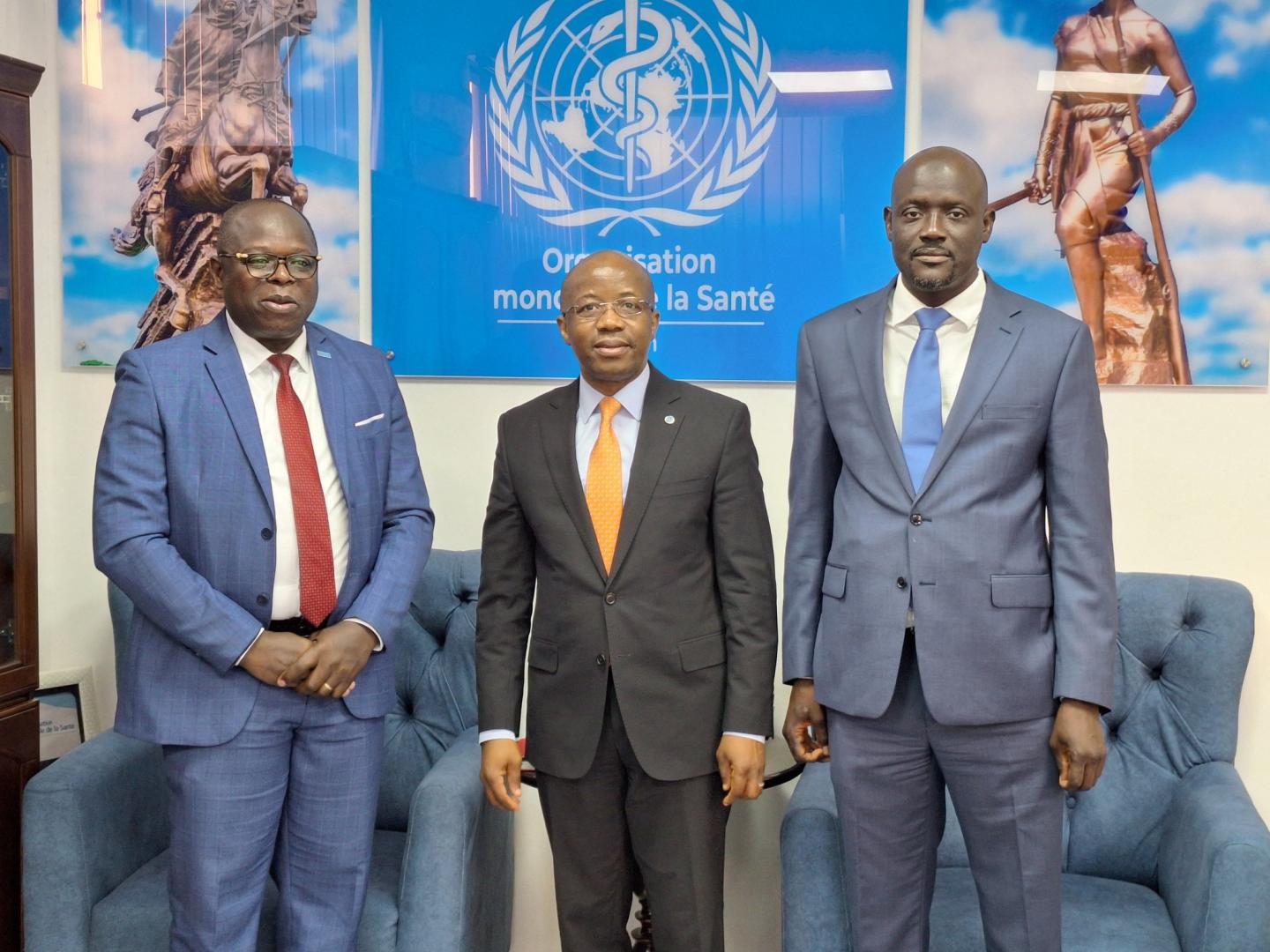
Driving Health Impact Together: UNICEF WCAR Leadership Engages with WHO Benin
Nigeria Launches Integrated Health Services to Enhance Outcomes for Vulnerable Populations

Abuja, In a strategic effort to strengthen health systems and improve access to essential services, Nigeria’s Federal Ministry of Health and Social Welfare (FMHSW) has launched a collaborative initiative to integrate sexual and reproductive health and rights (SRHR) with communicable disease interventions.
Africa rallies new financing models to shield communities from climate-driven health crises
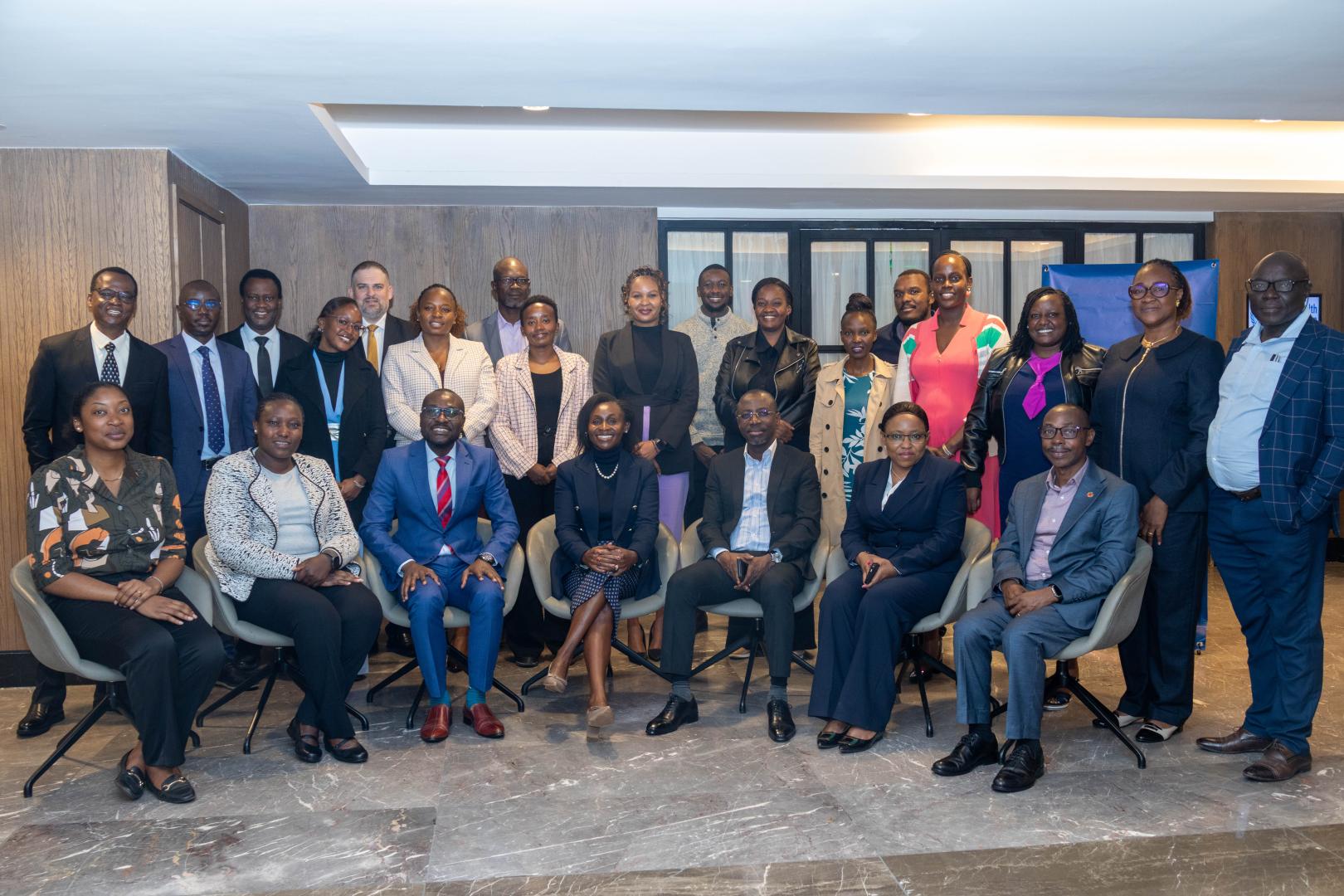
Botswana Medicines Regulatory Authority conducts five-day assisted self-benchmarking exercise
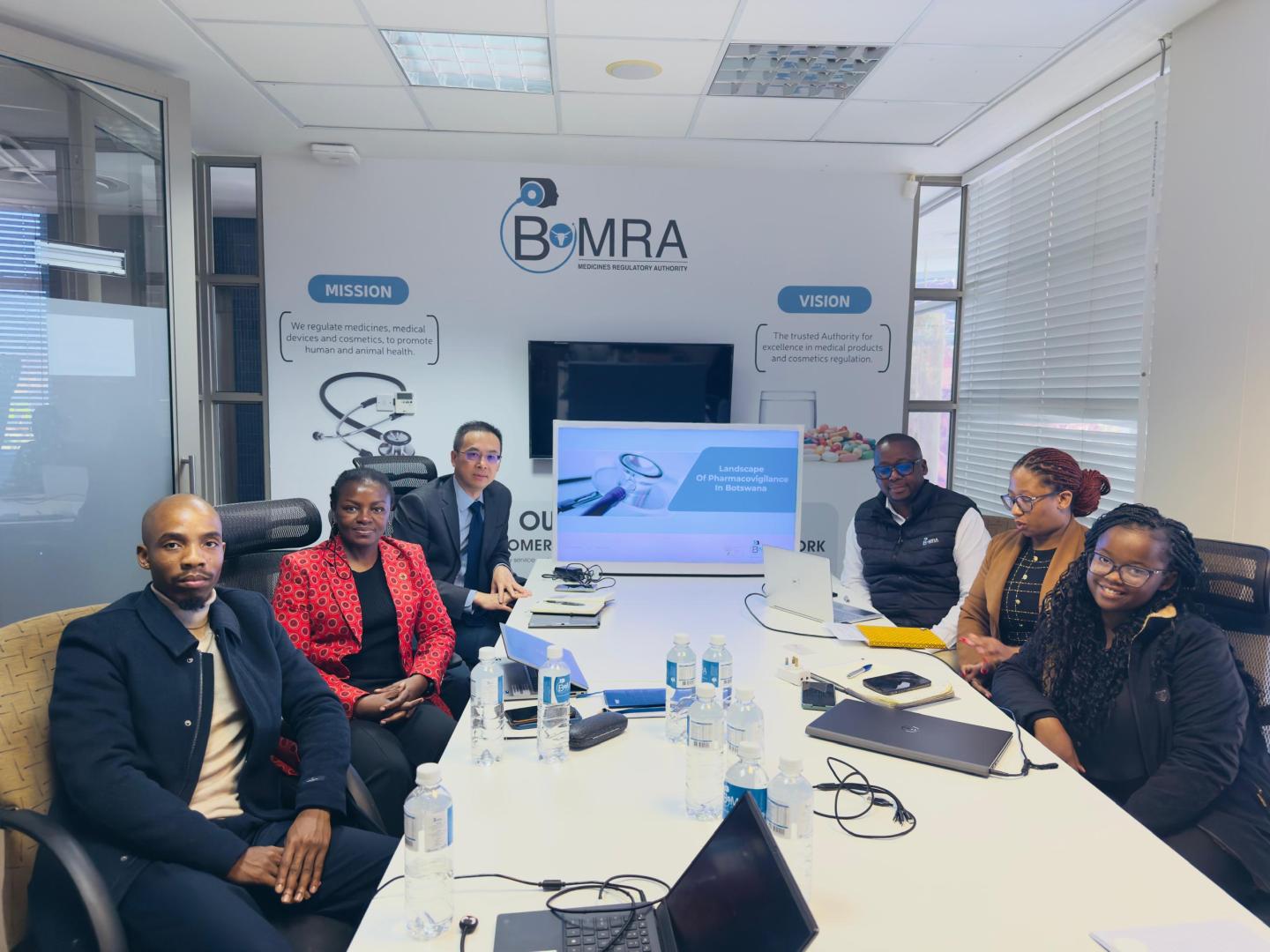
Gaborone—The Botswana Medicines Regulatory Authority (BoMRA) successfully concluded a five-day assisted self-benchmarking exercise from 11 to 15 August 2025, with the support of the World Health Organization (WHO). The assessment, conducted using the WHO Global Benchmarking Tool (GBT), reviewed all regulatory functions to guide BoMRA’s journey toward achieving WHO Maturity Level 3 (ML3), the global standard for an integrated, fully functional pharmaceutical regulatory system.
WHO strengthens support for the health response in São Vicente following floods
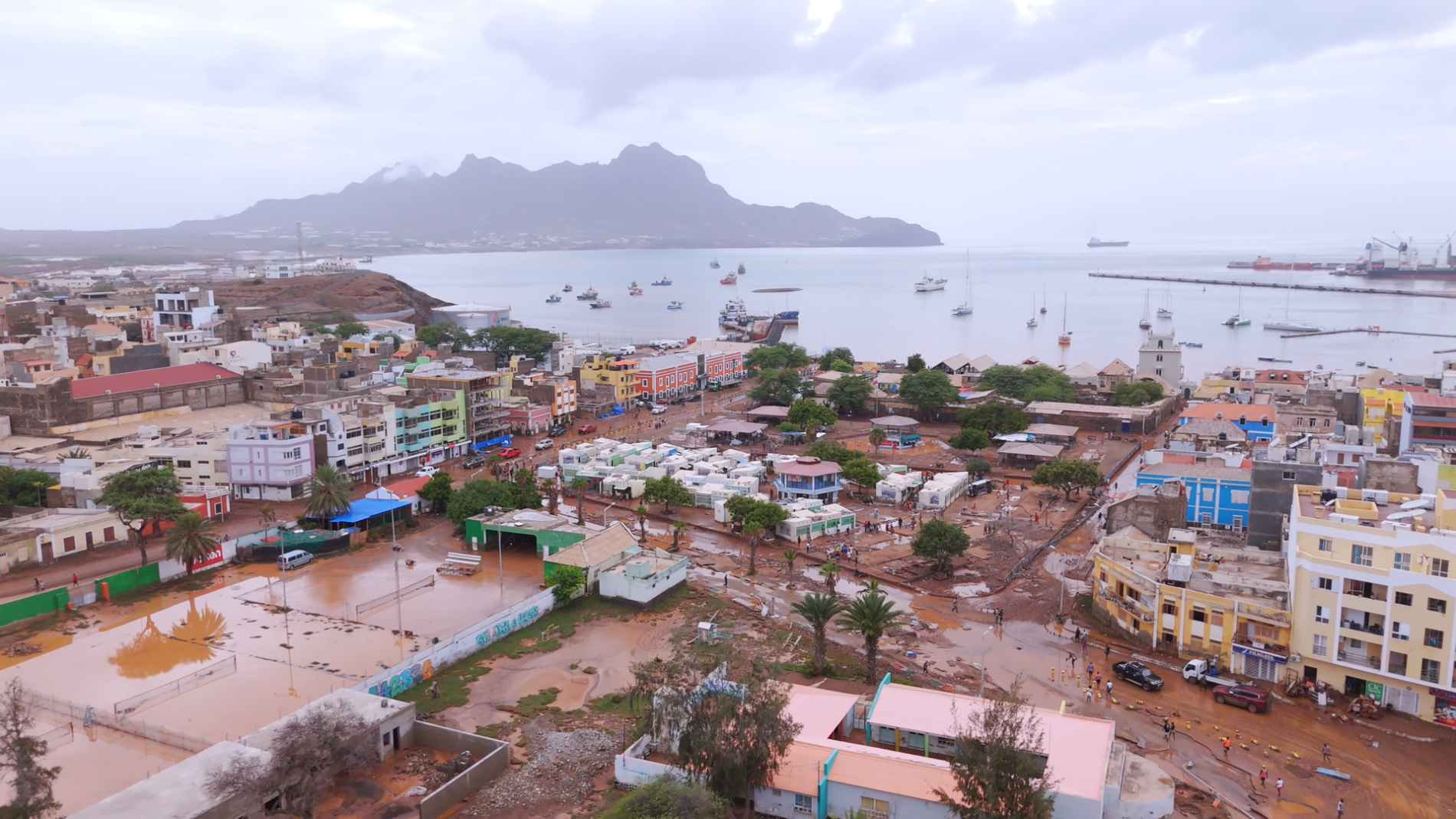
The World Health Organization (WHO) in Cabo Verde has strengthened its presence and technical support on the island of São Vicente following the severe floods that affected several communities, including the locality of Salamansa, where three children tragically lost their lives. The visit to the local health post marked a moment of active listening, technical assessment, and strategic guidance to mitigate post-disaster health risks.
From genome to action: Building Sierra Leone’s next generation of genomic leaders for public health resilience beyond mpox
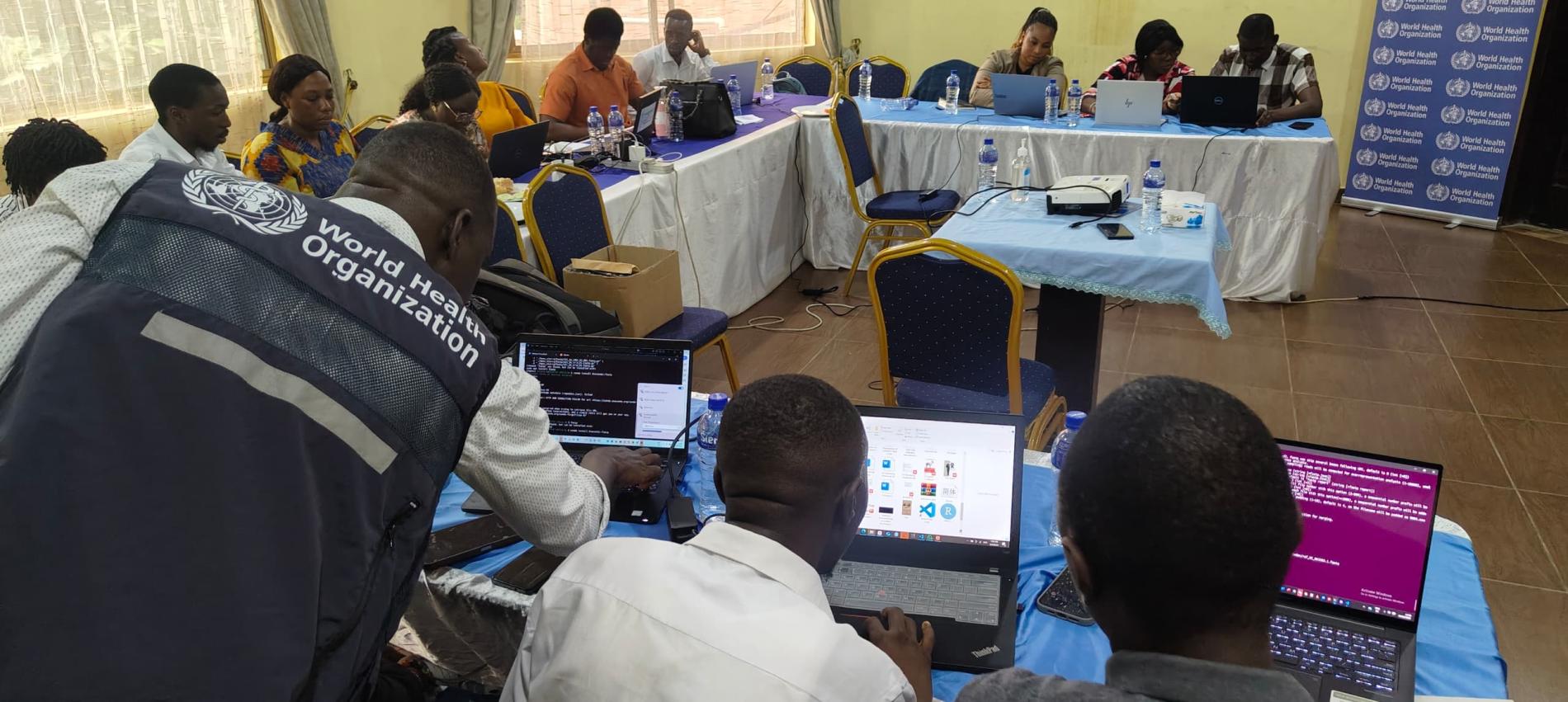
Freetown, Sierra Leone, August 19, 2025 – Sierra Leone has taken an important step in strengthening its public health system by hosting a two-week national workshop on DNA sequencing and bioinformatics from August 4 to August 15, 2025 in Freetown. The training, held under the theme “From Genome to Action: Enhancing Mpox Surveillance through Sequencing and Bioinformatics in Sierra Leone,” was supported by the World Health Organization (WHO).
Angola launches strategic initiative to strengthen public health communication
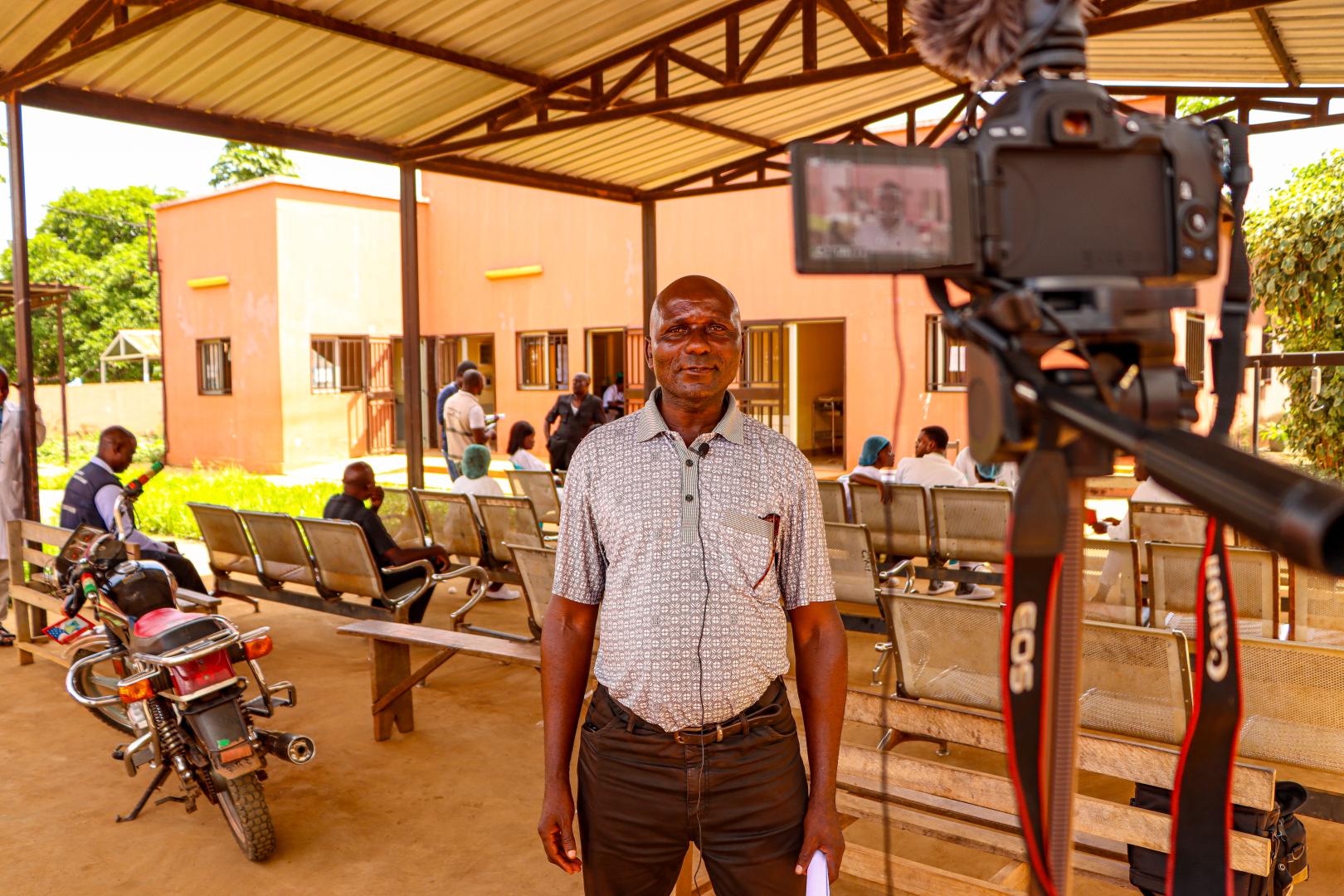
The Ministry of Health (MOH), the World Health Organization (WHO), and the United Nations Children's Fund (UNICEF), with the support of the European Union, will hold a national training session on August 20 at the Journalist Training Center (CEFOJOR) dedicated to the role of the media in managing public health crises.
Mpox in Malawi: A Community Effort That Proved It Can Be Beaten

A safe space to nourish: WHO Uganda champions breastfeeding at the workplace
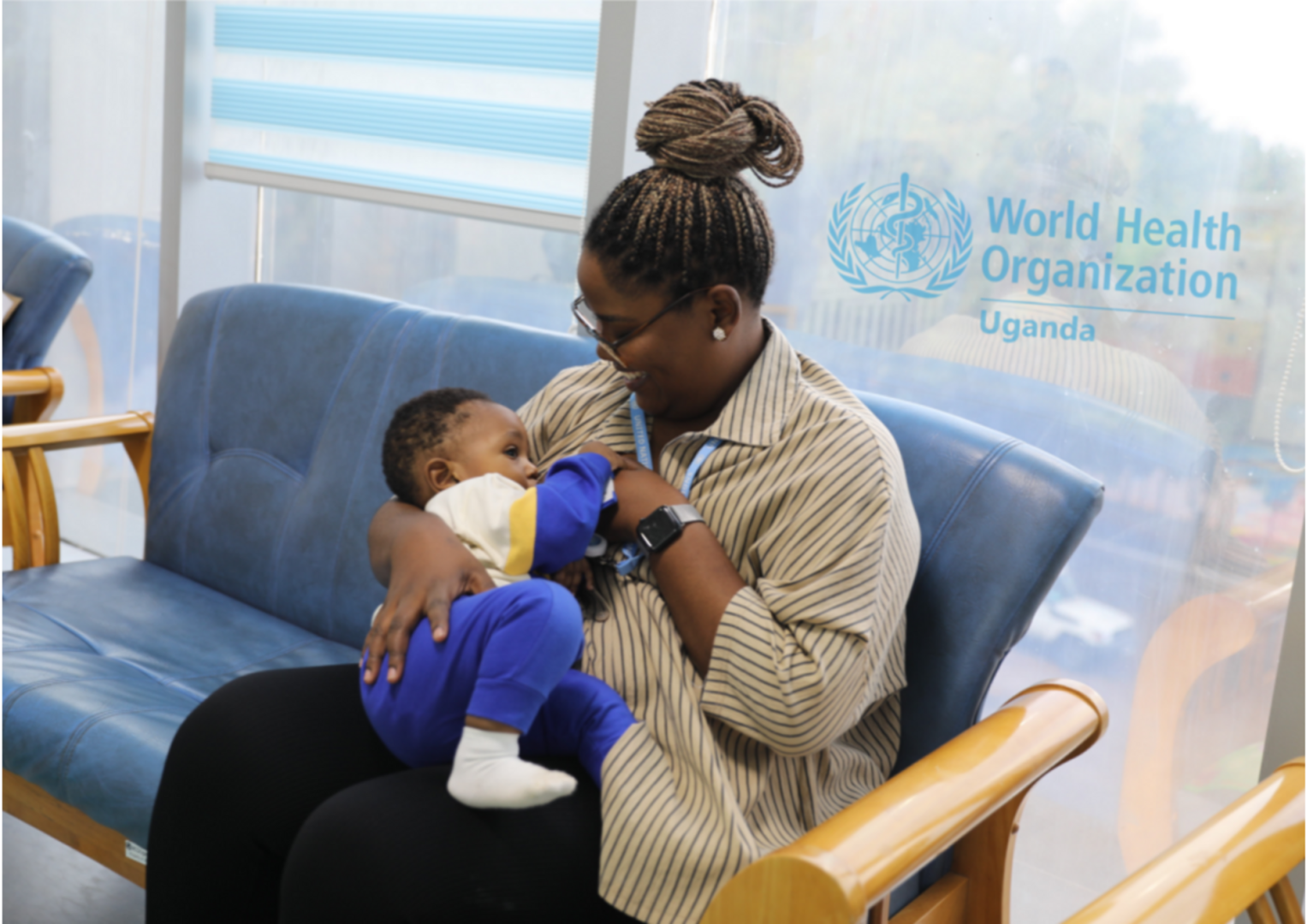
Invest in breastfeeding, invest in the future!
Breastfeeding isn’t just a personal choice—it’s a public health investment. Breast milk nurtures stronger immune systems, reduces childhood illnesses and supports lifelong health, that reduces burdens on health systems. By supporting breastfeeding at work, we are building healthier families, communities, and workforces.