Helinda’s commitment: A nurse’s frontline role in Sierra Leone’s mpox response
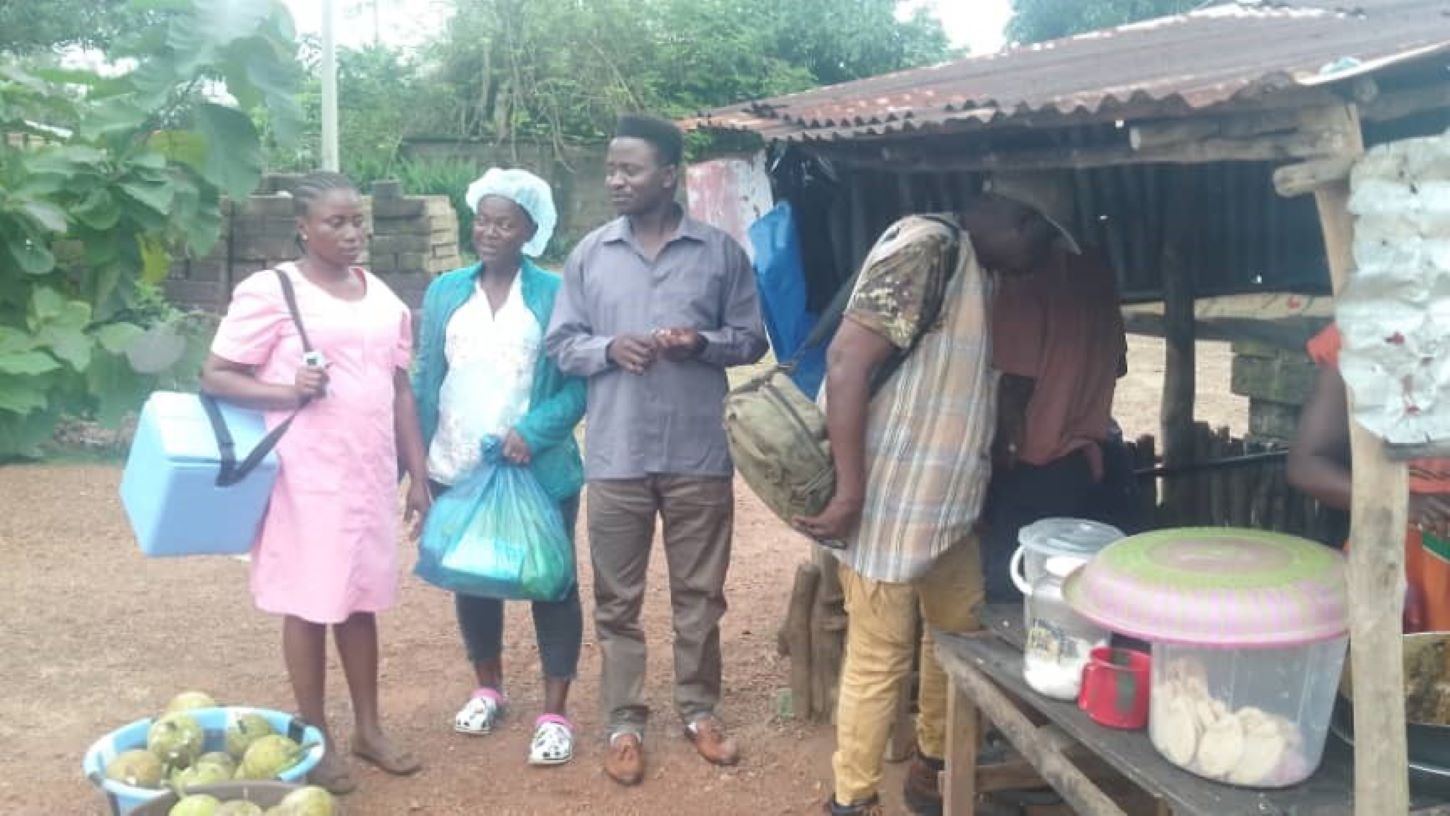
Pujehun District, Sierra Leone – August 2025
Helinda Saffiatu Sandi is no stranger to the challenges of public health service delivery. At 37 years old, the trained nurse from Pujehun Government Hospital has dedicated the past five years to caring for her community, first at a Peripheral Health Unit (PHU), and now as a member of the District Health Management Team (DHMT). Her story is one of perseverance, community trust-building, and deep commitment to disease prevention.
From Crisis to Coordination: How the Response to Cholera is Saving Lives
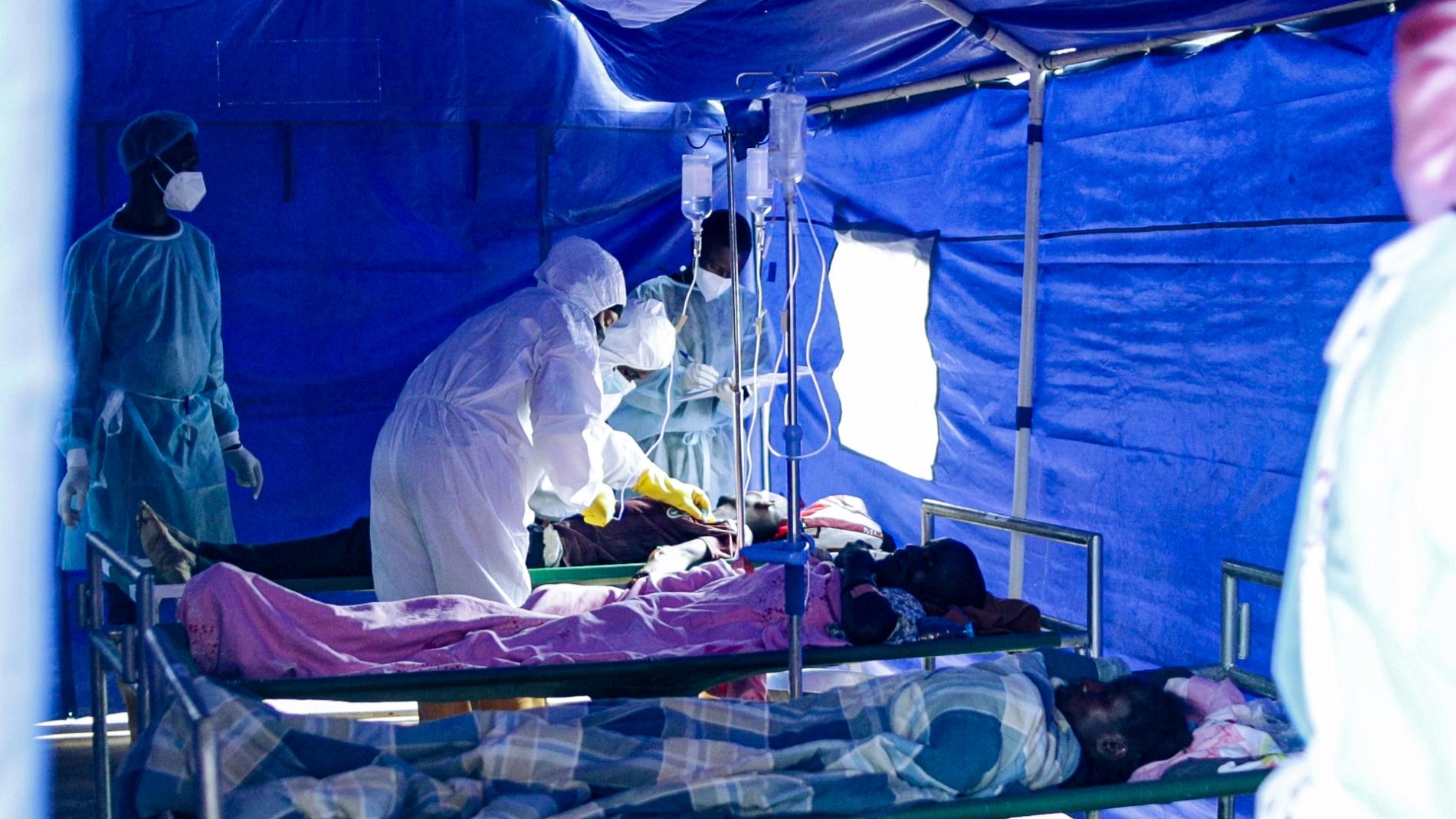
This opinion piece was first published in Jornal de Angola, a copy of which can be found here: https://www.jornaldeangola.ao/noticias/9/opini%C3%A3o/644043/da-crise-%C3%A0-coordena%C3%A7%C3%A3o:-como-a-resposta-%C3%A0-c%C3%B3lera-est%C3%A1-a-salvar-vidas-
By Dr Indrajit Hazarika, WHO Representative in Angola
Ethiopia Completes Second Round of nOPV2 Campaign, Reaching Over 16.8 Million Children with Integrated Health Services
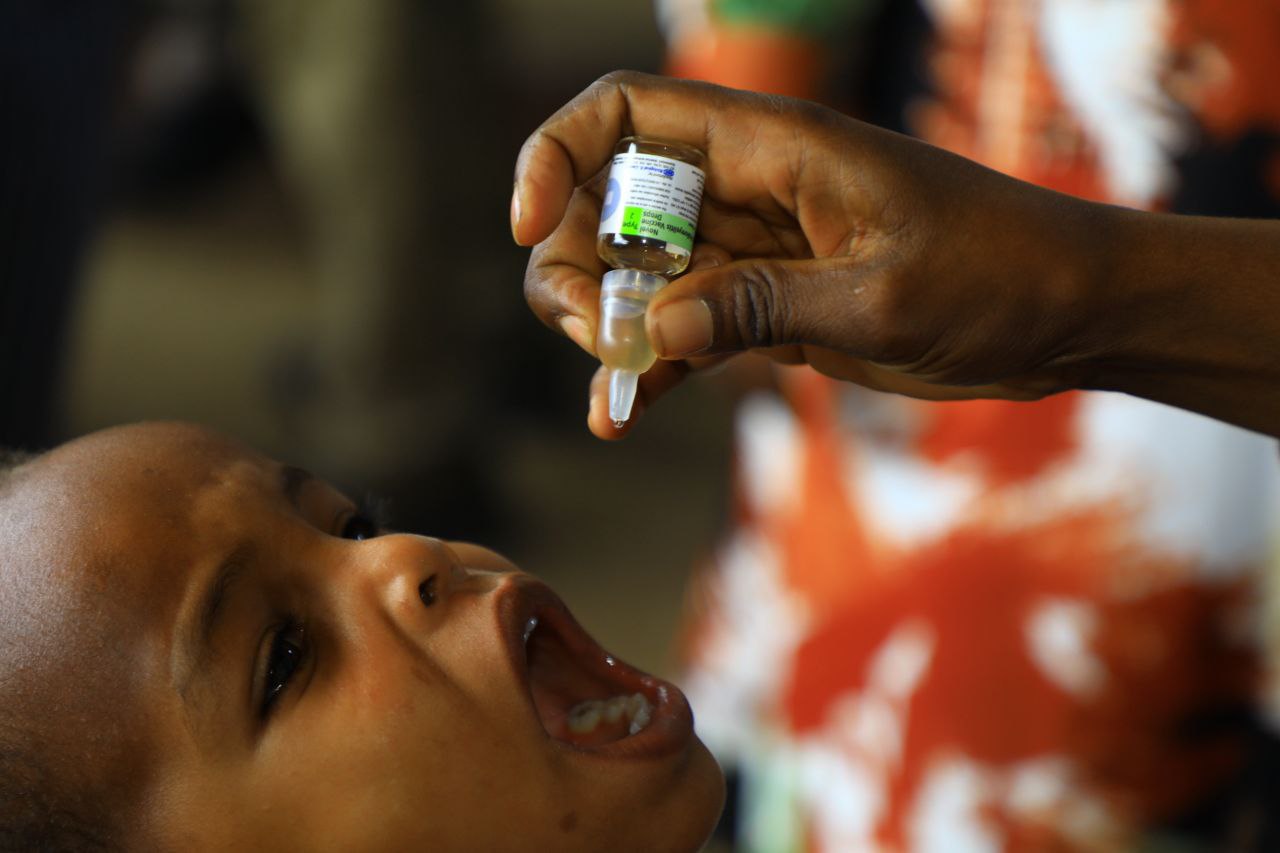
Ethiopia has successfully concluded the second round of its nationwide novel oral polio vaccine type 2 (nOPV2) campaign, reaching more than 16.8 million children across ten regions. Led by the Ministry of Health and the Ethiopian Public Health Institute and supported by the World Health Organization (WHO), UNICEF, Rotary International, and other immunization partners, the campaign was conducted from 30 May to 2 June 2025.
WHO conducts technical mission to strengthen schistosomiasis medicine management in Zimbabwe
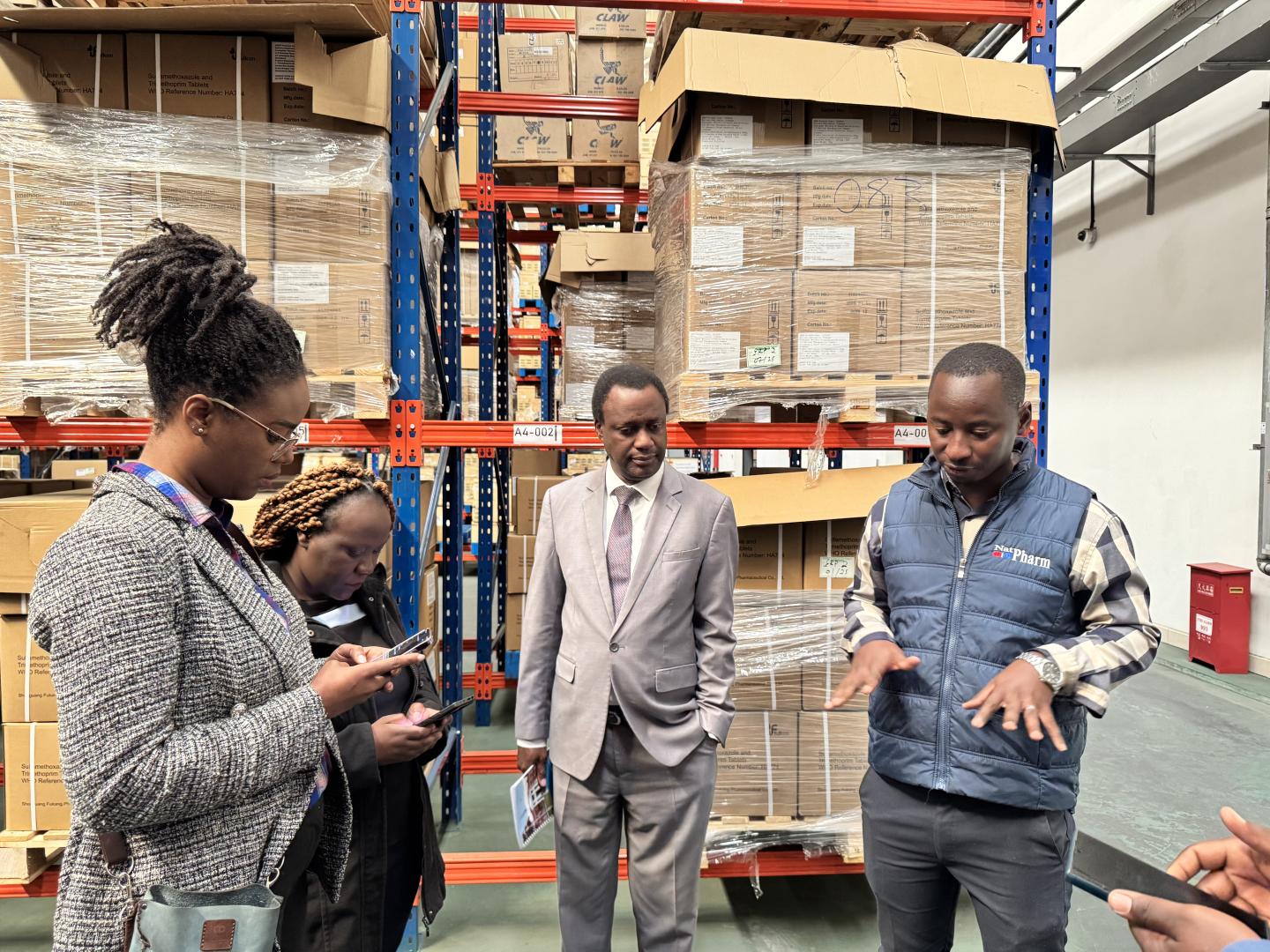
Harare—World Health Organization (WHO)'s Regional Office for Africa (AFRO), through the Expanded Special Project for the Elimination of Neglected Tropical Diseases (ESPEN), conducted a joint technical mission to Zimbabwe from 7-11 July 2025.
Ethiopia's Integrated Measles Campaign Reaches 18.5 Million Under-Five Children
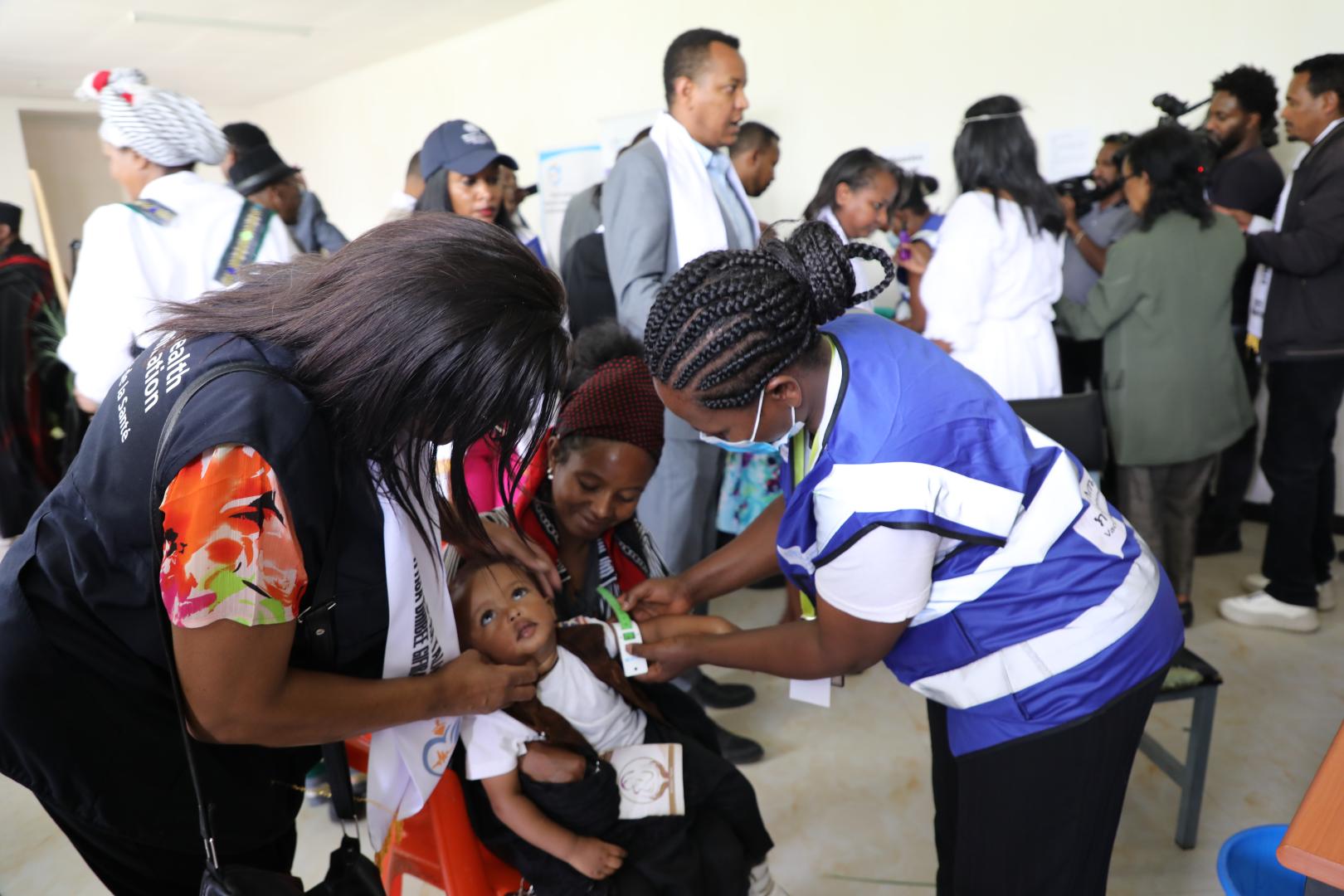
Ethiopia has successfully completed its 2025 nationwide integrated measles campaign, reaching an impressive 18,570,244 children—99% of the targeted population. The ten-day campaign kicked off on 14 May 2025 across 12 regions, while Somali Region and Addis Ababa City Administration launched on 21 May and 26 May, respectively. The national launch event took place in Bishoftu, Oromia Region, led by the Ministry of Health in close collaboration with partners, community members, and political leaders.
Strengthening Tanzania’s RCCE Capacity: Subnational Training Equips Frontline Responders for Health Emergencies
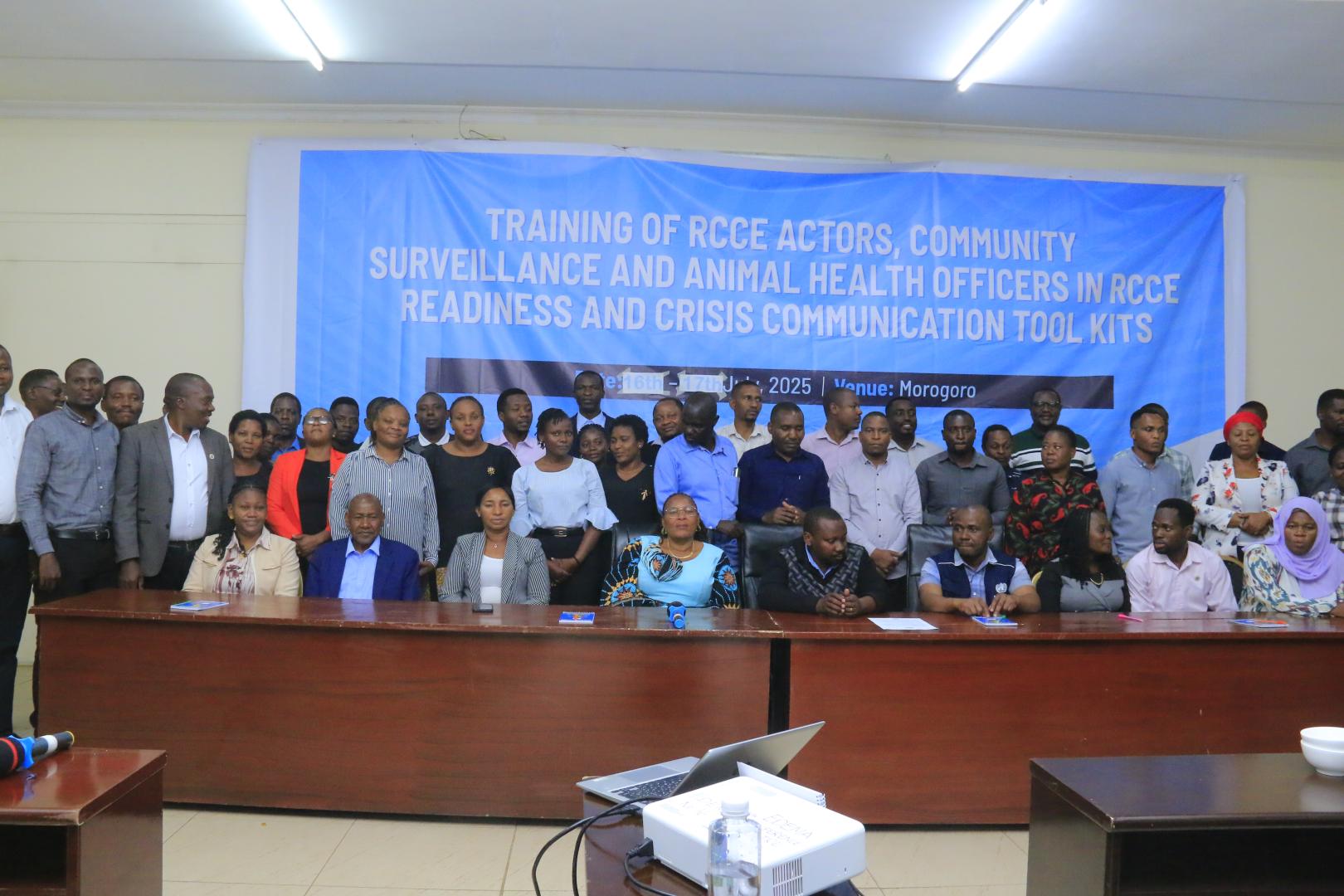
Morogoro: In a significant stride toward strengthening Tanzania’s health emergency preparedness, the World Health Organization (WHO), in collaboration with the Ministry of Health and funding from UK in Tanzania, conducted a two-day Risk Communication and Community Engagement (RCCE) training workshop.
Taxation for health: A Necessary Step for Public Health in Cameroon
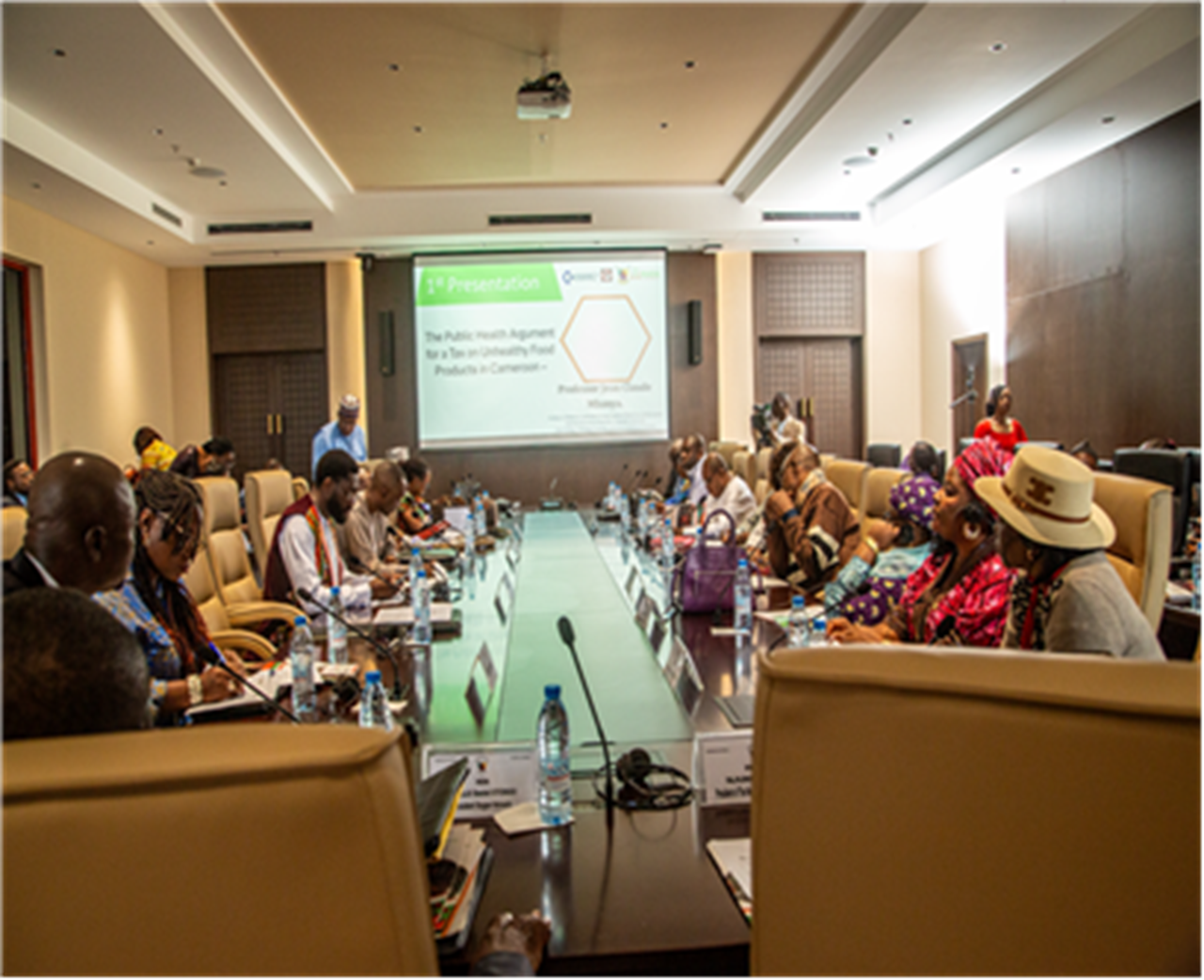
On July 25, 2025, the Palais de Verre Paul Biya in Yaounde, Cameroon, hosted a high-level seminar addressing the urgent need to regulate and tax unhealthy food products.
WHO Director-General and the Regional Director for Africa begin official visit to Ghana ahead of Africa Health Sovereignty Summit
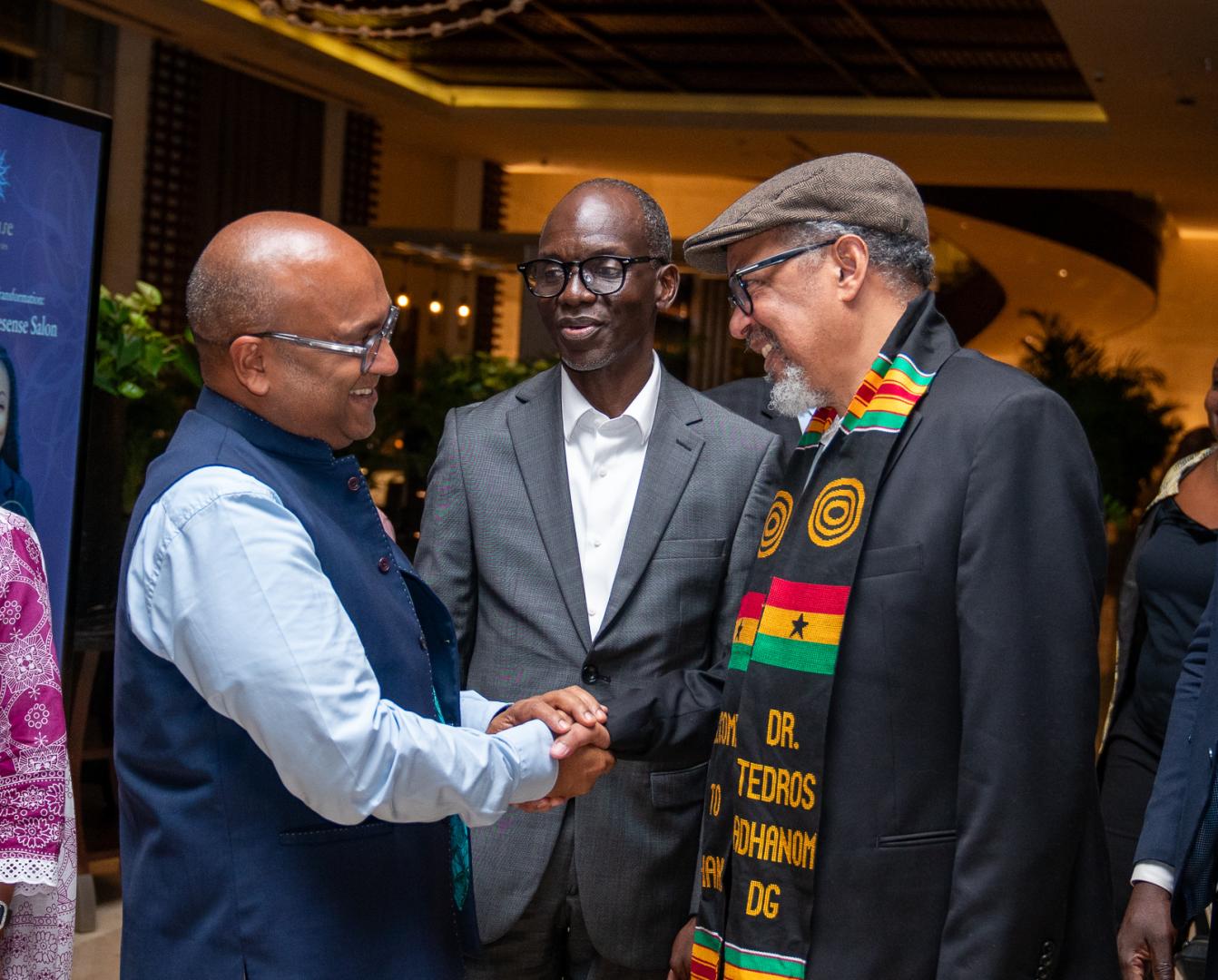
Accra, Ghana – The Director-General of the World Health Organization (WHO), Dr Tedros Adhanom Ghebreyesus, and the WHO Regional Director for Africa, Dr Mohammed Yakubu Janabi, have commenced an official visit to Ghana from 4–6 August 2025.
2025 African Vaccination Week: Strengthening outreach efforts and accelerating progress under the Big Catch-Up Initiative
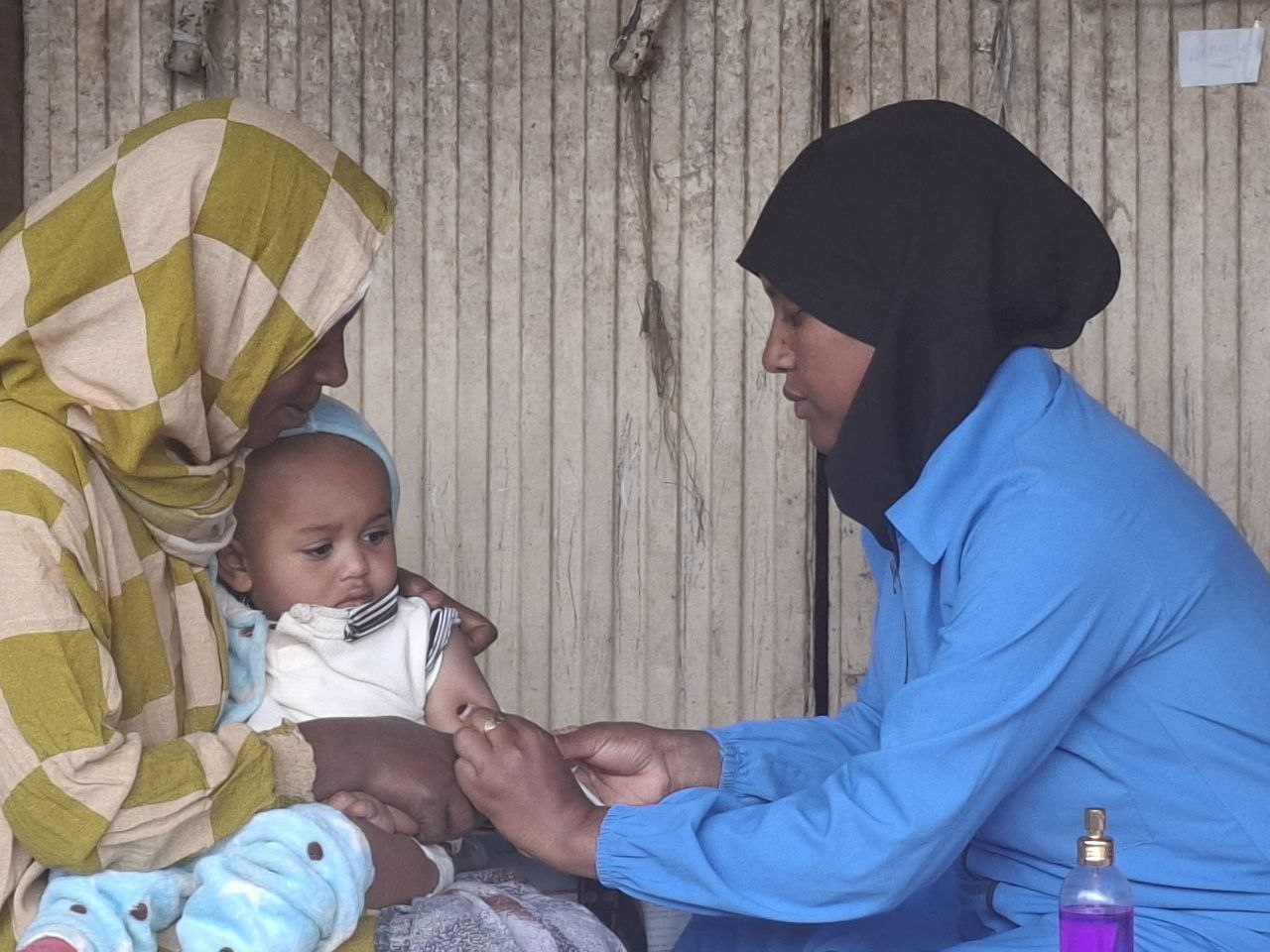
African Vaccination Week in Ethiopia marked a pivotal moment to advance the Big Catch-Up (BCU) initiative by raising awareness, engaging communities, and enhancing vaccination efforts. A high-level advocacy visit was conducted to an outreach vaccination session in an urban slum area, hosted by Addis Ababa City Administration Health Bureau in collaboration with Woreda 03 Health Center of Kolfe Keranyo sub city.
Cameroon Takes Bold Steps to Revitalize Emergency Medical Services
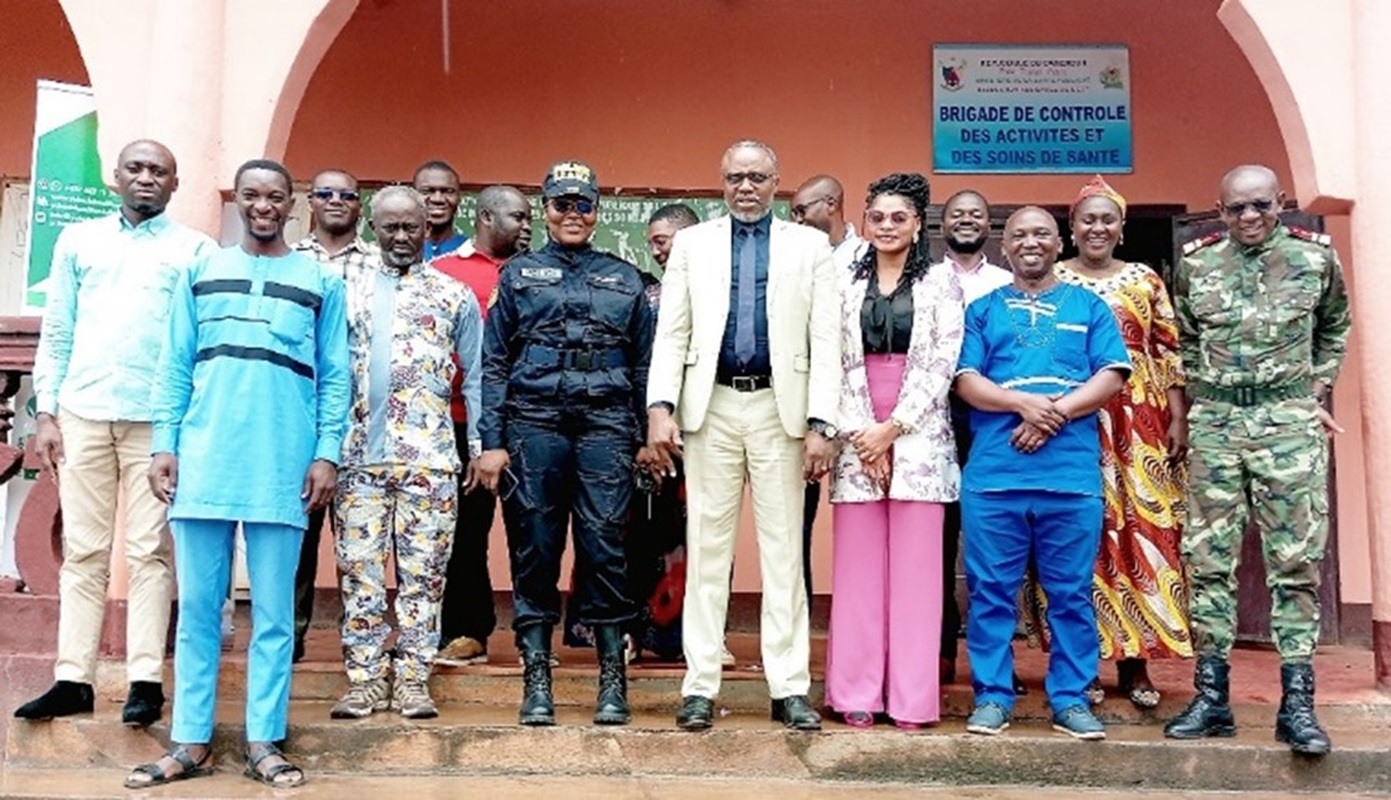
Cameroon is embarking on a transformative journey to revamp its emergency medical services (EMS) system, marking a significant milestone in public health. The Ministry of Public Health, with the unwavering support of the World Health Organization (WHO) and the Korean International Cooperation Agency (KOICA), has validated the 2024 evaluation report that sheds light on the critical state of emergency care across the nation.