Kenya National Guidelines for the management of epilepsy launched

26 March 2014, Nairobi – Today makes another historical day in Kenya by the launch of the National Guidelines for the Management of Epilepsy. The event was graced by Ministry of Health Principle Secretary Prof. Fred Segor and attended by other dignitaries including the WHO Country Representative Dr Custodia Mandlhate.
2014 WORLD TB DAY: WHO donates gene expert machines to government
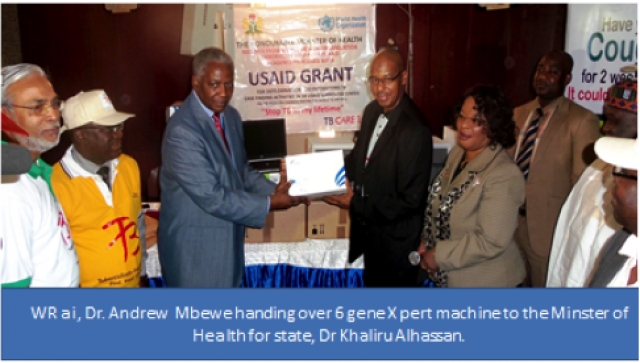
The World Health Organization has donated GeneXpert MTB/RIF machines, cartridges and other backup power accessories to the Federal Government of Nigeria through the Honorable Minister of State for Health Dr. Khaliru Alhassan in order to facilitate early detection and control of tuberculosis (TB).
Sierra Leone Disseminates WHO Framework Convention on Tobacco Control Assessment Report

Background
The World Health Organization Framework Convention on Tobacco Control (WHO FCTC) is the first international health treaty negotiated under the auspices of the WHO and was adopted by the World Health Assembly in May 2003. It has since become one of the most widely and rapidly embraced treaties in the history of the United Nations, with 176 Parties to date.
The Republic of Sierra Leone ratified the WHO FCTC on 22 May 2009 as the 165th country to do so. The Convention entered into force for Sierra Leone on 20 August 2009.
National malaria elimination programme reviews progress in Nigeria

The Honourable Minister of Health, Prof C.O.Onyebuchi Chukwu, has through the National Malaria Elimination Programme (NMEP), hosted a 4-day Annual Review Meeting (ARM) of Malaria Programme managers from 17th – 20th March, with the theme; Sustaining the Push towards Malaria Elimination in Nigeria.
Sierra Leone launches Human Papilloma vaccination demonstration project

Cervical cancer is common in women and is responsible for an estimated 530,000 cases and 275,000 deaths yearly globally. The incidence in Sierra Leone is estimated at 670 cases and 466 deaths annually. A comprehensive approach to cervical cancer control includes, immunization of girls ages 9-13 years, screening for precancerous lesions in women and treatment, as well as palliative care for women diagnosed with full blown cervical cancer disease.
IDSR clinician sensitization For Hospitals

Sierra Leone introduced the implementation of Integrated Disease Surveillance and Response (IDSR) strategy in 2004 and since then districts are reporting on a weekly basis. However, data collected does not capture information from hospitals.
Preparations to conduct National Micronutrients Survey

Background
Micronutrient deficiencies are a common public health challenge affecting all age groups in developing countries. It may lead to adverse health consequences as well as infant and maternal mortality.
WHO Sierra Leone Staff trained in global

Staff of WCO Sierra Leone went through a four day intensive training on the Global Management System (GSM). The GSM is a single and integrated management tool introduced to support the delivery of WHO technical programs.
Training on the GSM is an ongoing activity essential to the productivity for staff mostly aimed at new staff but also for existing staff willing to enhance their skills and competency. GSM users need to be familiar with the GSM environment and other supporting systems.
Rwanda commemorates World TB Day
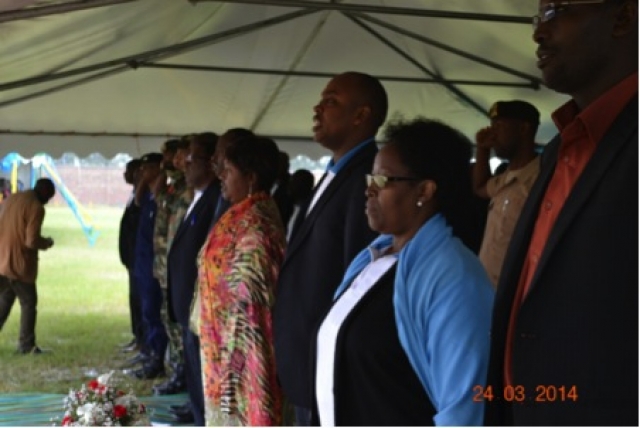
Monday 24th March 2014 was world TB Day. World TB Day was designed to commemorate the discovery of the TB causing bacteria, tuberculosis bacillus by Dr. Robert Koch in 1882. Currently, TB is still endemic in many nations around the world and affects 9 million people each year, and kills 1.3 million annually.
Ebola virus disease, Guinea (Situation as of 30 March 2014)
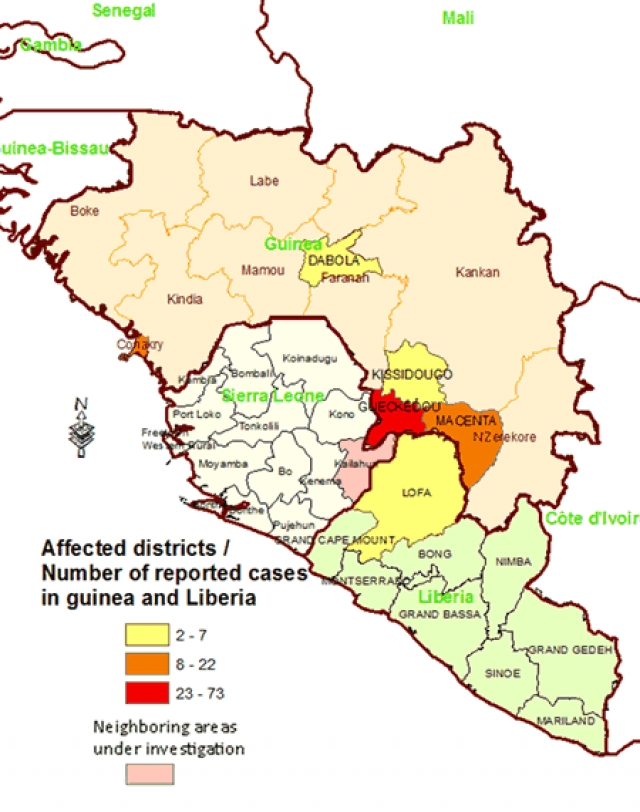 30 March 2014 – As of 28 March, the total number of suspected and confirmed cases in the on-going Ebola virus disease outbreak in Guinea has increased to 112, including 70 deaths (Case Fatality Rate 62.5%). New suspected cases have been reported from Conakry (4 cases), Guékédou (4), Macenta (1) and Dabola (1) prefectures.