Cameroon Takes Bold Steps to Revitalize Emergency Medical Services
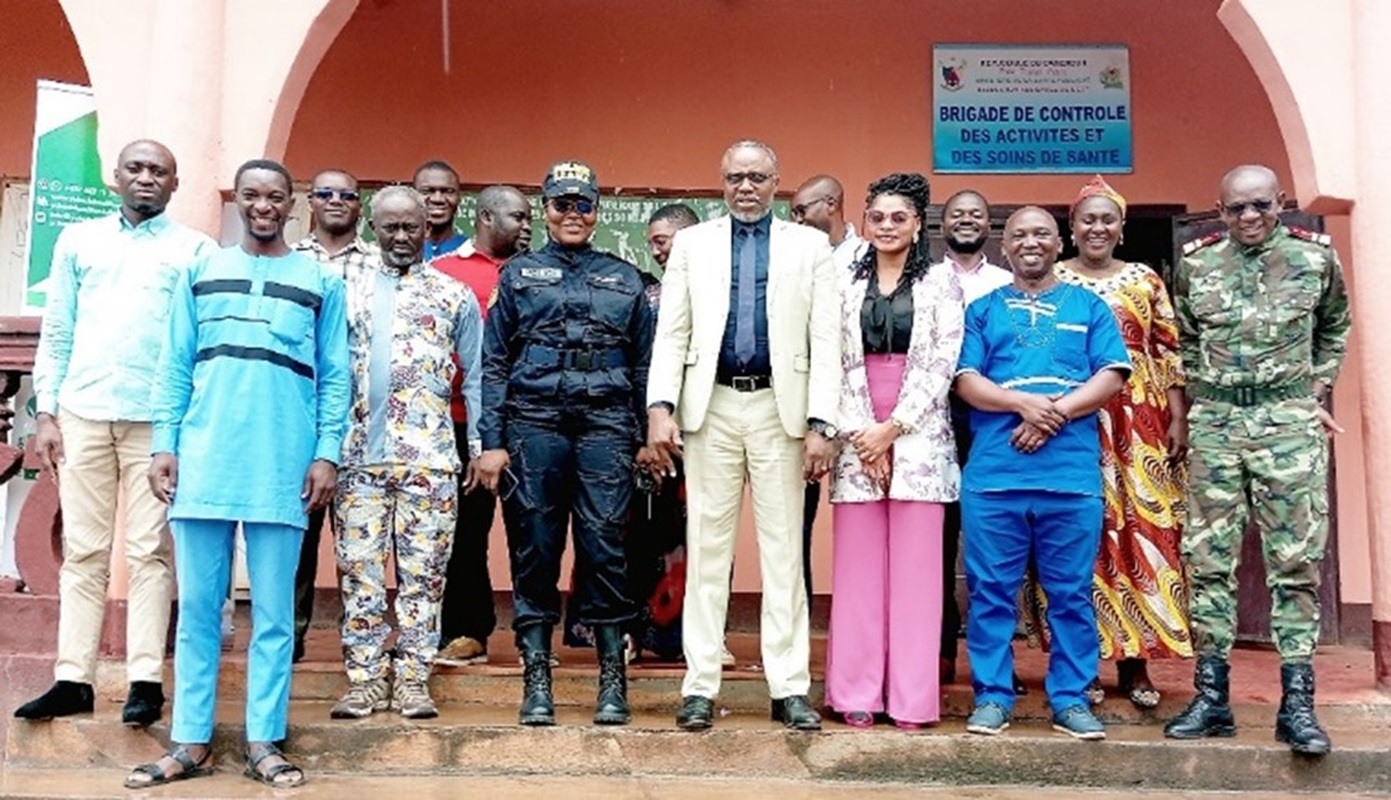
Cameroon is embarking on a transformative journey to revamp its emergency medical services (EMS) system, marking a significant milestone in public health. The Ministry of Public Health, with the unwavering support of the World Health Organization (WHO) and the Korean International Cooperation Agency (KOICA), has validated the 2024 evaluation report that sheds light on the critical state of emergency care across the nation.
Prioritize breastfeeding and create sustainable support systems: World Breastfeeding Week represents a critical moment to champion breastfeeding as fundamental to children's survival, growth and healthy development
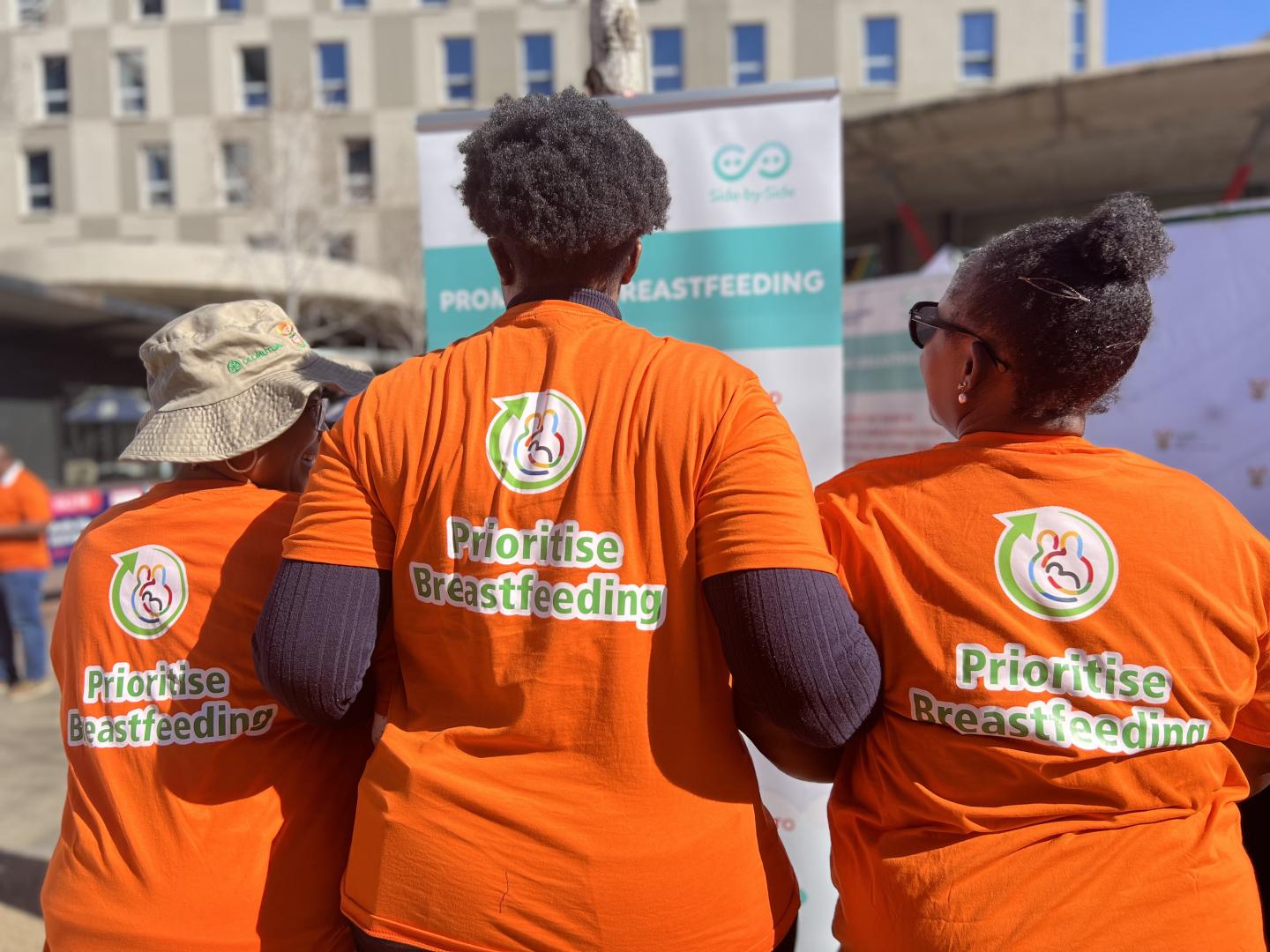
Pretoria—Breastfeeding is crucial as it is a baby's first vaccine, providing essential protection from diseases and supporting brain development. There is clear and compelling evidence that a decreased or lack of breastfeeding can seriously contribute to poor health, growth and development as well as the survival of infants, children and mothers.
Africa speaks out: WHO consultations bring urgency and hope to health worker migration crisis
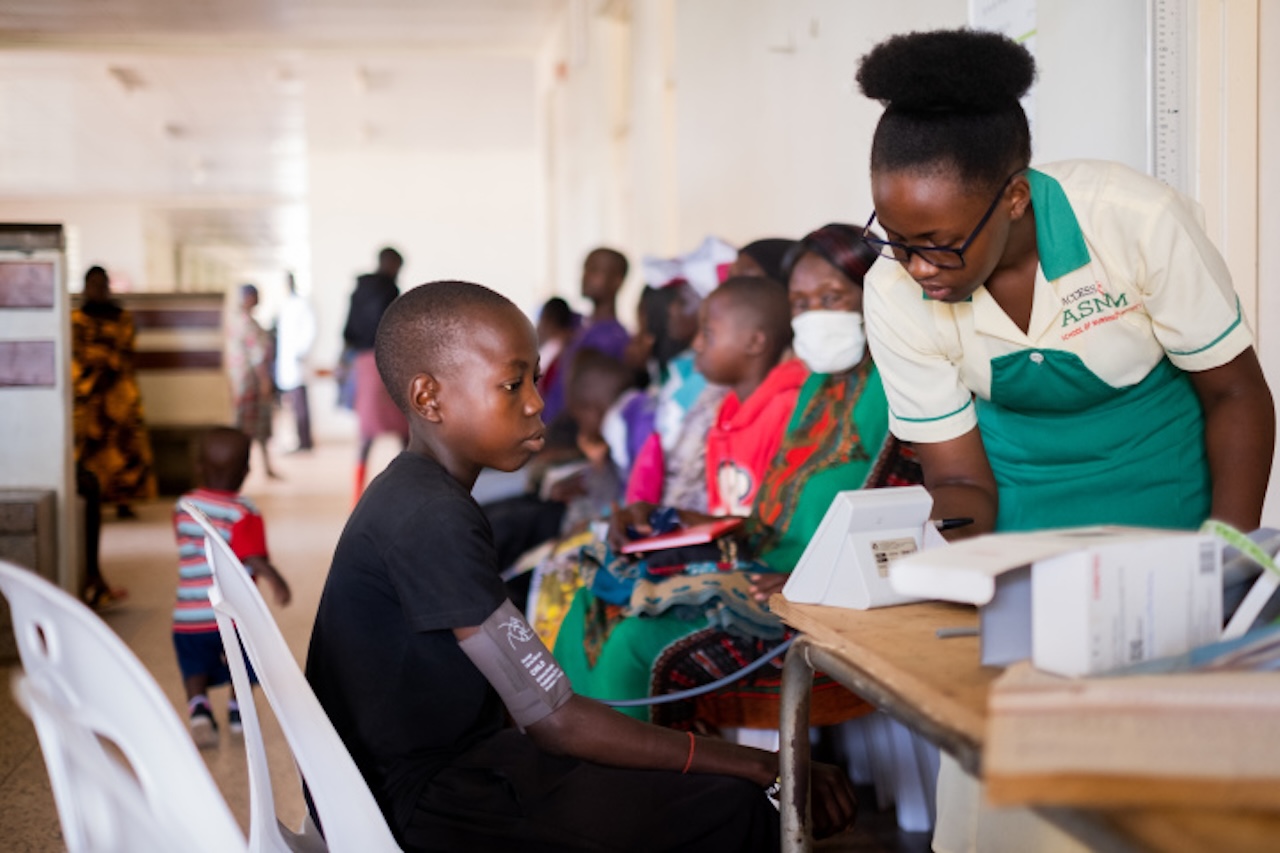
2025 ETHIOPIA HEALTH EMERGENCY INVESTMENT CASE
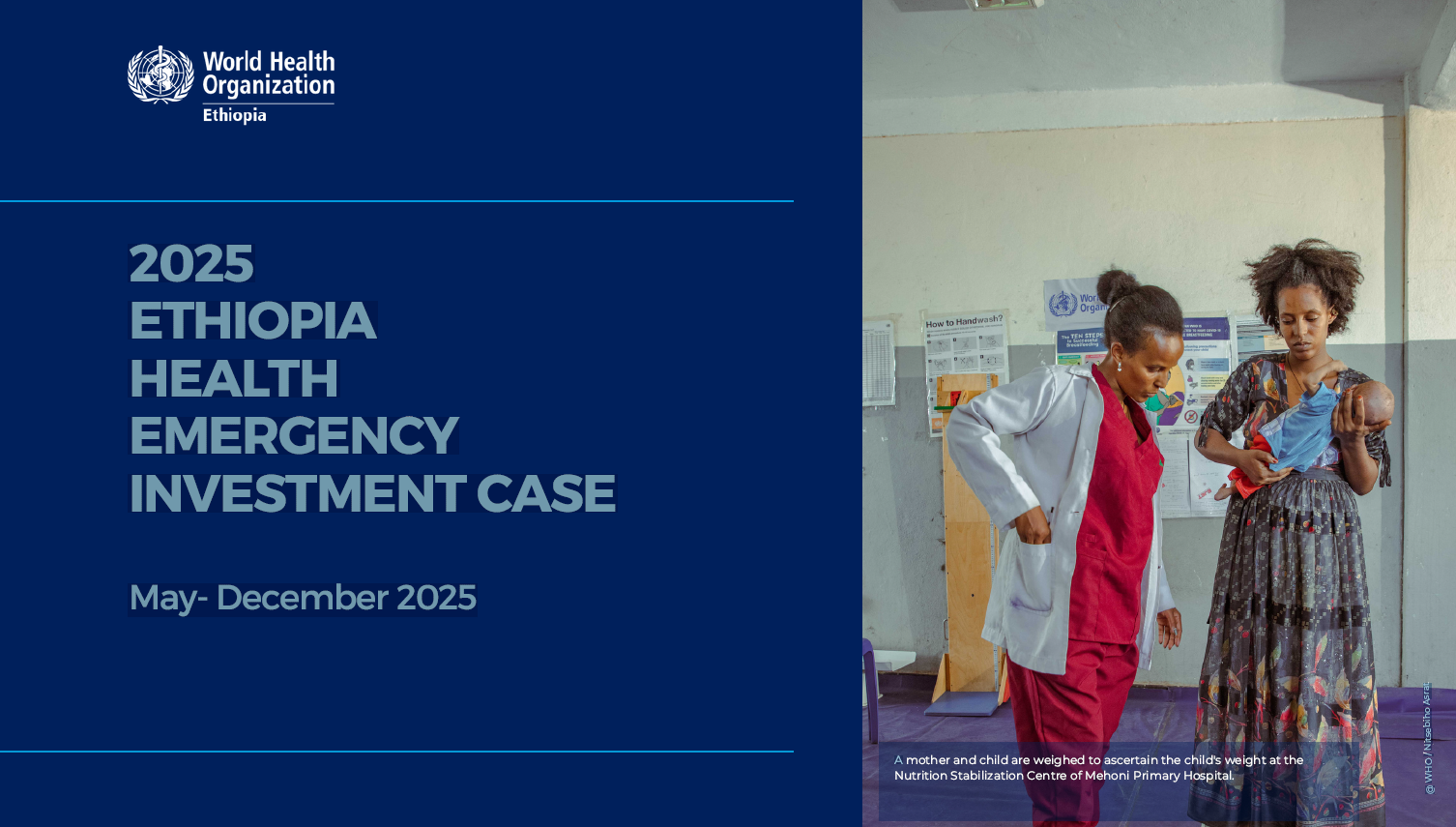
HUMANITARIAN OVERVIEW
Ghana Rallies Education Sector Ahead of National HPV Vaccine Rollout
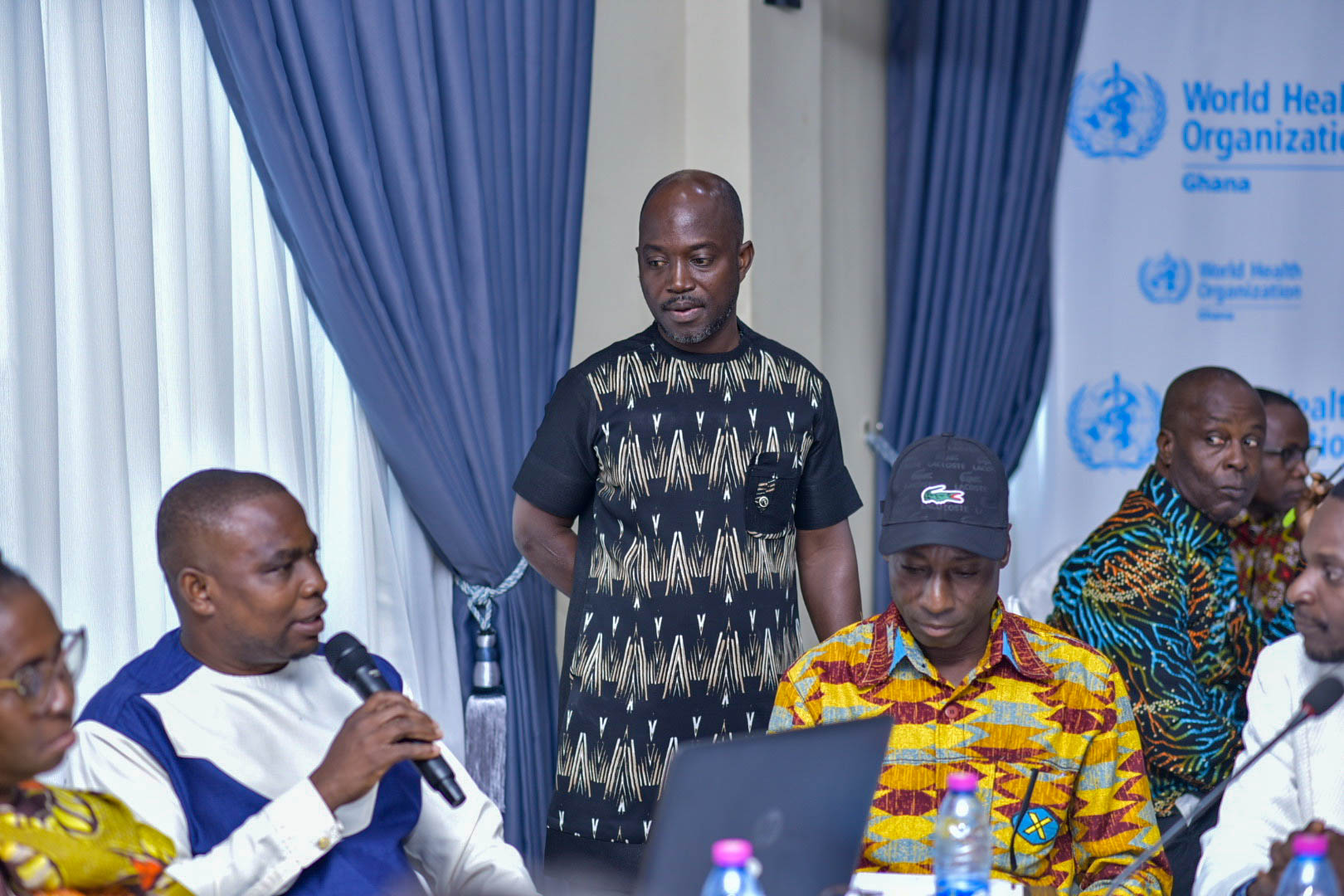
Cervical cancer is one of the leading causes of cancer-related deaths among women worldwide—despite being almost entirely preventable. Each year, over 600,000 women are diagnosed, and more than 340,000 die from the disease globally.
WHO Champions PRSEAH Training for Pandemic Fund Project Officers
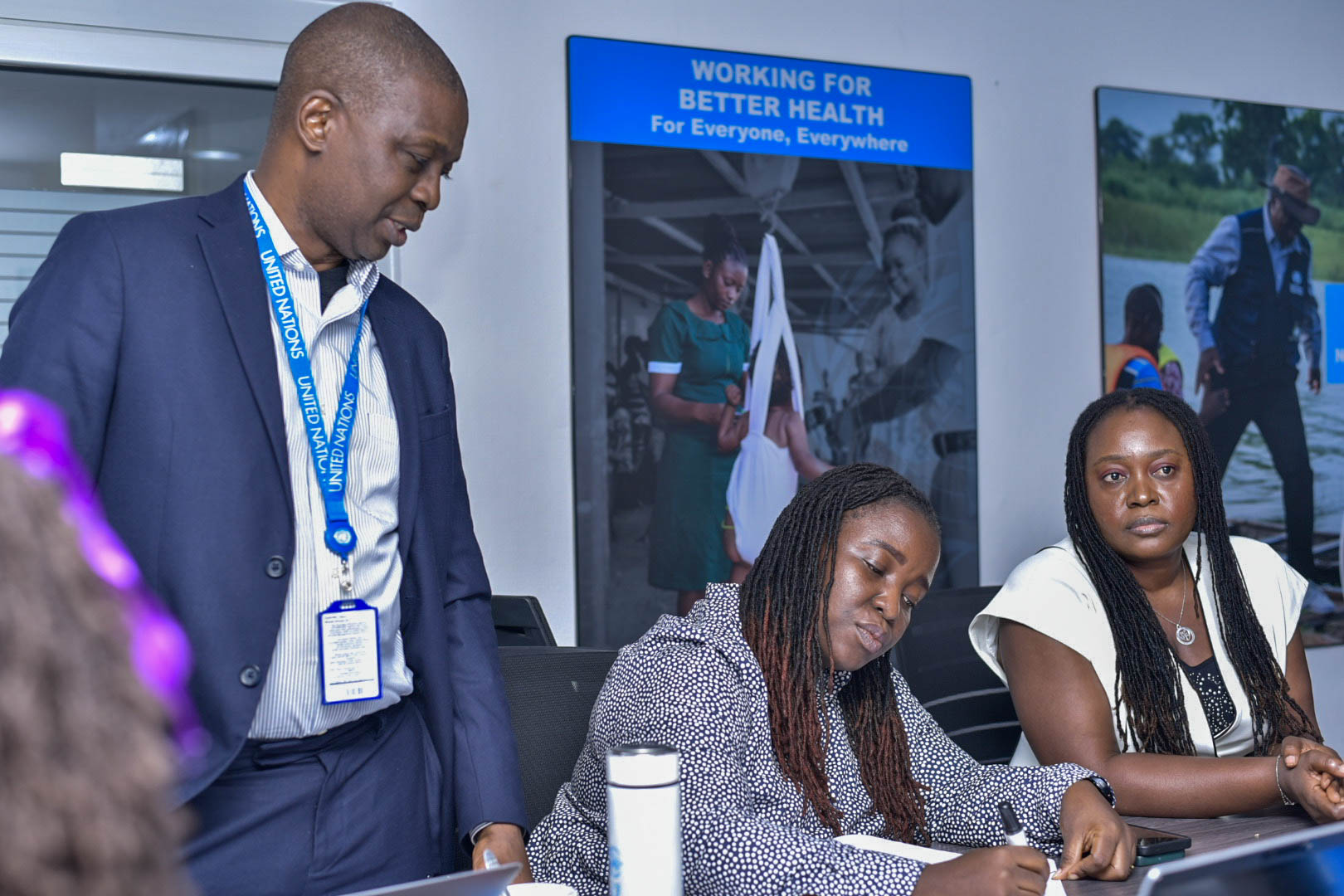
Sexual exploitation, abuse, and harassment (SEAH) have no place in development or health programming. Beyond the personal toll on survivors, such violations erode trust, compromise results, and undermine the very systems meant to serve the vulnerable. That’s why strengthening the capacity of programme officers to identify, prevent, and respond to SEAH is not just important—it’s essential.
Uganda strengthens emergency response capacity to prevent and respond to sexual exploitation, abuse, and harassment
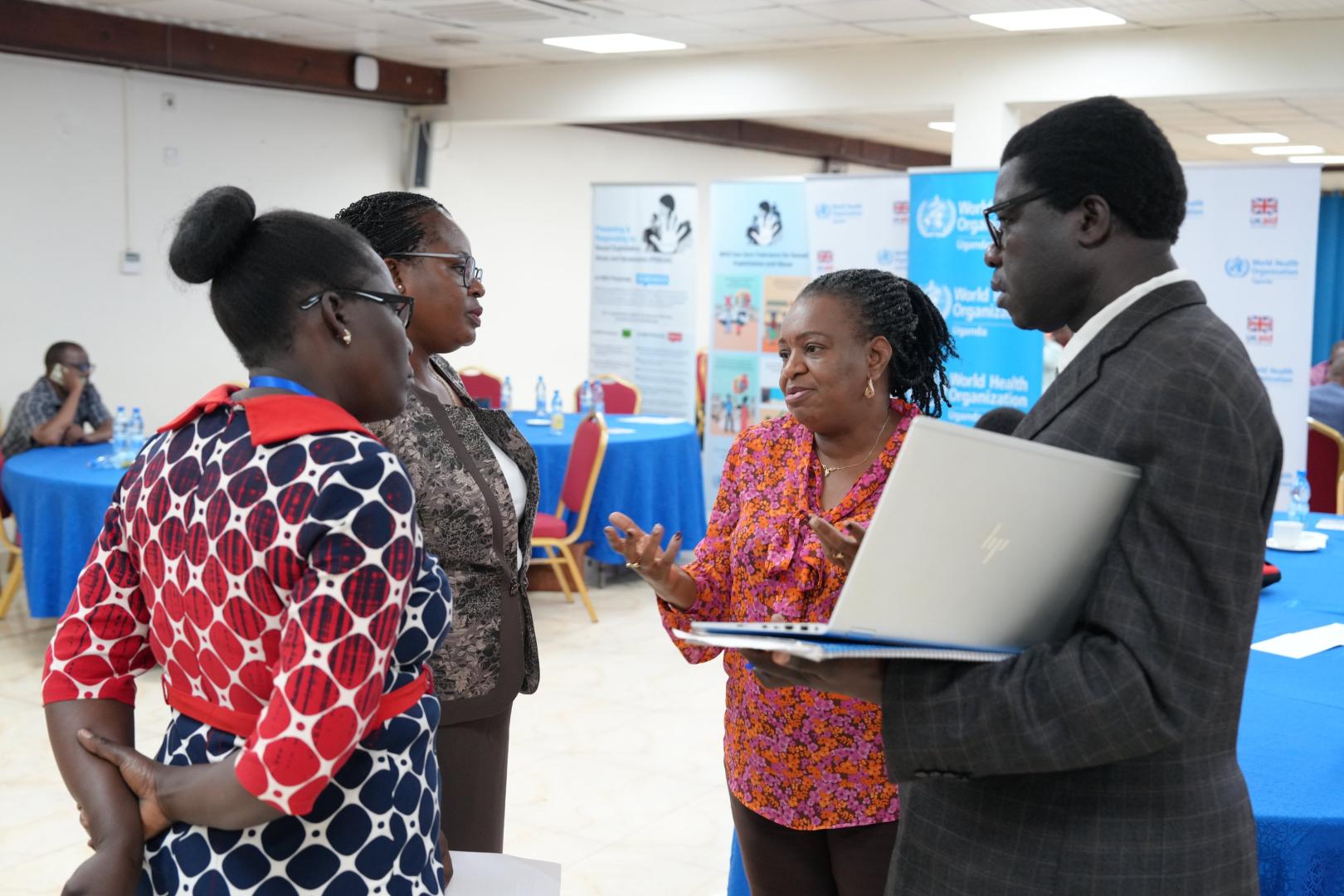
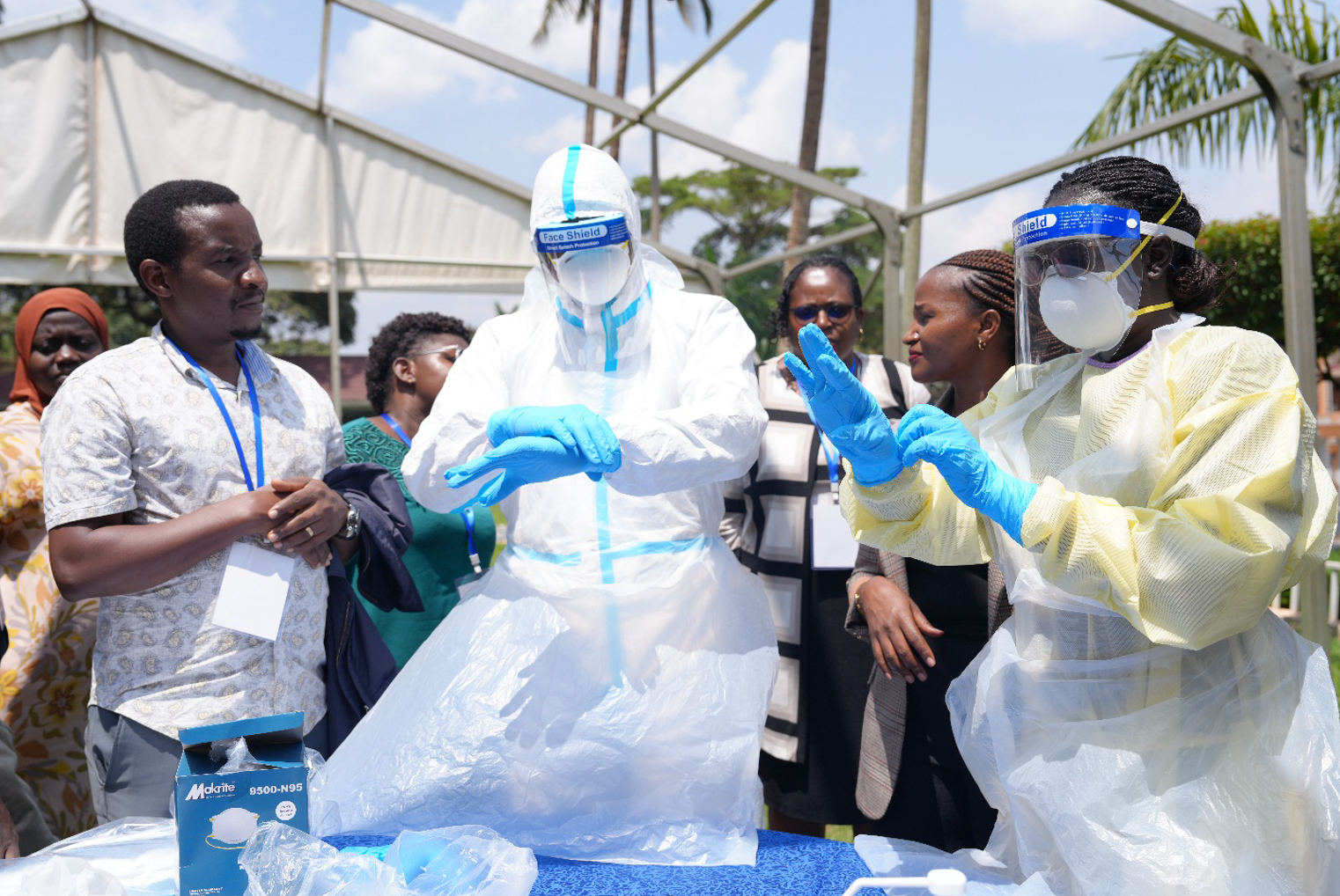
With support from the Foreign, Commonwealth and Development Office (FCDO), World Health Organization (WHO) collaborated with the Government of Uganda to train 78 multidisciplinary emergency responders under the AVoHC-SURGE, a joint initiative between Africa CDC's African Volunteer Health Corps (AVoHC) and WHO's Strengthening and Utilizing Response Groups for Emergencies (SURGE) program.
Uganda strengthens emergency response capacity through AVoHC-SURGE Training
Sierra Leone boosts AMR surveillance with WHONET and GLASS training
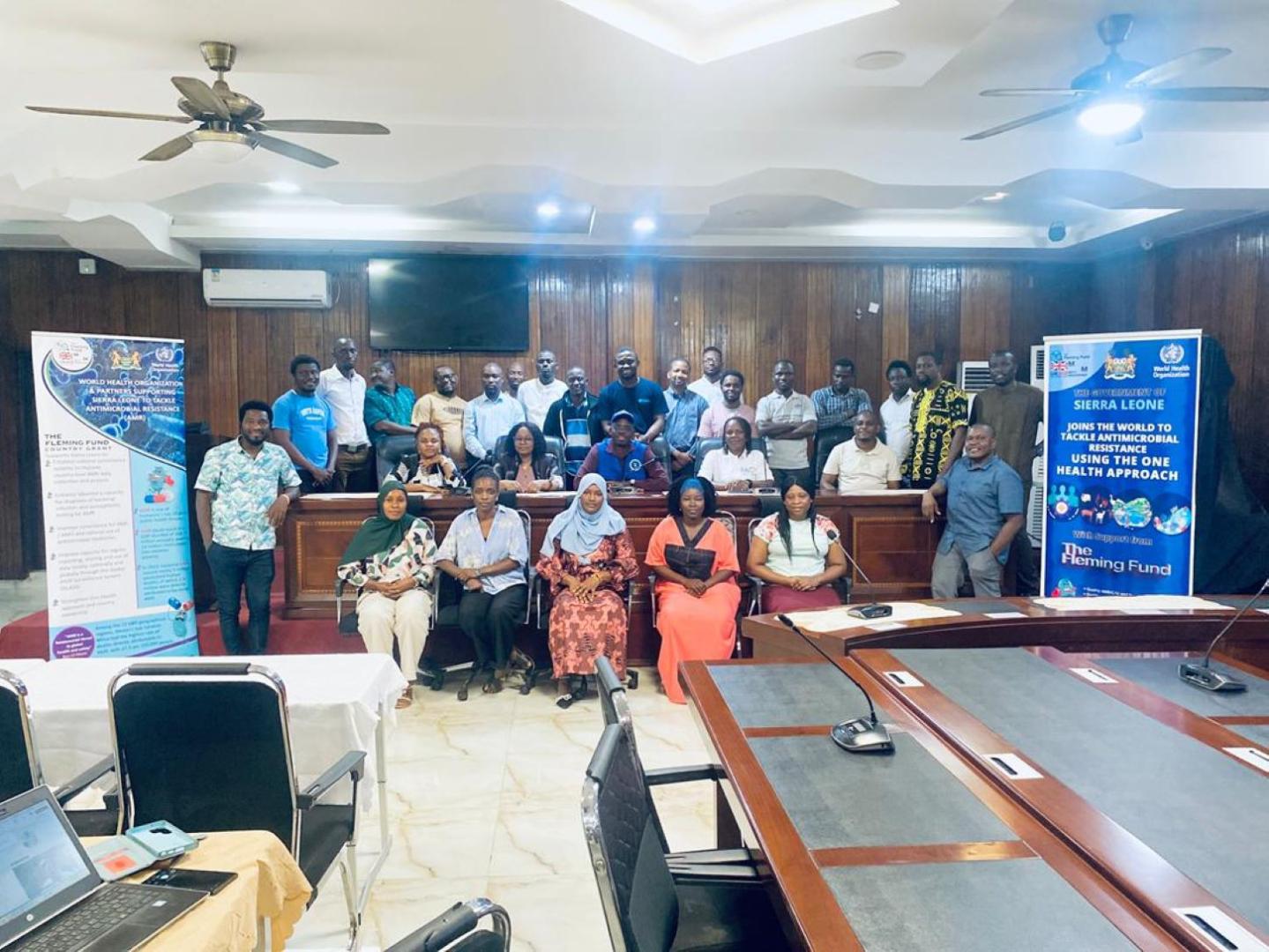
Bo district, 31 July: Antimicrobial resistance (AMR) continues to pose a serious public health threat globally, undermining the effective treatment of infections in humans and animals. In response, the Ministry of Health, with support from the World Health Organization (WHO), the Food and Agriculture Organization (FAO), and funding from the Fleming Fund, conducted a four-day national training workshop from 28–31 July 2025 in Bo district to strengthen AMR surveillance systems in Sierra Leone.