WHO to Convene Consultation on Strategic Use of Anti-retroviral Medicines for HIV in Eastern and Southern Africa
Brazzaville, 18 March 2013 -- A regional consultation convened by the World Health Organization (WHO) on the strategic use of anti-retroviral medicines (ARVs) in Eastern and Southern African countries will take place from 19 to 21 March in Harare, Zimbabwe.
The three-day consultation will bring together more than 60 experts from nine countries, research institutions, and multilateral agencies, agencies in the United Nations system, donors and civil society.
Rwanda first sub-Saharan African country to introduce measles-rubella vaccine nationwide with GAVI support
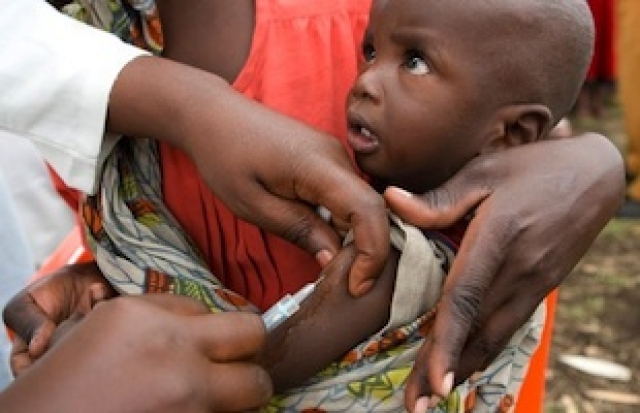
As part of its ongoing efforts to prevent measles and rubella, Rwandan health workers will vaccinate nearly five million children between the ages of 9 months and 14 years during the four-day measles-rubella vaccination campaign, which begins today in a village outside Kigali. In addition, girls attending school in Primary 6 and Secondary 3 grades will also receive their first doses of the human papillomavirus (HPV) vaccine to protect them against the leading cause of cervical cancer.
Dr Sambo urges firm multi-stakeholder collective action to address noncommunicable diseases in the African Region
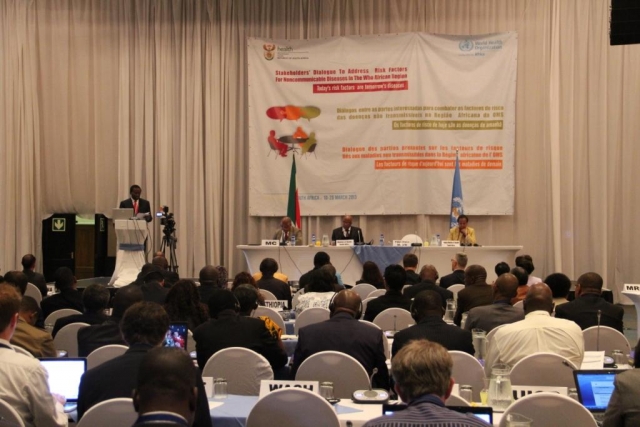 Johannesburg, 18 March 2013 – The World Health Organization's Regional Director for Africa, Dr Luis Sambo has underscored the urgent need to address the rising trend of noncommunicable diseases (NCDs) in the African Region through multisectoral actions.
Restoring hope in Swaziland: helping stop TB through earlier diagnosis
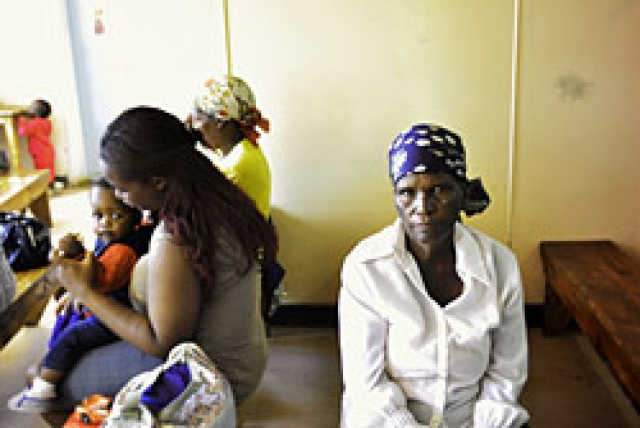
The Kingdom of Swaziland with a population of a million people carries a terrible burden: the world’s highest incidence of tuberculosis (TB) superimposed with high levels of co-infection with HIV. A major challenge is the early detection of people with TB: WHO estimates that around 47% of people with TB in the country are not detected or notified.
Sierra Leone Road Transport Authority Validates National Road Safety Strategy

The World Health Organization (WHO) supported the Sierra Leone Roads Transport Authority (SLRTA) to validate the National Road Safety Strategic Plan (2013-2015) in a 2 day multi stakeholders’ workshop held from 13-14 March 2013 in Freetown. Some of the partners at the meeting included the Sierra Leone Police, insurance companies, motor drivers’ union and vehicle owners, health officials and line ministries, the local councils, civil society and partners including WHO among others.
Restoring hope in Swaziland: helping stop TB through earlier diagnosis
The Kingdom of Swaziland with a population of a million people carries a terrible burden: the world’s highest incidence of tuberculosis (TB) superimposed with high levels of co-infection with HIV. A major challenge is the early detection of people with TB: WHO estimates that around 47% of people with TB in the country are not detected or notified.
WHO to Convene Regional Stakeholders’ Consultative Meeting on NTDs
Brazzaville, 14 March 2013 -- A Regional Stakeholders’ Consultative Meeting on Neglected Tropical Diseases (NTDs) convened by the World Health Organization (WHO) will take place from 20 to 22 March in Brazzaville, Congo
WHO’s Dr Luis Sambo and South Africa’s Minister of Health, Dr Aaron Motsoaledi, to participate in Dialogue to address Risk Factors for NCDs in the WHO African Region
WHAT: Stakeholders’ dialogue to address risk factors for non-communicable diseases (NCDs) in the WHO African Region. The theme of the meeting is: “Today’s risk factors are tomorrow's diseases.”
WHEN: 08:00 am – 10:00 am, Monday 18 March, 2013
WHERE: Birchwood Hotel, Viewpoint Road, Bartlett, Boksburg, Johannesburg, South Africa
Few countries have road safety laws addressing all five key risk factors
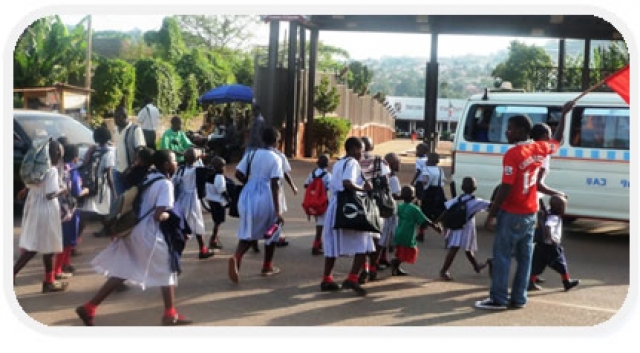 14 March 2013 -- A new WHO report on road safety calls for more comprehensive legislation addressing the five key road safety risk factors to reduce fatalities and injuries.
Special meeting and premiere of documentary on “Addressing the Challenge of Women’s Health in Africa”
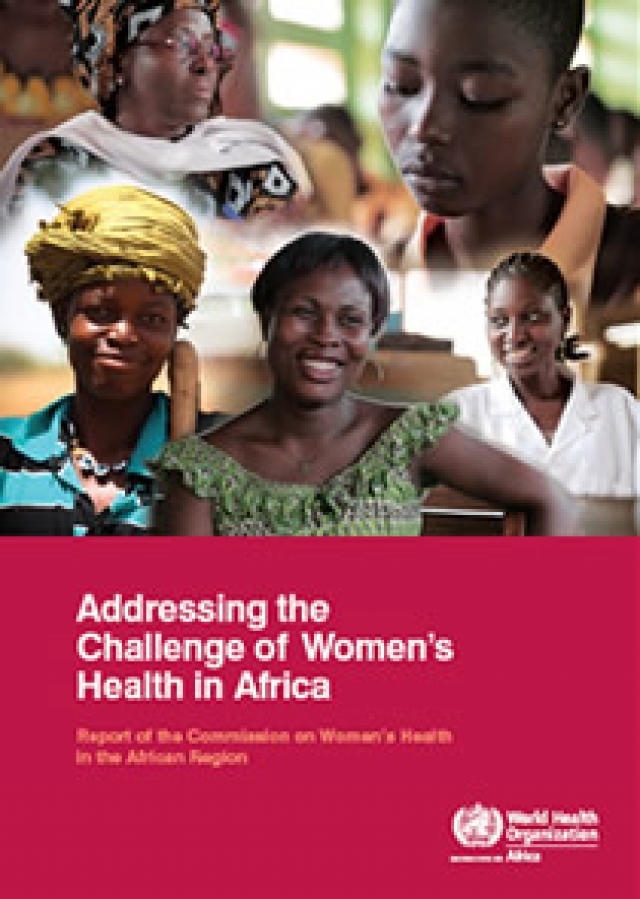 Brazzaville, 13 March 2013 -- The World Health Organization's Regional Director for Africa, Dr Luis Sambo presented the Report on “Addressing the Challenge of Women’s Health in Africa” at a Special Meeting organized at the Royal College of Obstetricians and Gynaecologists in London by the World Health Organization in collaboration with the Global Libr