Health leaders commit to accelerate action against severe chronic diseases in Africa
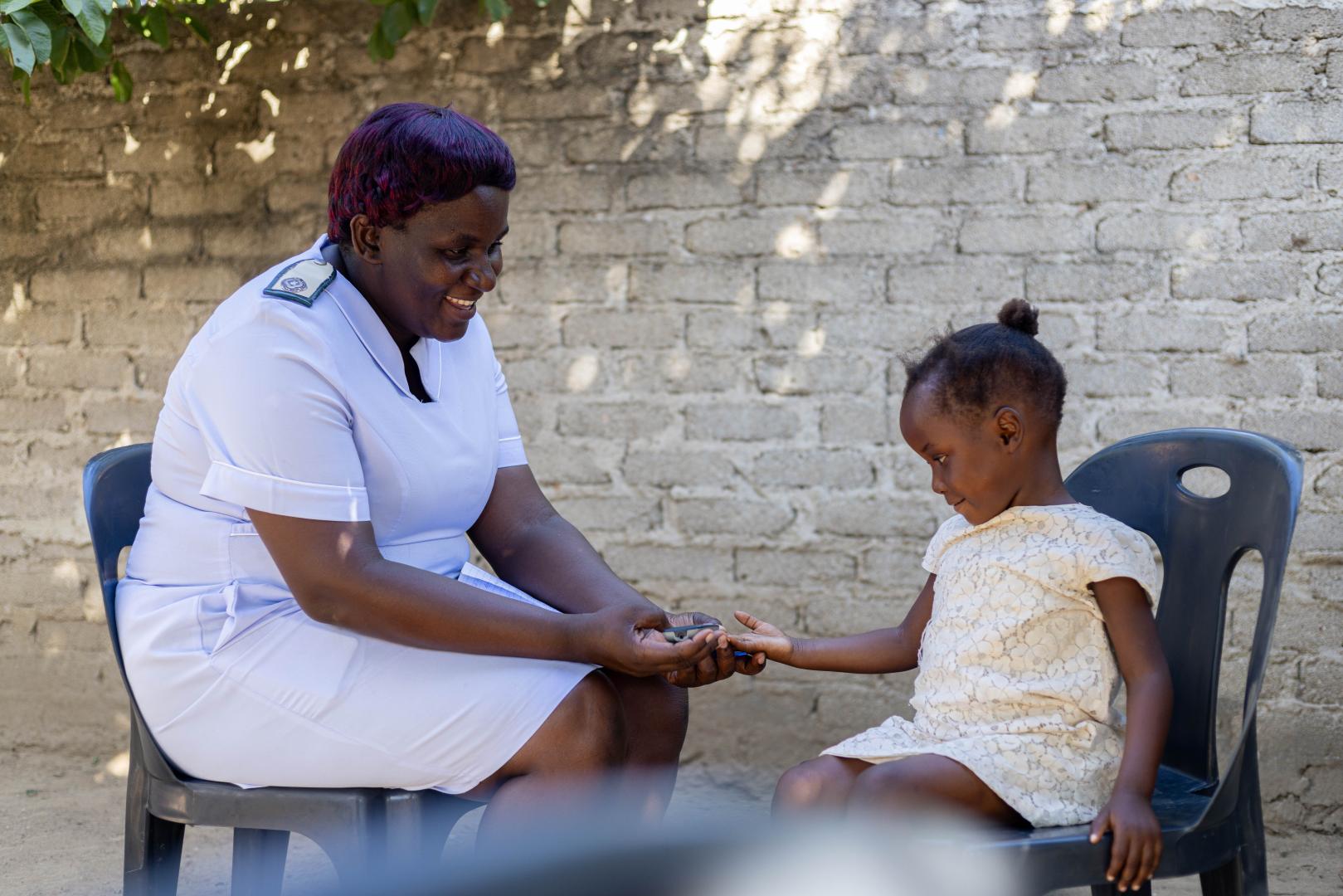
Abuja – Health leaders, policymakers and development partners across Africa have renewed commitment to accelerate the implementation of the PEN-Plus strategy to significantly expand access to care for severe noncommunicable diseases (NCDs).
WHO donates eight vehicles to strengthen surveillance and emergency response in Sierra Leone
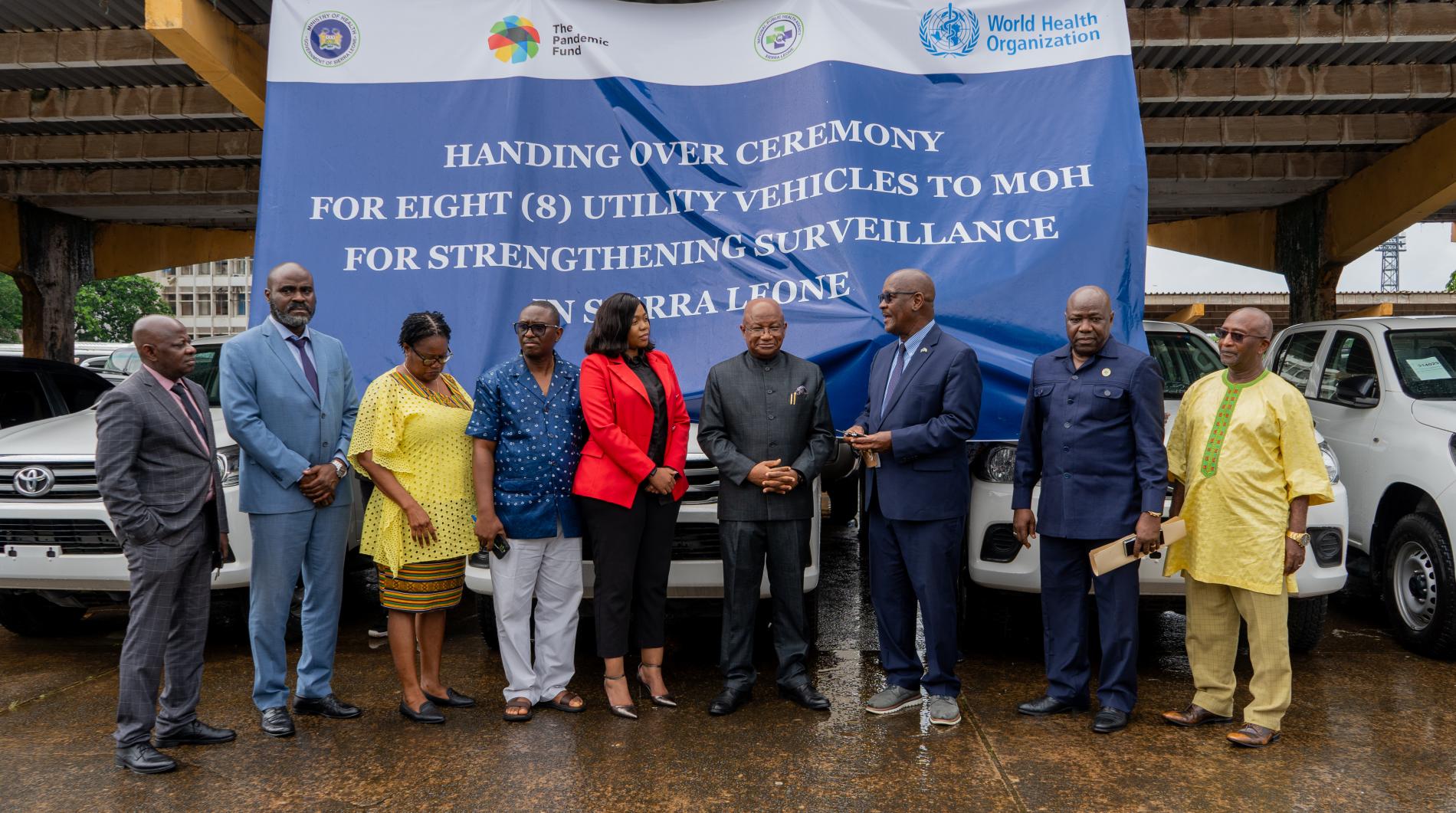
Freetown - The World Health Organization (WHO) today handed over eight vehicles to Sierra Leone’s Ministry of Health during a brief ceremony held at the Youyi Building in Freetown. The donation, made under the Pandemic Fund Agreement, aims to bolster disease surveillance and emergency response capacities at the district level, particularly in the context of the ongoing Mpox outbreak.
Private health sector engagement strengthens mpox response in Sierra Leone
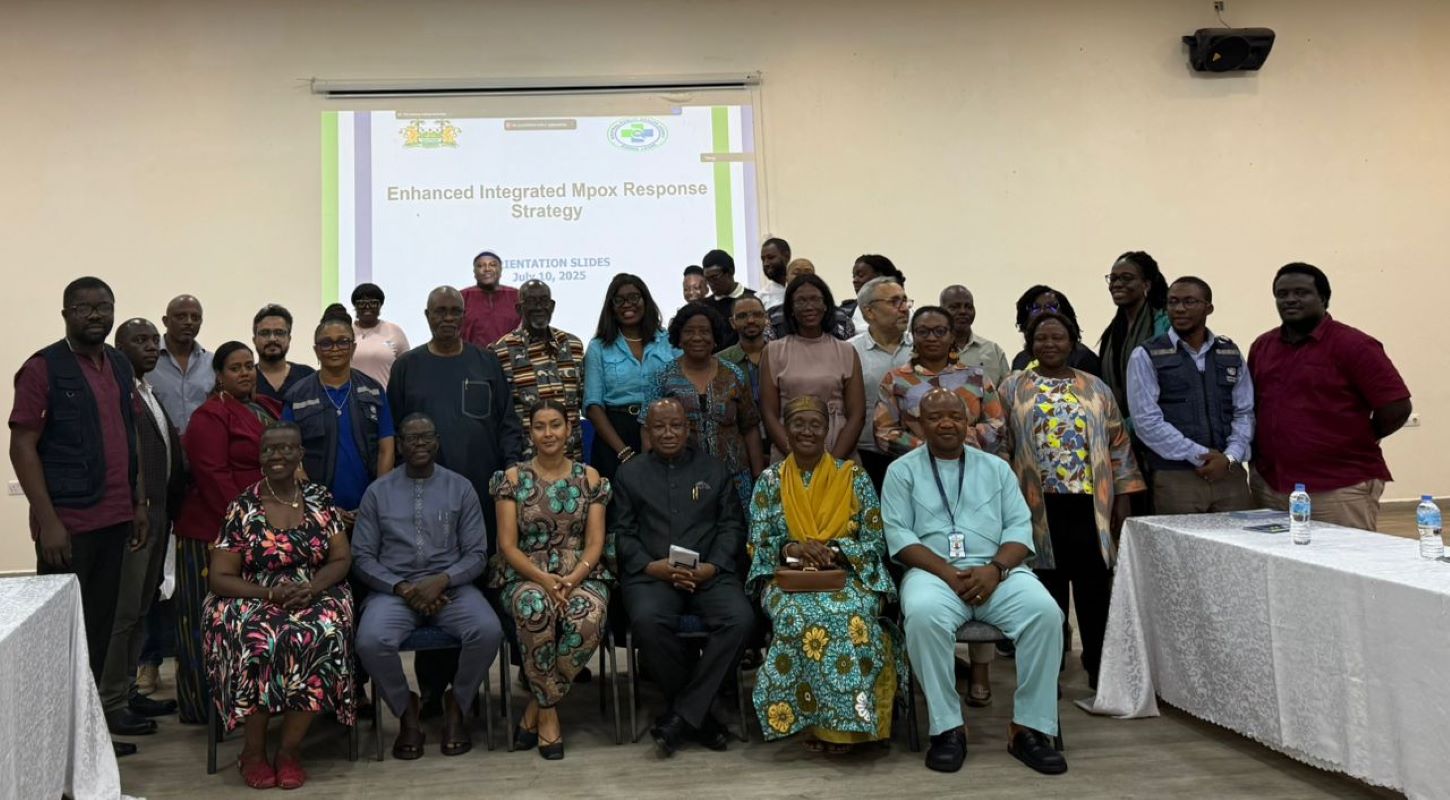
As part of efforts to strengthen collaboration and close response gaps in the ongoing Mpox outbreak, the National Public Health Agency (NPHA), with support from the World Health Organization (WHO), convened a strategic engagement with private healthcare practitioners in Freetown. The meeting, held at Brookfields Hotel, focused on enhancing the integration of private sector actors into national Mpox response strategies, including surveillance, laboratory systems, vaccination, infection prevention and control (IPC), and case management.
Ghana Sets Stage for National Mid-Level Management (MLM) and Immunization in Practice (IIP) Training
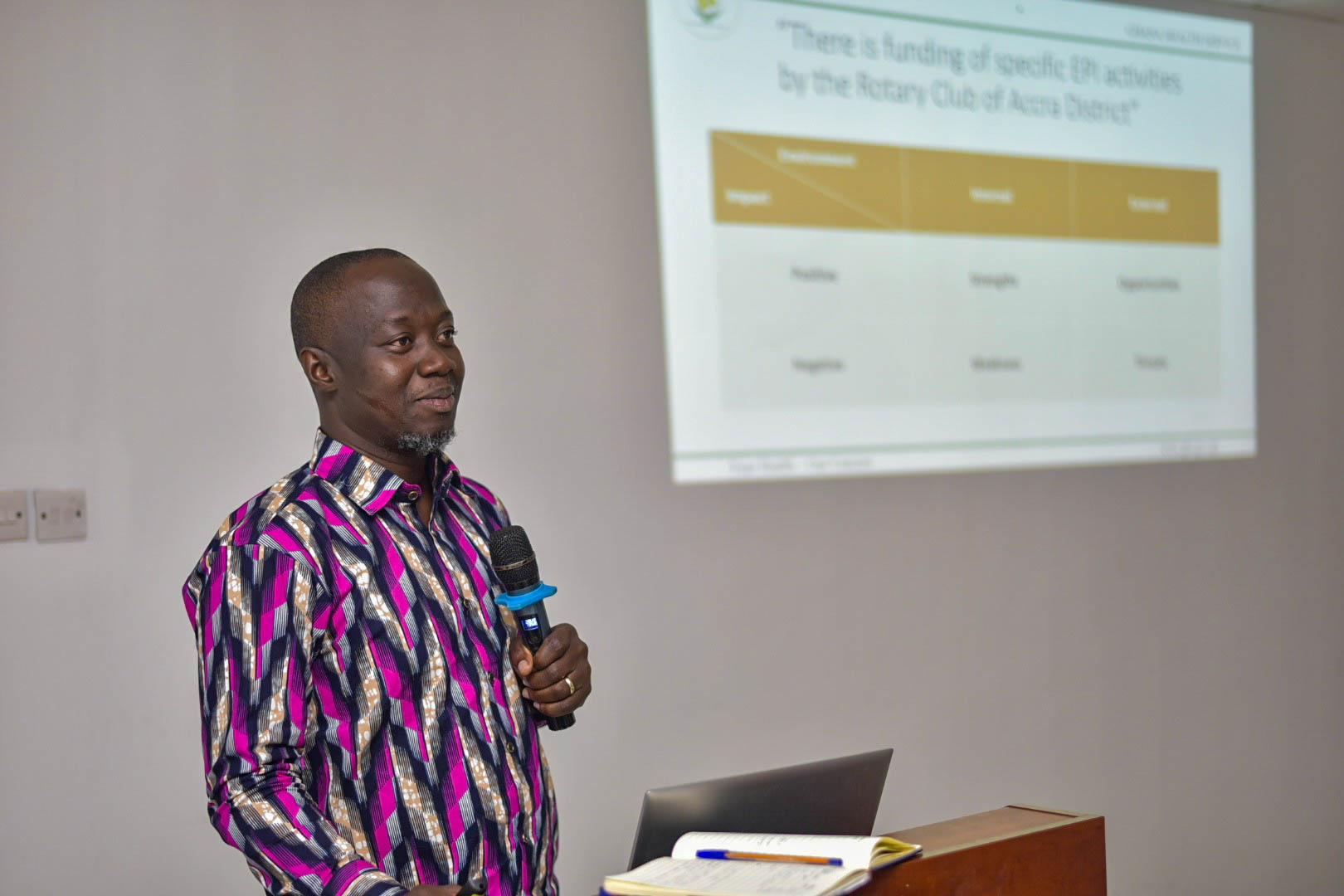
For the first time since 2007, Ghana is rolling out a nationwide training to strengthen the leadership and technical skills of mid-level and operational level immunization officers. With funding from Gavi, the Vaccine Alliance, and technical support from the World Health Organization (WHO) and partners, the Ghana Health Service (GHS) has developed and adopted updated training materials for the Mid-Level Management (MLM) and Immunization in Practice (IIP) modules, two globally recognized modules for building capacity of immunization officers.
Lesotho takes a major step towards ending preventable maternal and newborn deaths
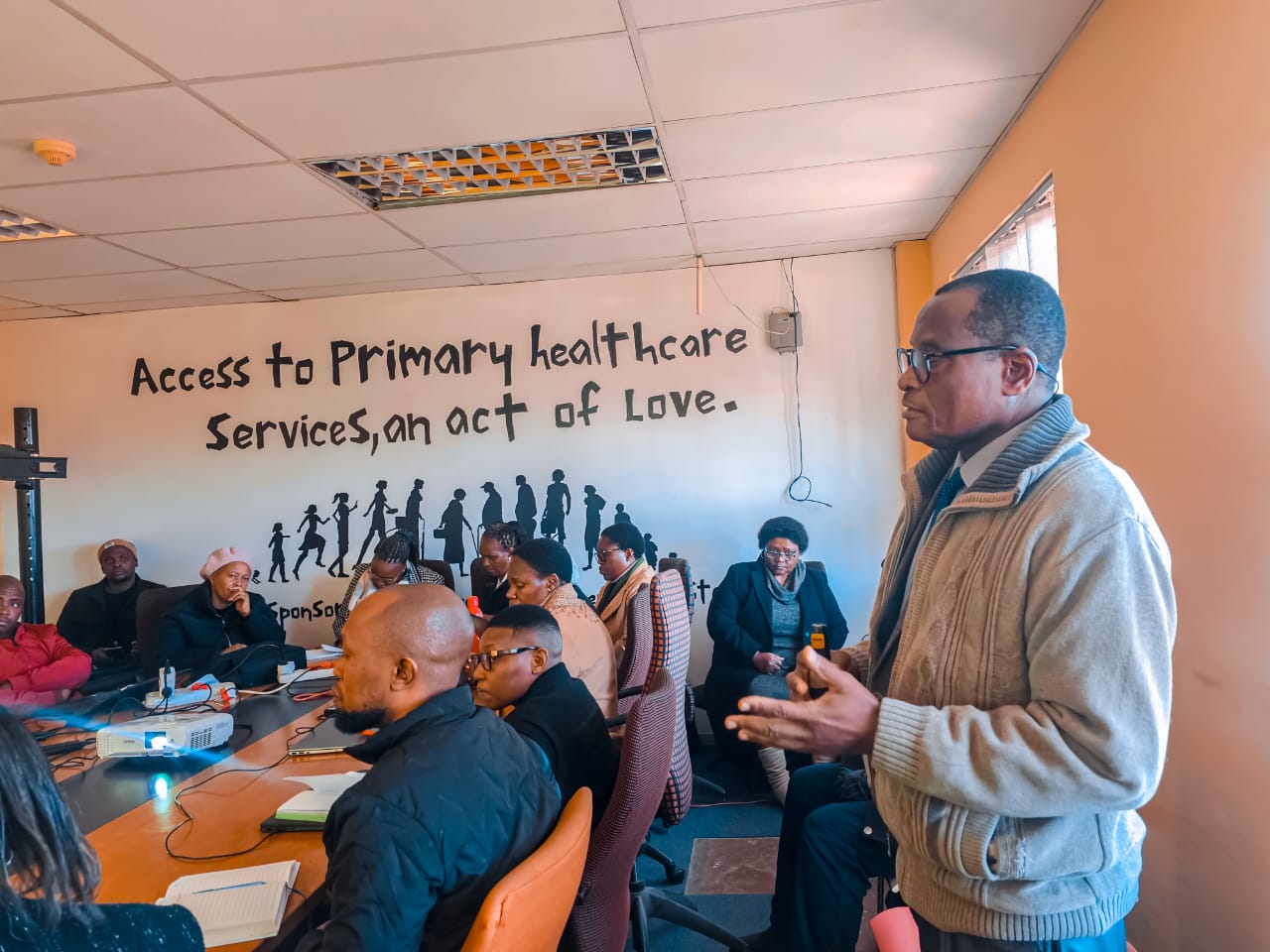
Maseru—In a significant move to reduce preventable maternal and perinatal deaths, the Ministry of Health (MoH), with support from the World Health Organization (WHO), UNFPA, UNICEF, and other partners, initiated the development, national validation, and Training of Trainers (ToT) on the new Maternal and Perinatal Death Surveillance and Response (MPDSR) guidelines.
WHO and partners boost Liberia’s fight against NTDs with vehicle donation
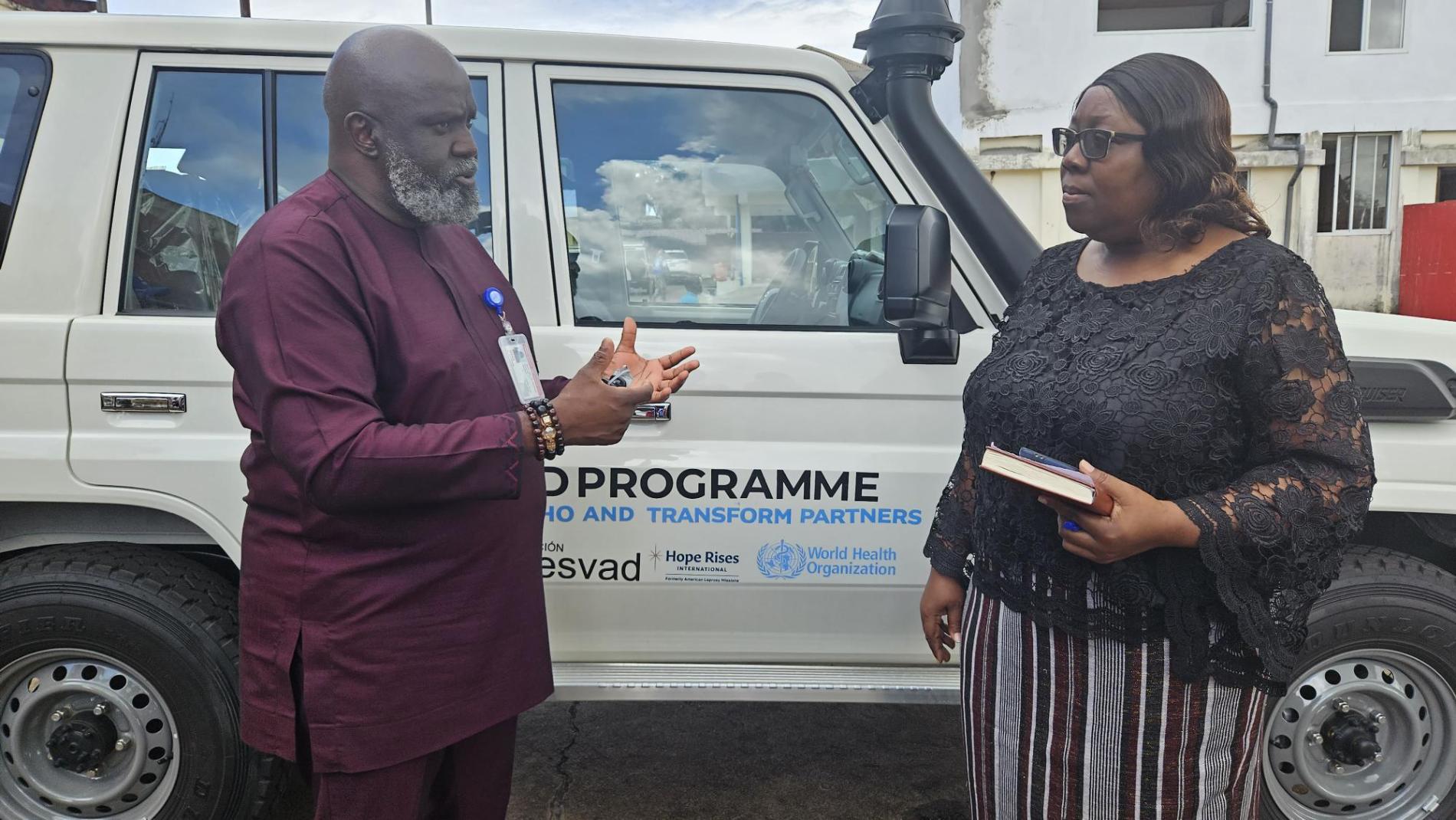
Monrovia, Liberia – To strengthen Liberia's fight against neglected tropical diseases (NTDs), WHO handed over a brand-new Toyota Land Cruiser (Hardtop) to the Ministry of Health. Funded through the Transform Partnership comprising Effect Hope, Anesvad Foundation and Hope Rises International, the vehicle will support integrated outreach, monitoring, and community engagement in some of Liberia’s most inaccessible areas.
WHO leads week of action to strengthen health workforce investment across Africa
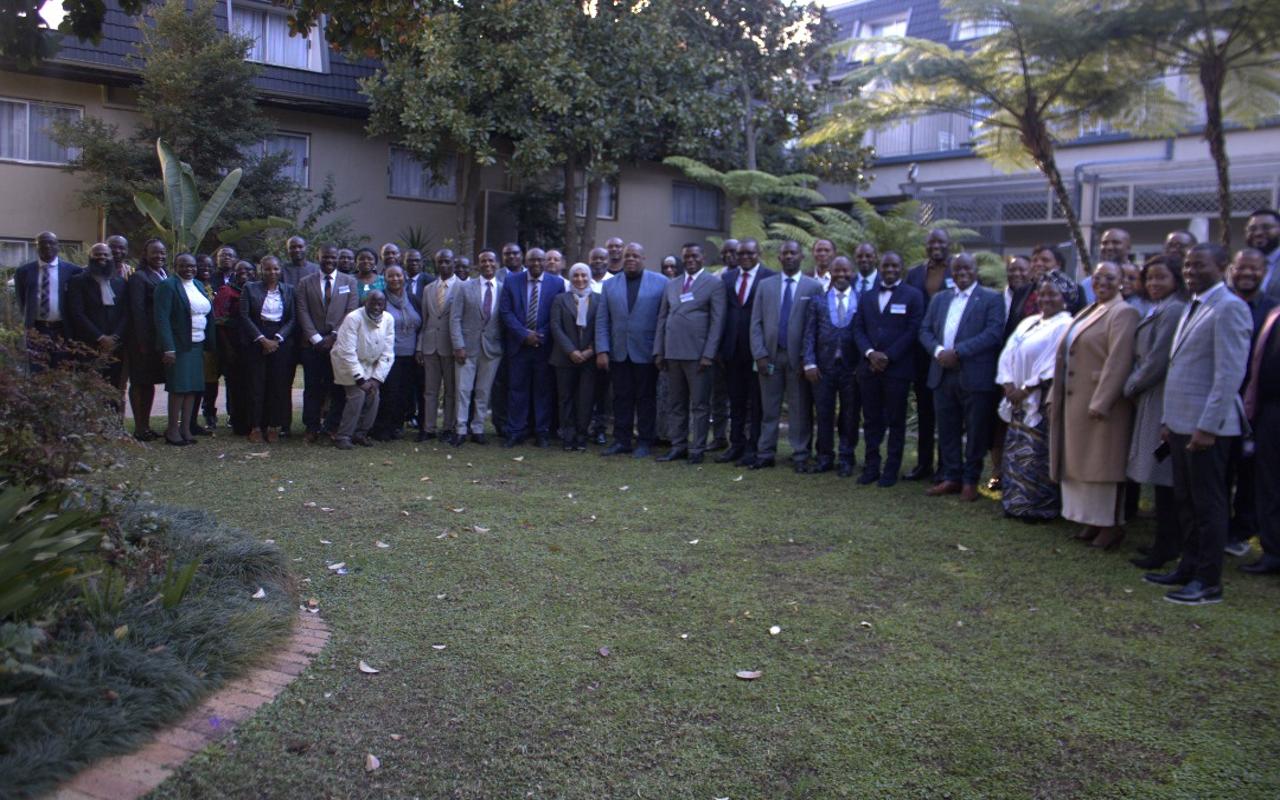
Johannesburg – The World Health Organization (WHO) Regional Office for Africa, in partnership with Member States and key stakeholders, has concluded a landmark week of working sessions in Johannesburg aimed at transforming Africa’s health workforce landscape. Held from 7 to 12 July 2025, the sessions focused on strengthening workforce data systems to track health labour market, operationalizing the Africa Health Workforce Investment Charter, and shaping the next regional plan for health workforce development.
Strengthening AFP/Polio surveillance through Integrated Support Supervision and Active Case Search
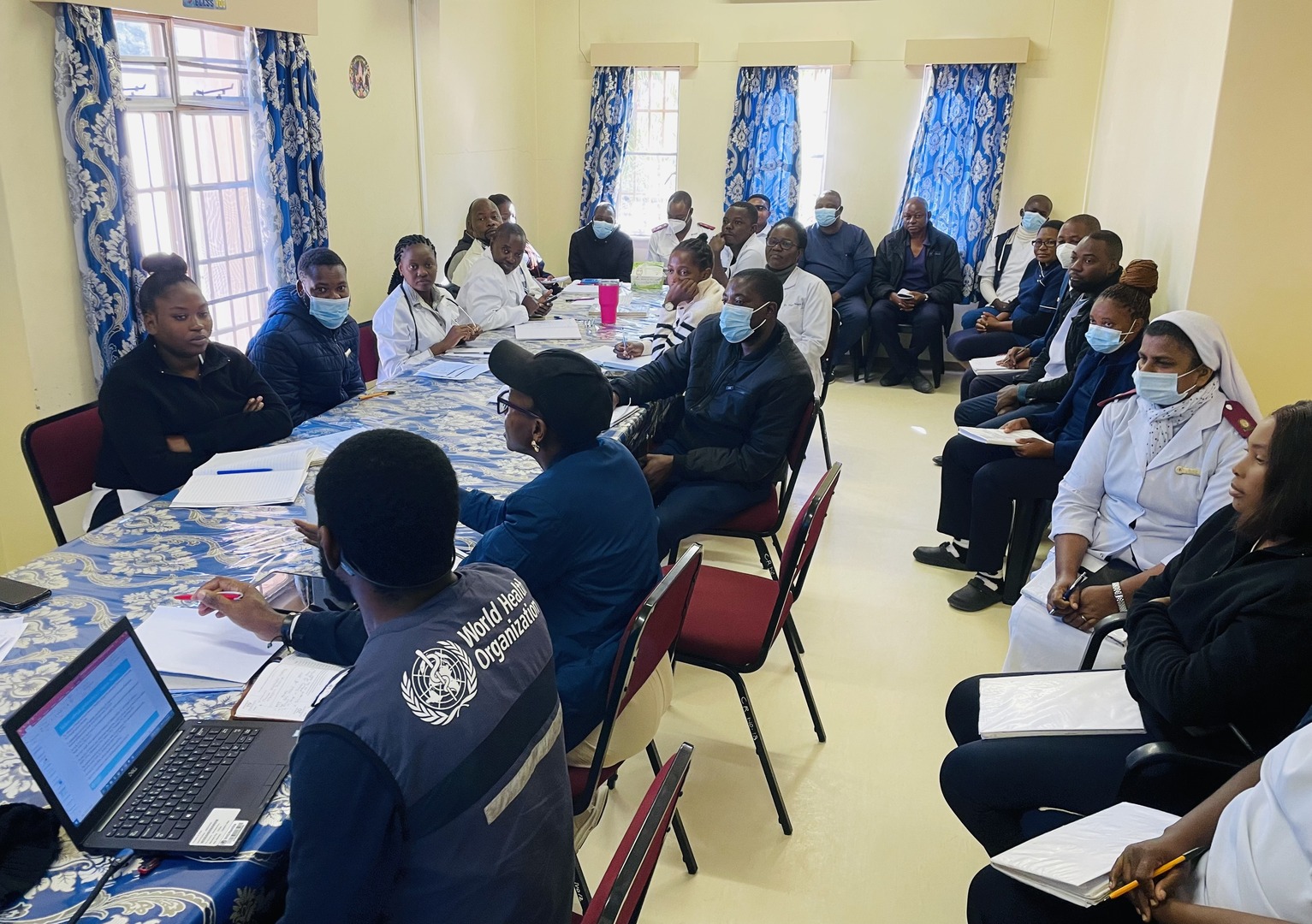
As the Global Polio Eradication Initiative (GPEI) moves closer to achieving the global goal of wild poliovirus (WPV) eradication, maintaining sensitive surveillance systems becomes increasingly critical. These systems are essential for confirming the absence of poliovirus circulation, particularly in the World Health Organization (WHO) African Region, where polio free countries need sustained high-quality surveillance to ensure they remain free of WPV and other poliovirus variants.
Namibia Joins Global Call to ‘Unmask’ Tobacco Industry Tactics
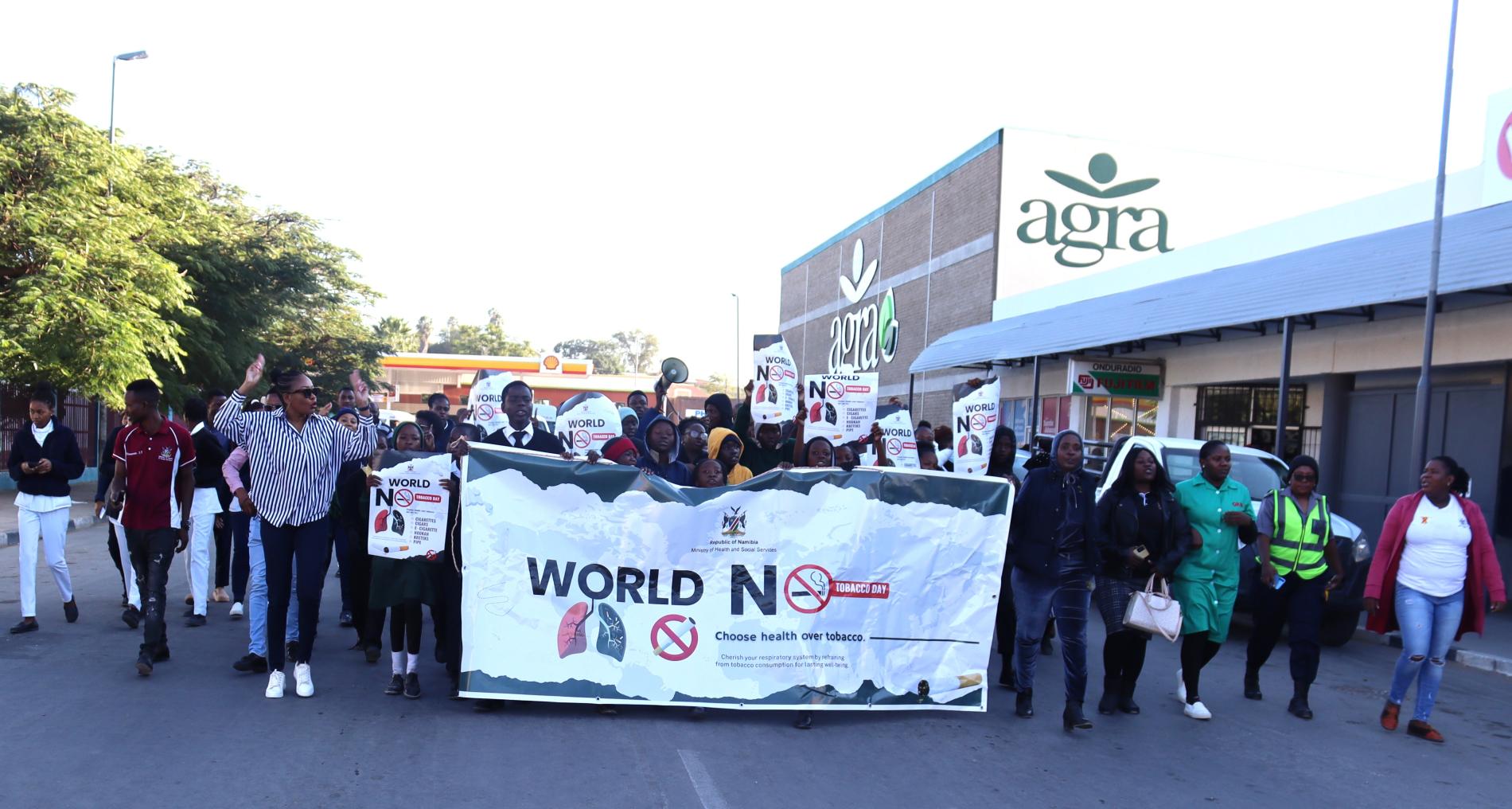
On 13 June 2025, Namibia commemorated the World No Tobacco Day (WNTD) in Outjo, Kunene region. The event was commemorated under the theme “Unmasking the appeal”. This year’s WNTD campaign aims to reveal the strategies employed by the tobacco and nicotine industries to make their harmful products enticing, particularly to young people. By exposing these tactics, WHO seeks to drive awareness, advocate for stronger policies, including a ban on flavours that make tobacco and nicotine products more appealing, and protect public health.
Strengthening Zambia’s praziquantel supply chain: A joint assessment mission
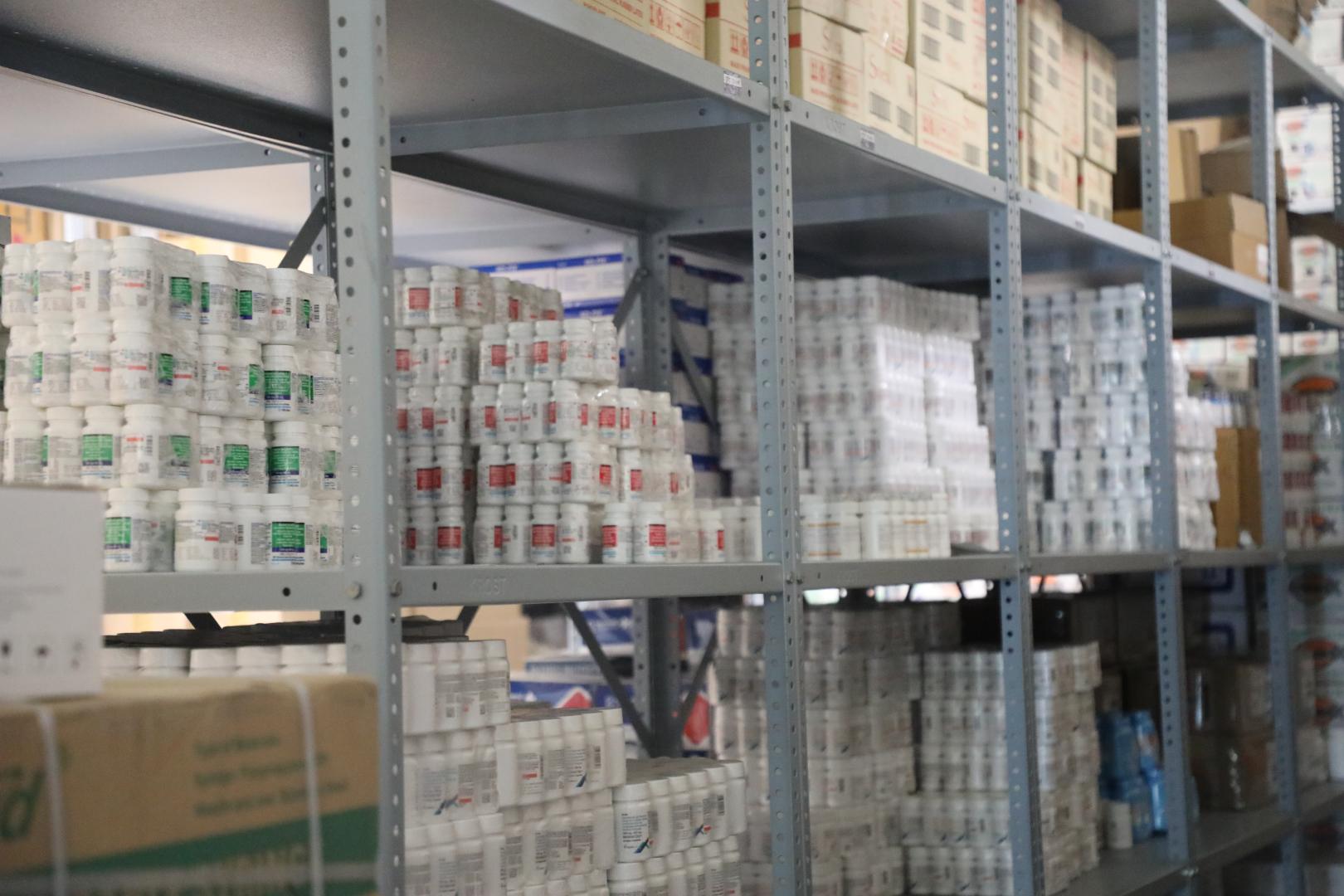
Neglected Tropical Diseases (NTDs) affect over a billion people globally, with schistosomiasis, an acute and chronic disease caused by parasitic worms, remaining a major public health concern in sub-Saharan Africa. Praziquantel, the medication used to treat these infections, donated by Merck through WHO’s drug donation programme, is the cornerstone of Zambia’s fight against schistosomiasis. But challenges in ordering and distribution have led to stock imbalances, expiry risks, and delays in mass drug administration campaigns, threatening the sustainability of the programme.