Angola responds strongly to the polio virus emergence
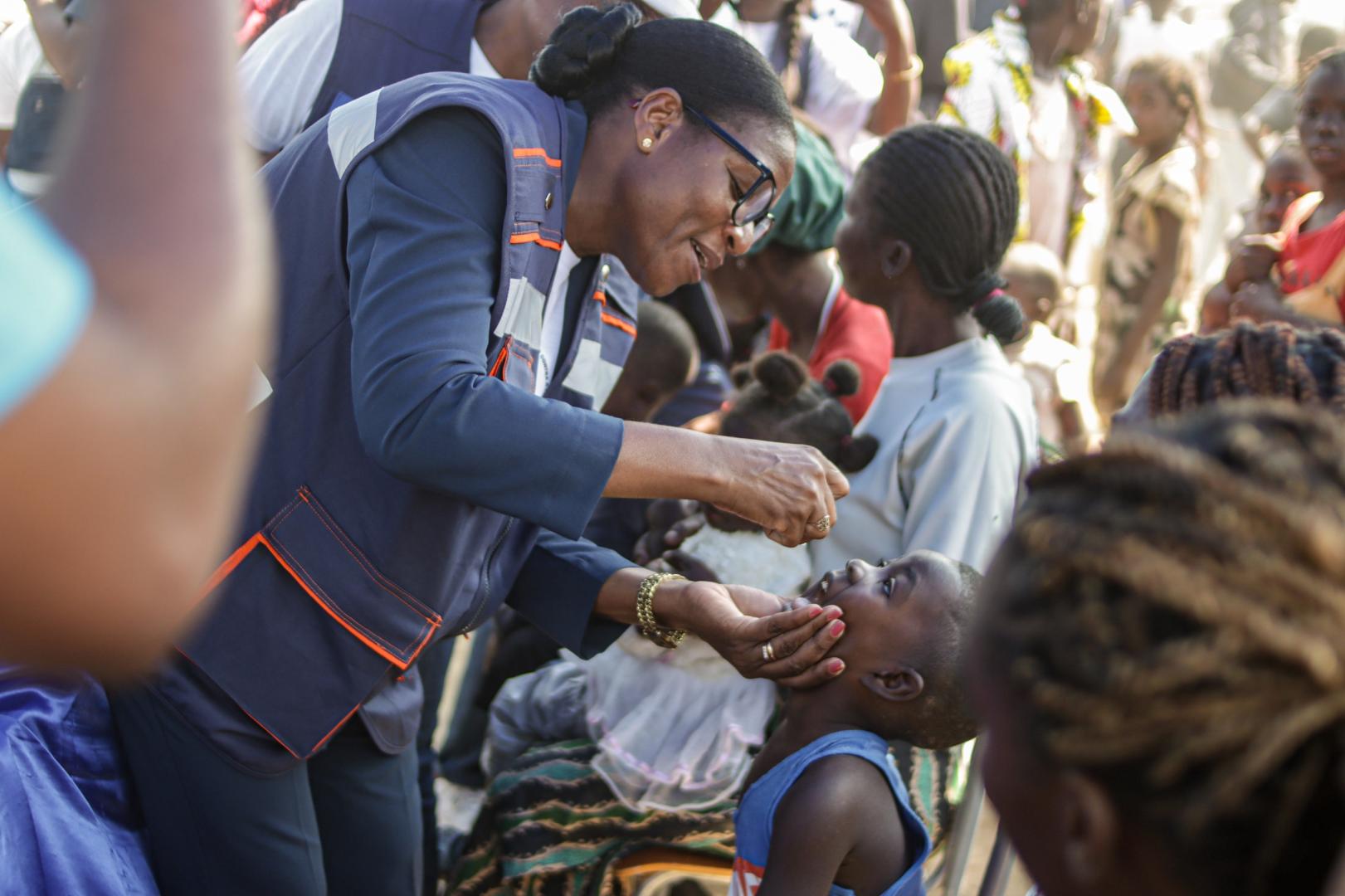
In response to a recent polio outbreak in Benguela province, Angola has launched a polio vaccination campaign. The campaign aims to protect over half a million children and reaffirm the country’s commitment to eradicating disease.
Partners Unite to Improve Health Outcomes in Kigoma
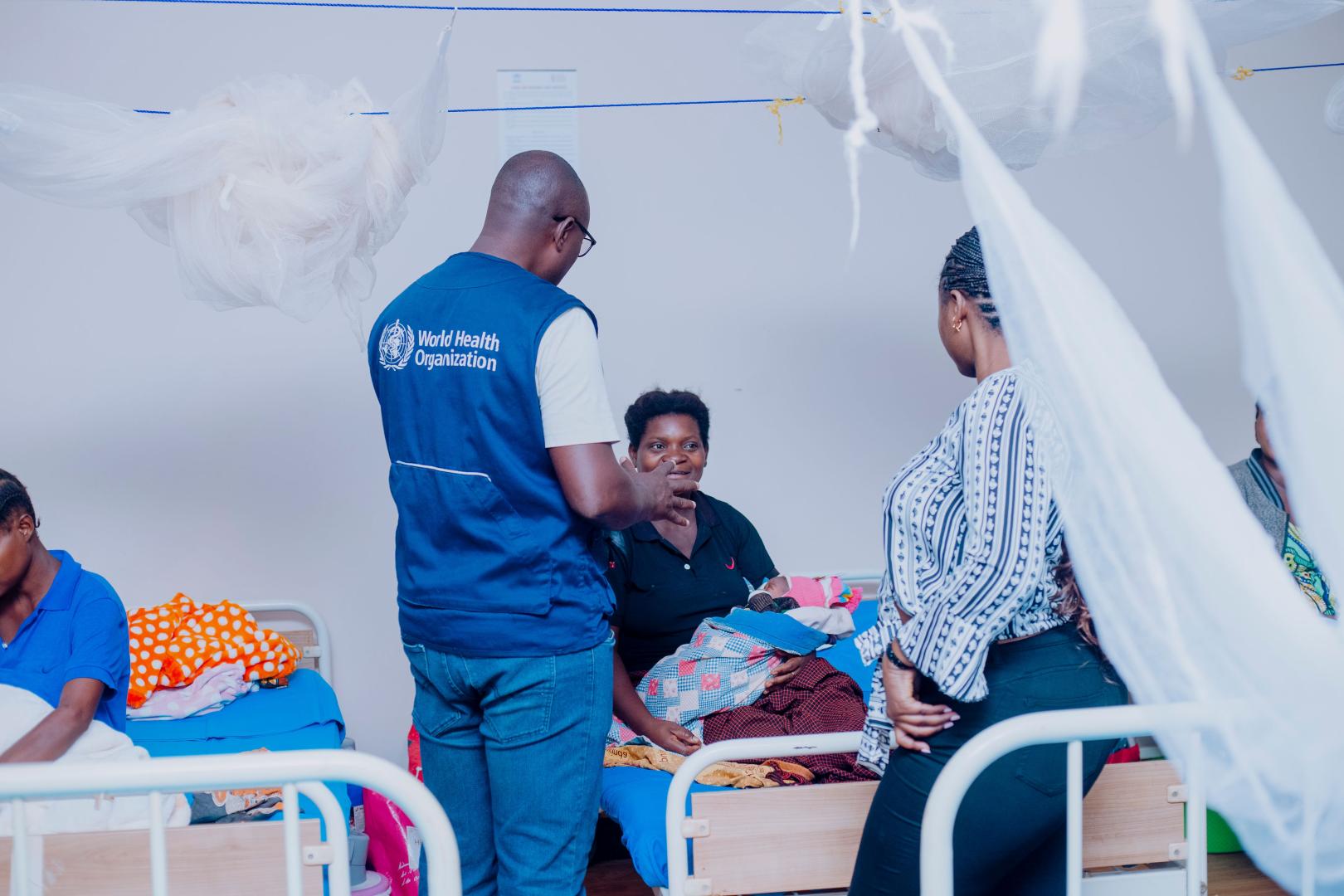
Kigoma – In effort to advance health and nutrition outcomes in one of Tanzania’s most underserved regions, the World Health Organization (WHO), in its role as lead for the Health and Nutrition theme under the Kigoma Joint Programme (KJP), coordinated a week-long engagement that brought together United Nations agencies and government stakeholders.
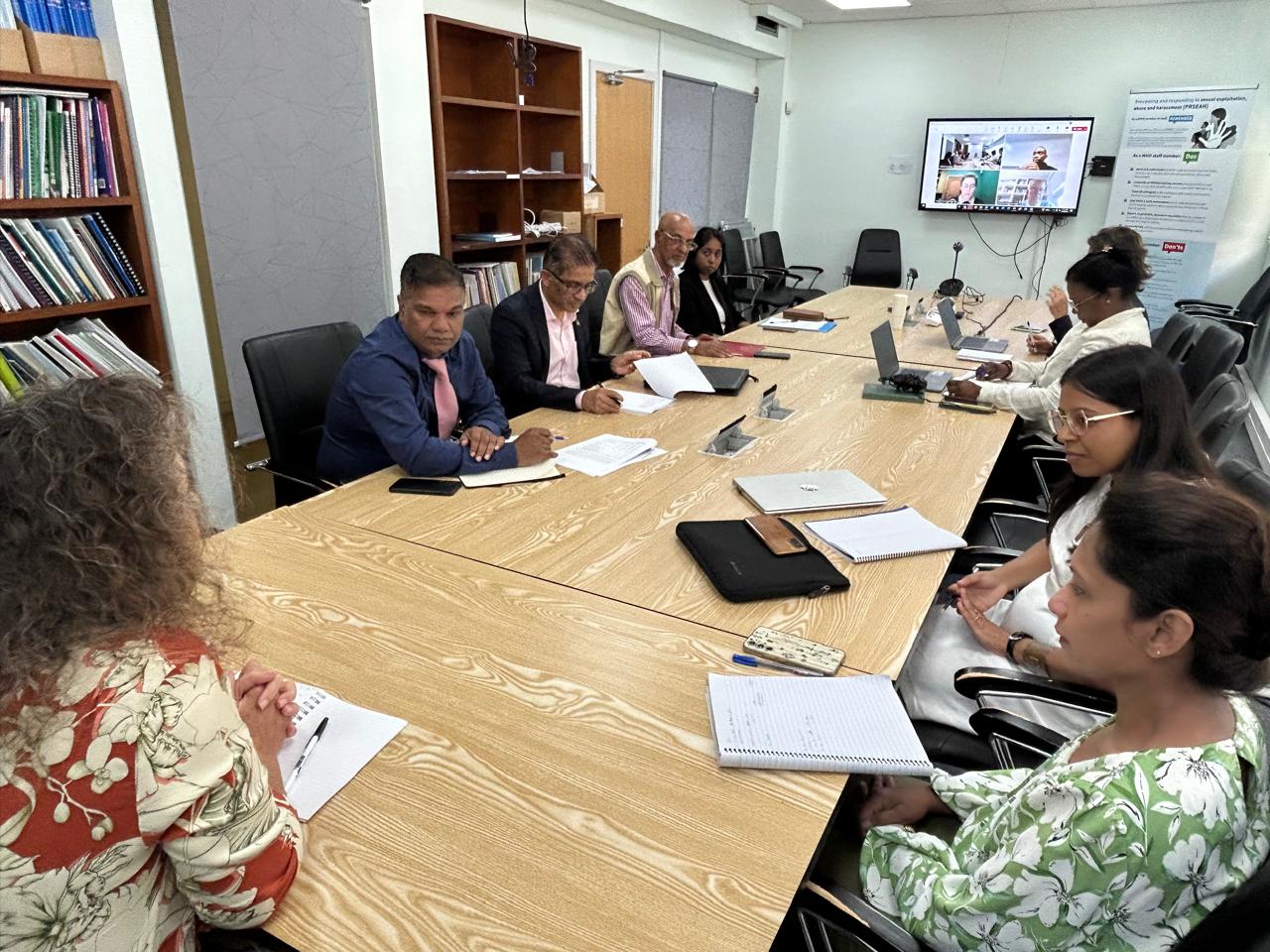
Mauritius Takes Bold Steps Toward Climate-Resilient Health System with Landmark health Vulnerability Adaptation and Assessment

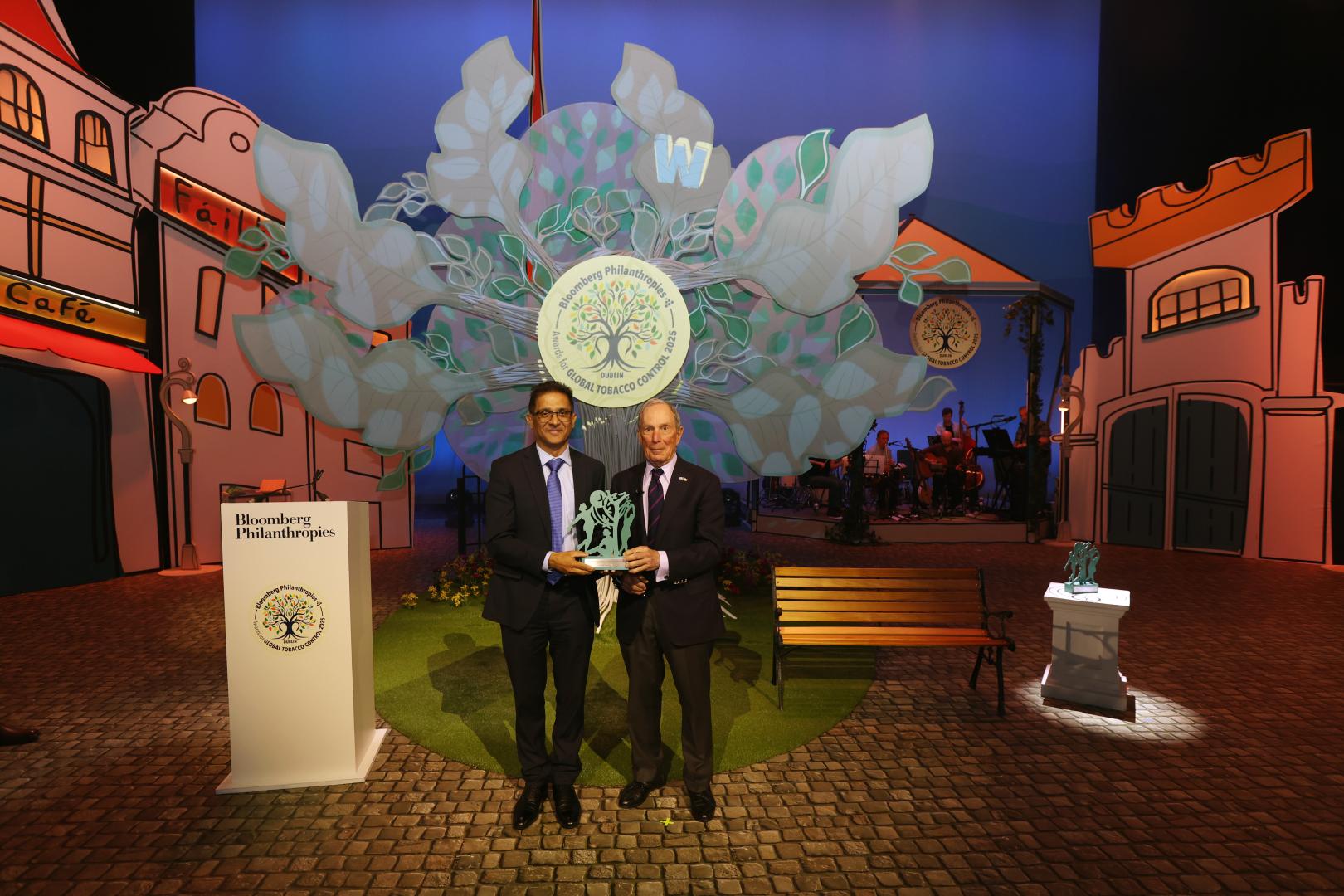
Mauritius receives the Prestigious Bloomberg Philanthropies Award 2025 for Global Tobacco Control efforts
Stronger Health Through Smarter Taxes in Mauritius
It’s not the end of the road: Christiana’s story of courage and care In Sierra Leone’s fight against cervical cancer
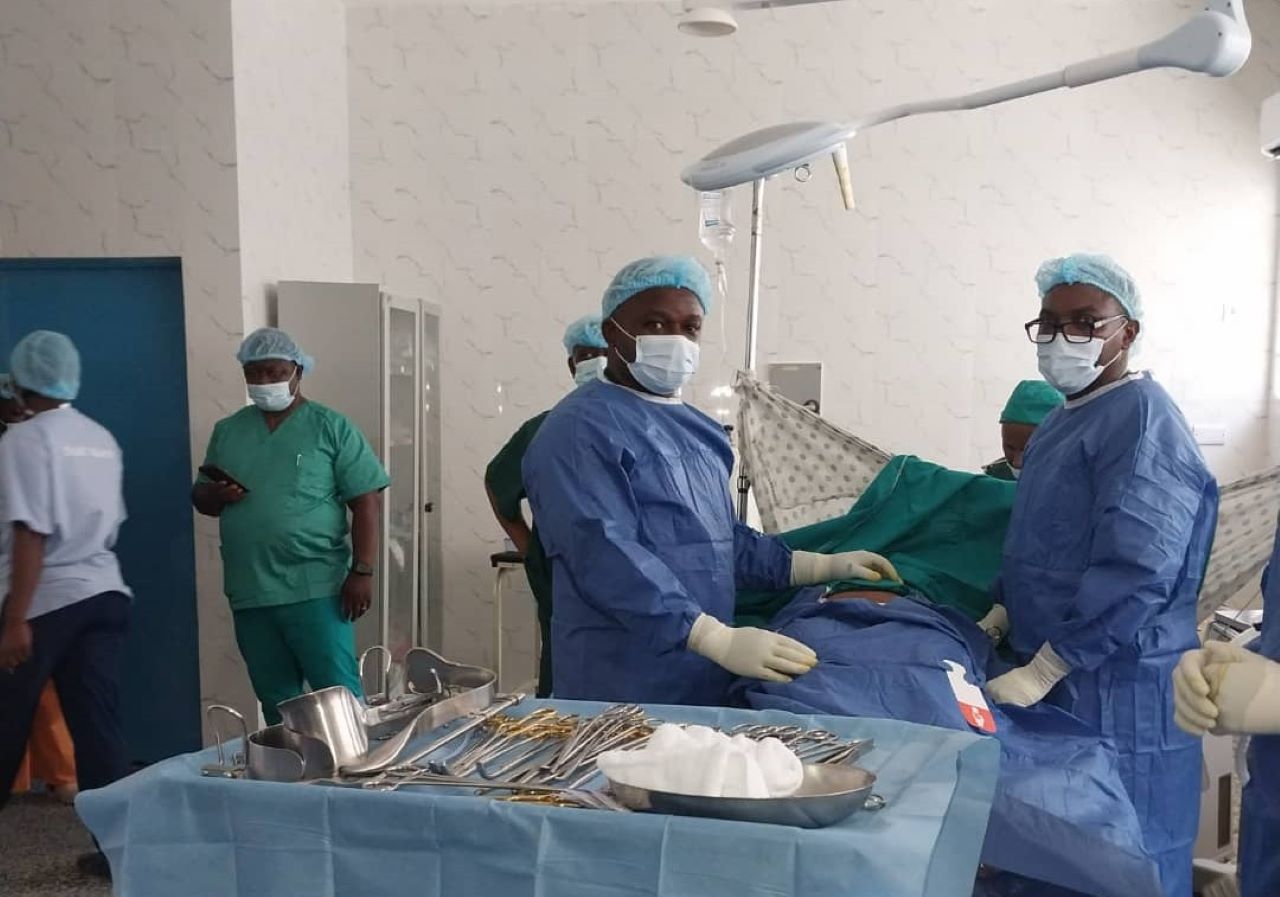
Freetown, Sierra Leone – Christiana Kamara, 43, is one of four women who recently underwent life-saving surgery for early-stage invasive cervical cancer in Sierra Leone. A mother of four, her story reflects the personal and health system challenges many women in the country face, but also, the increasing availability of effective care close to home.
“It started with some sharp pain, especially during sex,” Christiana says. “Then I noticed weight loss and a reduction in my body size. That’s when I became really concerned.”
Lesotho moves towards mass treatment of worm infections
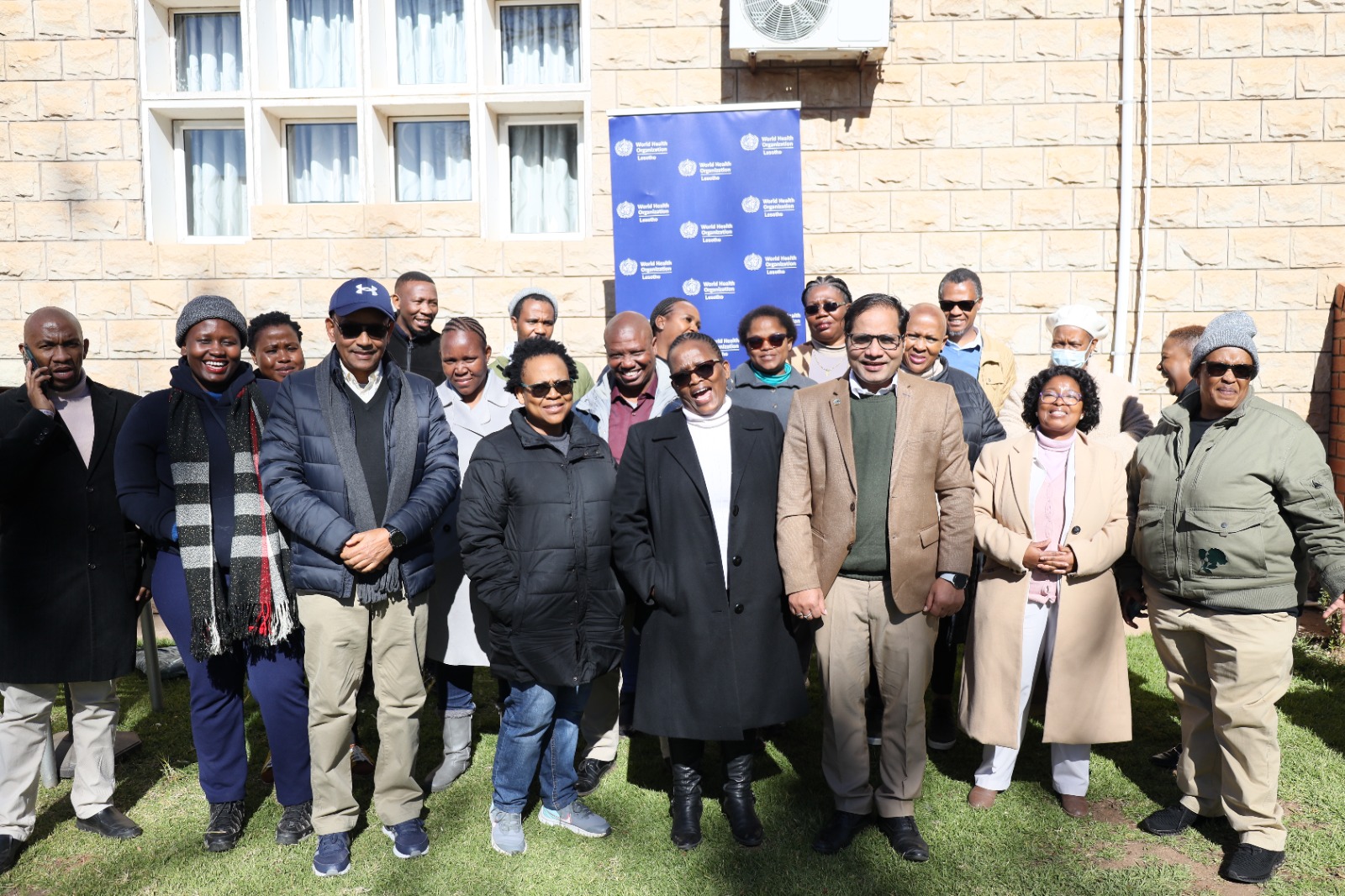
Leribe – To address the severe impact of parasitic worm infections on children's health, nutrition, and education, the Ministry of Health in Lesotho, in collaboration with the World Health Organization (WHO), has initiated steps to re-establish its Mass Drug Administration (MDA) program for Soil-Transmitted Helminths (STH) through the annual administration of albendazole tablets to target both preschool-aged children (1–5 years) and school-aged children (6–15 years).
WHO strengthens Chikungunya Case Management Capacity in Mauritius
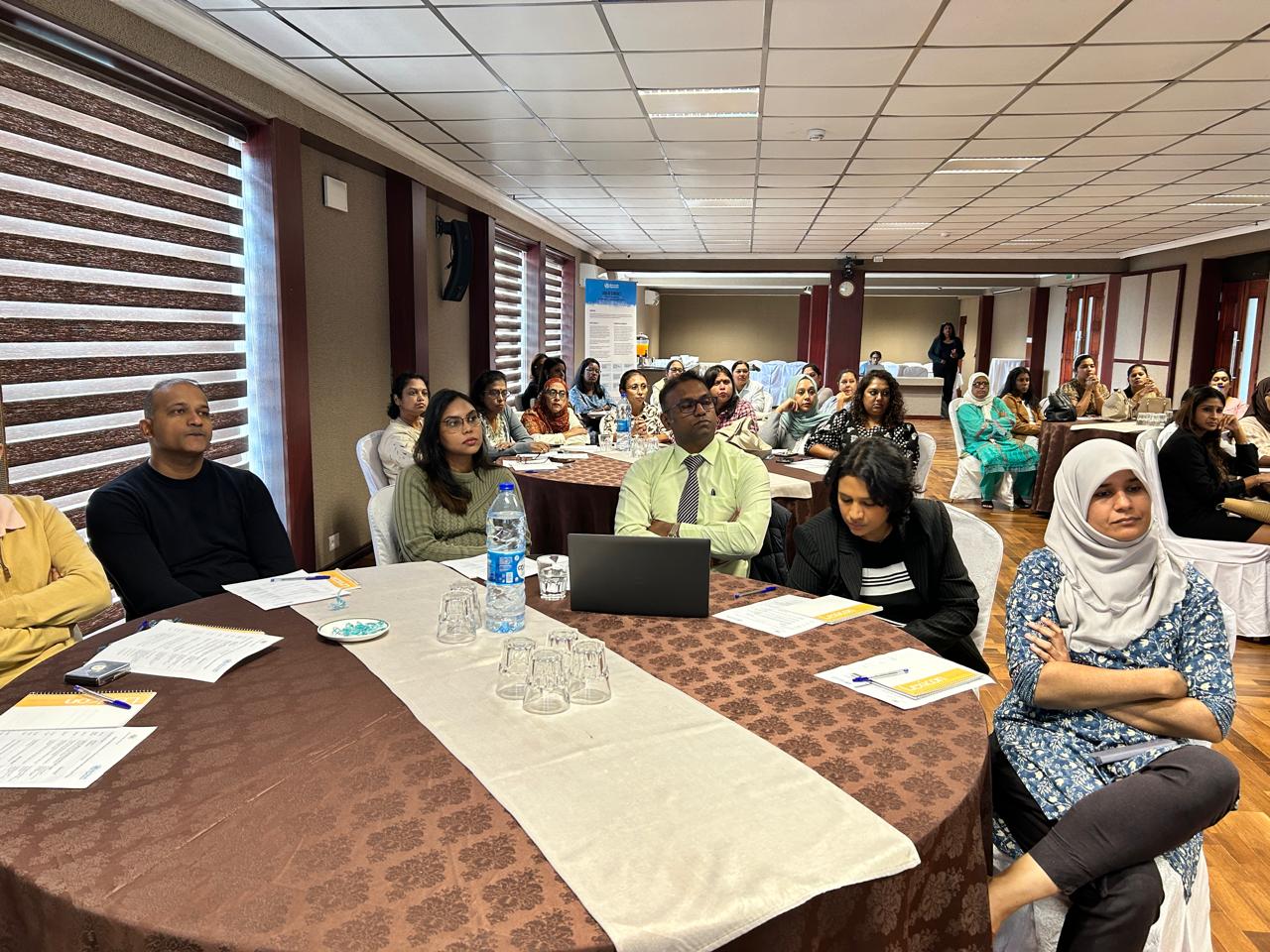
Sierra Leone sustains digital health gains through nationwide health facility device troubleshooting for eIDSR

Freetown - In a major step to sustain gains in digital disease surveillance, Sierra Leone has completed another successful round of nationwide troubleshooting of health facility devices used in electronic Integrated Disease Surveillance and Response (eIDSR). Conducted in May and June 2025, the technical exercise covered all 16 districts and aimed to enhance the performance and sustainability of the country’s electronic reporting system.
WHO, KOICA, and Uganda’s Health Ministry convene high-level national policy dialogue on reproductive, maternal, newborn and child health in Busoga
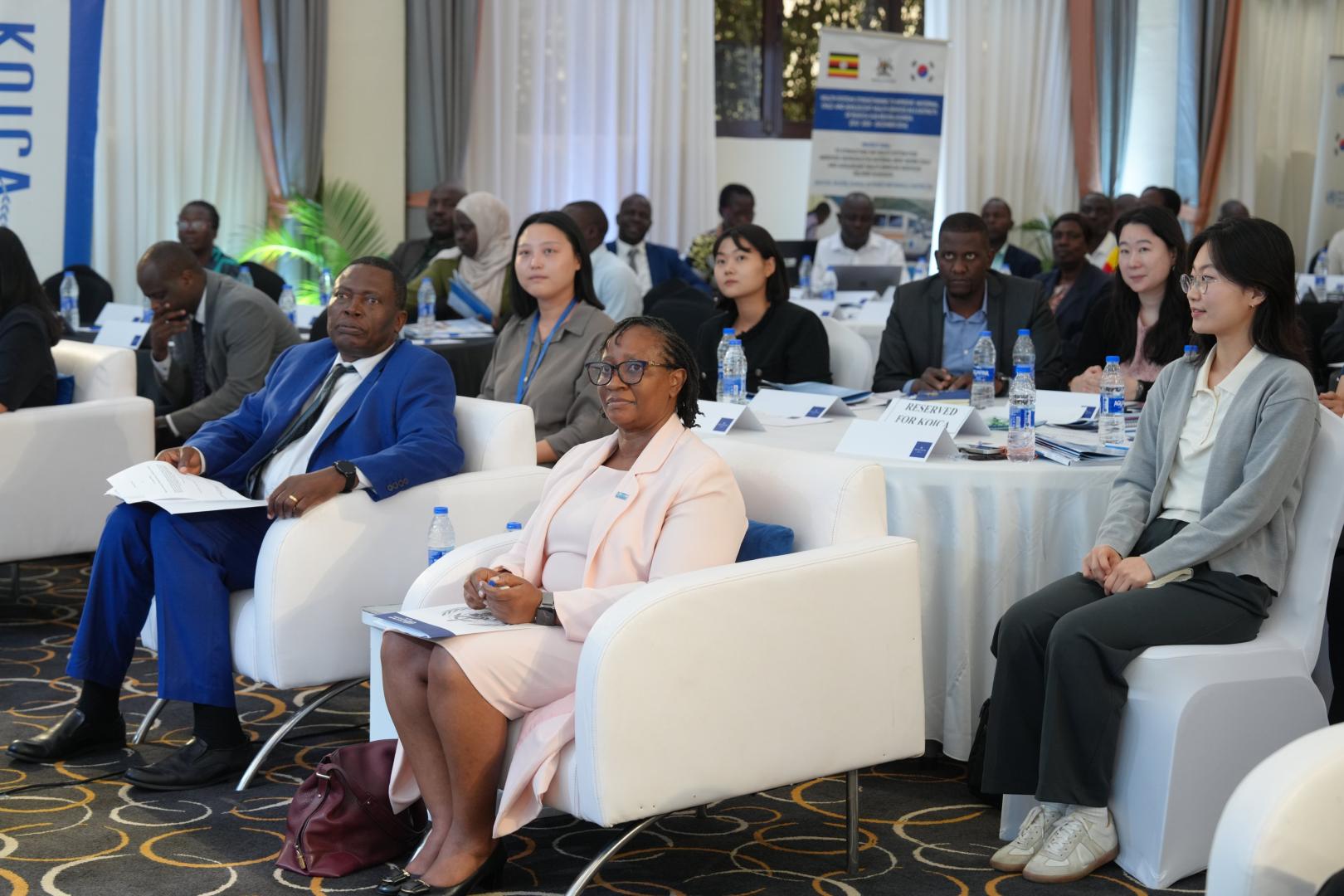
Kampala, Uganda. The Ministry of Health, World Health Organization (WHO), and Korea International Cooperation Agency (KOICA) convened a high-level national policy dialogue to mark the conclusion of the health system strengthening project for reproductive, maternal, newborn, child, and adolescent health (RMNCAH) in Busoga sub region. The dialogue provided a platform to assess progress, share lessons, and chart the way forward for RMNCAH in Uganda.