
Strengthening Rehabilitation and Assistive Technology services in Namibia: A Strategic Step Forward
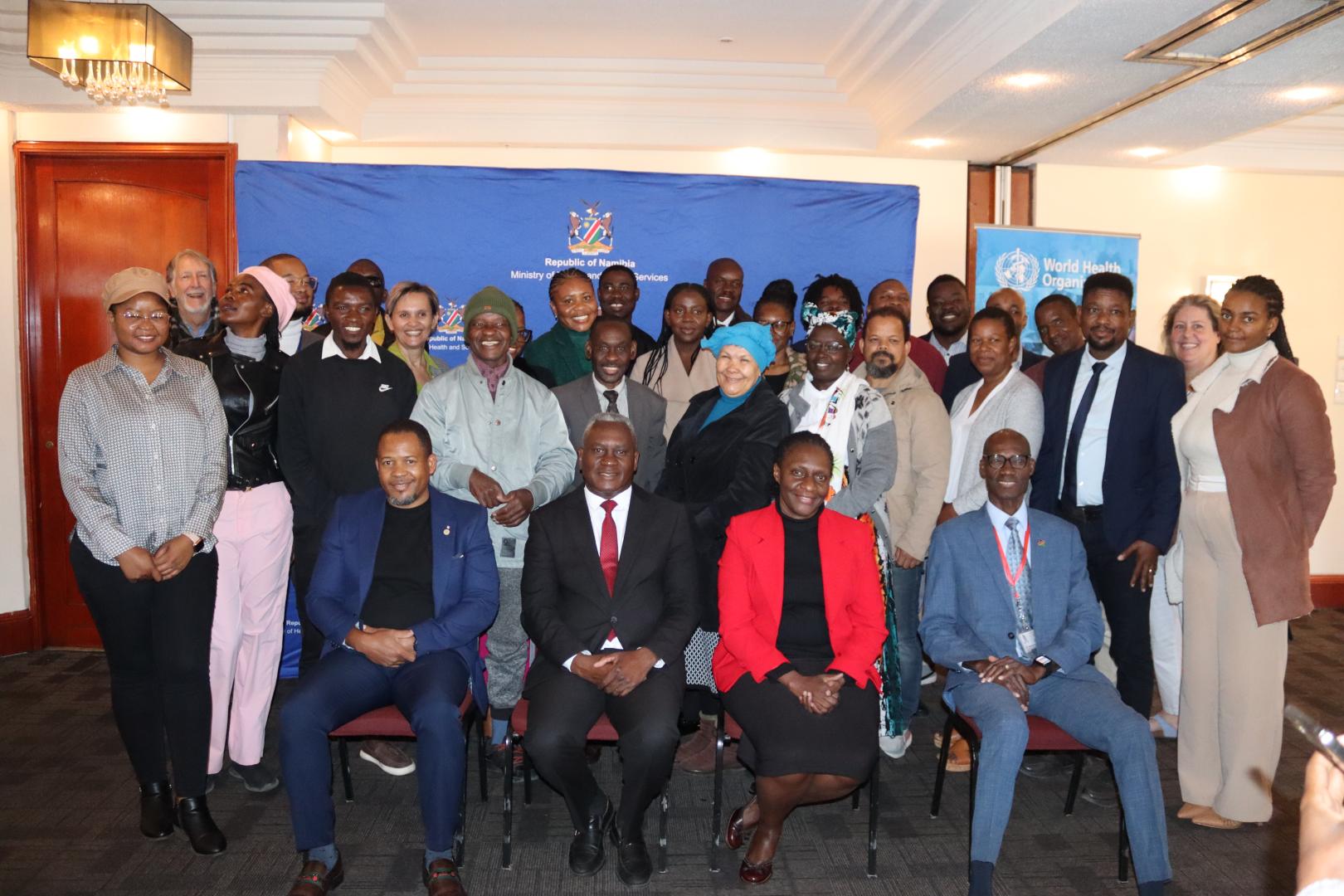
From 21 to 23 May 2025, the Ministry of Health and Social Services (MoHSS) in collaboration with the World Health Organization (WHO), the National Rehabilitation and Assistive Technology (AT) Technical Working Group and other partners, convened a national workshop in Windhoek to develop the country’s first National Rehabilitation and AT Strategic Plan. The workshop focused on reviewing the findings of the recent situation assessment and confirming strategic priorities to address identified country-specific gaps effectively.
WHO Regional Director Emeritus pays courtesy call to His Excellency President Duma Boko

President Duma Boko has acknowledged the urgent need to overhaul Botswana’s health systems, citing inefficiencies and delayed responsiveness that continue to cost lives. He was speaking during a high-level engagement with Dr. Matshidiso Moeti, former WHO Regional Director for Africa, who was accompanied by the WHO Representative to Botswana, Dr. Fabian Ndenzako and other officers from the WHO country office.
Driving through barriers: Joan Kaitesi's journey on male-dominated roads
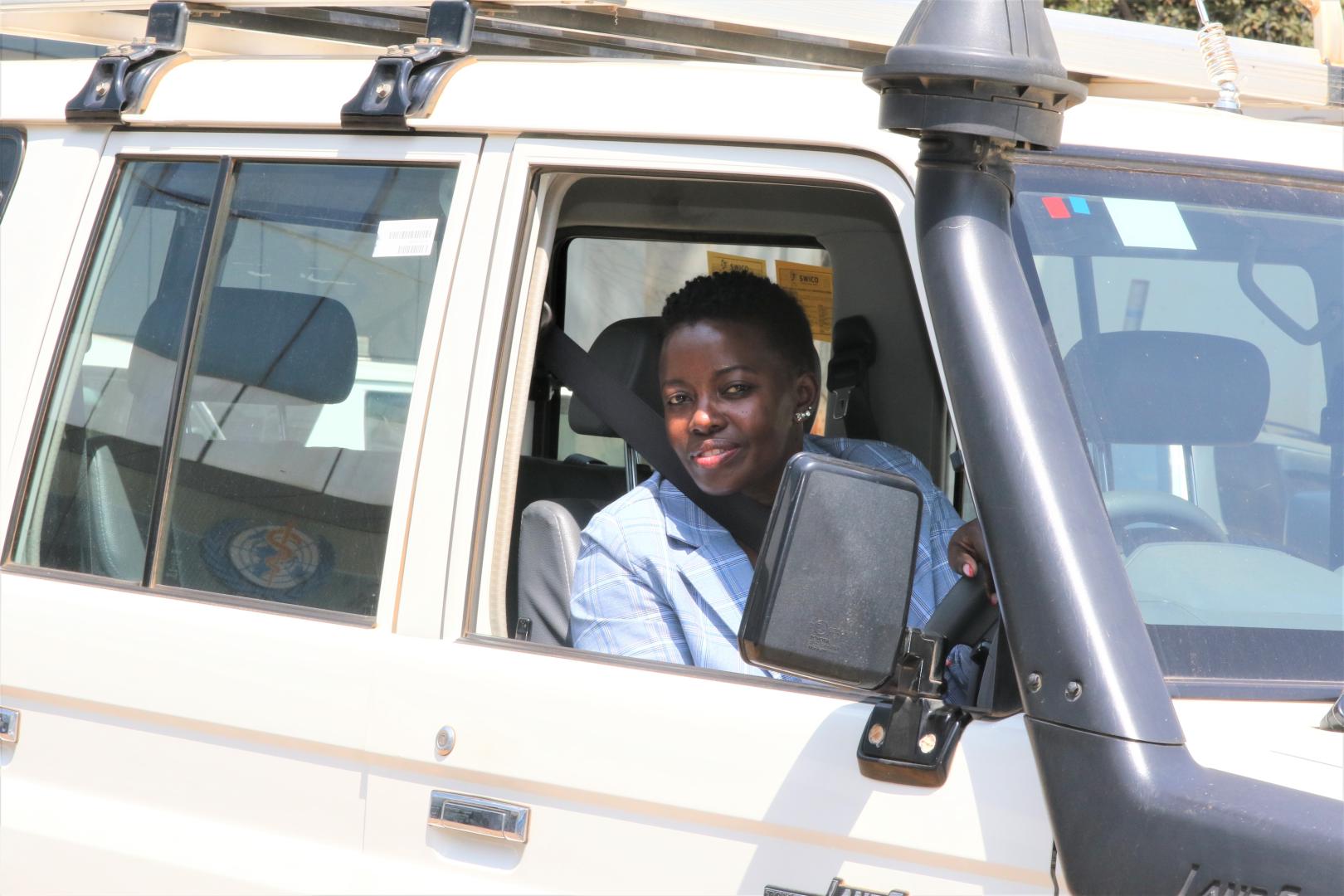
Kampala – In the heart of Uganda’s capital, 35-year-old Joan Kaitesi navigates the city’s infamous traffic jams with calm determination. As a driver for the World Health Organization (WHO) Uganda country office, Joan’s professionalism shines through the daily chaos of blaring horns and impatient road users.
Ethiopia embarks on major initiative to create a Public Health Emergency Management Center of Excellence
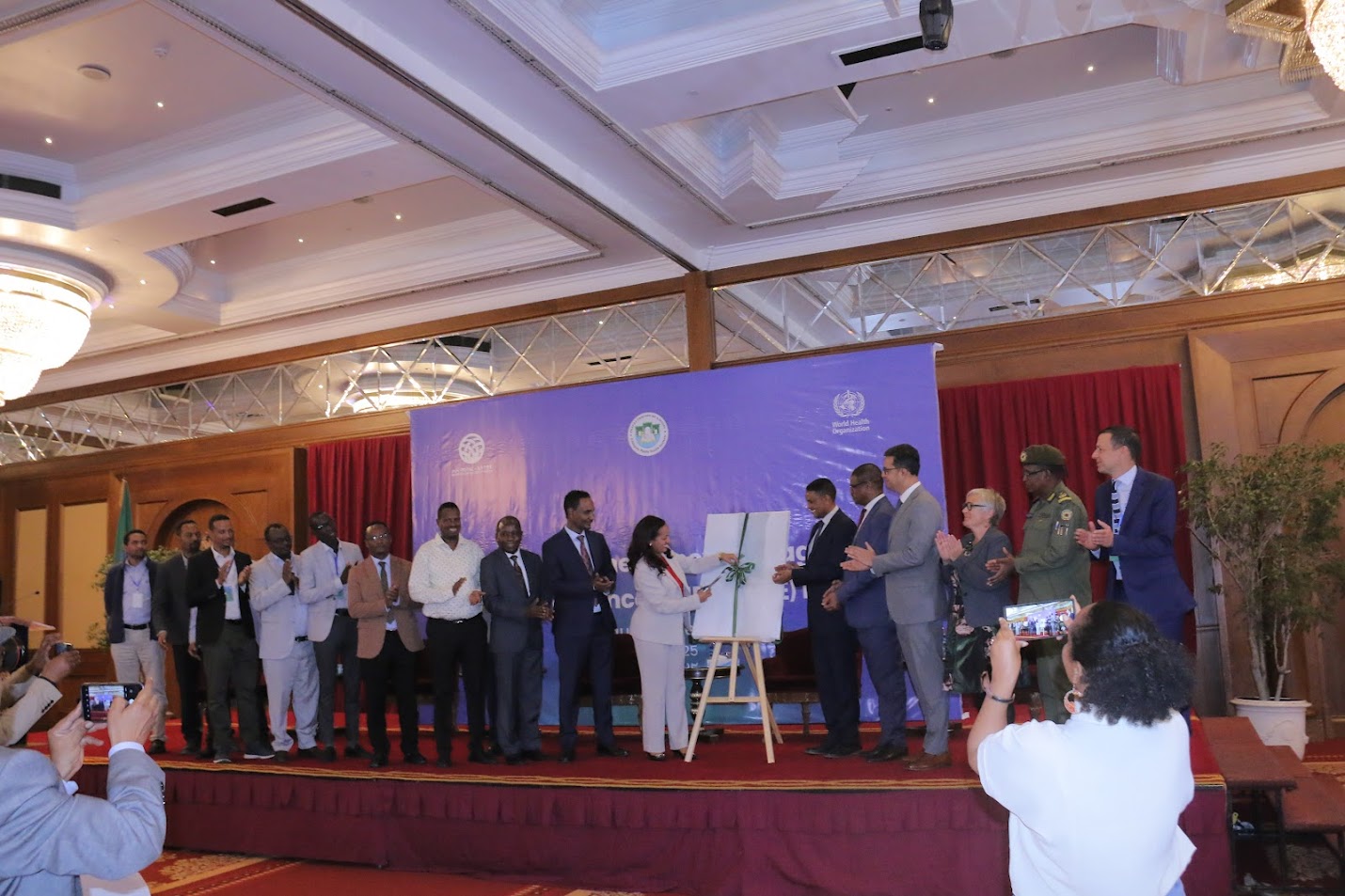
In a significant effort to enhance health emergency preparedness and response in Ethiopia and the surrounding region, the Ministry of Health and the Ethiopian Public Health Institute (EPHI) have launched an advocacy initiative for the establishment of a Public Health Emergency Management (PHEM) Center of Excellence. This initiative was unveiled during a high-level panel discussion in Addis Ababa, in collaboration with the World Health Organization (WHO).
World Health Organization and TY Danjuma Foundation sign US$ 2.26 million partnership to strengthen primary health care in Nigeria
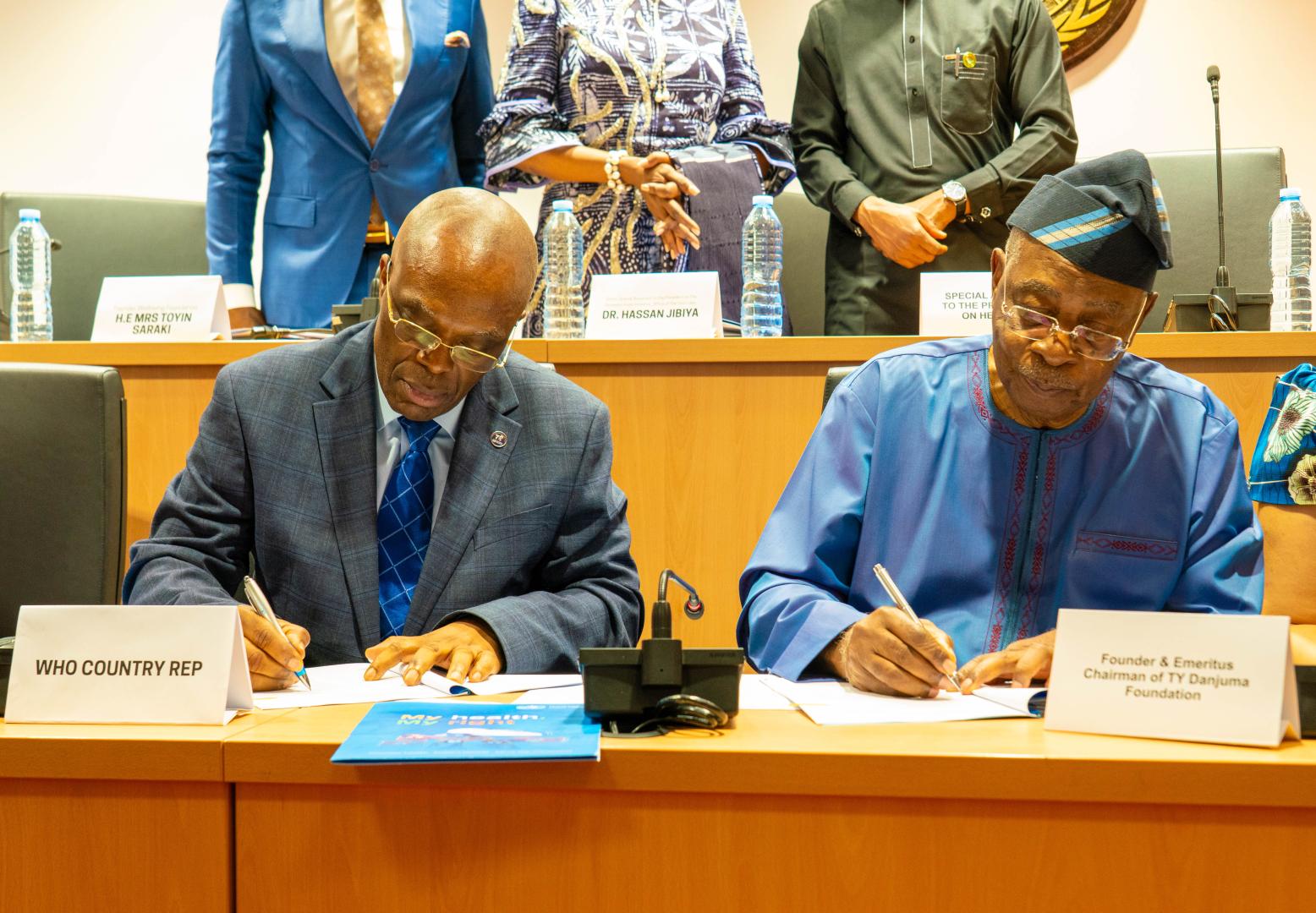
Abuja ‒ The World Health Organization (WHO) and the TY Danjuma Foundation have formalized a US$ 2.26 million grant agreement to enhance health system resilience, improve maternal and child health, and revitalize primary health care in Nigeria’s underserved communities. The agreement was signed at a ceremony in United Nations House, Abuja, by Dr Walter Kazadi Mulombo, WHO Representative in Nigeria, and Lt. Gen. Theophilus Yakubu Danjuma (GCON, RTD), Founder and Emeritus Chairman of the TY Danjuma Foundation.
Private Sector and Youth Volunteers Join Forces with WHO and EU to Fight Cholera in Angola
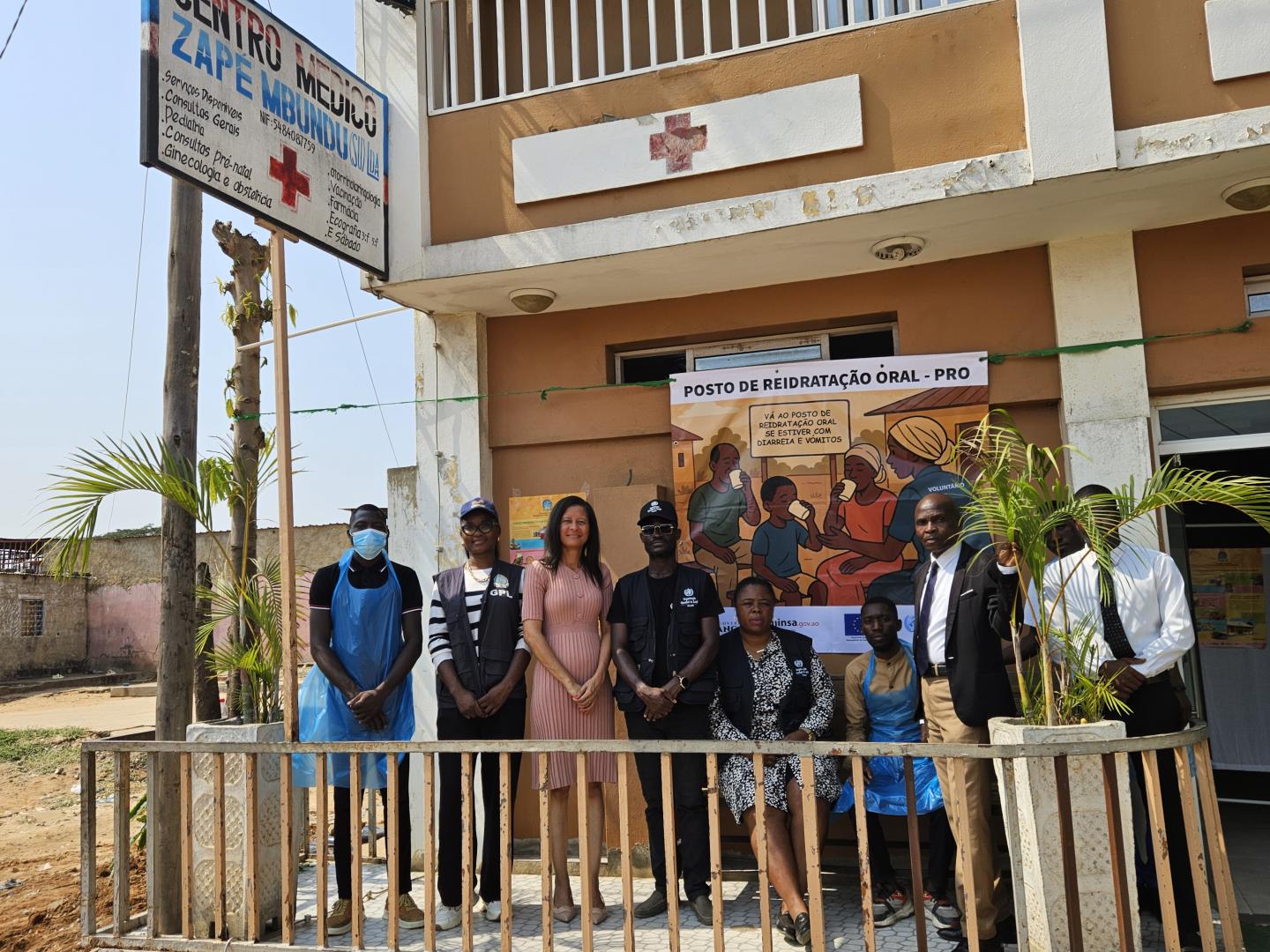
Kilamba Kiaxi, Luanda –In the heart of Kilamba Kiaxi municipality in Luanda, the Zape Mbundu Medical Center, led by Director Pedro Zavelela, is playing an important role in Angola’s fight against the ongoing cholera outbreak. Opened in 2001, the private clinic is now home to one of the first Oral Rehydration Points (ORPs) established in Luanda with support from the World Health Organization (WHO) and funding from the European Union through the European Civil Protection and Humanitarian Aid Operations (ECHO).
Malawi Secures Gains Against Polio, Strengthens Health Systems for the Future

Lilongwe-As Malawi celebrates its first anniversary after officially closing its reimported wild poliovirus (WPV1) outbreak, the country is taking strategic steps to sustain hard-won gains and strengthen its broader health system. On 24 April 2025, health leaders, partners, and stakeholders gathered for the National Polio Transition Planning meeting, an important milestone in ensuring that the infrastructure built to eradicate polio continues to serve Malawi’s communities for years to come.
From Polio Response to Long-Term Resilience
WHO field hubs strengthen health systems and emergency response in Ethiopia
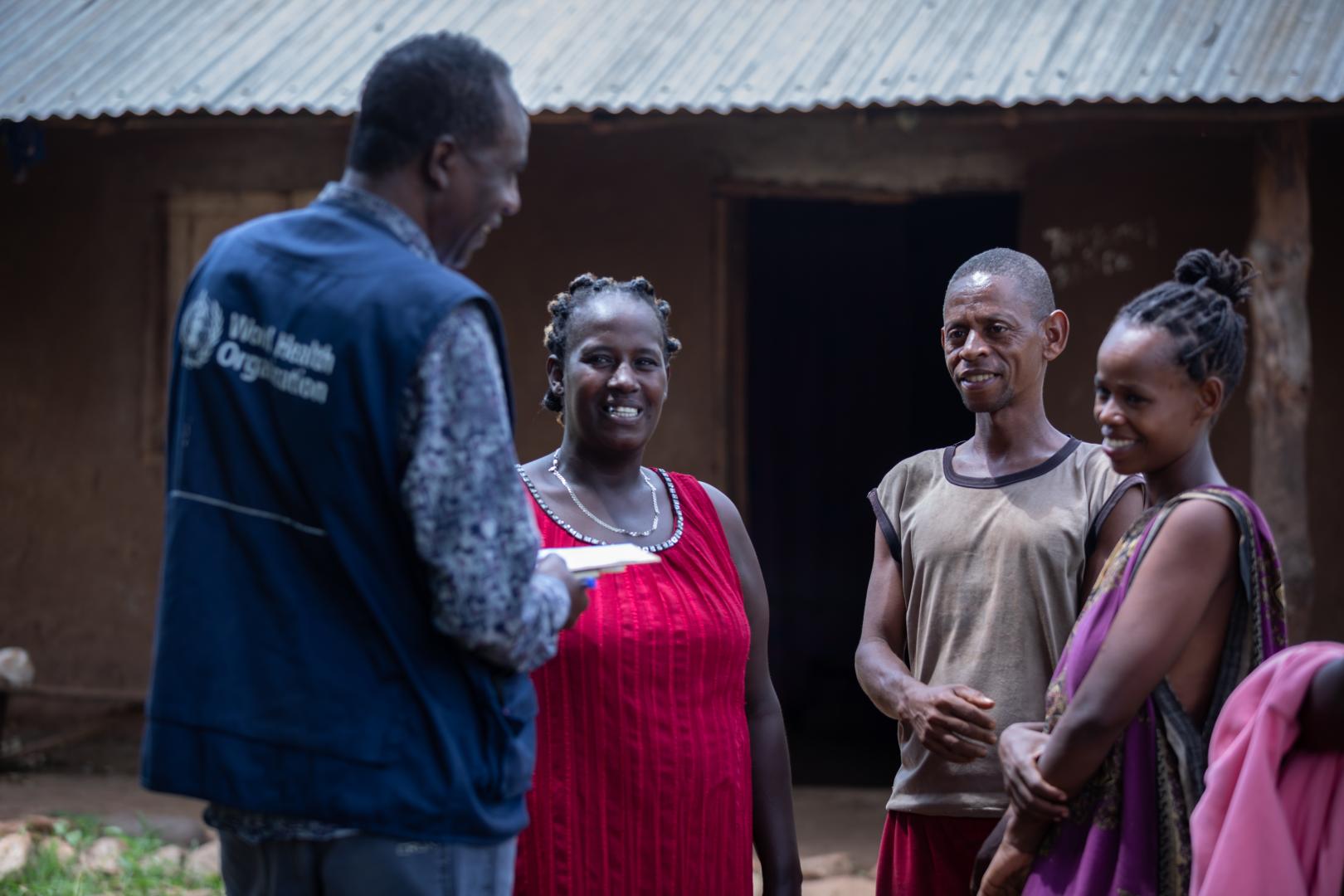
Ethiopia has endured multiple humanitarian situations recently, from conflict and displacement to disease outbreaks and climate shocks. These challenges have created a prolonged humanitarian situation, leaving over a million people displaced or in returnee status and straining access to essential health services.
Communities in Sierra Leone are ready for the mpox vaccine
Freetown, Sierra Leone - Community engagement is visibly reshaping Sierra Leone’s response to mpox. Since the first confirmed case in January 2025, health workers and mobilisers have been moving steadily through affected areas, bridging information gaps, building trust, and helping people understand how to protect themselves and their families.
Expanding access to health data training through virtual learning in Kenya
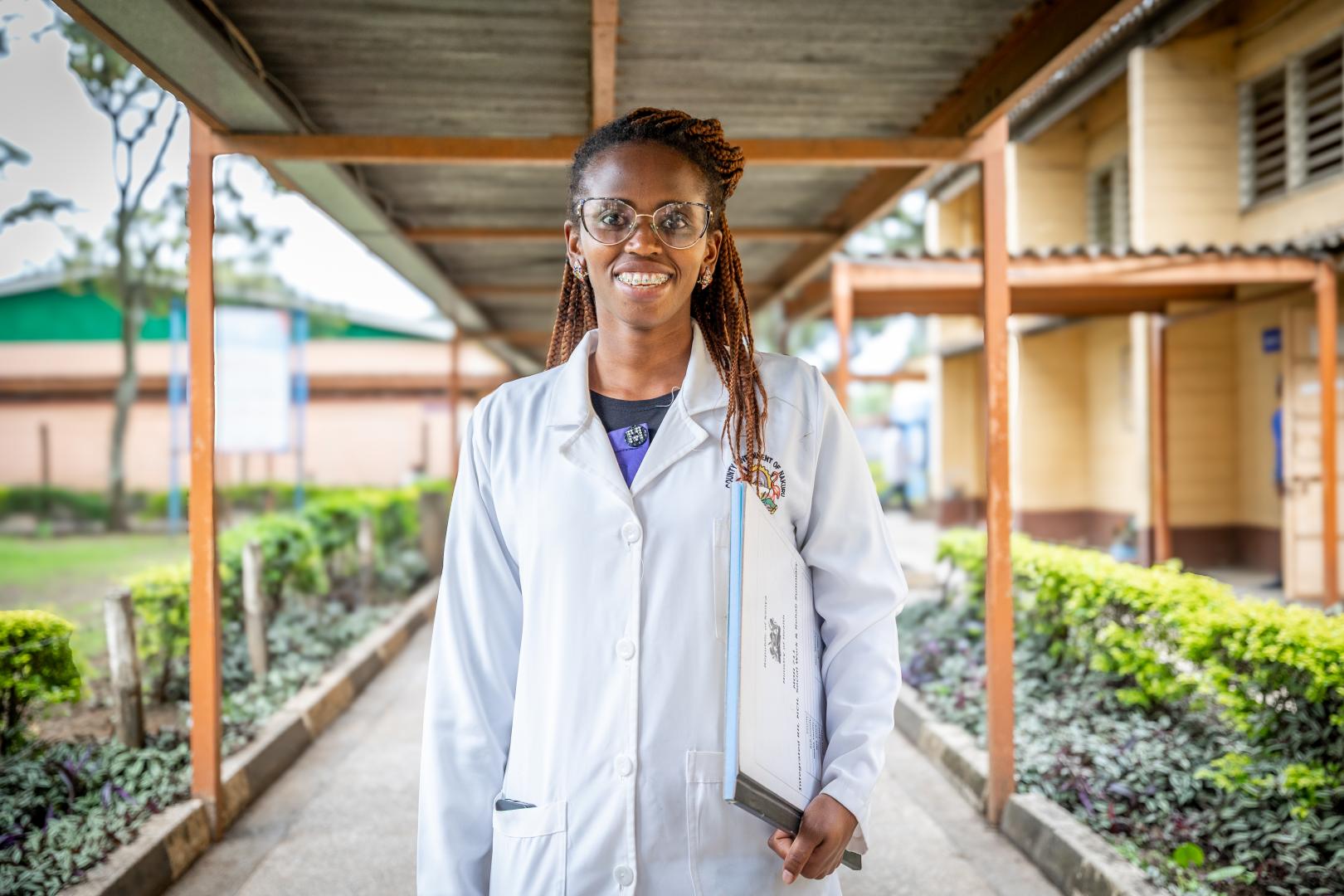
Nairobi—In 2025, as global health agencies adjusted to tighter budgets, WHO Kenya and the Ministry of Health transitioned to a virtual platform to train health records and information officers in Kenya.
The online format enabled broad participation, with over 1,000 health records and information officers from across all 47 counties registering and 875 successfully completing the month-long programme. The training focused on advanced data analysis and geospatial visualization using Microsoft Excel and QGIS.