Promoting safety through clean hands: PMH marks World Hand Hygiene Day
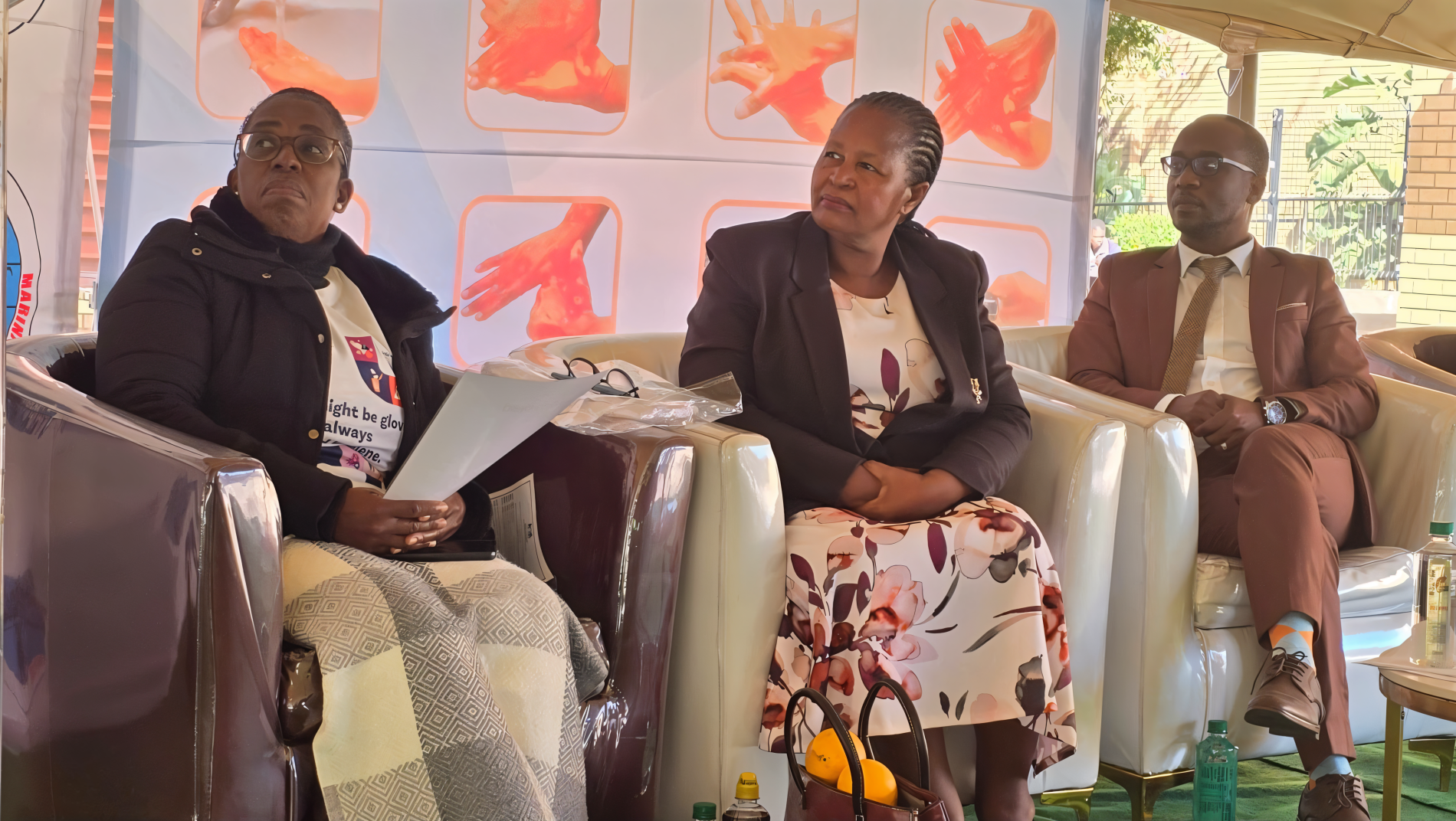
Princess Marina Hospital (PMH) joined the global health community in commemorating World Hand Hygiene Day, underscoring the importance of hand hygiene in saving lives and preventing infections in healthcare settings. The event, supported by the World Health Organization (WHO), brought together health professionals, administrators, and the public under the banner of this year’s theme: “It might be gloves. It’s always hand hygiene.”
Enhancing epidemic intelligence in Ethiopia: lessons from the EIOS capacity-building workshop
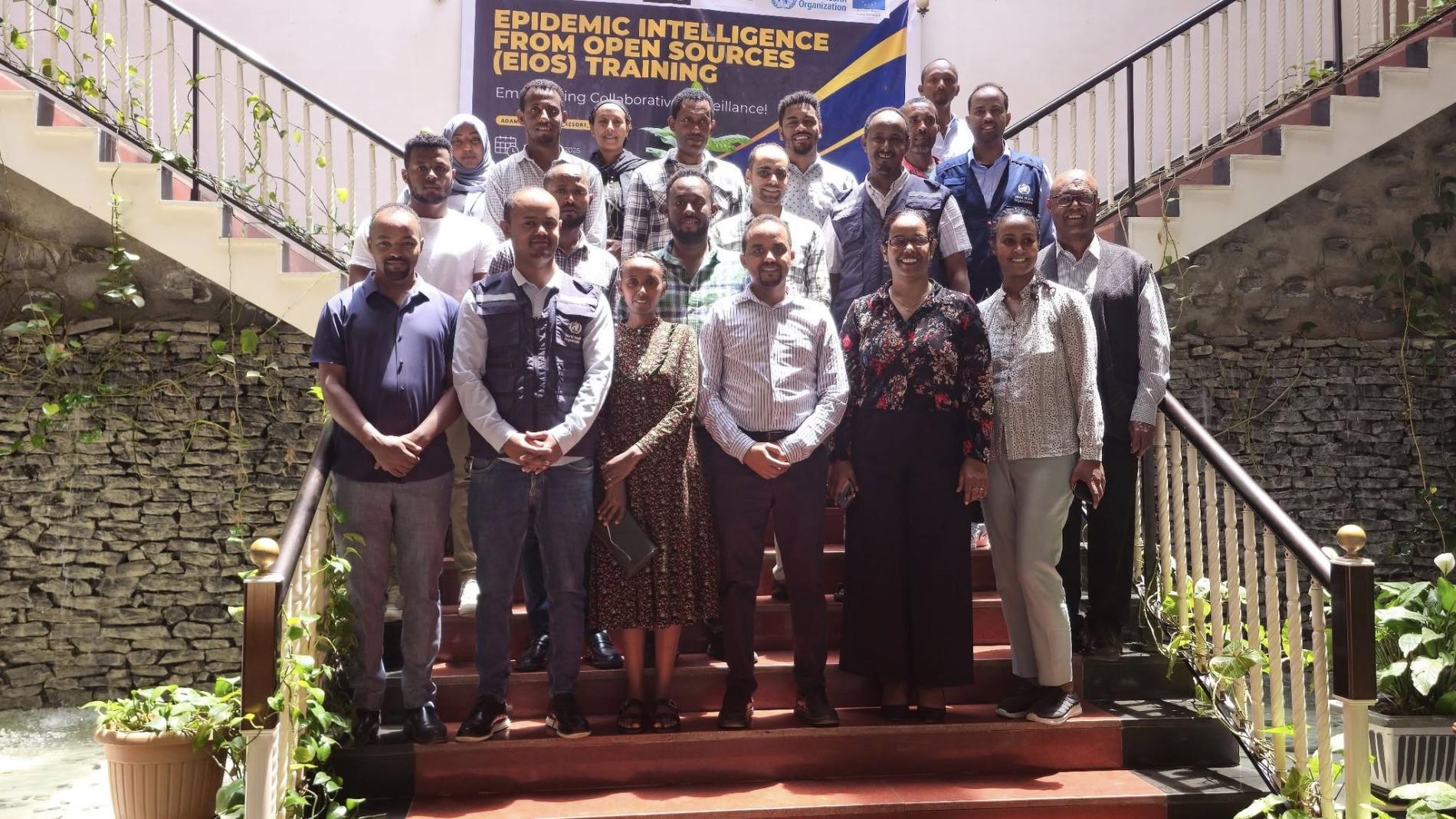
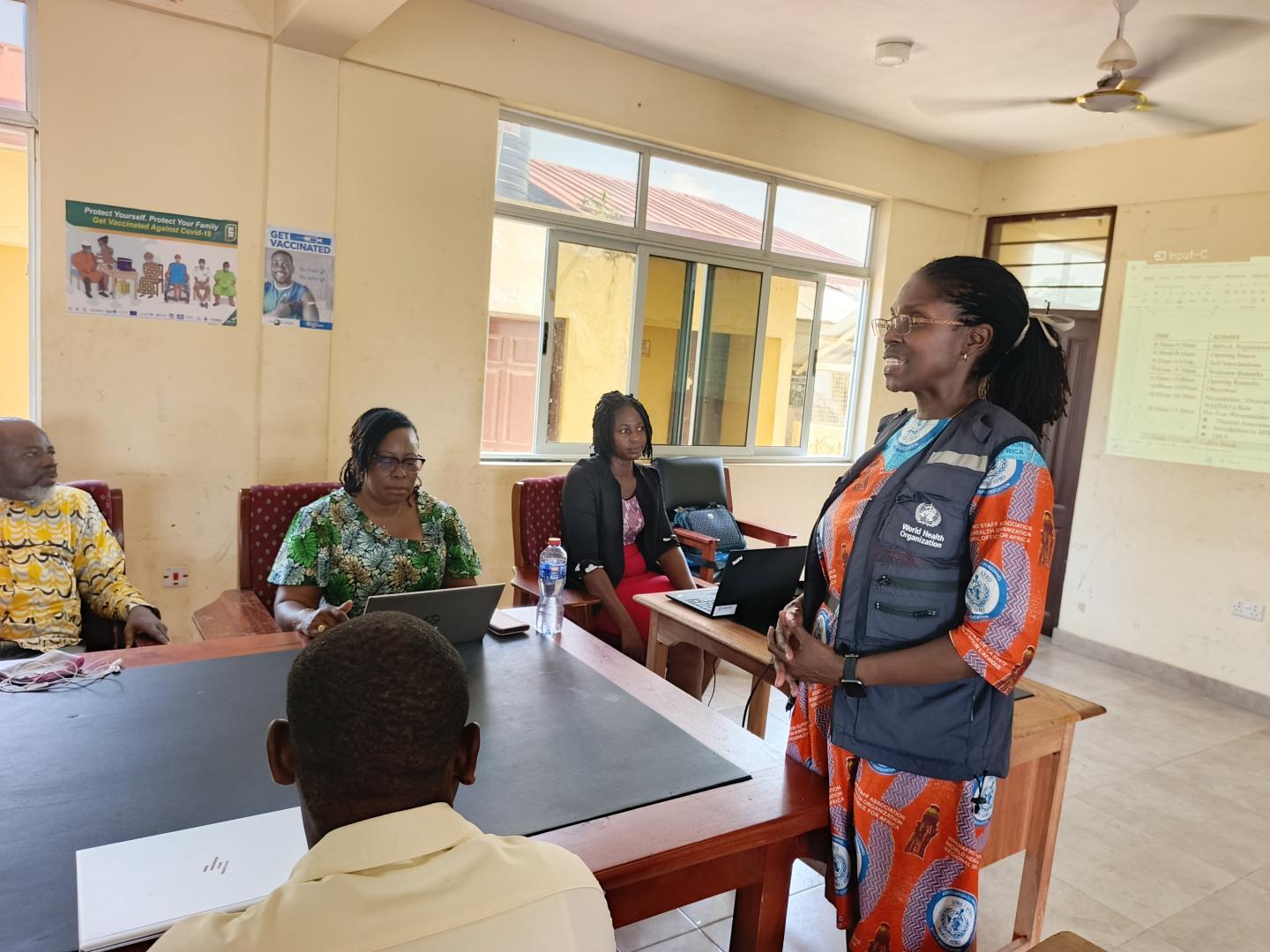
Timely detection and response to public health threats are essential to global health security, particularly in countries vulnerable to frequent outbreaks. As part of its ongoing efforts to strengthen surveillance systems in line with the International Health Regulations (IHR 2005) and the Integrated Disease Surveillance and Response (IDSR) framework, the Ethiopian Public Health Institute (EPHI), in collaboration with the World Health Organization (WHO), organized a national training workshop on Epidemic Intelligence from Open Sources (EIOS).
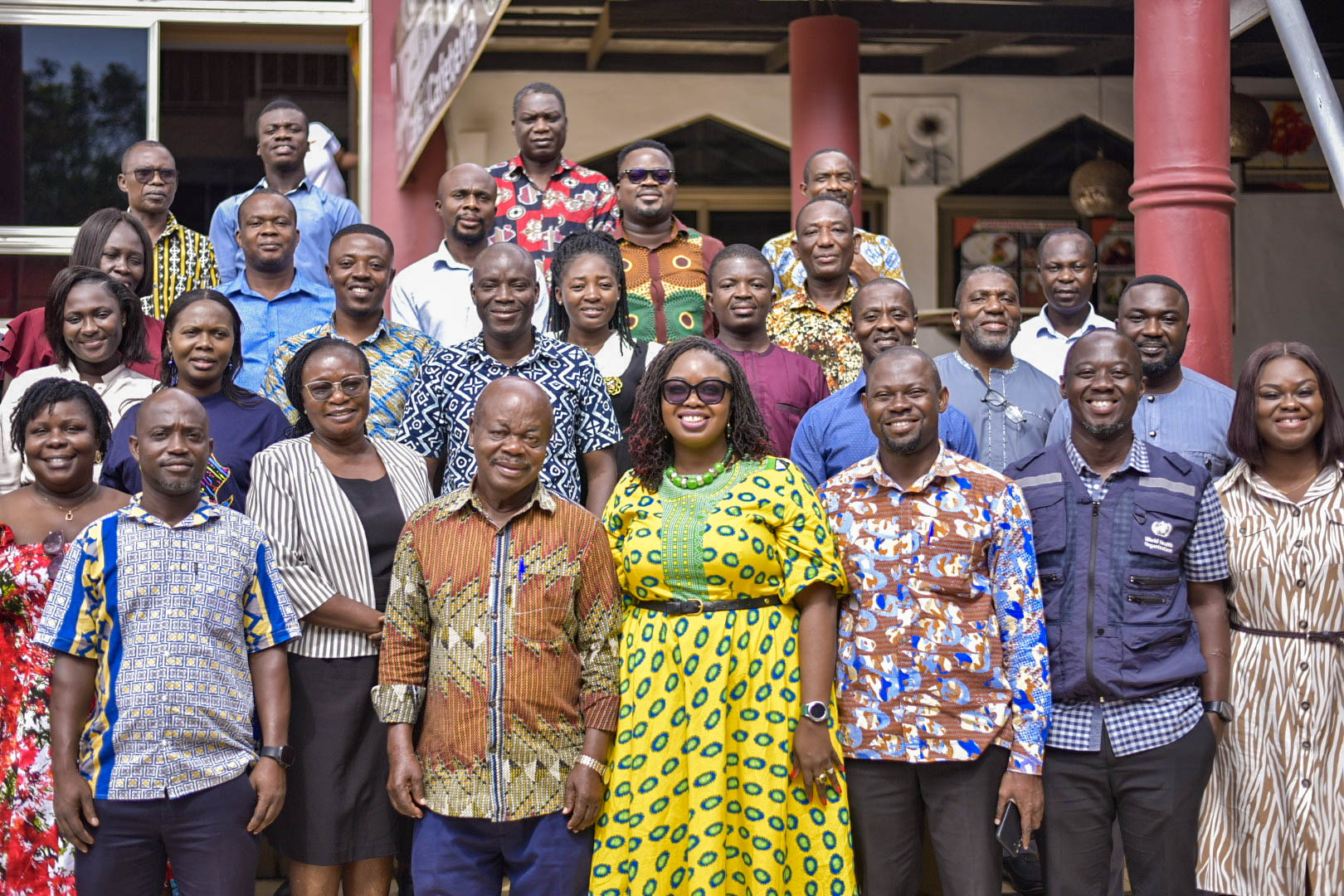
Ghana Strengthens Immunization Capacity for a Nationwide Training for Health Managers
World Health Assembly endorses 17 November as World Cervical Cancer Elimination Day: South Africa and Nigeria lead Member States in advancing a dedicated Global Day of Action
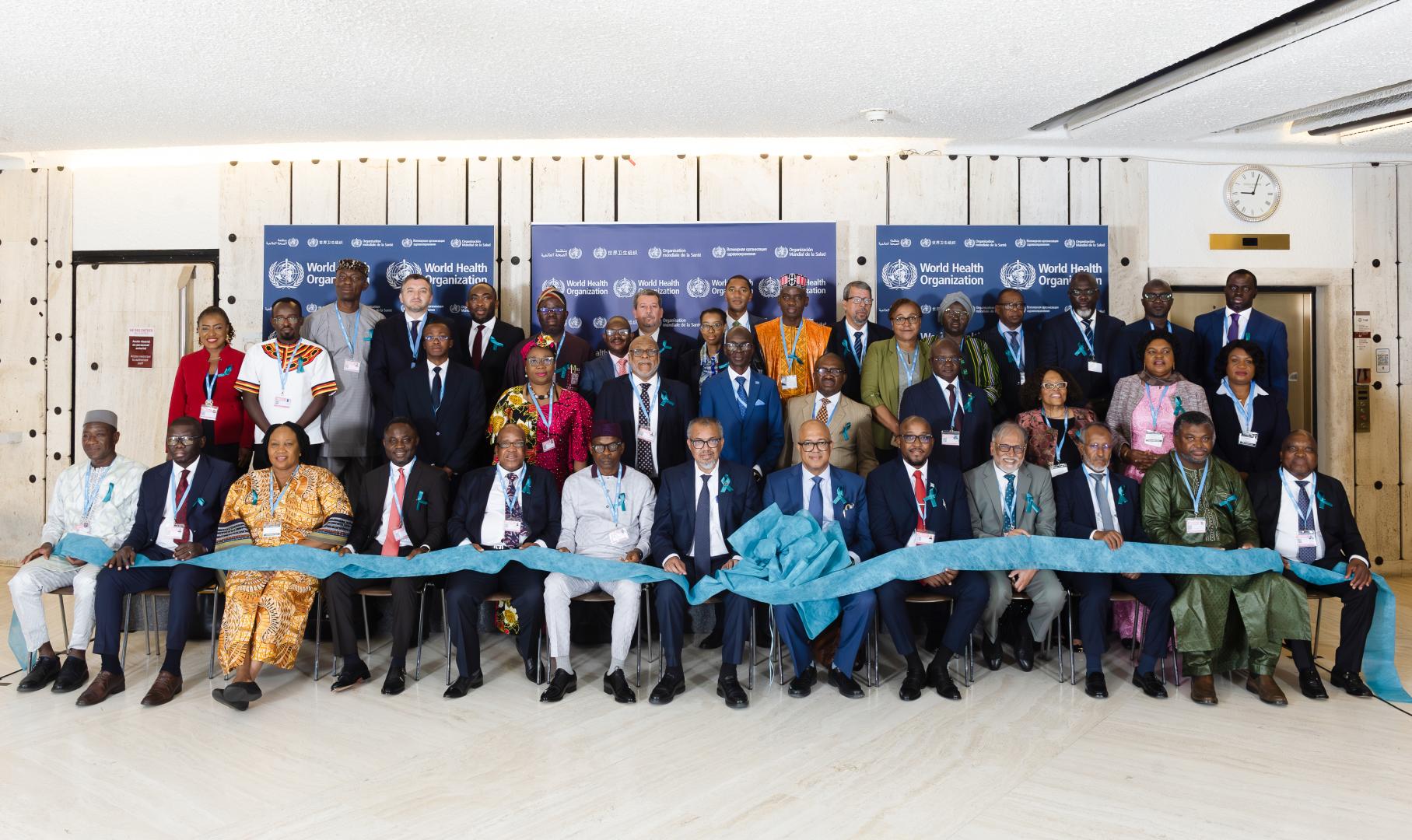
Pretoria, South Africa/ Geneva, Switzerland Member States at the 78th session of the World Health Assembly have adopted a resolution to designate 17 November as World Cervical Cancer Elimination Day. Brought forward by South Africa and Nigeria, and co-sponsored by over 60 countries from across WHO regions, the resolution affirms growing international commitment to eliminating one of the most preventable cancers affecting women.
Malawi Launches National Immunization Strategy During African Vaccination Week

Lilongwe – The Government of Malawi, through the Ministry of Health, officially launched the National Immunization Strategy (NIS) 2025–2030, a bold initiative designed to increase vaccine coverage, combat preventable diseases, and support the country’s commitment to Universal Health Coverage (UHC). The launch coincides with African Vaccination Week, celebrated from April 24 to 30 under the theme: “Immunization for All is Humanly Possible.”
WHO supports NADMO to Equip Frontline Responders to Improve Disaster Response
Public Health Emergencies are increasingly becoming complex and frequent and complex, often driven by a convergence of factors including disease outbreaks, climate-related events, technological hazards, and environmental degradation. In such a landscape, effective emergency response depends on coordinated, multi-sectoral efforts grounded in accurate, real-time information.
Uganda steps up: Pioneering mercury-free healthcare for a safer future

At a bustling outpatient clinic on the outskirts of Kampala, a nurse reaches for a thermometer—slim, silvery, and fragile. It’s a mercury-containing device, once a staple in healthcare, now recognized as a silent hazard. Uganda is taking bold steps to eliminate such risks and transition toward mercury-free healthcare.
Uganda tests mass casualty readiness ahead of Martyrs' day pilgrimage
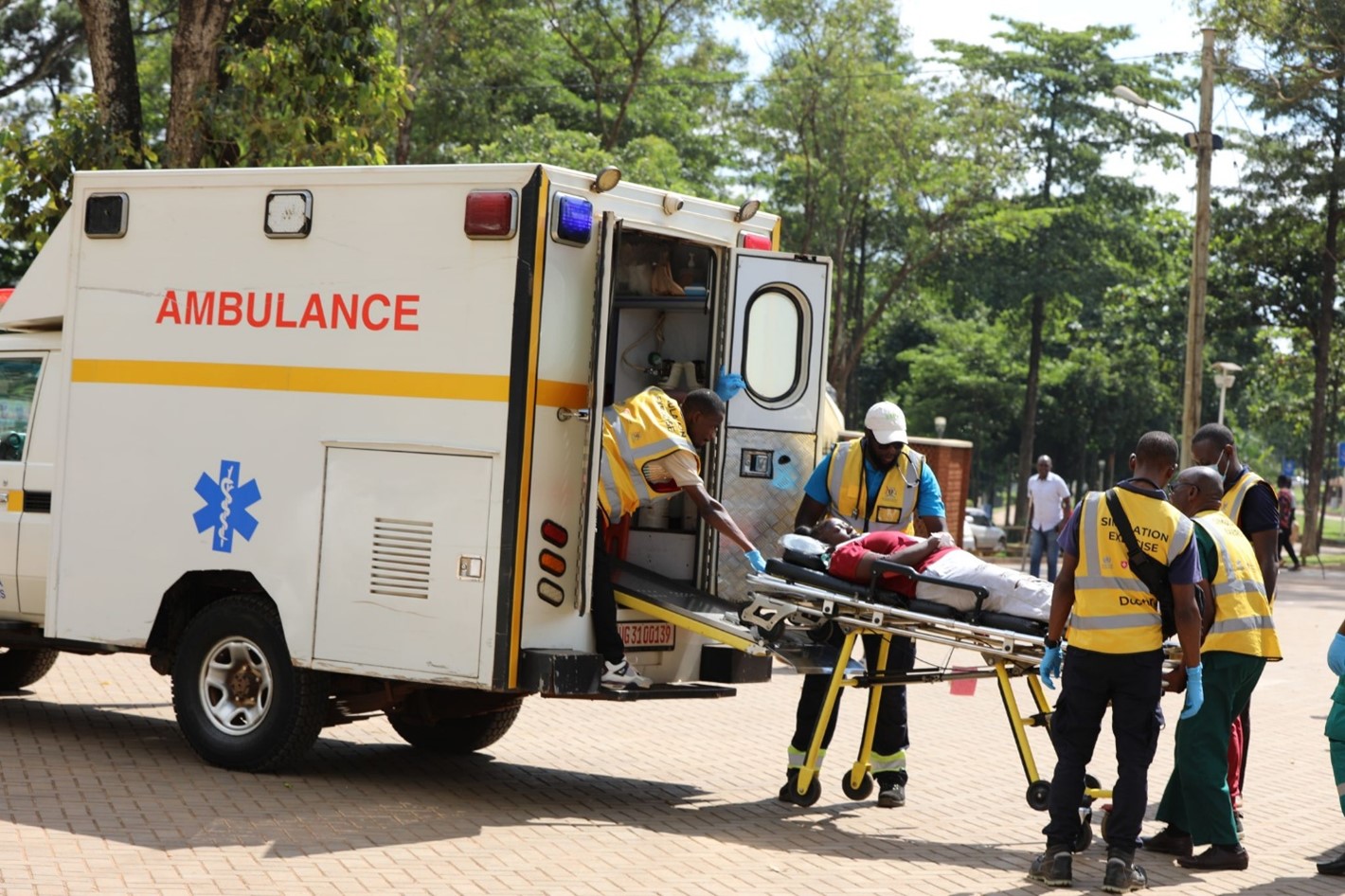
As Uganda prepares to host thousands of pilgrims for the annual Martyrs day pilgrimage on 3 June 2025, the Ministry of Health, with support from World Health Organization (WHO) and Malteser International, conducted a full-scale simulation exercise at the Namugongo Catholic Shrine to assess the country’s capacity to respond to mass casualty incidents during large public gatherings.
World Health Organization supports bushfire live dialogues at the University of Eswatini, focusing on mental health challenges
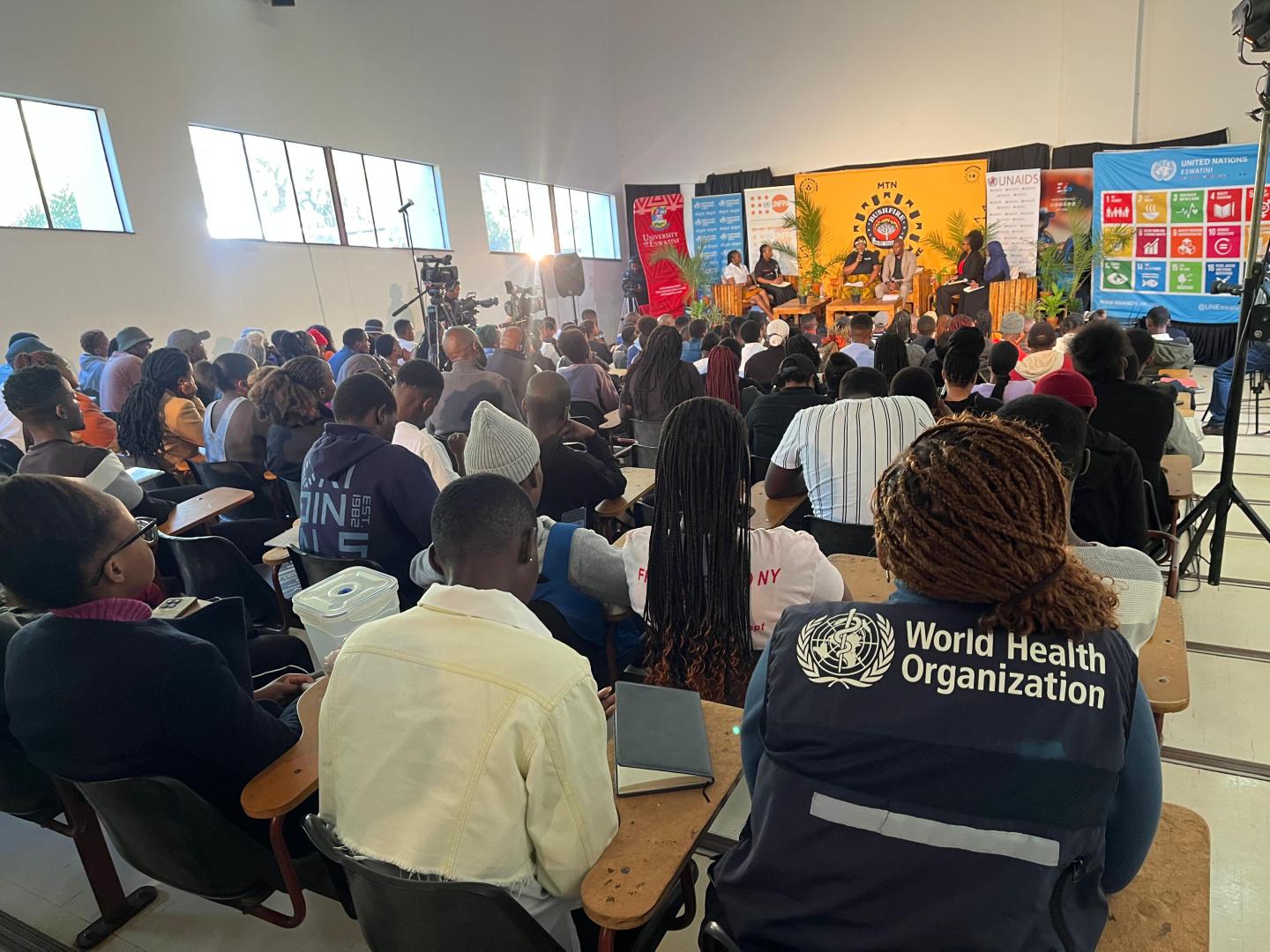
Mbabane—In the vibrant heart of the University of Eswatini, Kwaluseni campus, a lively community hall bustled with energy, ready for the MTN Bushfire Live Dialogues. This platform brought together a diverse mix of experts in HIV, GBV, and mental health, alongside young leaders, and community members, all eager to shape conversations pivotal for their future.
Cabo Verde is investing in improving the quality of care for the elderly
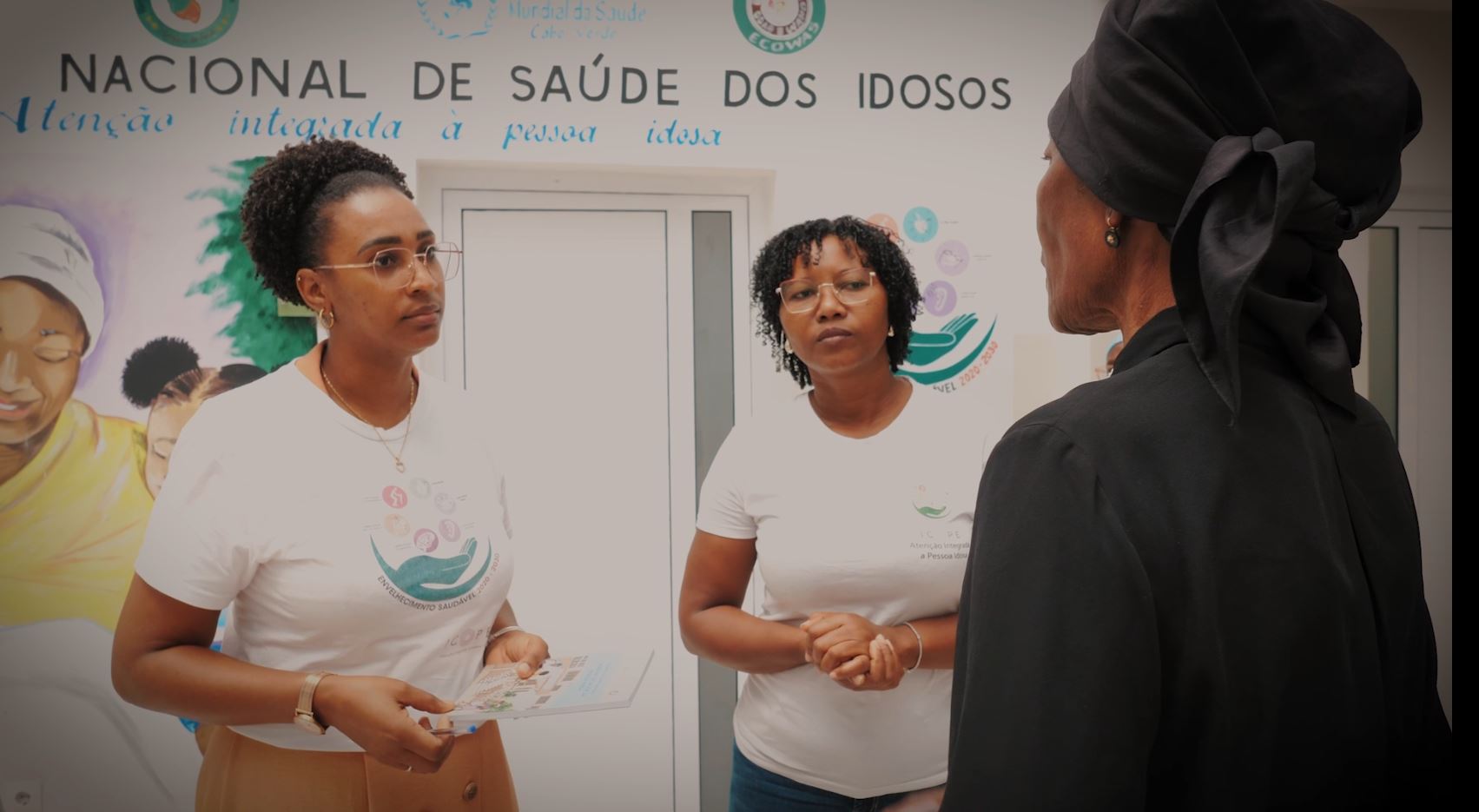
Ana Rita’s life has improved since she began attending regular consultations at the local health unit in Assomada, on Santiago Island.
She is resuming a normal life after suffering a stroke during the COVID-19 pandemic and is significantly benefiting from the country’s efforts to improve elderly healthcare.
“I feel well received at this center, where we have our own room, and the attention and care we receive here have a great impact on our health,” says Ana Rita.