Promoting Hand Hygiene to Save Lives: WHO and Ministry of Health Mark 2025 World Hand Hygiene Day
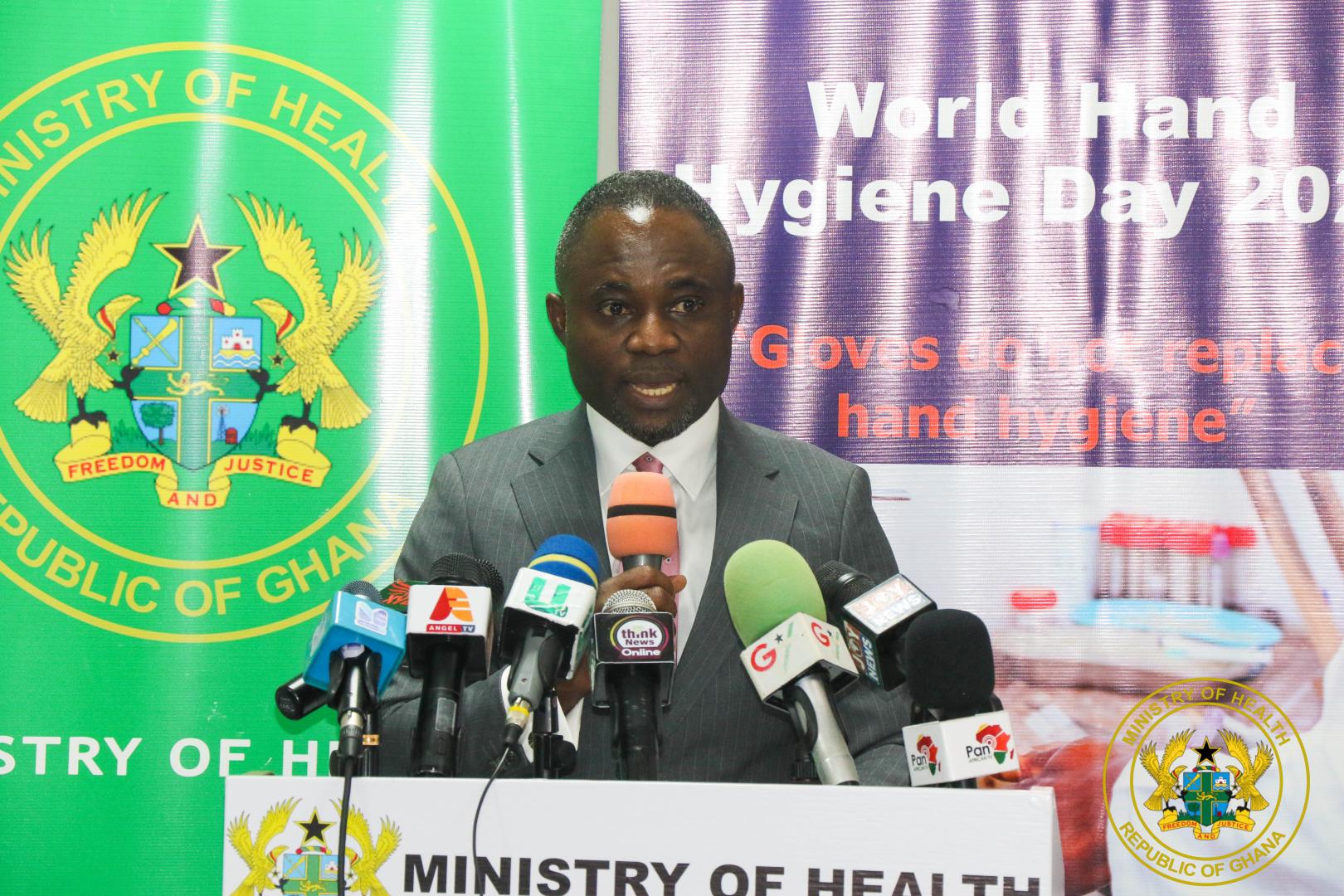
The World Health Organization joined the Ministry of Health (MoH) and partners to commemorate World Hand Hygiene Day (WHHD), reinforcing the critical role of hand hygiene in preventing infections and ensuring patient safety within healthcare settings.
This year’s theme “It may be gloves, it is always hand hygiene” highlights the ongoing need for proper hand hygiene practices—even when gloves are used.
Botswana prepares for the 3rd call for proposals to the Pandemic Fund
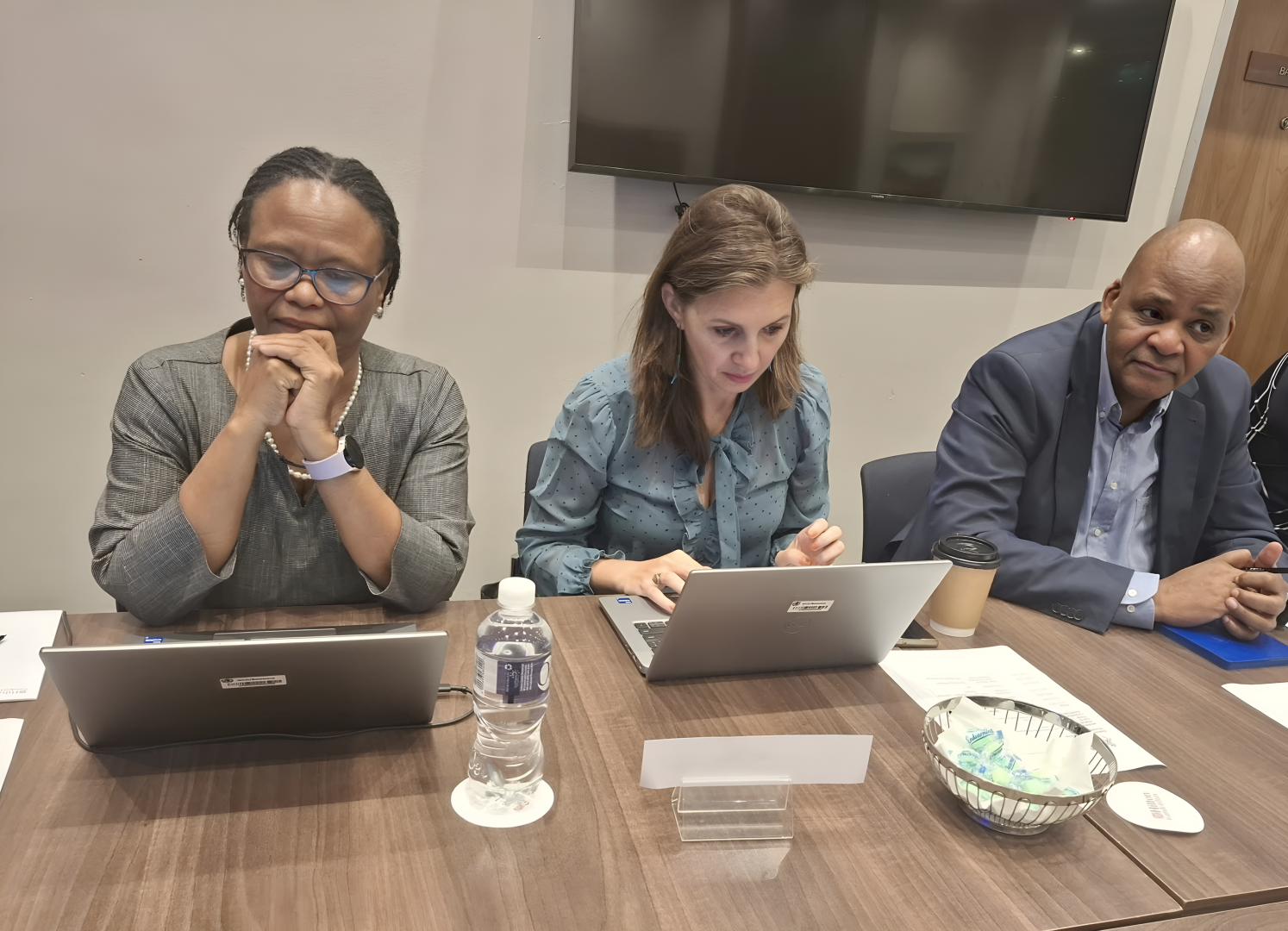
In response to the third call for proposals by the Pandemic Fund, an international financing mechanism with a budget of $500 million, Botswana developed a single-country proposal aimed at strengthening its health systems for pandemic preparedness and response through a One Health approach. The Fund supports countries with multiyear grants to enhance health system resilience, increase investments, and improve readiness for future health threats.
Sierra Leone charts bold new path to quality hospital care
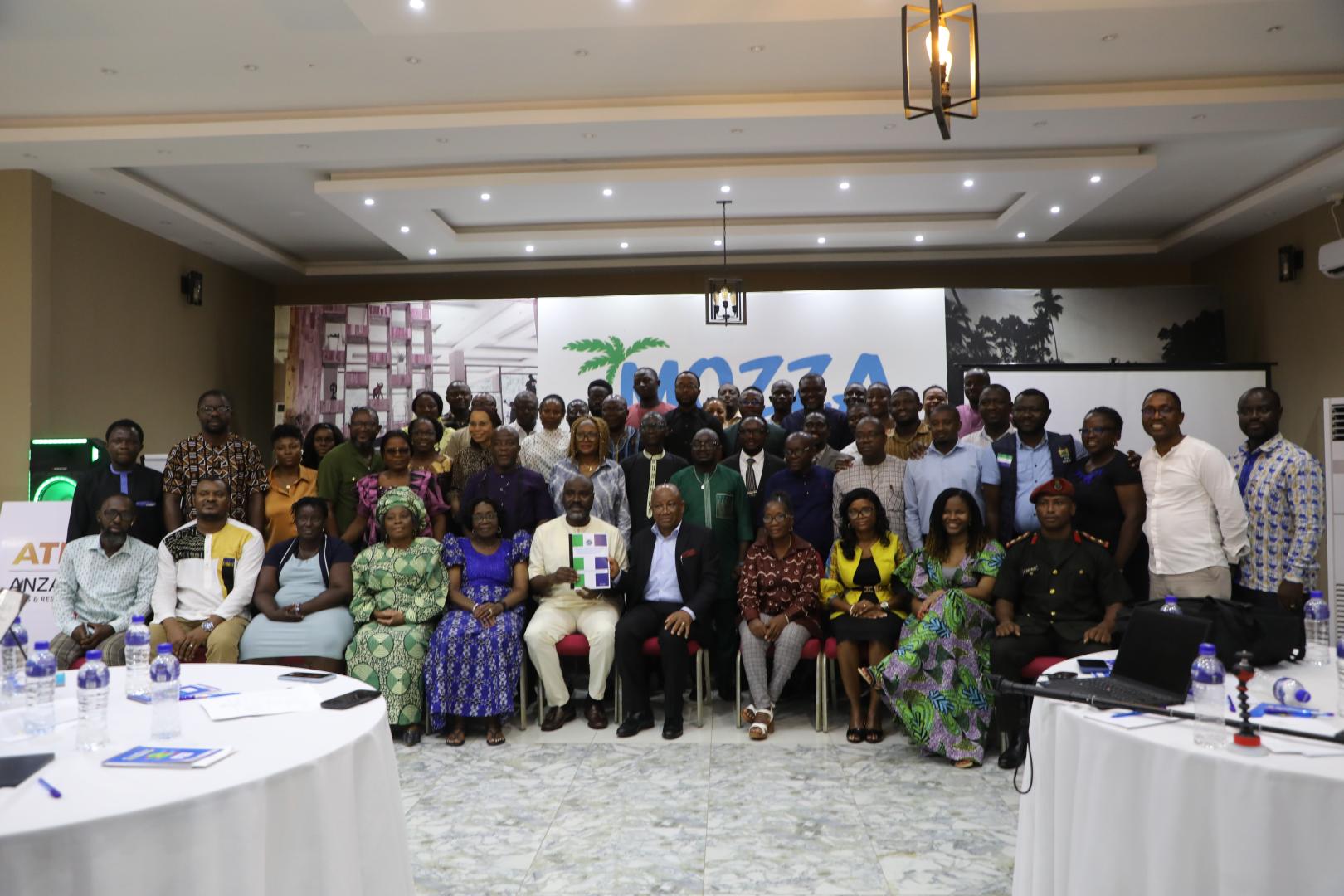
Freetown - Sierra Leone has taken a major stride toward transforming the nation’s hospital services with the final validation of its first-ever National Hospital Strategy for Services Delivery Transformation. The comprehensive framework—validated today in Freetown—signals a decisive shift toward building a resilient, equitable, and patient-centered hospital system that meets the growing health needs of its people.
WHO Representative Dr Fabian Ndenzako briefs minister Modise ahead of World Health Assembly
The World Health Organization (WHO) Representative to Botswana, Dr Fabian Ndenzako, held a high-level debriefing session with the Honourable Minister of Health, Dr Stephen Modise, to discuss Botswana’s preparations for the upcoming World Health Assembly (WHA). The meeting comes shortly after the launch of Botswana’s National Health Insurance scheme, signaling the country’s commitment to strengthening its health system.
Ethiopia Walks the Talk for Healthy Beginnings Amid Global Funding Challenges

Addis Ababa, 5 May 2025 — Ethiopia launched the global commemoration of World Health Day 2025 with a spirited “Walk the Talk” event at the scenic Entoto Park in Addis Ababa. Held on the morning of 27 April, the event brought together a vibrant cross-section of society—government officials, UN representatives, health workers, families, and citizens—united in a shared commitment to promote maternal and newborn health under the theme “Healthy Beginnings, Hopeful Futures.”
Health outreach strengthened during African Vaccination Week in Tsabong
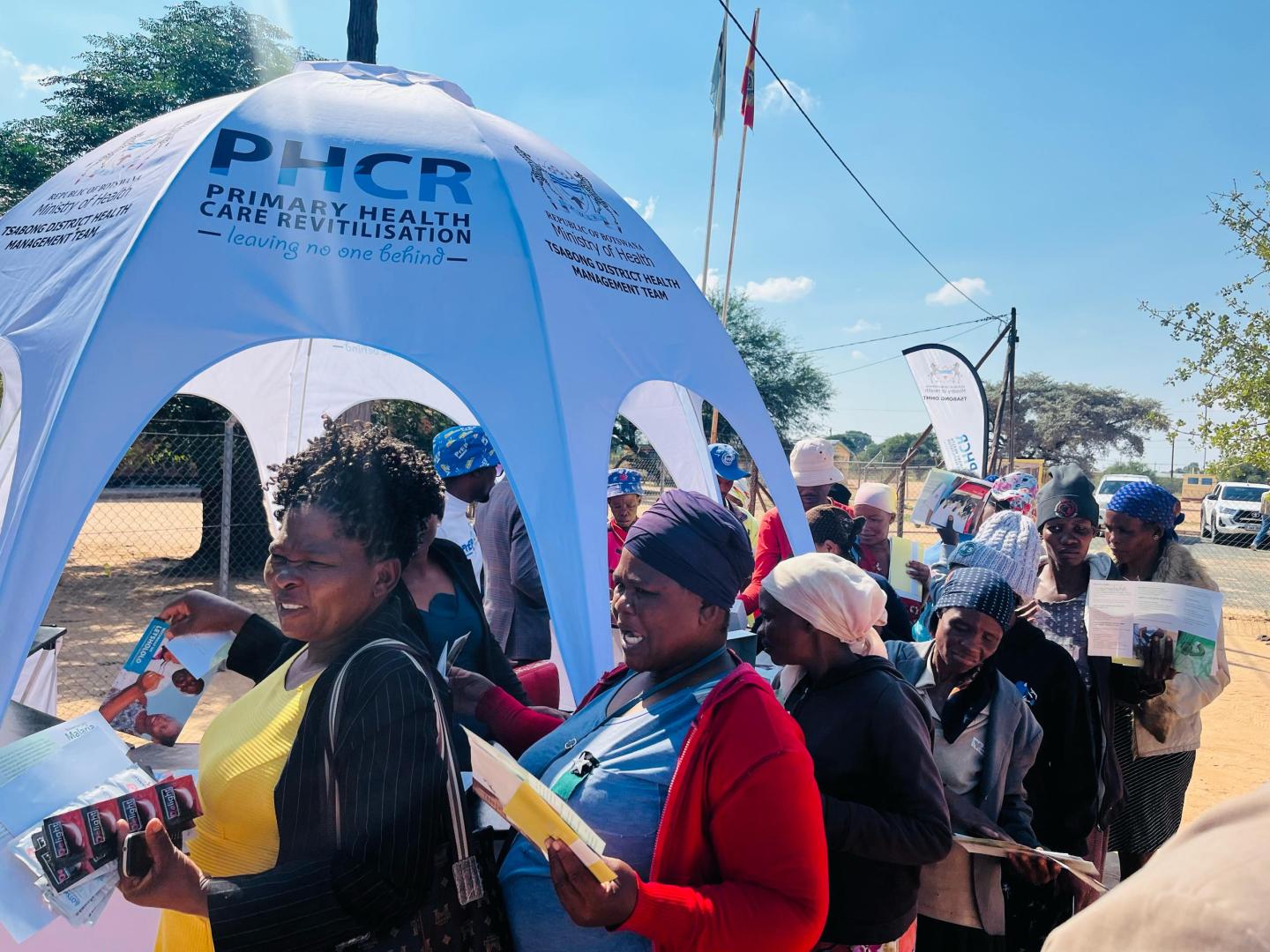
Botswana commemorated African Vaccination Week (AVW) from 24th to 30th April 2025 under the regional theme, “Immunization for All is Humanly Possible.” The weeklong campaign aimed to promote equitable access to immunization and integrate other high-impact child health interventions. In Tsabong District, the AVW activities served not only as an opportunity to provide health services but also to reach some of the district’s most remote and underserved populations.
WHO supports Mauritius in assessing and empowering the National Immunization Technical Advisory Group
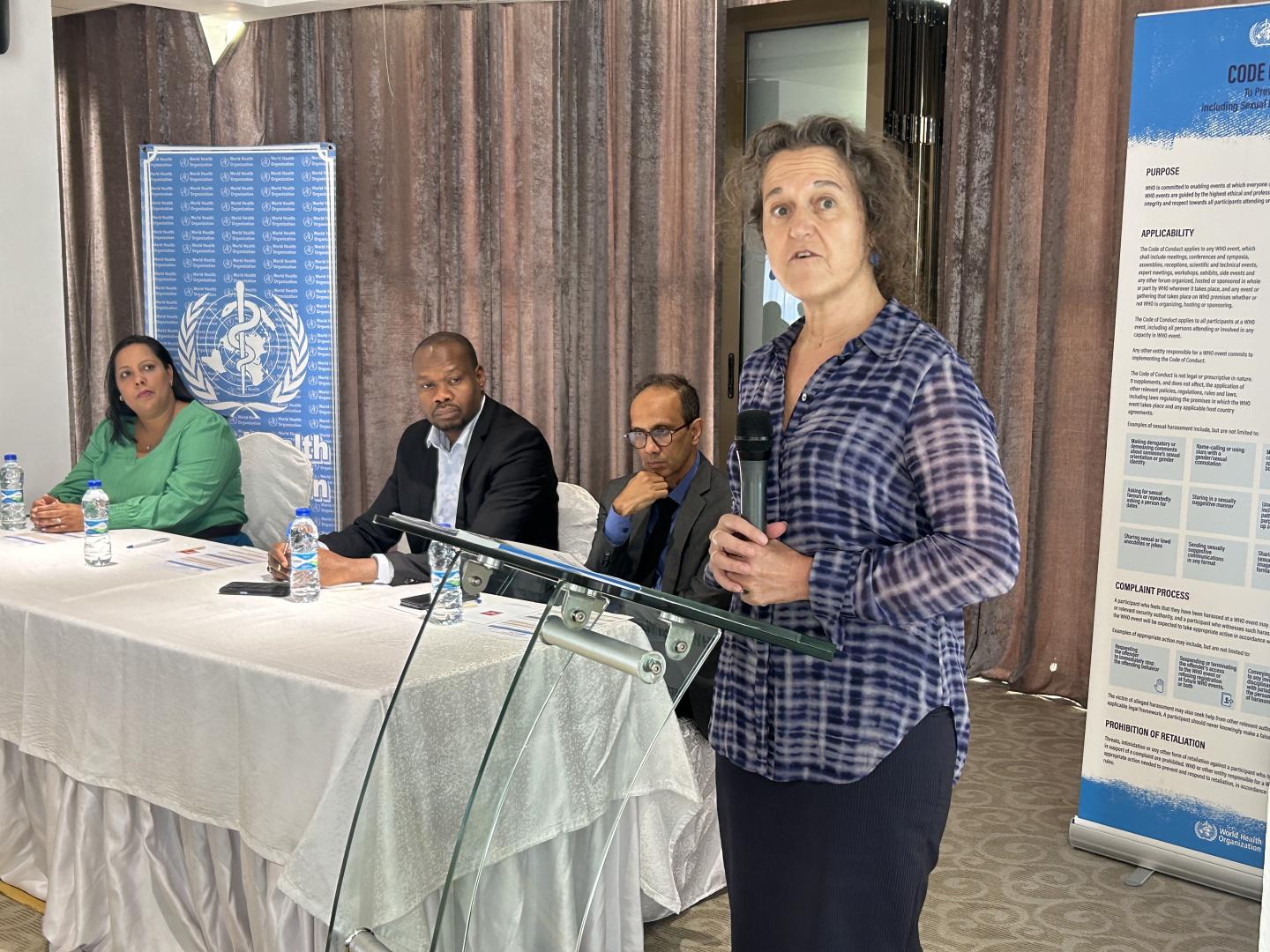
National Immunization Technical Advisory Groups (NITAGs) play a critical role in translating global immunization guidance into country-specific policies. Comprising of independent national experts, these bodies offer evidence-based recommendations tailored to local needs and contexts, enhancing trust in vaccines, protecting lives and strengthening public health outcomes.
“Yes! We Can End TB!” — WHO Calls for Accelerated Implementation of the Multisectoral Accountability Framework for the TB Response
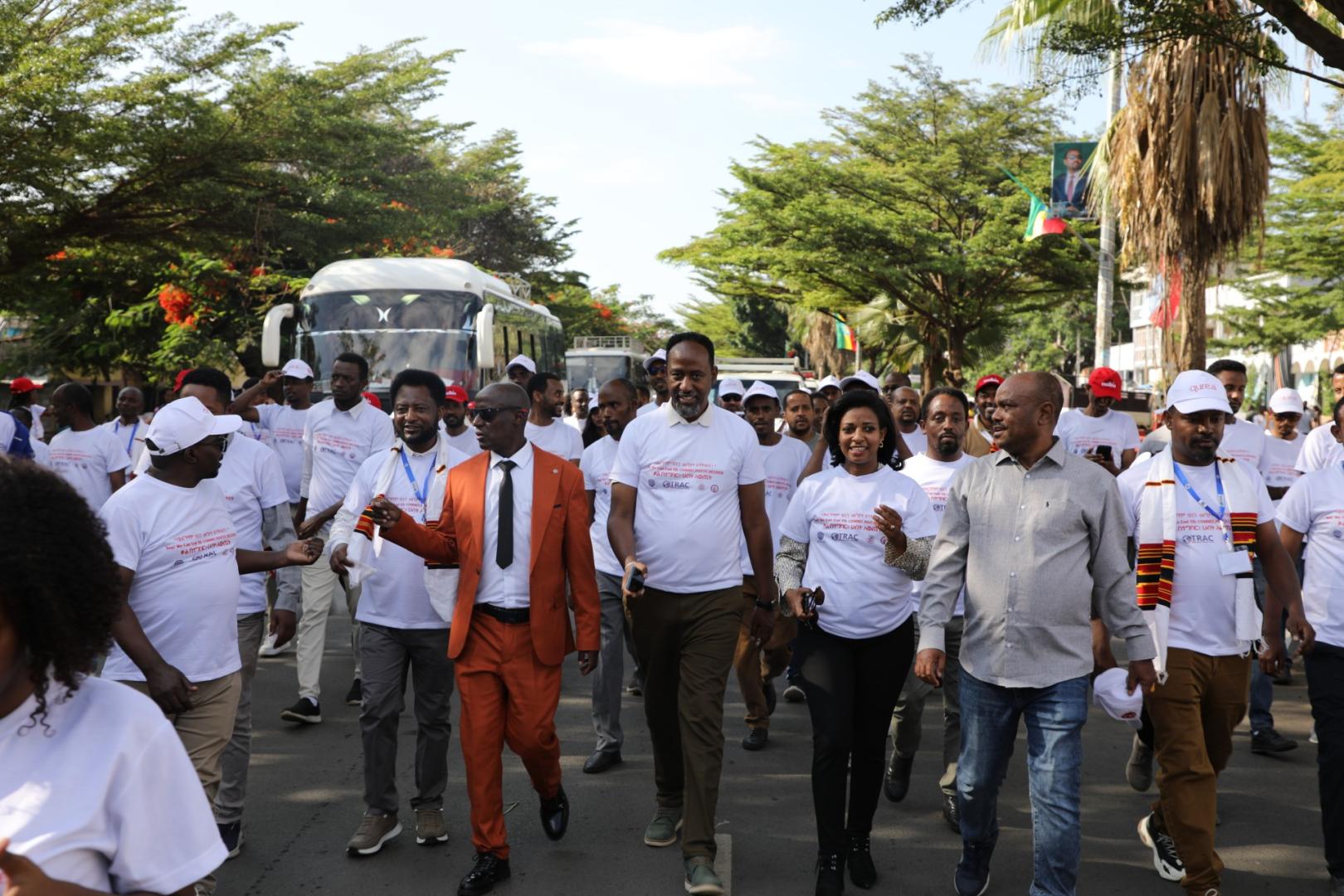
On 24 March 1882, Dr Robert Koch announced to the Berlin Physiological Society that he had discovered Mycobacterium tuberculosis, the bacterium that causes tuberculosis (TB). This landmark discovery revolutionised the understanding and treatment of TB. By isolating and culturing the microorganism, Dr Koch laid the foundation for effective diagnostic and treatment methods that have since saved countless lives. In recognition of his pioneering work, he was awarded the Nobel Prize in Physiology or Medicine in 1905.
Nigeria's multi-pronged malaria elimination approach gains momentum

Yenagoa, Four months ago, town criers and media in Bayelsa State, notified caregivers of the launch of the malaria vaccination campaign for children under 5-11 months.
The Ministry of Health's message through the Nigeria Primary Health Care Centre, World Health Organization (WHO), Gavi the Vaccine Alliance, UNICEF, and partners was clear: families with eligible children should take their young ones to health centres to bevaccinated against the deadly disease, malaria.
WHO and partners back Uganda’s commitment to sustainable health financing for universal health coverage
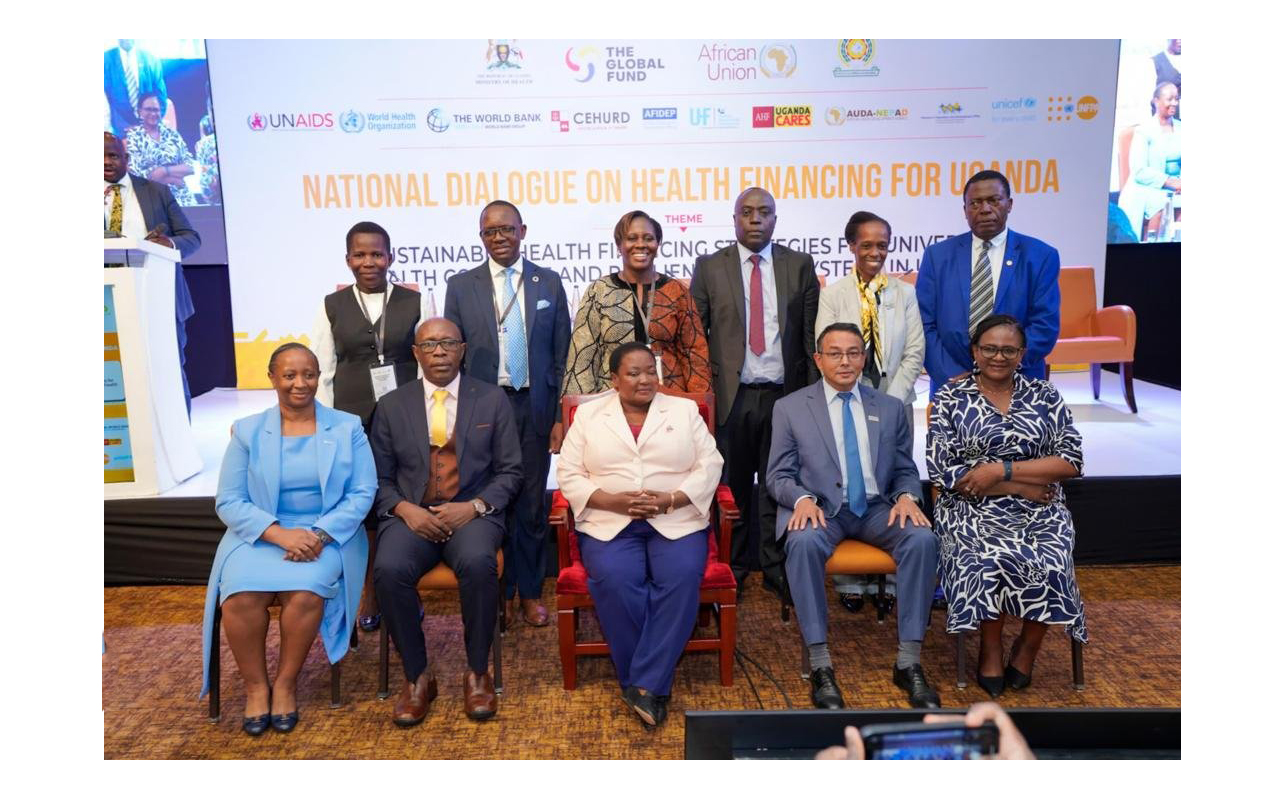
As Uganda faces mounting challenges in financing its health sector amid declining donor support, the government is committed to ensuring that health is prioritized across all sectors. The Government of Uganda convened a three-day high-level national dialogue on health financing for Uganda convened in Kampala by the Ministry of Health, East African Community (EAC), World Health Organization (WHO), and other development partners.