WHO Ghana Welcomes New Country Representative, Dr Fiona Braka
Accra, 05 May 2025 — The World Health Organization (WHO) Ghana has welcomed Dr Fiona Braka as its new Country Representative, following official endorsement by the Government of Ghana.
Ethiopia reviews progress in national antimicrobial resistance surveillance system
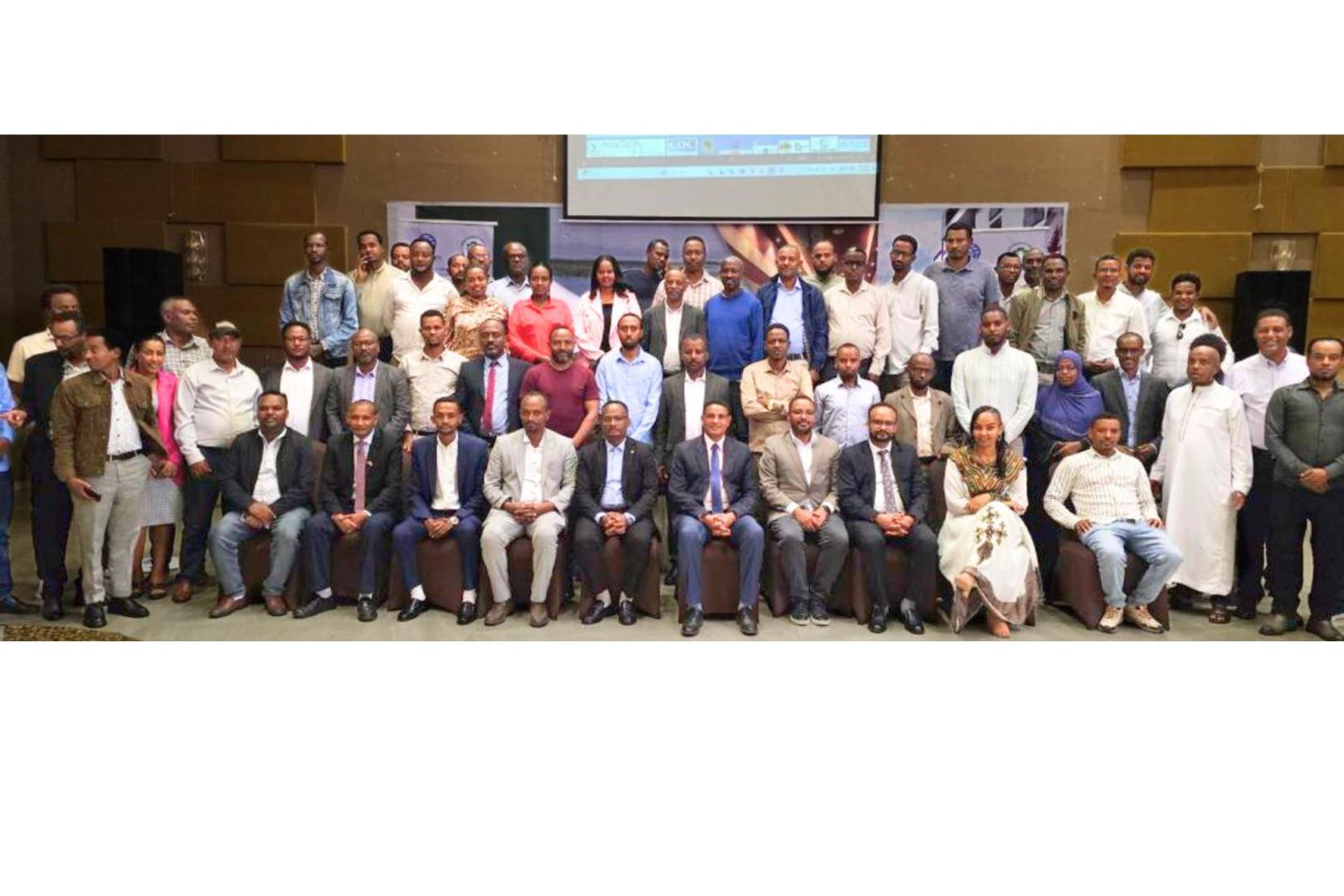
From May 2 to 3, 2025, the Ethiopian Public Health Institute (EPHI) organized a meeting with the technical and financial support of the World Health Organization (WHO) through the Pandemic Fund. Over 80 participants attended, including representatives from federal ministries, regional public health institutes, sentinel hospitals, academic institutions, and international partners. The purpose of the meeting was to review the achievements and challenges faced during the 2024 implementation of antimicrobial resistance (AMR) surveillance.
Advancing the Fight against Malaria: Rwanda's Bold Steps on World Malaria Day
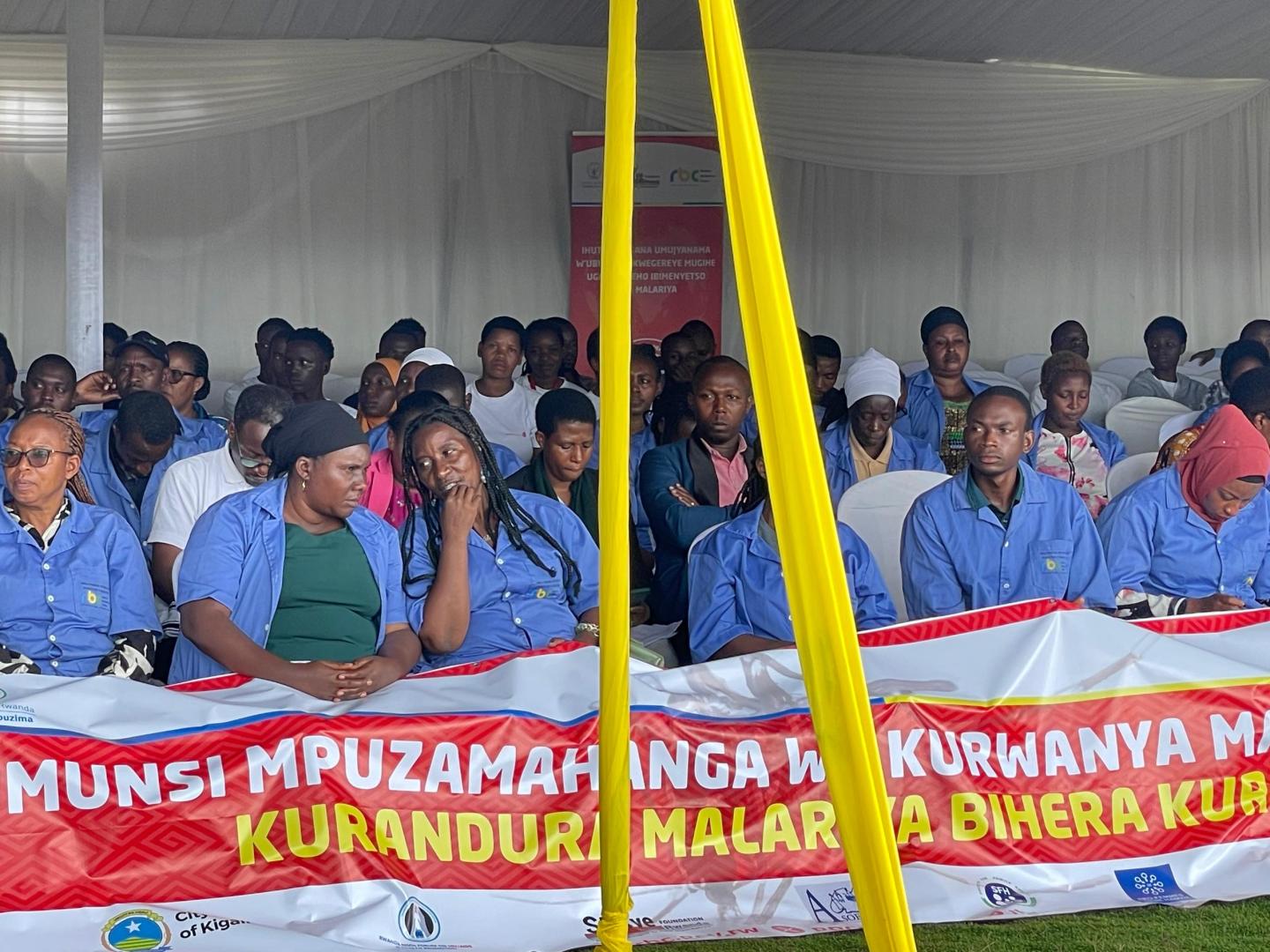
Kigali — Rwanda joined the global community in celebrating World Malaria Day in the Ndera sector of Gasabo district, in line with this year's global theme, "Malaria Ends with Us: Reinvest, Reimagine, Reignite". This significant event aimed at raising awareness about malaria prevention, control and treatment, highlighting Rwanda's ongoing efforts to combat this deadly disease.
The high social cost for an Ebola disease survivor
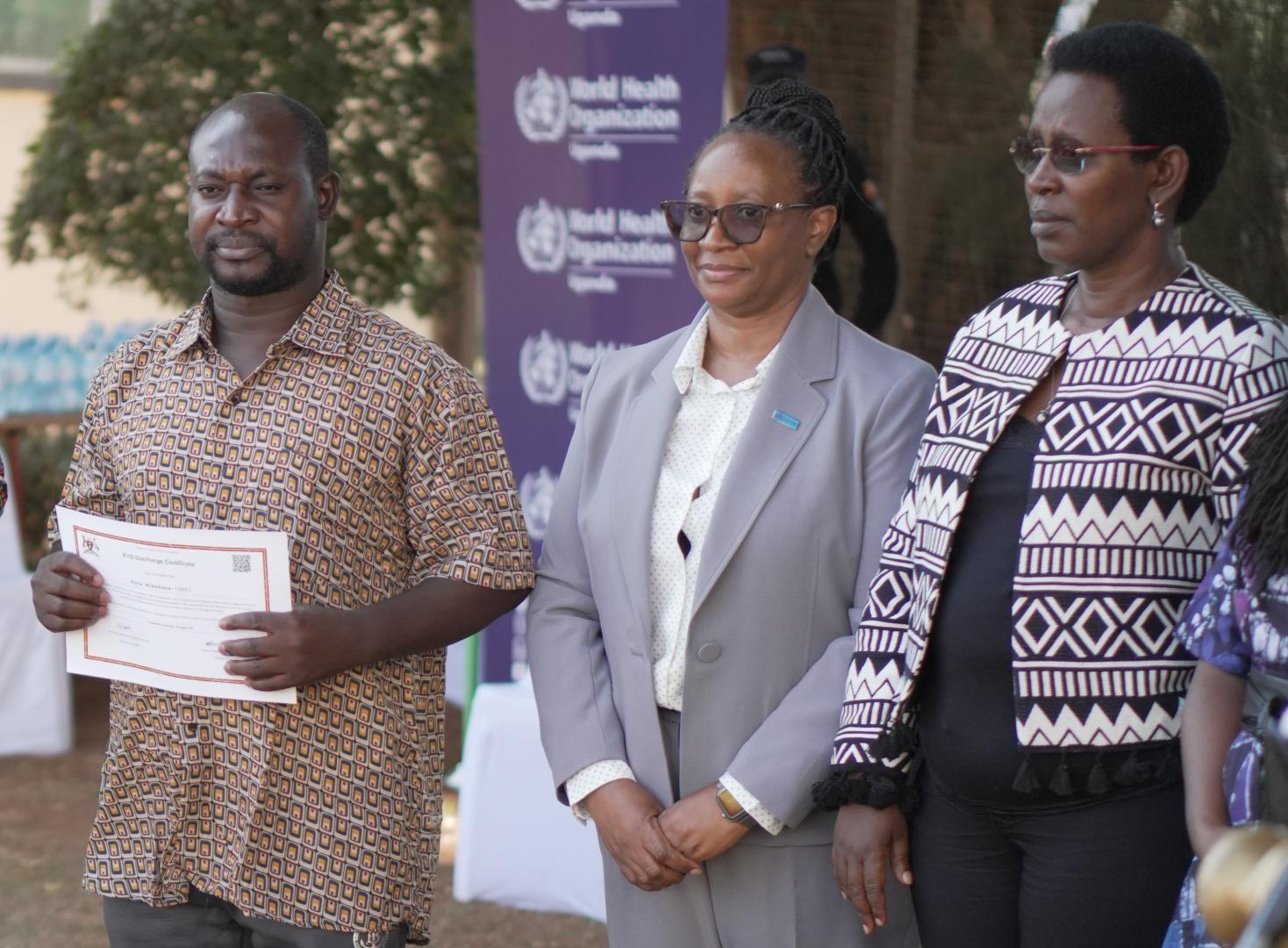
When Dr Ezra Mupakasa first developed a fever and headache on January 25, 2025, he suspected it might be something common - fatigue, perhaps, or an ordinary viral infection. As a health worker at Saidina Abubakar Islamic Hospital in Uganda, he was used to being cautious and seeing patients come and go with all sorts of symptoms.
This time, recalls Dr Mupakasa, the signs pointed to something more serious. A few days later, the confirmation came: a positive PCR test. Dr Mupakasa had attended to the index case.
Surviving Ebola: loss, isolation, and hope
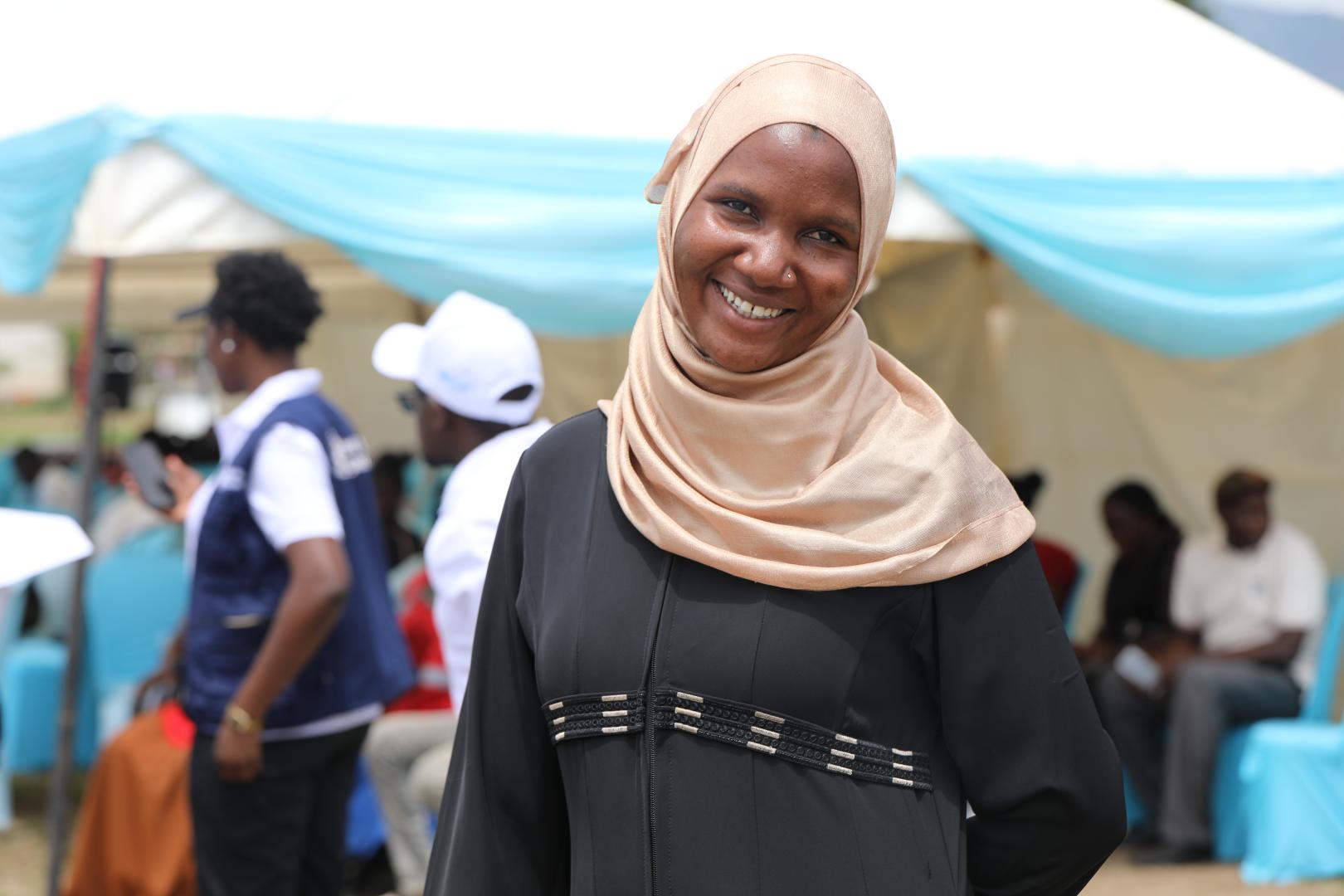
One day, a couple is at home discussing dinner plans, sharing stories about work, and dreaming about the future. In an instant, everything changes. One partner is gone, taken by a dreaded disease that sends everyone into a panic: Ebola.
Namibia embarks on a journey to conduct the Second Joint External Evaluation
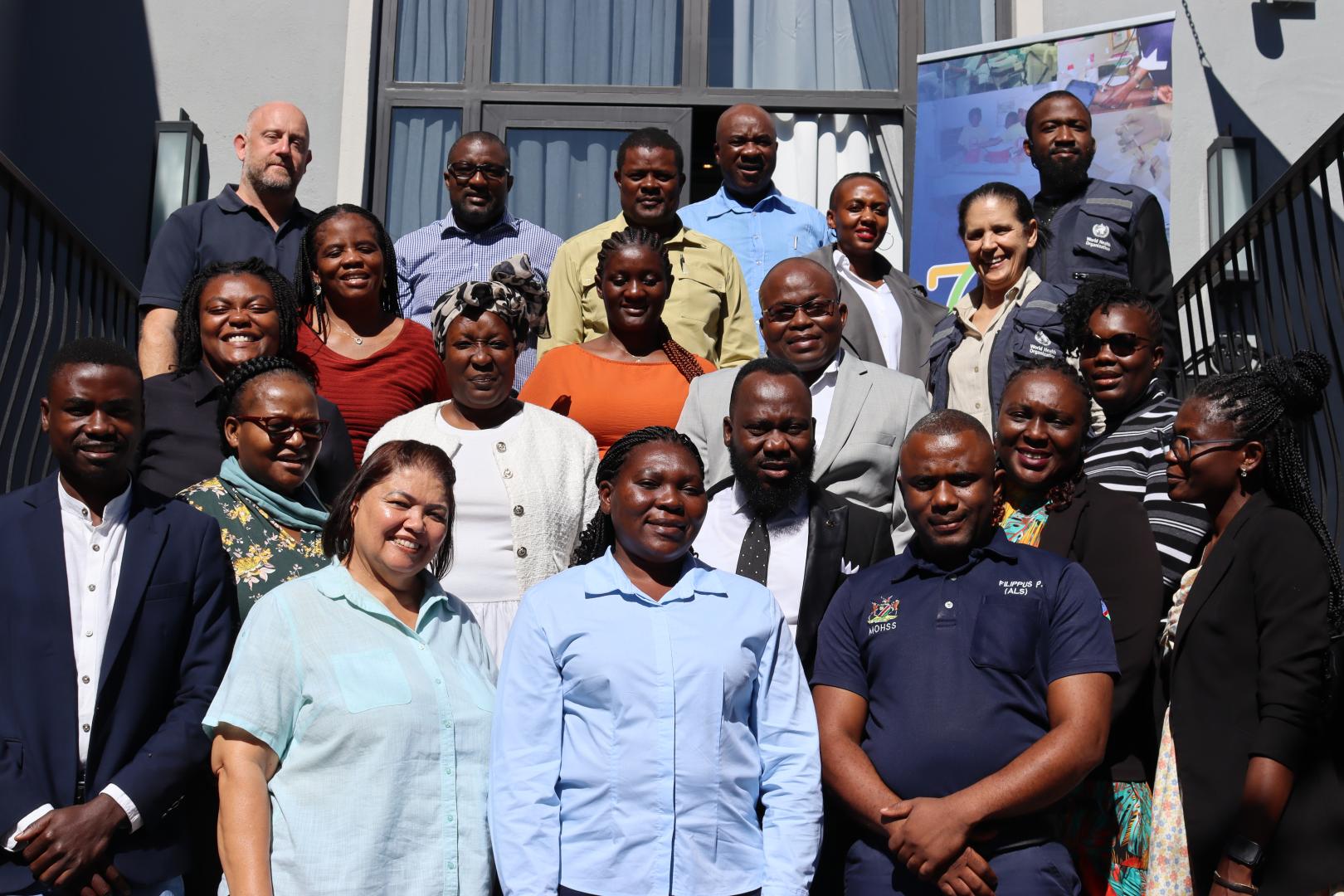
On 28 – 30 April 2025, the Ministry of Health and Social Services (MoHSS) with support from the World Health Organization (WHO) and partners, convened a three-day Joint External Evaluation (JEE) Planning and Stakeholder Orientation meeting in Windhoek. The meeting marked a significant milestone in Namibia’s ongoing efforts to continuously assess and evaluate the implementation of the International Health Regulations (IHR 2005) core capacities with the aim to assess the countries progress in developing capacities for prevention, timely detection, reporting and response.
Guardians of dignity: WHO's efforts to prevent and respond to sexual misconduct during the Ebola outbreak in Uganda
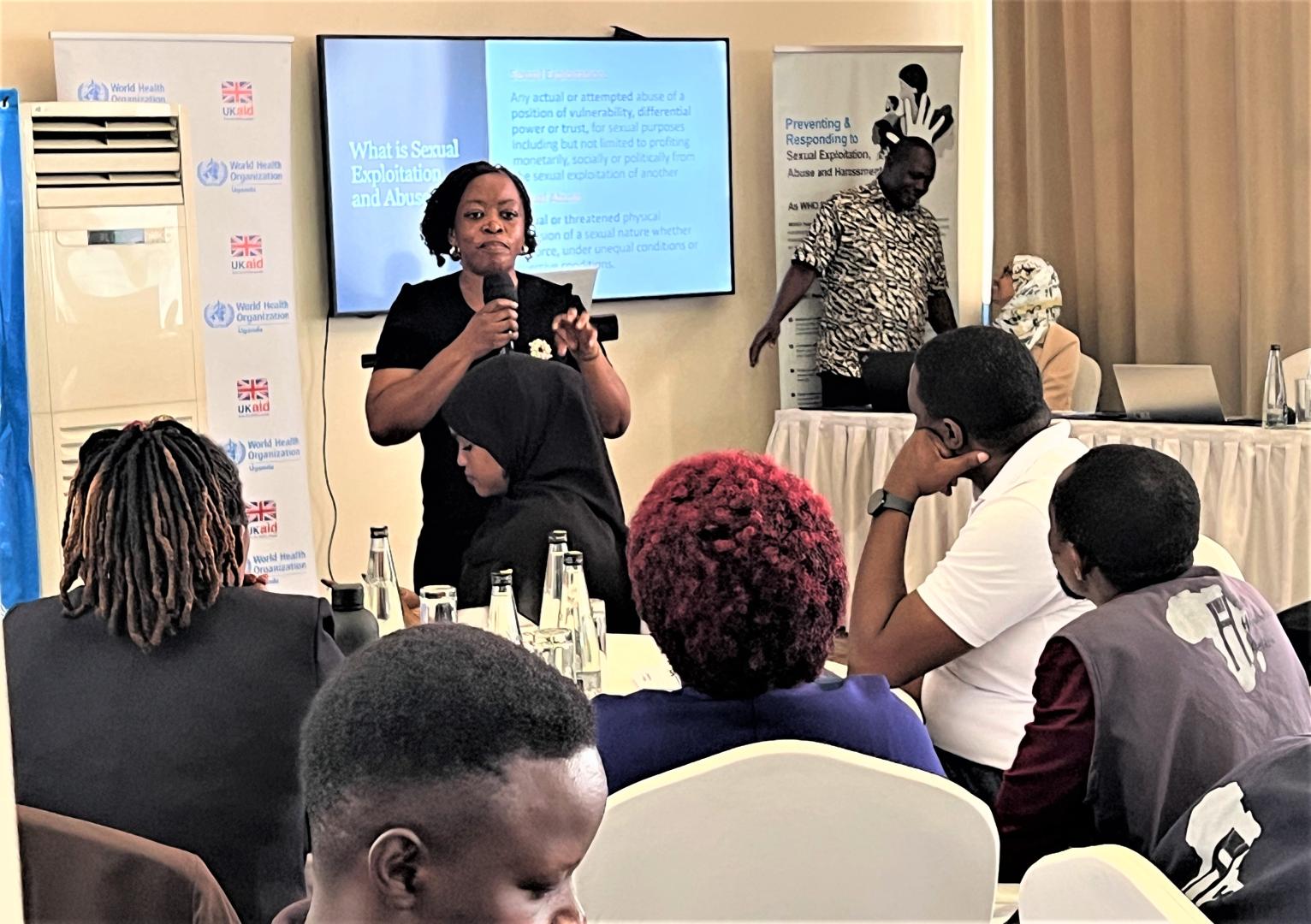
In the heart of every health emergency lies a silent battle, one that is fought not with syringes or stethoscopes, but with an unwavering commitment to uphold the dignity and safety of every individual. As the world grapples with the relentless waves of health crises, the imperative to shield the vulnerable from the shadows of sexual exploitation, abuse, and harassment (SEAH) becomes paramount.
WHO on mission to safeguard Uganda from toxic effects of mercury
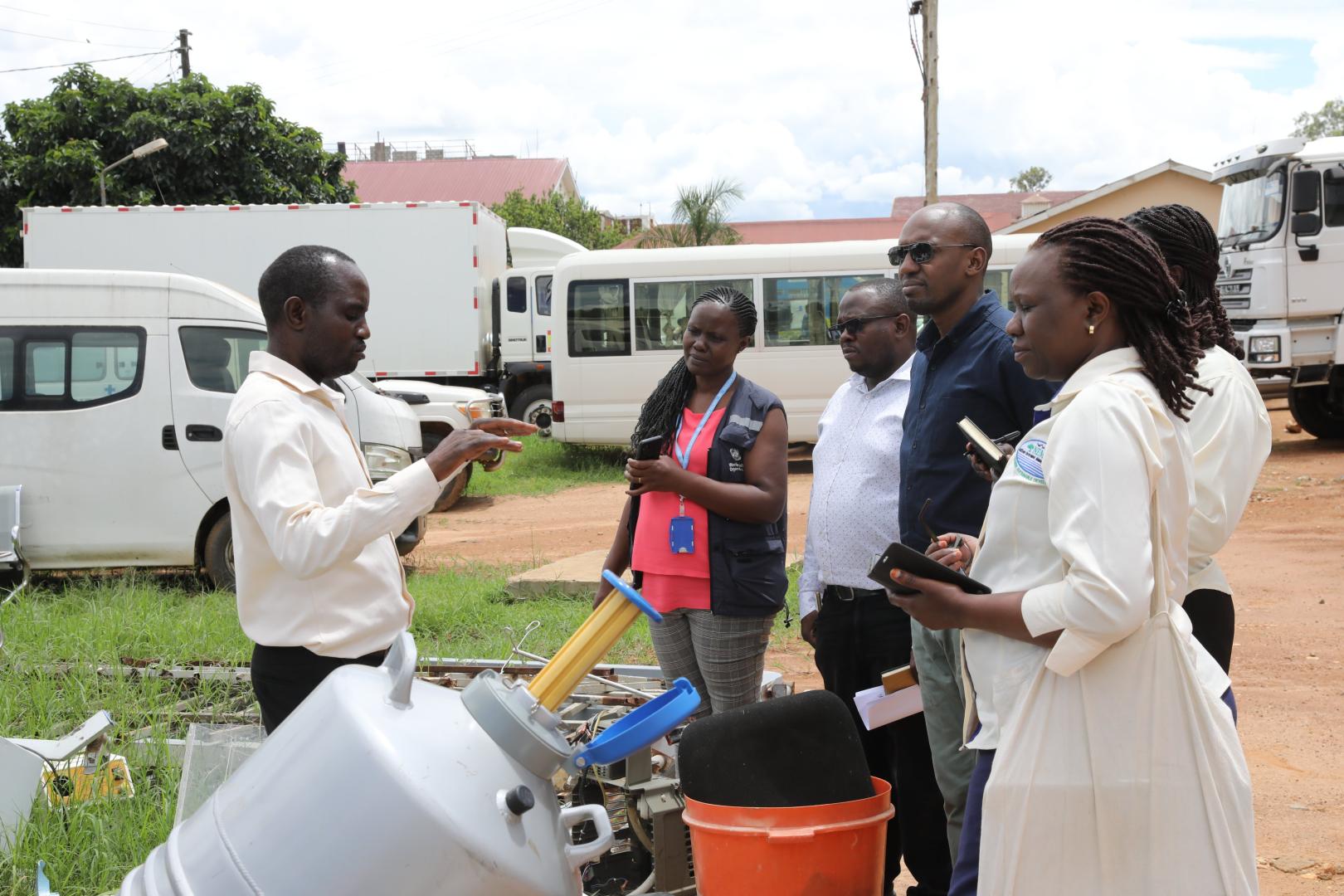
In a busy dental clinic, a dentist carefully prepares a dental amalgam, a common material used for fillings. This amalgam, a mixture of metals including mercury, has been widely used in dental practices for decades due to its durability and cost-effectiveness.
Scaling up response to anthrax outbreak in the Democratic Republic of the Congo
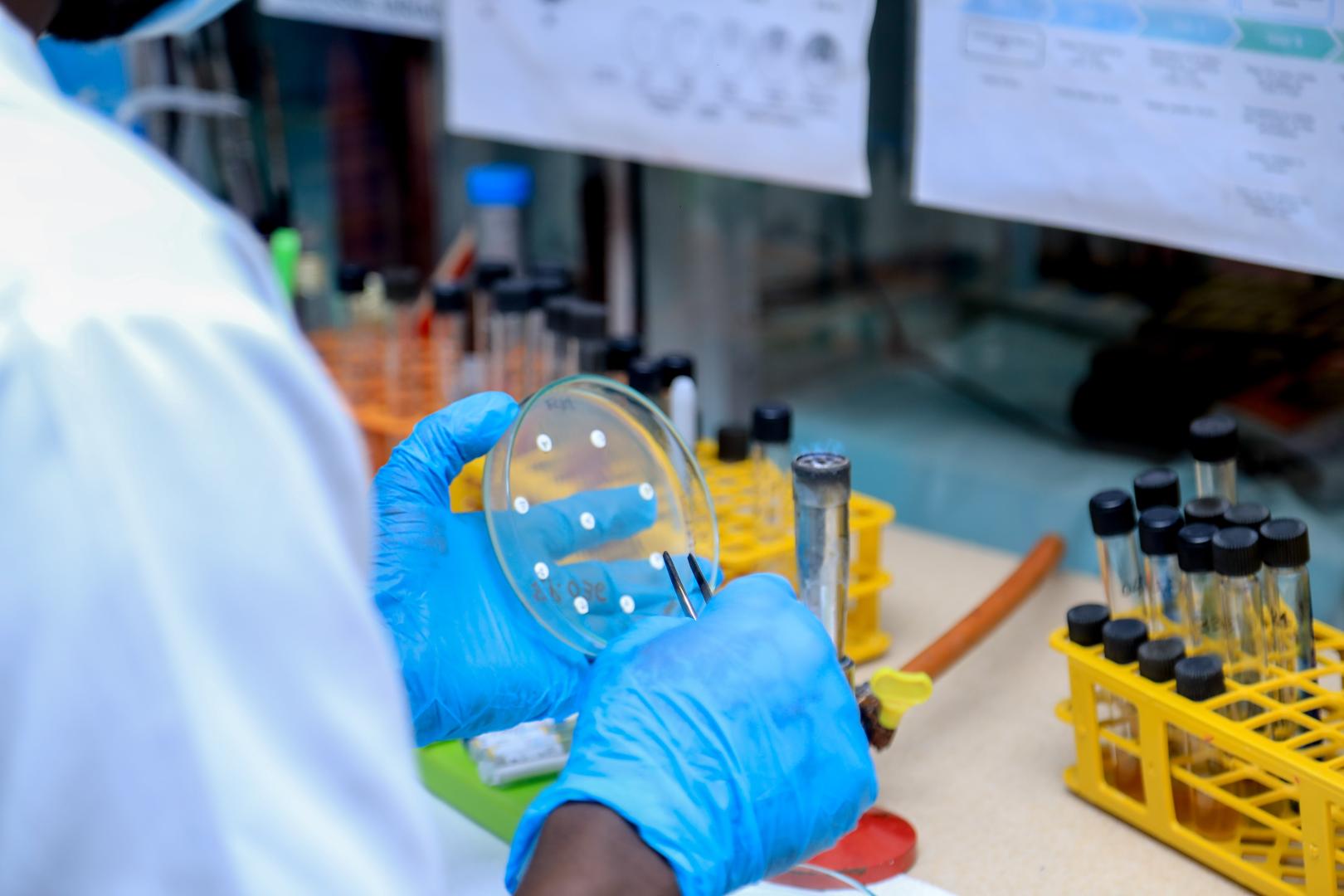
Kinshasa – Health authorities in the Democratic Republic of the Congo, with support from World Health Organization (WHO), are intensifying emergency response efforts to control an outbreak of anthrax in which 16 suspected and one confirmed human cases have been reported in North Kivu Province in the east of the country.
Sierra Leone hosts high-level commemoration of African Vaccination Week 2025
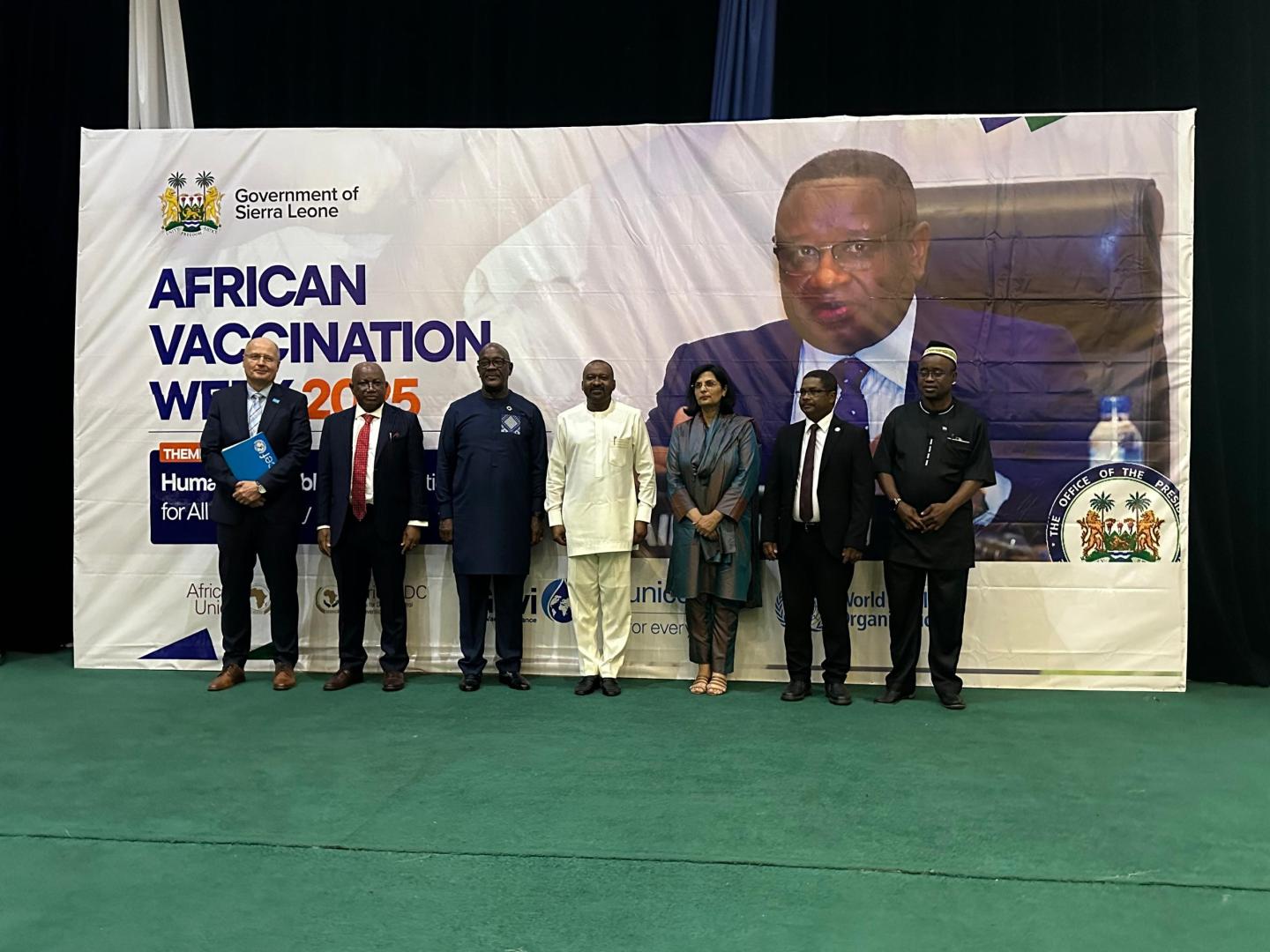
Freetown, Sierra Leone – April 2025 – Sierra Leone hosted the high-level commemoration of African Vaccination Week (AVW) 2025 in Freetown, bringing together global and regional health leaders. Distinguished guests included the Chief Executive Officer of Gavi, the Vaccine Alliance, as well as senior representatives from the African Union, Africa CDC, WHO, UNICEF, Ministry of Health, and the Sierra Leone Red Cross Society (SLRCS).