
Strong leadership from the Omusati Governor and Regional Council is driving a more intense regional response to the malaria outbreak, as political leaders, health authorities, communities, faith-based organisations, and development partners unite to take urgent action to reduce illness and prevent further deaths.
The Omusati Regional leadership, led by Governor Hon. Immanuel Shishiweni Shikongo, demonstrated decisive stewardship by convening a Malaria Scorecard Roundtable in Outapi on 23 April, bringing together stakeholders to review the evolving malaria situation, identify operational bottlenecks, and agree on practical measures to accelerate malaria control. The engagement was followed by the World Malaria Day commemoration in Ruacana on 24 April, where the Governor reinforced the call for a whole-of-society response.
The roundtable comes at a critical time for Namibia’s malaria response. National malaria surveillance data show that by epidemiological week 16 of 2026, Namibia had recorded 63,436 confirmed malaria cases, 4,816 admissions, and 65 deaths. This represents a 20% increase in cases compared with the same period in 2025, although deaths declined by 15%. Of these cases, 82% were locally acquired, while 18% were imported, highlighting the continued challenge of cross-border transmission.
Omusati remains among the hardest-hit regions, with Outapi District reporting 7,260 malaria cases, 533 admissions, and 15 deaths, placing it among the country’s highest-burden districts. Surveillance data also indicate that 24 districts nationwide are currently above outbreak thresholds, underscoring the scale of the public health response required.
Speaking at the roundtable, Governor Shikongo described the outbreak as a call for urgent action.
“These statistics are eye-opening to us all. Malaria remains a major public health challenge, threatening the lives and livelihoods of our people. This roundtable is not merely a forum for discussion; it is a platform for decisive action,” he said.
The Governor emphasized that data must guide decision-making, resource allocation, and accountability at all levels of the response.
A key outcome of the roundtable was reaching agreement that malaria data and scorecard results should be translated into practical action at the local level, making sure that health workers, malaria supplies, and funding are allocated to the communities with the highest burden.
Participants emphasized the need for increased leadership commitment across community, regional, and national levels to maintain efforts and speed up malaria elimination. The Omusati Regional Council was acknowledged for its key role in fostering coordination among local authorities, health teams, and partners.
The discussions emphasized urgent operational challenges, especially in vector control. Currently, only about 40% of the population is covered by National Indoor Residual Spraying (IRS), which is significantly below the WHO's recommended target of 85%. In Omusati, Outapi District reached a higher IRS coverage of around 75% in 2025. Nonetheless, stakeholders noted that substantial coverage and implementation gaps persist nationwide, necessitating immediate corrective measures.
The roundtable stressed the importance of shifting from discussion to action by defining clear responsibilities, timelines, and measurable steps. Participants urged a review of effective strategies from Namibia's earlier efforts in malaria elimination, to adapt lessons learned to the current outbreak.
Resource constraints emerged as a major concern, with calls for increased investment in:
• Malaria case management
• Vector control interventions
• Surveillance systems
• Social and Behaviour Change Communication (SBCC)
• Procurement of diagnostics, medicines, and prevention tools
Stakeholders highlighted the crucial need for extra support to border districts and at-risk communities due to the heavy burden of imported malaria.
The surveillance presentation revealed that 10 out of 15 malaria deaths in Outapi were associated with imported cases. This highlights the importance of enhancing cross-border cooperation and implementing targeted interventions for mobile and high-risk groups.
Participants highlighted the importance of increasing domestic investment in Therapeutic Efficacy Studies (TES) to enhance national technical capacity and lessen dependence on external expertise.
Community engagement emerged as a key theme in the discussions, emphasizing the need for increased mobilization, improved public communication, and broader advocacy through trusted community voices. Faith leaders were particularly acknowledged as vital partners in influencing community behaviour and encouraging preventive actions.
To enhance accountability, the roundtable advised Governors and regional leaders to conduct quarterly malaria performance reviews. These reviews should utilize current surveillance data to evaluate progress, pinpoint obstacles, and implement corrective measures.
Governor Shikongo underscored the importance of collective responsibility.
“Prevention remains our strongest weapon. Every household, every village, and every institution must be mobilized to protect our people. We cannot afford complacency when lives are at stake.”
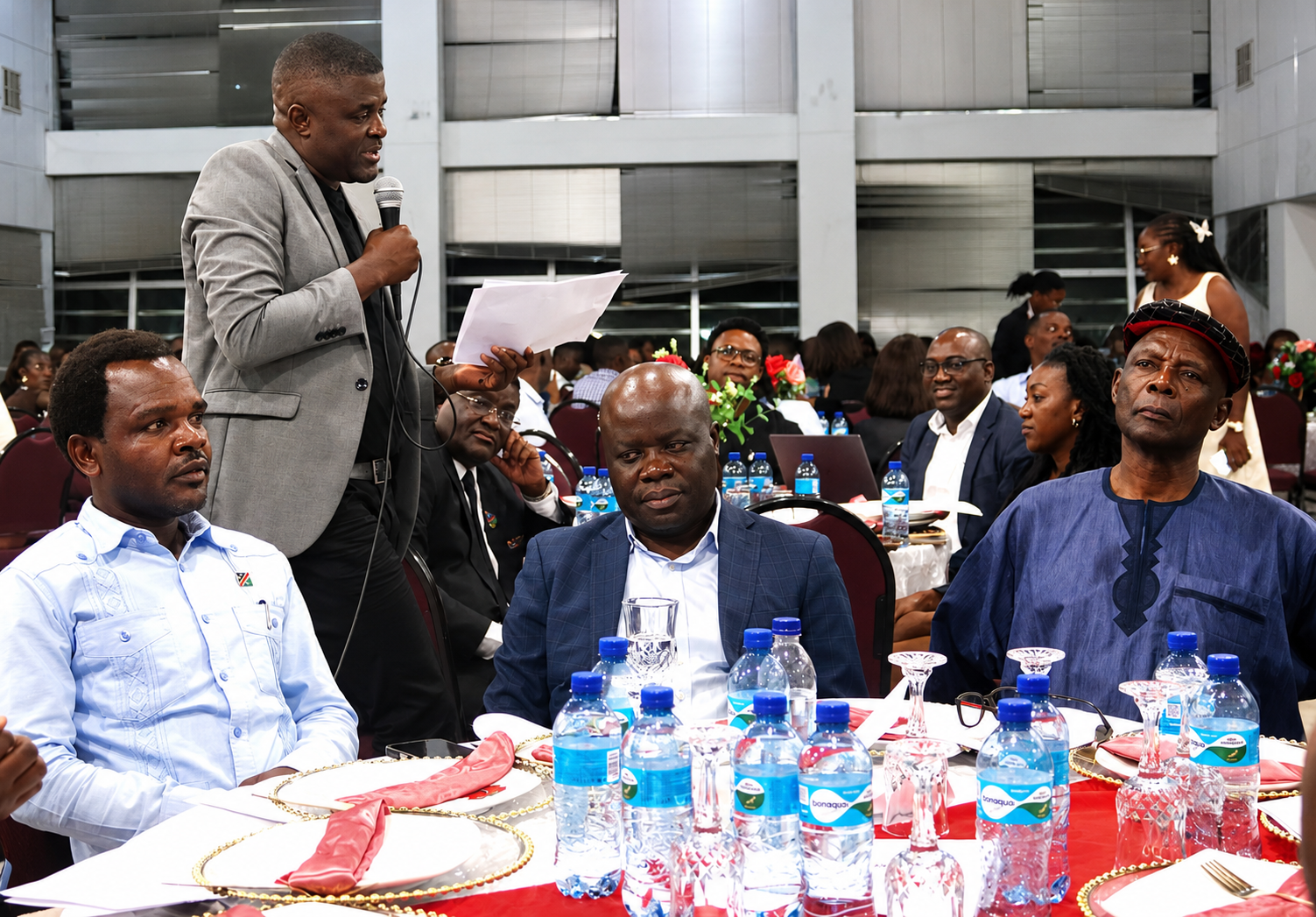
He reaffirmed the region’s commitment to working with all stakeholders to protect communities.
“As Governor of Omusati Region, I reaffirm our commitment to working hand in hand with all partners represented here today. Together, we can reduce malaria cases, prevent avoidable deaths, and move closer to the vision of a malaria-free Namibia.”
The Omusati malaria roundtable showed how strong local leadership can propel public health efforts, framing malaria elimination both as a health issue and a shared regional development goal. Achieving this requires coordinated efforts from government, communities, faith leaders, the private sector, and development partners.


