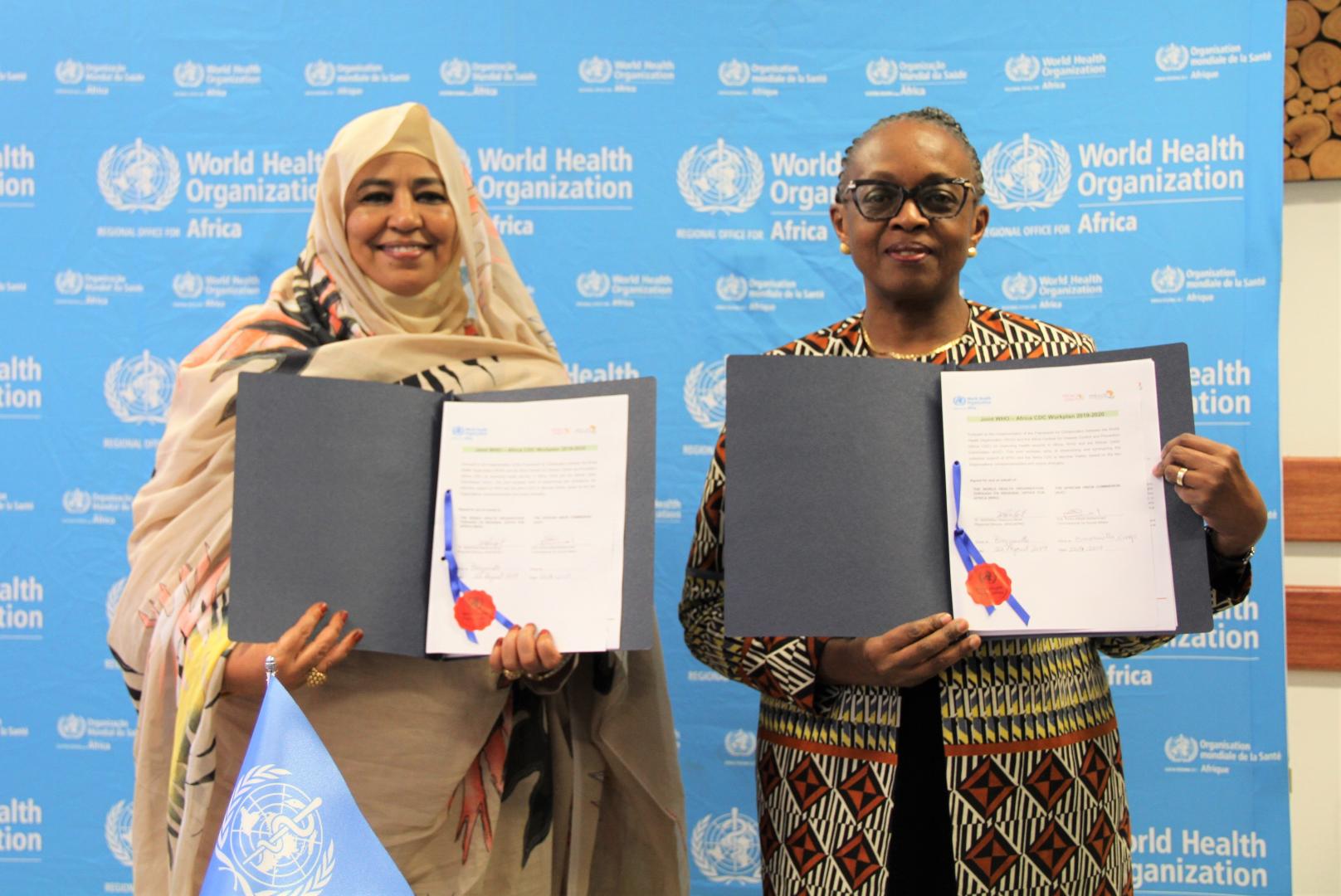
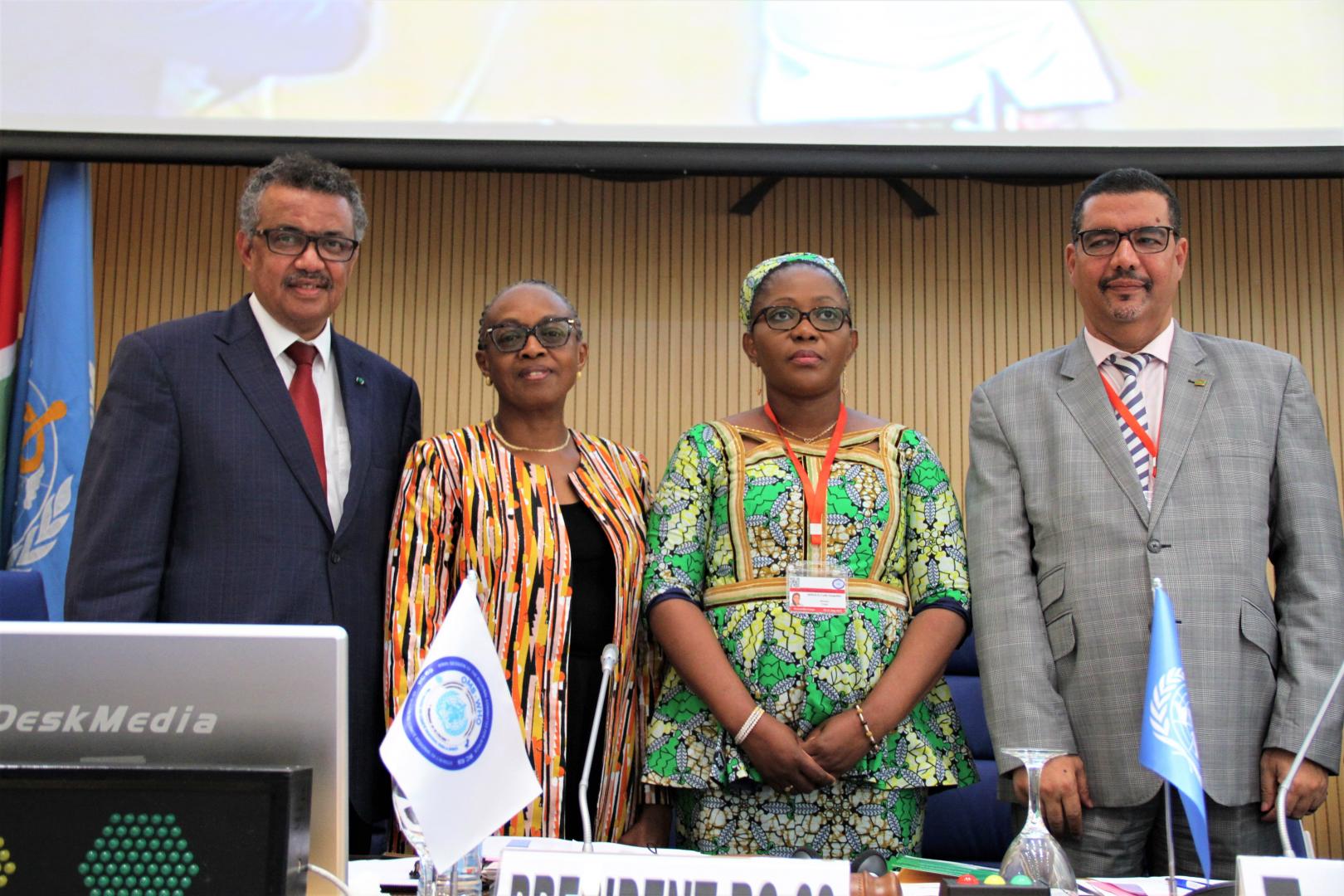
The World Health Organization (WHO) and the African Union Commission (AUC) through its Africa Centres for Disease Control and Prevention (Africa CDC) deepened their ties today by endorsing an ambitious action plan that aims to tackle health security challenges facing the continent. The two organizations signed an agreement outlining clear mechanisms for collaboration that will maximize existing synergies.
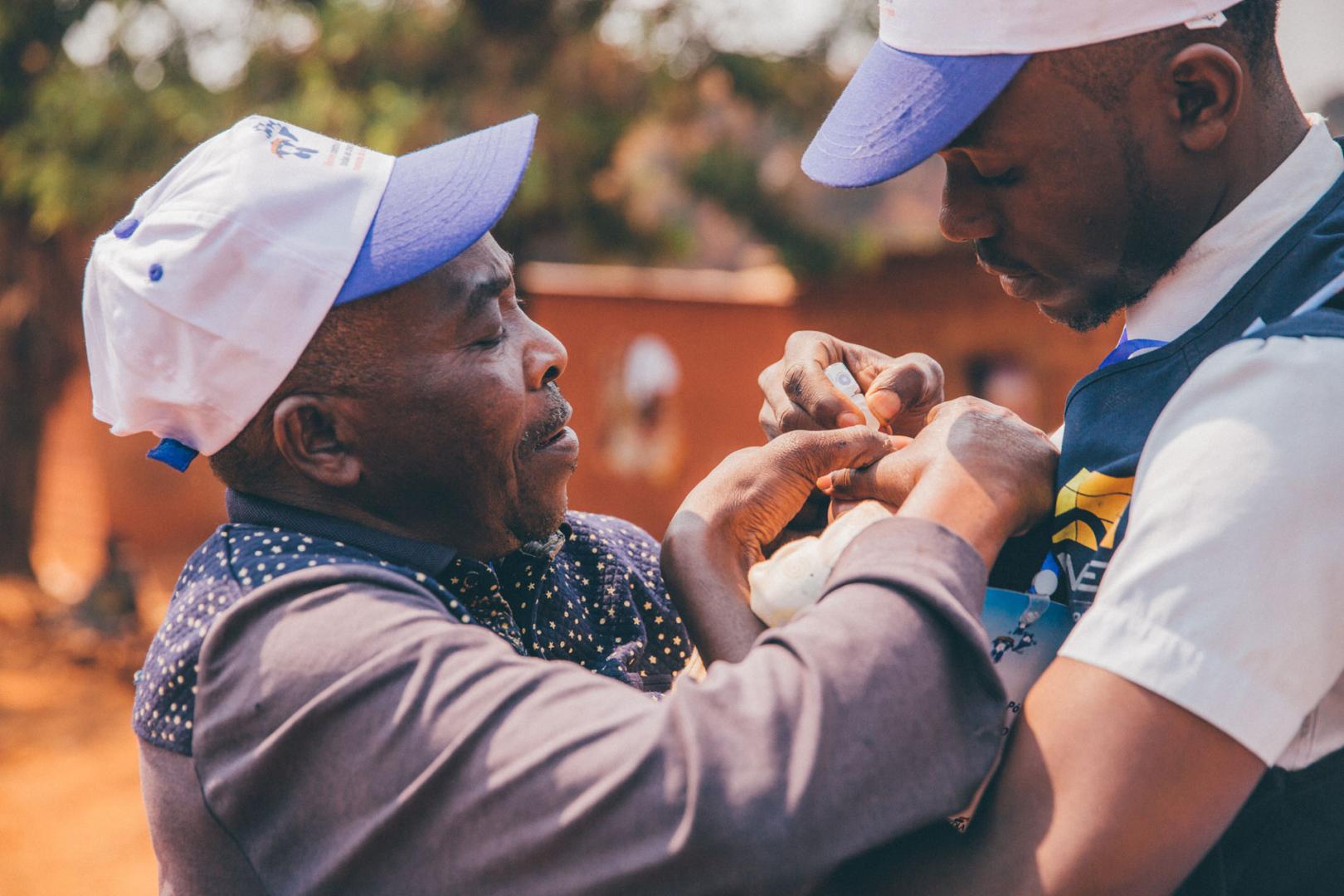
Africa marks three years without a case of wild poliovirus, crossing a landmark that sets in motion a comprehensive evaluation to determine if the entire WHO African Region of 47 countries indeed can be declared to have eradicated wild poliovirus.
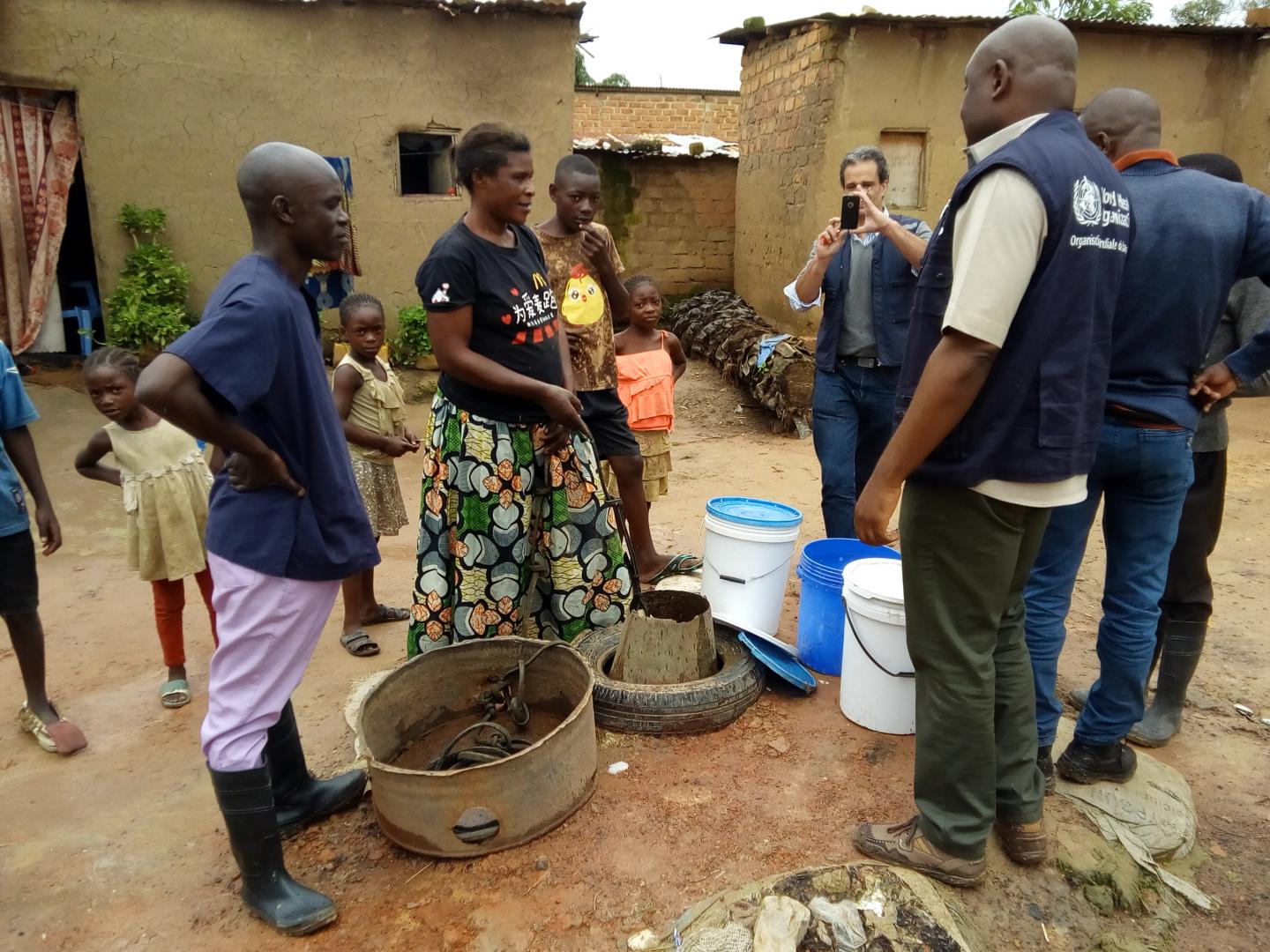
With an acute public health event reported every four days on the continent, it is more important than ever before for African countries to be able to respond to health emergencies. African health ministers today adopted a 10-year regional strategy that aims to strengthen integrated disease surveillance and response and mitigate the devastating impact of outbreaks, such as Ebola.
The 69th session of WHO African Regional Committee adopts a strategic plan to reduce the double burden of malnutrition, particularly prevalent in countries undergoing “nutrition transformation” in which undernutrition and overweight or obesity coexist.
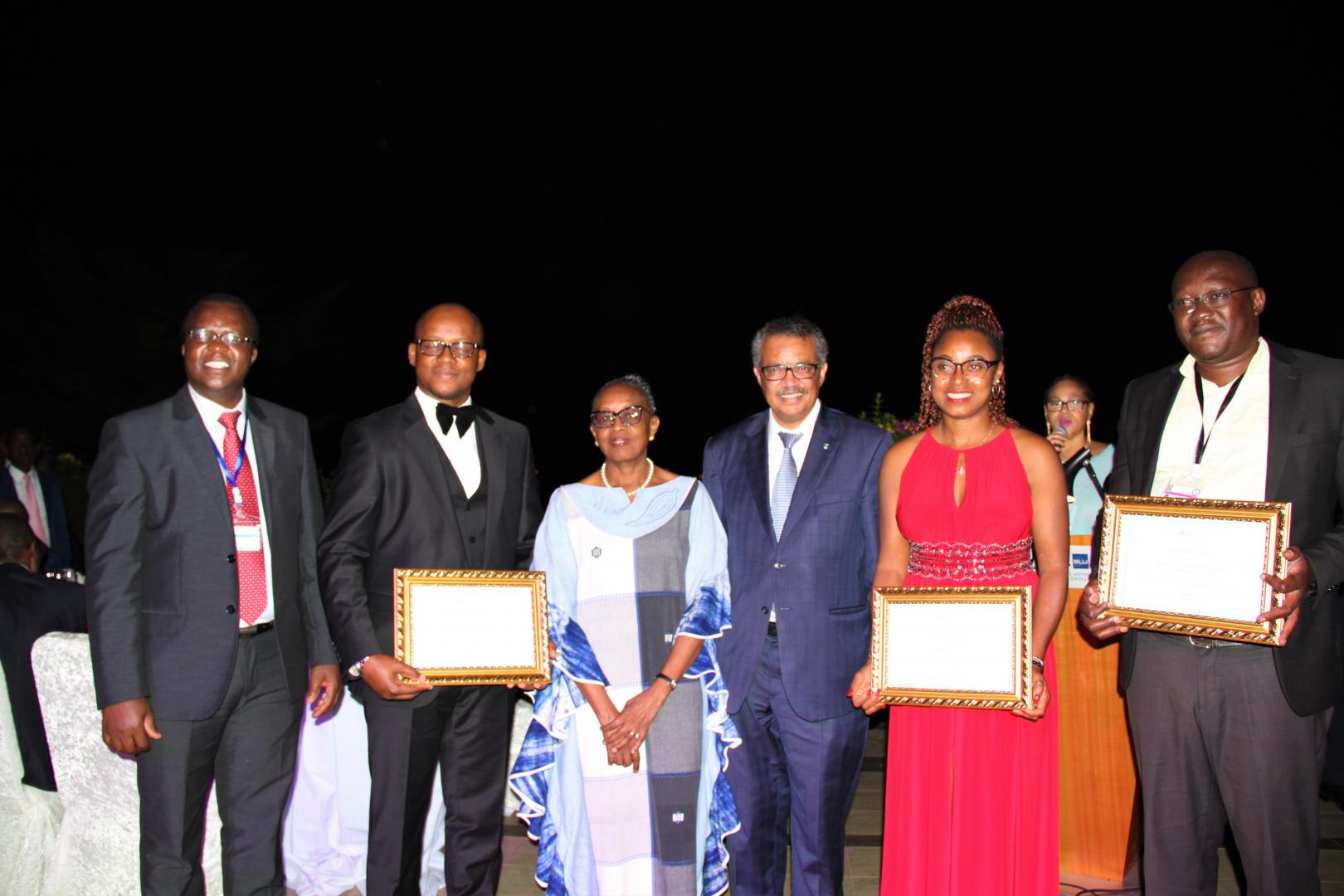
The three winners of the first World Health Organization (WHO) Africa Innovation Challenge were honoured during an evening awards ceremony as part of the WHO Regional Committee meeting of health ministers taking place this week in Brazzaville, Republic of Congo.
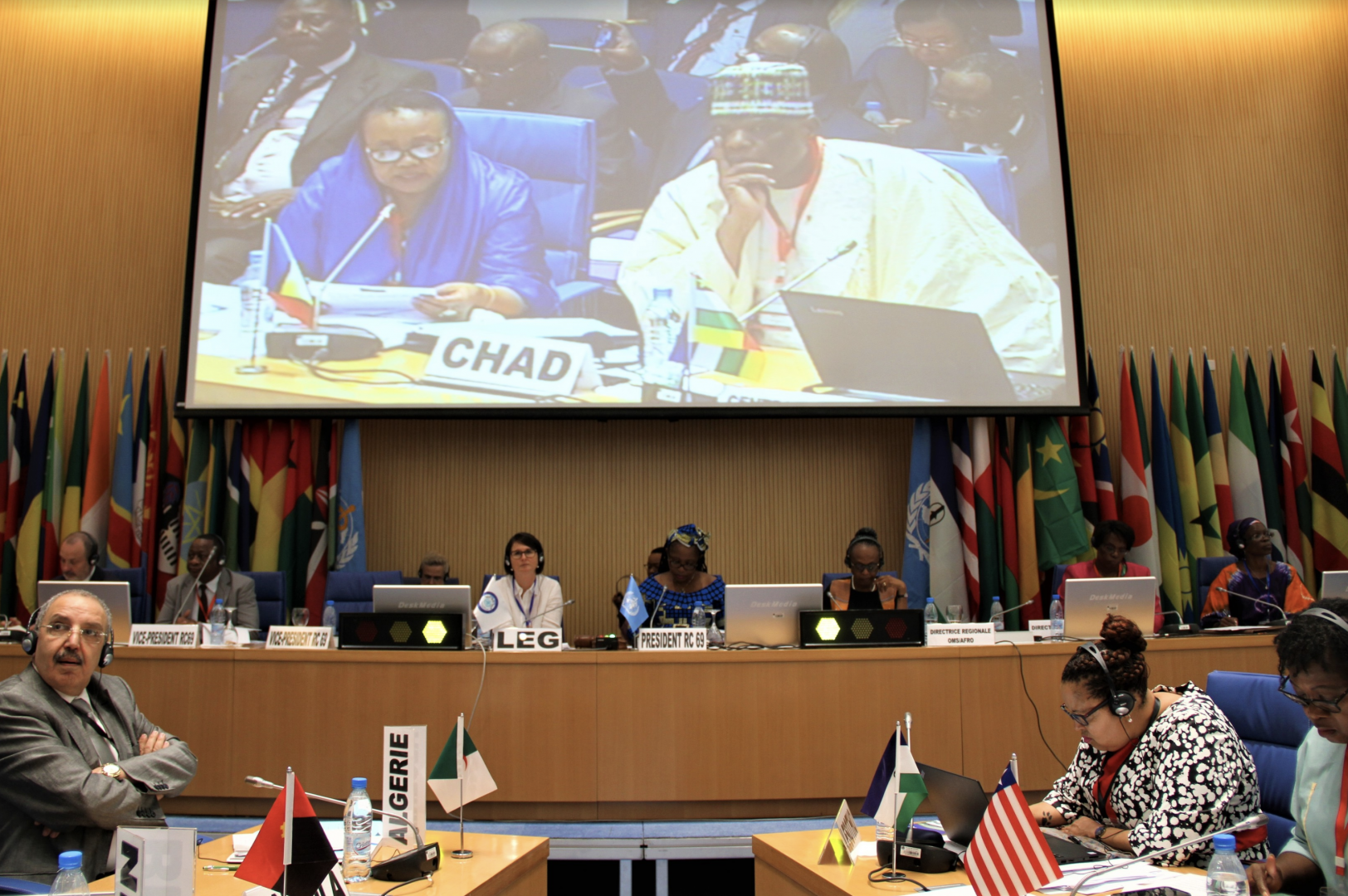
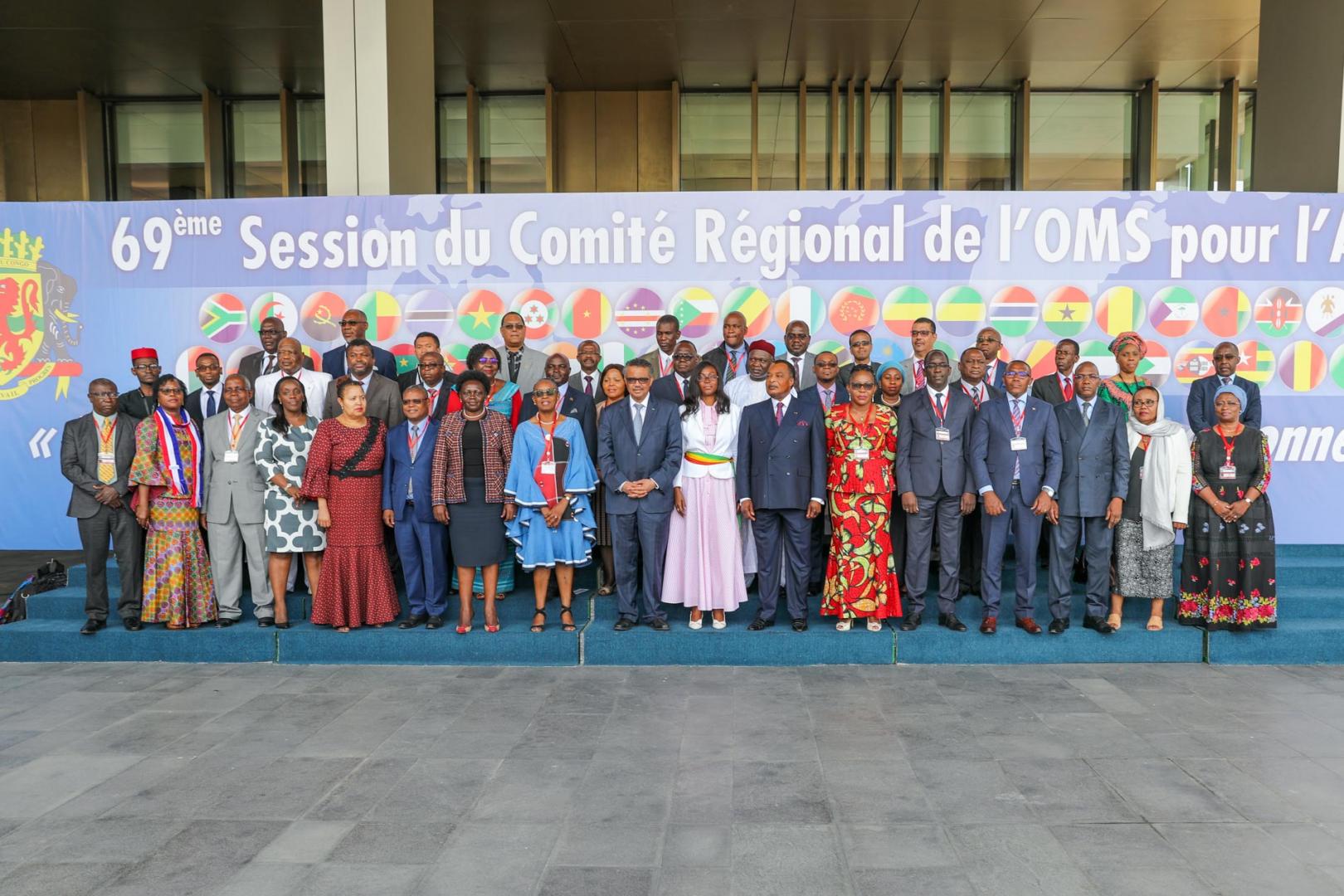
The annual ministerial gathering shapes Africa's health agenda. During the five-day meeting ministers agreed to important decisions on improving disease surveillance and response, reducing malnutrition, obesity and diet-related noncommunicable diseases, controlling vector-borne diseases and strengthening district health systems.