HIV report

HIV champions from Nigeria, Uganda, Kenya and Zimbabwe

3

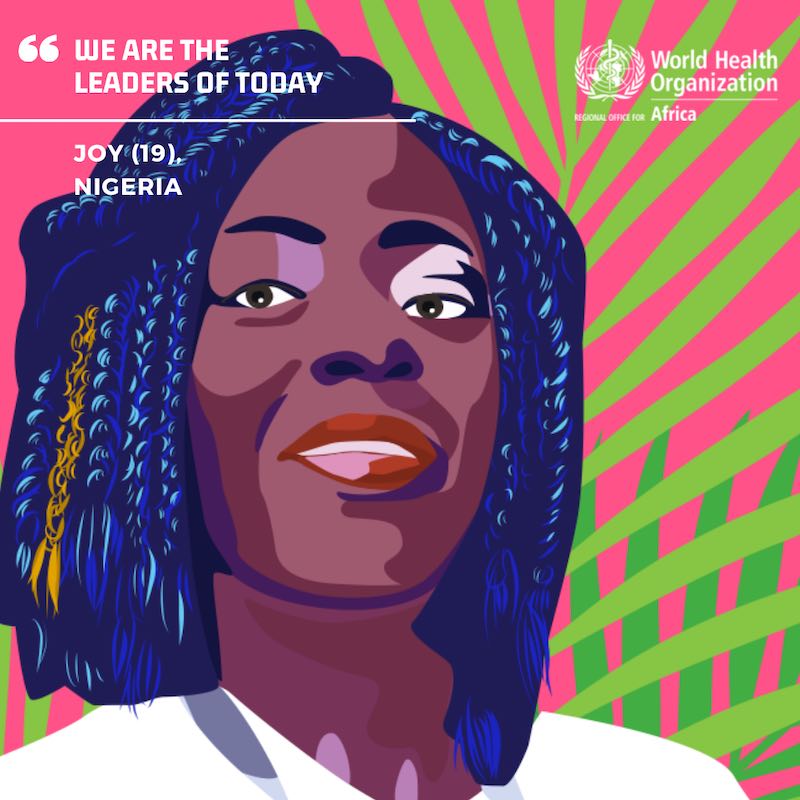
JOY OBOYI, 19, Abuja, Nigeria

Hopes to enrol in university to study peace and conflict resolution and one day wants to have her own NGO dedicated to young people.


1

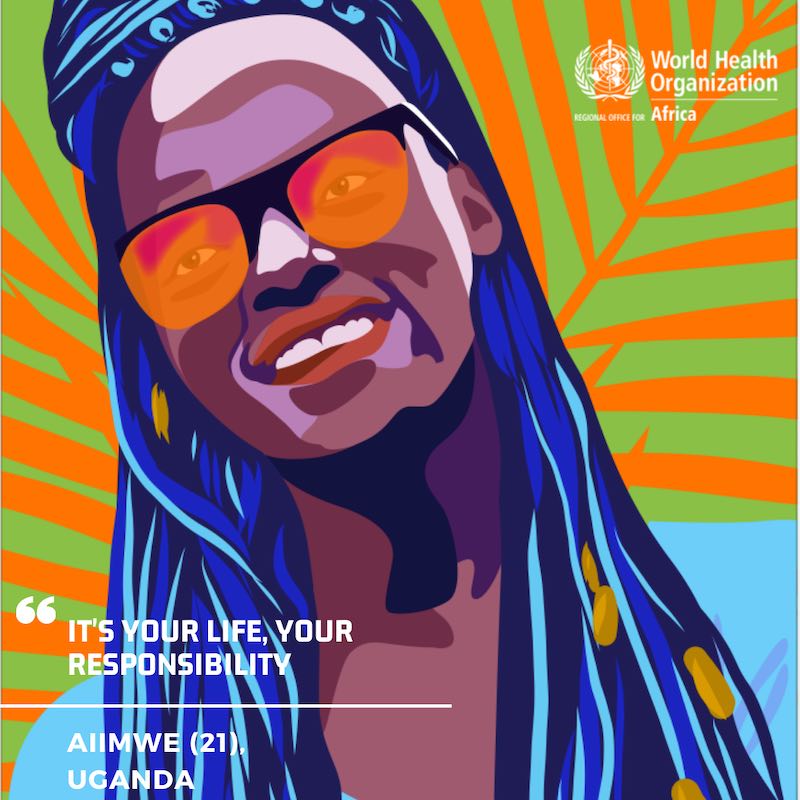
ASIIMWE HAJARAH, 21, Kampala, Uganda

Was first runner-up for the Western Region in the Y+ beauty pageant for HIV-positive youth, 2018–2019.


2

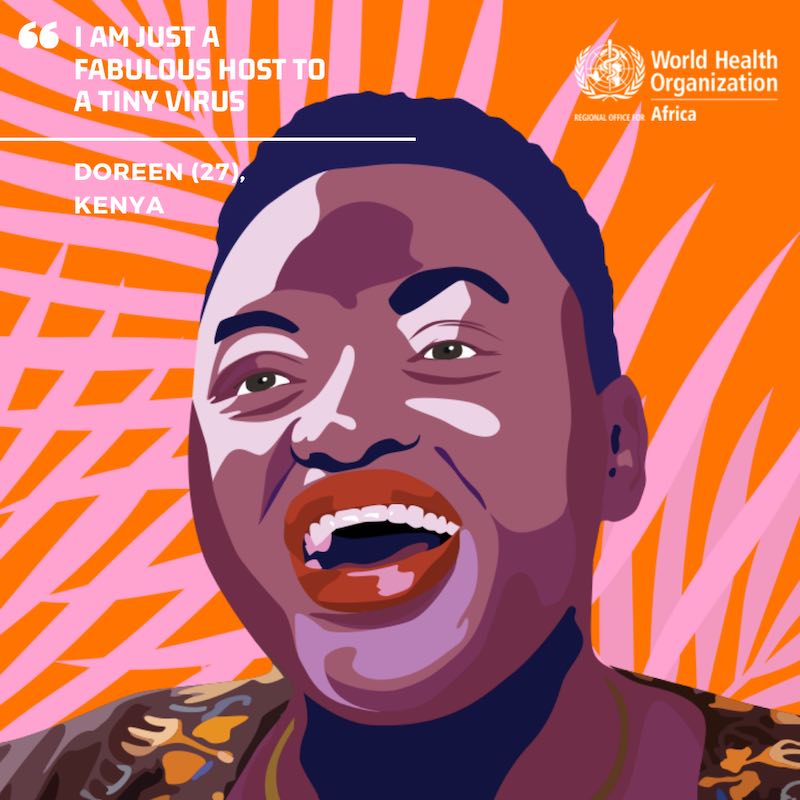
DOREEN MORAA, 27, Nairobi, Kenya

Works as a customer care executive and has a YouTube page titled “I am a beautiful story” where she shares her experiences as a young person living positively with HIV.


4

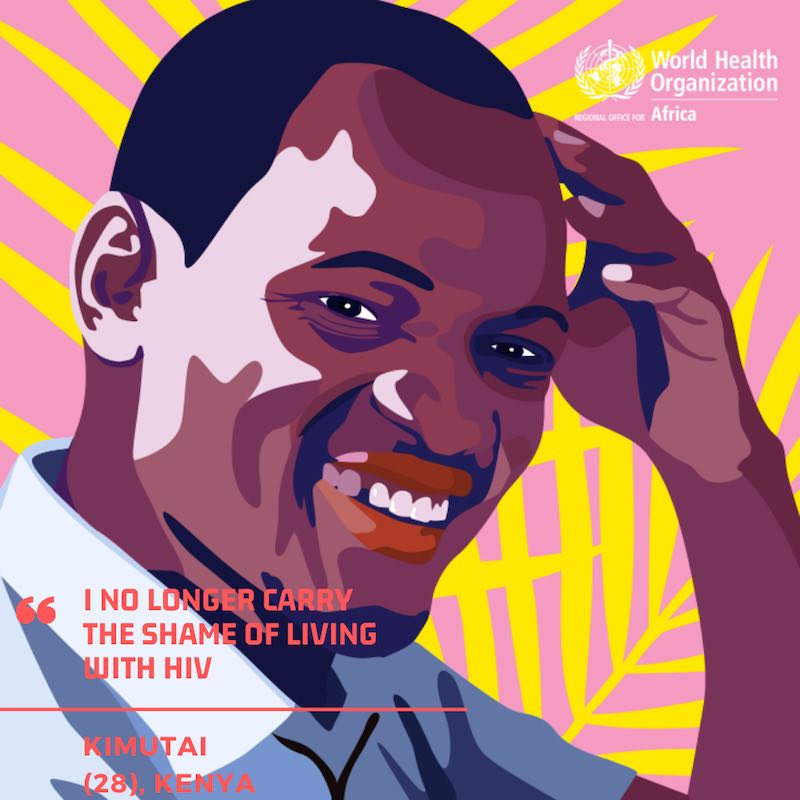
KIMUTAI KEMBOI, 28, Nairobi, Kenya

A fourth-year computer science student at a university in Nairobi who describes himself as an HIV disclosure ambassador.

5

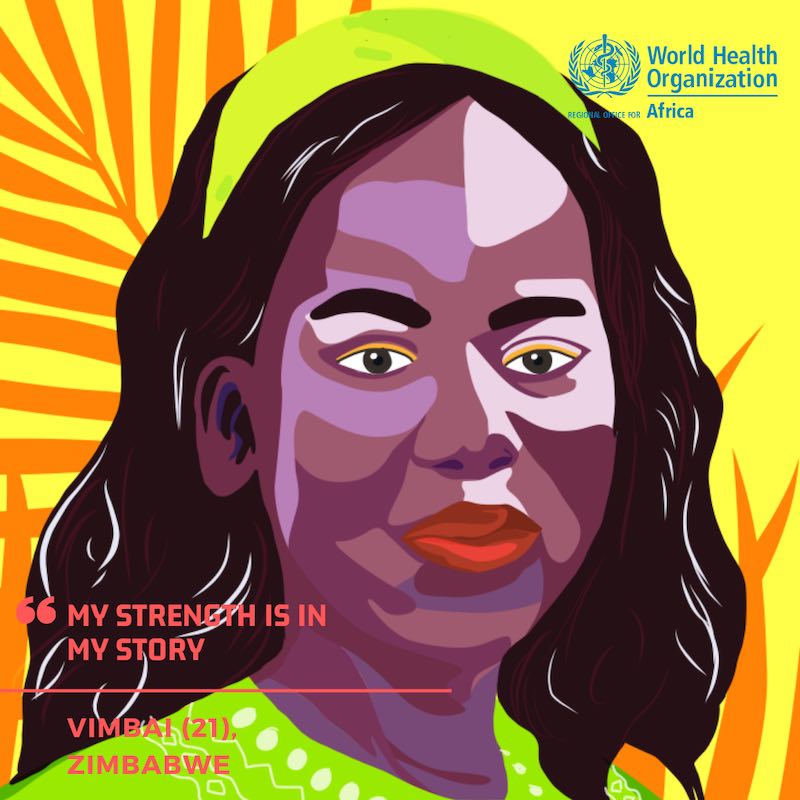
VIMBAI JAZI, 21, Marondera, Zimbabwe

Works full-time as a Zvandiri peer counsellor and dreams of opening a foundation within 10 years to help people living with HIV and to offer a place for orphans – a home to support each other as a family, because without support, you cannot go anywhere.

6

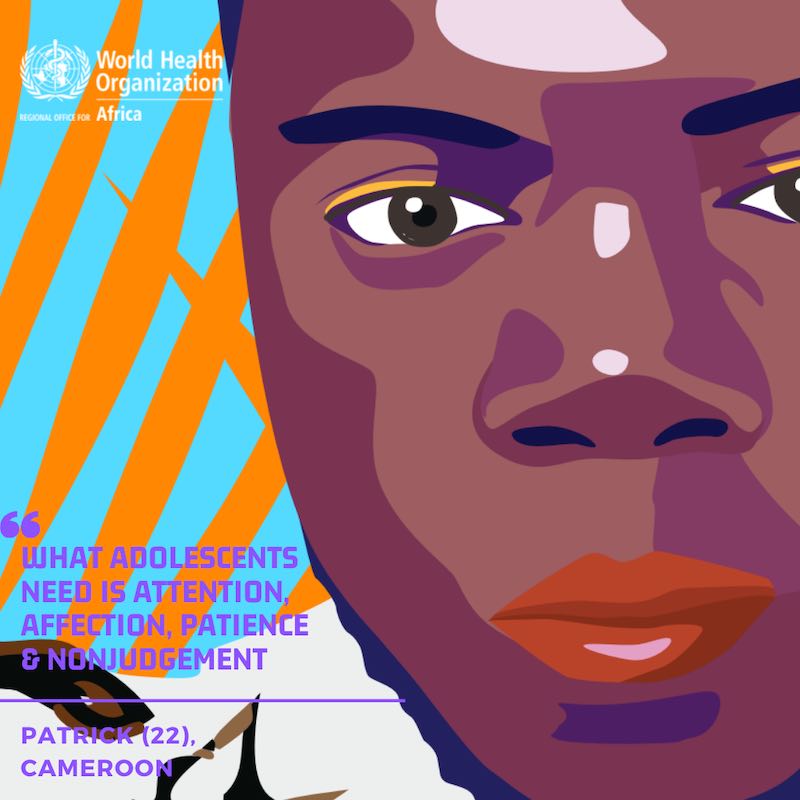
PATRICK FOUDA, 22, Yaoundé, Cameroon

Is pursuing a university degree in political science and philosophy and recently became a father.

Adolescence

AIDS and HIV in the time of adolescence

For more than 30 years – the span of a generation – Africa has been responding to the spread of HIV. Enormous progress has been made. With more than 15 million people across the continent now accessing treatment, AIDS-related deaths have declined sharply. But the region can only end the AIDS epidemic if no one is left behind. Unfortunately, one age group is falling through the cracks: adolescents, aged 10–19 years.

Health services are not responding to the needs of adolescents, who, as they transition from childhood to adulthood, face many physical, emotional and social challenges unique to their age. It is imperative to adapt to these needs with adolescent- and youth-friendly health services.

Ending the AIDS epidemic will only be accomplished with the meaningful engagement of adolescents in programmes and policies. Today’s adolescents must be engaged as champions, change agents and partners in the planning, implementation, delivery and monitoring of adolescent-friendly services.

Adolescents by the numbers

As of 2018, nearly 1.5 million (89%) of the 1.6 million adolescents living with HIV globally lived in sub-Saharan Africa (1.1 million in East and Southern Africa and 350 000 in West and Central Africa) Two thirds (70%) of them acquired the virus through mother-to-child transmission in the early moments of life. In addition to those born with HIV, there were 157 000 adolescents in sub-Saharan Africa who became infected in 2018, of whom 82% were girls and young women.

The region has had some success in reducing new HIV infections among adolescents, with the declining trend faster among 10- to 19-year-olds than among adults in several countries with significant epidemics. In East and Southern Africa, for instance, new infections dropped by 29% among adolescents, compared with 24% among adults, between 2010 and 2018. Although significant, this rate of progress in reducing new infections is not on track for ending the AIDS epidemic by 2030, which is a target of the Sustainable Development Goals.

Yet, adolescents still accounted for about 15% of all new infections across the African region in 2018. These new infections occurred primarily through sexual transmission, although injecting-drug use was also a mode of transmission.

Some significant gains have been made in stopping new HIV infections among adolescent girls and young women, but large disparities still exist between young females and males of the same age. On average, adolescent girls (aged 10–19) and young women (aged 15–24) are, respectively, four times and two times more likely to acquire the virus than adolescent boys and young men.

There are several reasons for this vulnerability, both physiological and socioeconomic. Gender inequality, gender-based violence, low education rates, child and early marriage and motherhood, transactional sex as well as stigma and discrimination all contribute to the disproportionate rates of infection among adolescent girls.

Ado by the numbers
HIV

AIDS-related deaths

While adults in Africa are increasingly dying of other causes, AIDS remains one of the leading causes of death among adolescents in most of the countries hardest hit by the epidemic. The number of adolescents dying due to AIDS tripled between 2000 and 2015, the only age group to have experienced such an increase. In recent years, there have been improvements, with deaths from AIDS-related illnesses dropping by 32% for adolescents between 2010 and 2018 in East and Southern Africa and by 15% in West and Central Africa. Overall in 2018, there were 30 000 deaths among adolescents (19 000 in East and Southern Africa and 11 000 in West and Central Africa).

Although there has been progress in adolescent AIDS-related deaths, the decline is considerably slower than for adults, indicating that health services are failing to provide adolescents with antiretroviral medicine or appropriate quality care.

More than half, 59%, of the African population is younger than 25. This rising generation has the energy and potential to truly change the socioeconomic landscape. It is also a generation that has never known life without HIV. Ending the AIDS epidemic is in their hands. To reach that lofty goal, today’s adolescents need to be engaged as champions, change agents and partners in the planning, implementation, delivery and monitoring of adolescent-friendly services. If the next generation is to rise positively, NOW is the time to address the medical, emotional and psychosocial needs of adolescents who are living with HIV as well as those who are HIV-negative to help all of them build successful lives.

Challenges of adolescence

Around two thirds of HIV-positive adolescents have been living with the virus since birth, having acquired it through mother-to-child transmission. But many HIV-positive youths only learn of their status when they reach adolescence, and they experience unique challenges as they transition to adulthood. Learning their status – and discovering that adults have not been truthful about their health – can impart a psychological toll and lead adolescents to deny their status by refusing to continue their treatment. Few health services are designed for their needs: a paediatric-based approach is not appropriate but neither is treating them as adults.

Adolescence is typically a time of sexual exploration and awakening. In a survey of unmarried youths (aged 15–24) in 34 countries in sub-Saharan Africa, the median age of sexual activity initiation was 16 years for girls and 17 years for boys. This period in life is also a time when people are more vulnerable to violence (including gender-based violence), power imbalances and alcohol and substance abuse. Among adolescents, there are key populations (males who have sex with males, sex workers and injecting-drug users) who bear a disproportionate burden of the disease.

In cultures in which it is still taboo to talk openly about sex and sexuality, adolescents find it difficult to obtain vital and useful information and to discuss their situation with adults, thus preventing them from accessing treatment. It also prevents young people from having access to sexual and reproductive health services, which, in many cases, means that they cannot access information about sex, family planning or other reproductive health issues.

Adolescents often find mainstream primary care services unacceptable because of a perceived lack of respect, privacy and confidentiality, fear of stigma and discrimination and imposition of the moral values of health care providers. Pockets of excellent practice exist, but, overall, services need significant improvement.

Challenges
WHO

World Health Organization response

The World Health Organization (WHO) recognizes that to make progress towards universal health coverage, ministries of health and the health sector more generally will need to transform how health systems respond to the needs of adolescents – not only those seeking HIV services but also other services, such as family planning. The WHO recommendation specifies that adolescent-friendly health services should be integral in all HIV services “to ensure engagement and improved outcomes”.

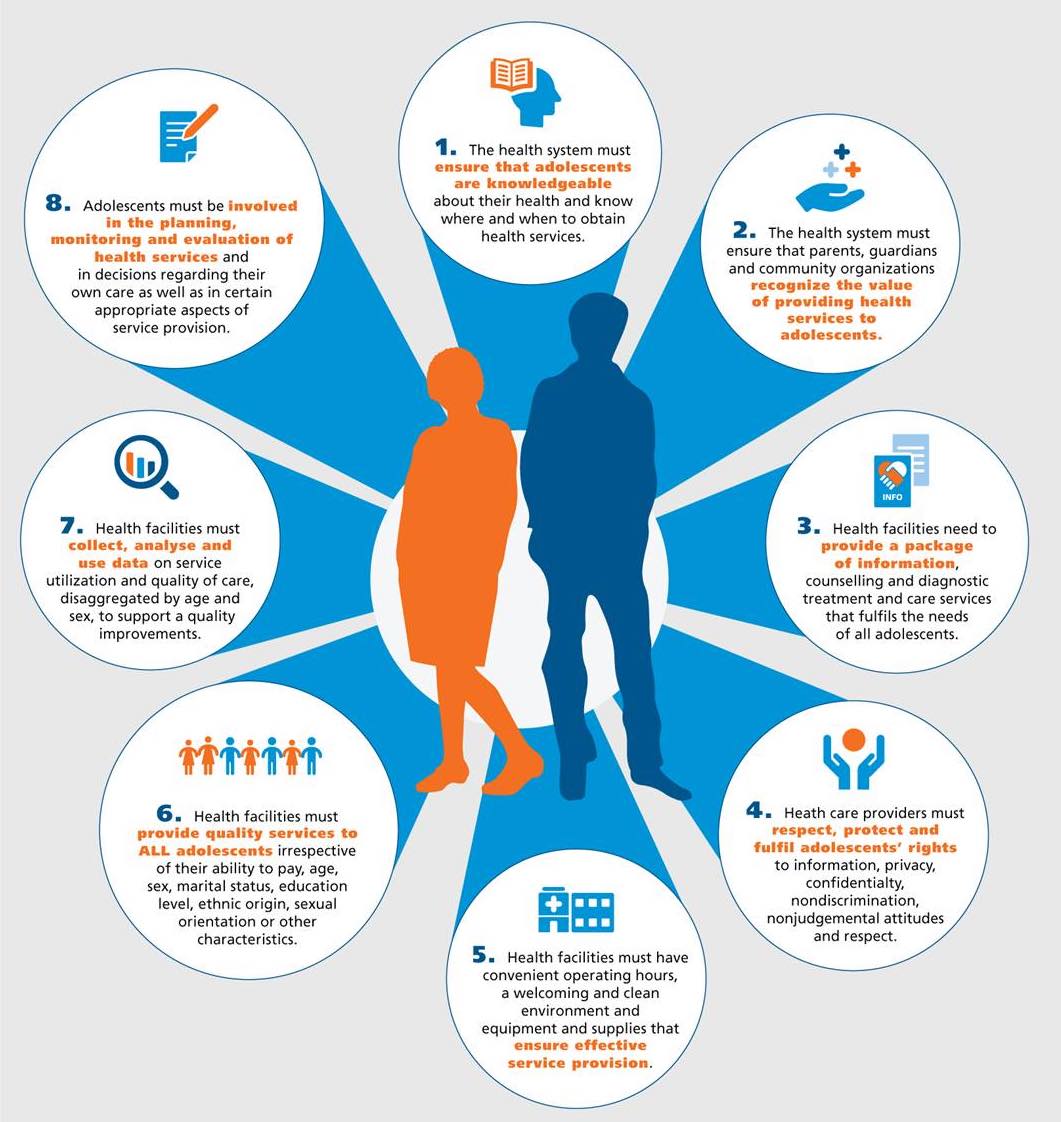
WHO developed global standards for quality health care services for adolescents, with the aim of guiding service delivery and quality improvements in all primary and referral facilities – not just in a few showcase centres.

The eight global standards define the required level of quality in the delivery of services to adolescents. Each standard reflects an important facet of quality service. If governments are to respond to the needs of adolescents, all standards must be met.

To address the lack of quality youth-friendly health services, the Regional Office for WHO in Africa conducted a series of consultations in 14 countries (Botswana, Burundi, Cameroon, Chad, Côte d’Ivoire, Democratic Republic of the Congo, Kingdom of Eswatini, Ghana, Kenya, Lesotho, Malawi, United Republic of Tanzania, Uganda and Zambia ) to assist towards improving services for adolescents living with HIV.

Through this process, each country carried out an analysis of the gaps in their youth services, learned about best practices from across the region and developed an action plan to implement the WHO global standards for adolescent-friendly health services. Since the consultations, 11 countries (Botswana, Cameroon, Democratic Republic of the Congo, Kingdom of Eswatini, Ghana, Kenya, Lesotho, Malawi, United Republic of Tanzania, Uganda and Zambia) have started adapting peer-based models of service delivery to improve services for adolescents.

This is a process that must continue. Some of the biggest game-changers with respect to adolescent-friendly services are ensuring that health services are nondiscriminatory, engaging adolescents and youth in their own care, working with peer counsellors and filling gaps in testing, prevention and treatment specifically for adolescents.

Adolescents-friendly policies

Policy is hugely important when it comes to adolescents seeking health care services and treatment. To access HIV services, many countries legally require parental consent for adolescents. In 14 countries in the WHO African Region, the age for accessing HIV testing without parental consent is 18 years. These policies are an important barrier for many adolescents who do not want to disclose their sexual history to their parent or caregiver. Reducing the age of consent – at least regarding health services – would also enable many adolescents to seek out information, including sexual and reproductive information – when they need it.

WHO recommends that governments revisit their age-of-consent policies “in light of adolescents’ rights to make choices about their own health and well-being”. Authorities should also consider the role of surrogate decision-makers in HIV testing services for adolescents who live without parents or for those unwilling to involve their parents. In all settings, WHO recommends that adolescents be counselled on the potential benefits and risks of disclosure of their HIV status and empowered and supported to determine if, when, how and to whom to disclose.

Even where teenagers do not need parental consent for an HIV test, they typically do not have the financial resources to travel out of their community to seek health care from a facility where they could be anonymous. The often-small nature of communities means that health care workers know many of the young people they see in the facility and their caregivers; and many people have experienced the lack of confidentiality by clinic staff regarding their health situation.

Standards

The data challenge

One of the challenges in designing and implementing programmes for adolescents is that there is not enough age-appropriate data. Although great efforts have been made in gathering evidence on all aspects of the fight against HIV, too often that data are not disaggregated by gender and by age. For example, the definition of “adolescents” includes all young people between the ages of 10 and 19. But the needs and levels of understanding of a 10-year-old will be quite different from those of a 19-year-old, and programmes and services must reflect this. What is urgently required is for data to be further disaggregated into five-year bands to enable health care systems to define strategies for each individual age group.

A good practice

The power of peers: An adolescent idea for managing HIV rises

Zvandiri is a life-changing peer-to-peer programme of Africaid that started in Zimbabwe and is helping to improve adherence to antiretroviral medication among children, adolescents and young people and thus promoting viral suppression.

The Government of Zimbabwe has replicated the programme in 51 of its 63 districts and integrated the services into its national health system.

Zvandiri, which means “as I am” in Shona, started as a support group for six HIV-positive adolescents in Harare in 2004 to develop skills for growing up with HIV. Today, around 1200 trained, mentored adolescents and young people living with HIV, known as community adolescent treatment supporters, or CATS, primarily provide the services, which include HIV testing, antiretroviral therapy initiation and adherence monitoring. In addition, the CATS provide support for sexual and reproductive health, mental health, disability, social protection and young mother services. They advocate at the community, national and international levels and speak up for the needs of HIV-positive children, adolescents and young people.

The CATS are based in health facilities and supervised by a nurse and counsellor; they work side by side with regular and mental health nurses. They meet with young people in the clinics and make home visits; and they manage support groups and mobile health platforms. They provide information, counselling and any other support needed.

The differentiated services of Zvandiri, according to their website, revolve around helping all young people “know, understand accept their HIV status; that they start and remain on antiretroviral treatment with understanding and confidence; that they remain engaged in treatment, care and support services and that they feel cared for, understood, supported and valued”.

The CATS provide self-test kits to adolescents aged 16 and older; if someone tests negative, they are linked to government prevention services. Counselling and links to the national care and support system follow a positive outcome. To help their peers manage their health care, the CATS see them at home, in clinics, in support groups and through SMS platforms. Frequency of interaction is determined by a person’s needs. The CATS work with clinic staff to overcome challenges to adherence and well-being.

Young mothers living with HIV are trained and mentored as young mentor mothers who support their peers through home visits and young mother support groups. The CATS have been trained and mentored to identify peers with a disability who could be or are living with HIV also.

Six countries on the African continent have adopted or adapted the Zvandiri model and the organization works with the national ministries to boost the capacity of health workers, social welfare officers and teachers with services that are responsive to the evolving needs of children and adolescents living with HIV. This includes the development of national training curricula and the training and on-the-job mentorship of service providers. The CATS co-conduct the training.

“I am proudly living with HIV,” explains Shanine Mushonga, whose parents died of AIDS when she was young. Now in her 20s, she started as a Zvandiri beneficiary, became a CATS counsellor, then a global advocate helping other countries adapt the programme and now leads the programme in a district. “This support network really changed my life and made me understand I can do anything by helping my peers,” she says. 

More than 74 000 children, adolescents and young people in Zimbabwe have been touched by a peer through Zvandiri. “We’ve seen children born in a time without treatment now growing up with a whole package of support – and it’s not about just taking medication. It’s about growing up and living with HIV,” says Nicola Willis, Director of Africaid, which she started 15 years ago. 

“To see how young people have overcome the challenges in their lives and turn that around and become providers of support for others at such a scale is really phenomenal,” she adds. “And to see how policymakers, funders, service providers acknowledge that adolescents and young people have such an important role in our response to HIV has been the transformation. We’ve shown that it’s not only important but it’s effective. Young people really can do this.”
Zvandiri
Hero toolkit image

About #TheTeaOnHIV social media campaign of the World Health Organization

#TheTeaOnHIV is a campaign to educate and empower young people in Africa to initiate more open and honest conversations about HIV. There are many misconceptions around the virus, and it's more important than ever that we encourage and support young people in fact-based discussions. This campaign provides the facts that young people need in a youthful and digestible way, to be shared with their peers. This then, we hope, becomes a big step towards reducing the stigma around HIV and ending the AIDS epidemic once and for all. So, let's spill #TheTeaOnHIV.