Tanzania strengthens oral health services through strategic partnership with WHO and WHO Collaborating Centres in Japan
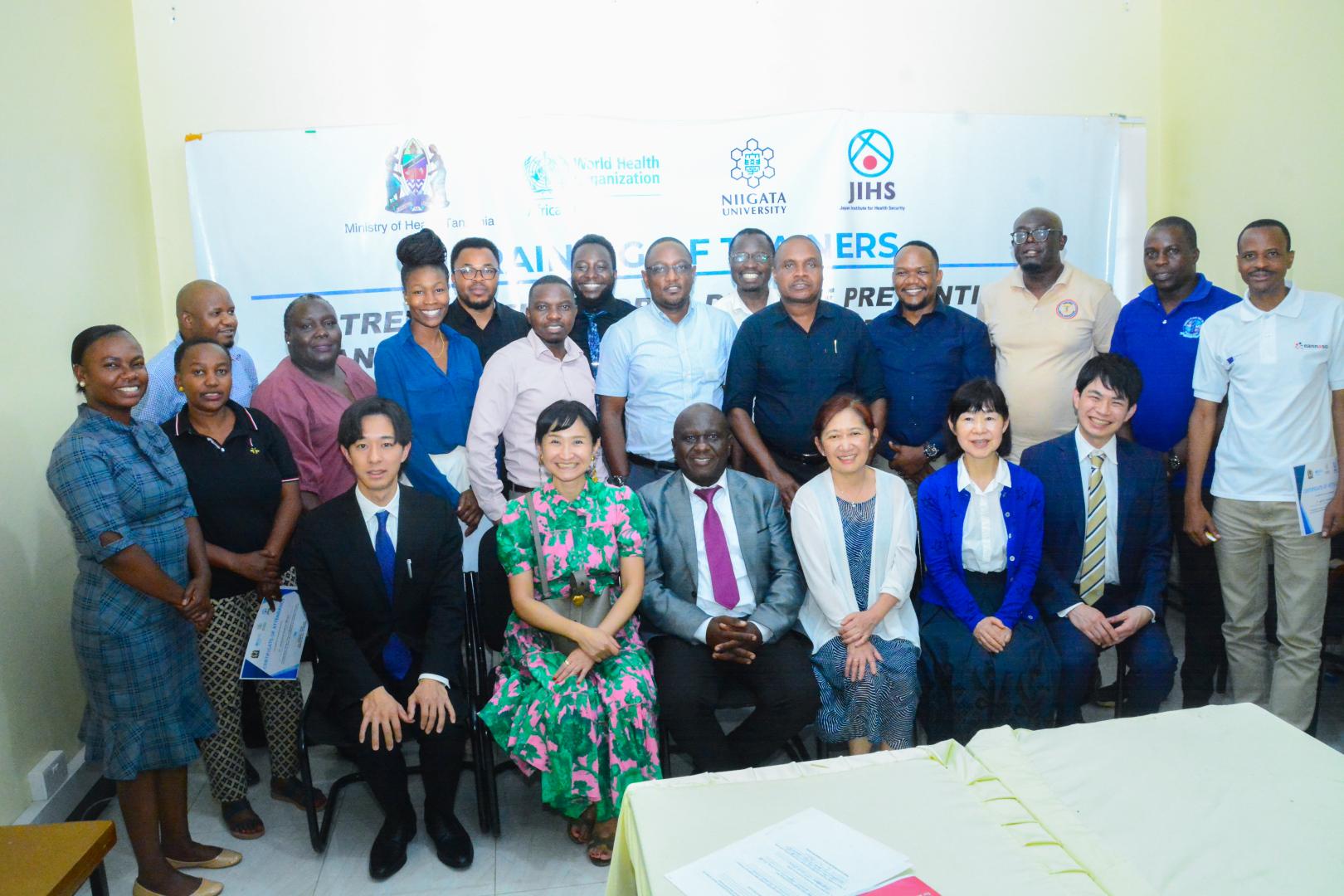
Dar es Salaam—More Tanzanians are gaining access to essential oral health services, which is bringing the country closer to its goal of 45% oral health service coverage by 2030 and strengthening Universal Health Coverage (UHC) at the primary care level.
Kenya launches national cervical cancer elimination action plan 2026–2030
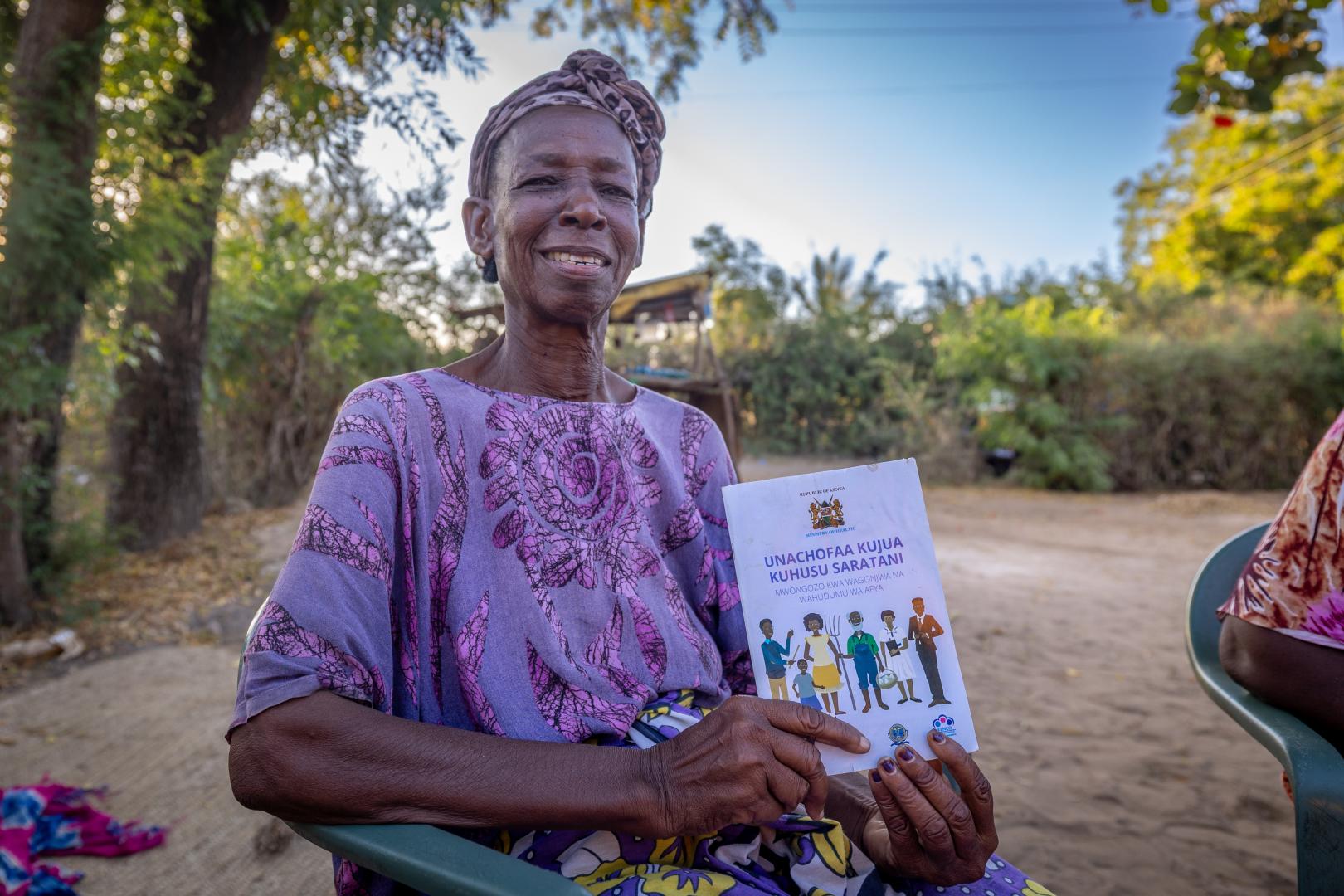
Nairobi—The Government of Kenya has launched the National Cervical Cancer Elimination Action Plan 2026-2030, a five-year strategy developed with support from the World Health Organization (WHO) to accelerate the prevention, early detection and treatment of cervical cancer.
“A national milestone in women’s health”- as Ethiopia concludes Month-Long Cervical Cancer Campaign with Record-Breaking Results
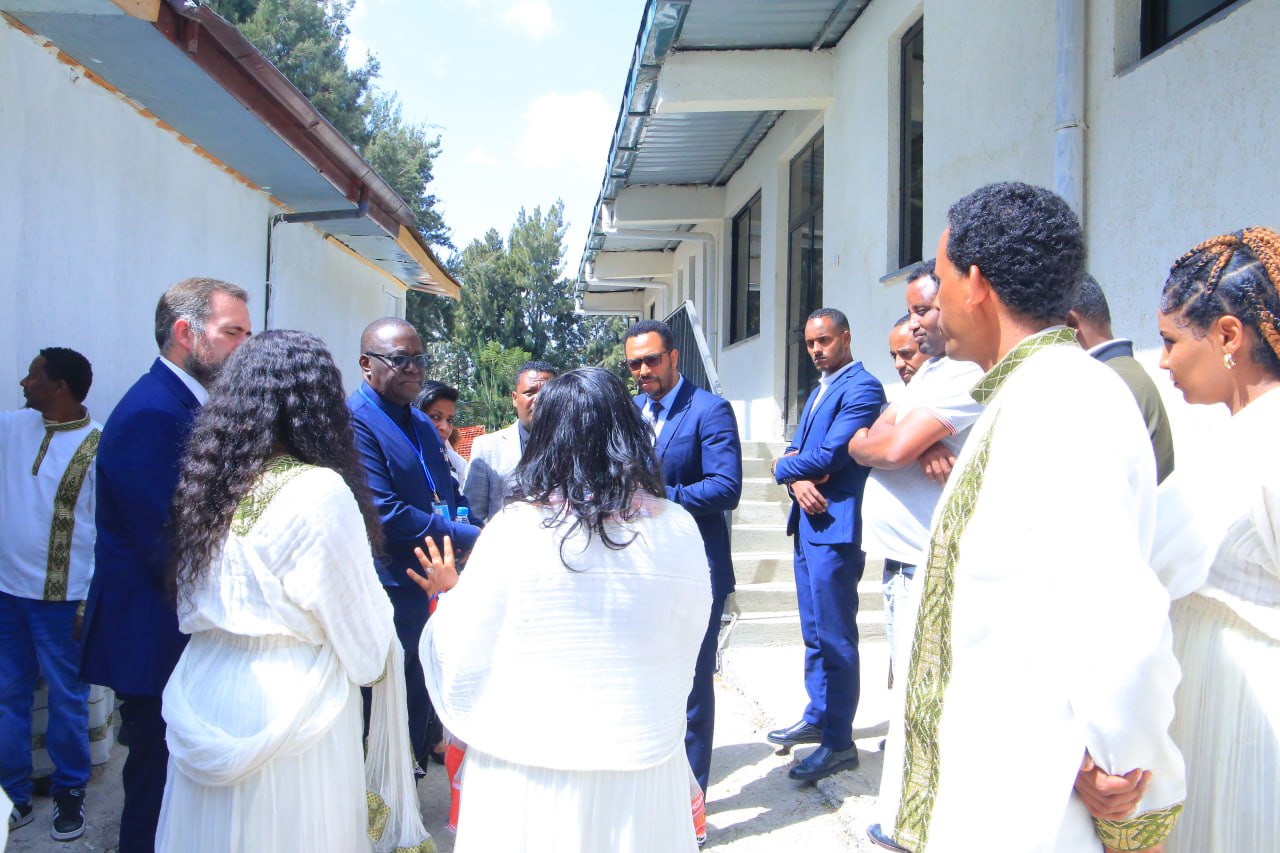
Over 275,000 women screened, target exceeded by 103%, and thousands of precancerous lesions treated on the spot.
Addis Ababa, 14 January 2026 – Ethiopia has celebrated the successful closure of an unprecedented month-long cervical cancer screening and treatment campaign in six selected regions, achieving and surpassing almost every target set just 30 days earlier.
Angola strengthens its preparedness for public health emergencies with the inauguration of the Public Health Emergency Operations Center (PHEOC)
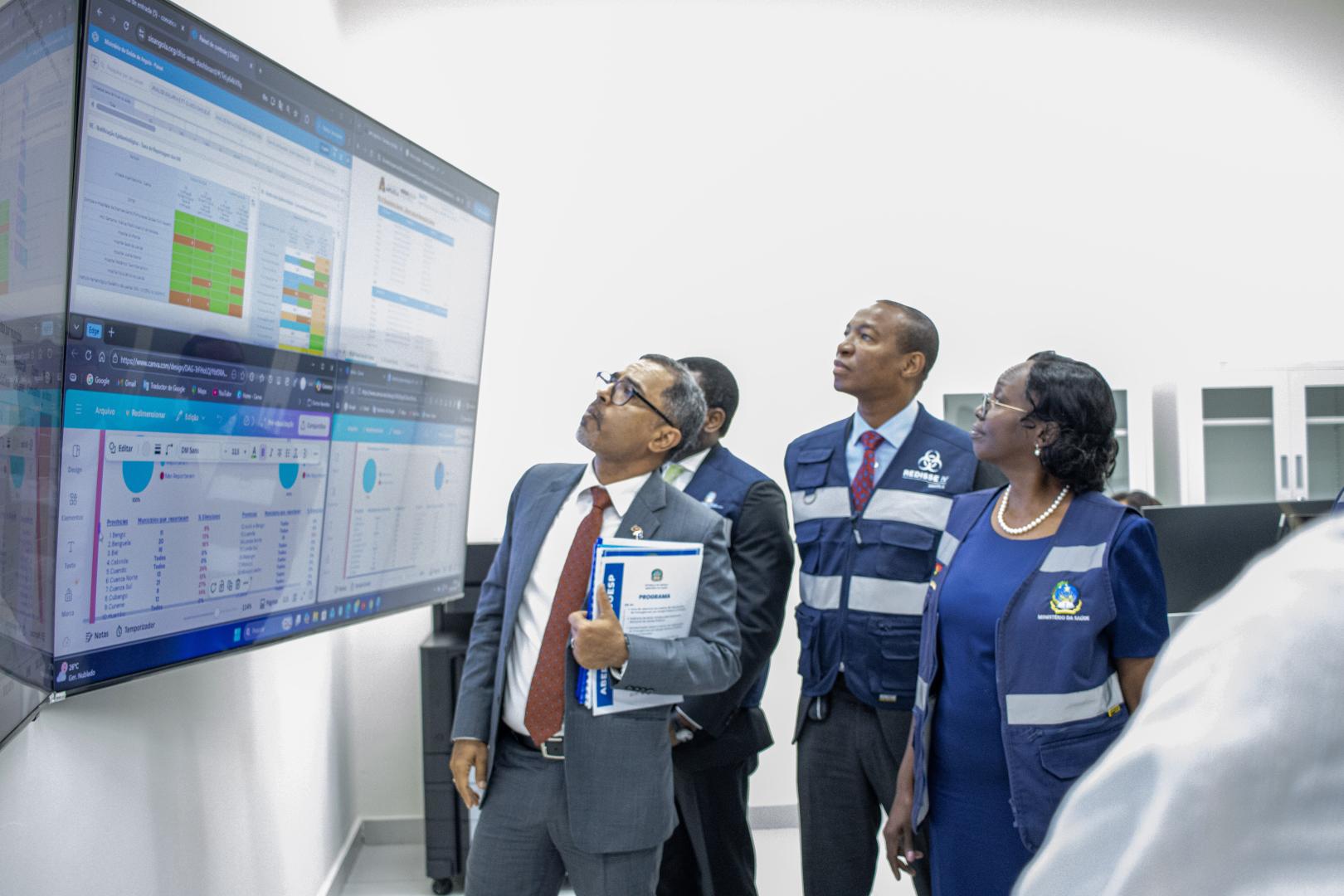
In 2025, the public health system in Angola was put under severe pressure due to public health emergencies, such as the cholera outbreak that affected the country, exposing structural vulnerabilities while also creating momentum for critical reforms and strategic investments.
Effective Implementation of Tobacco Control Proclamations Requires Robust Enforcement and Strong Multisectoral Collaboration
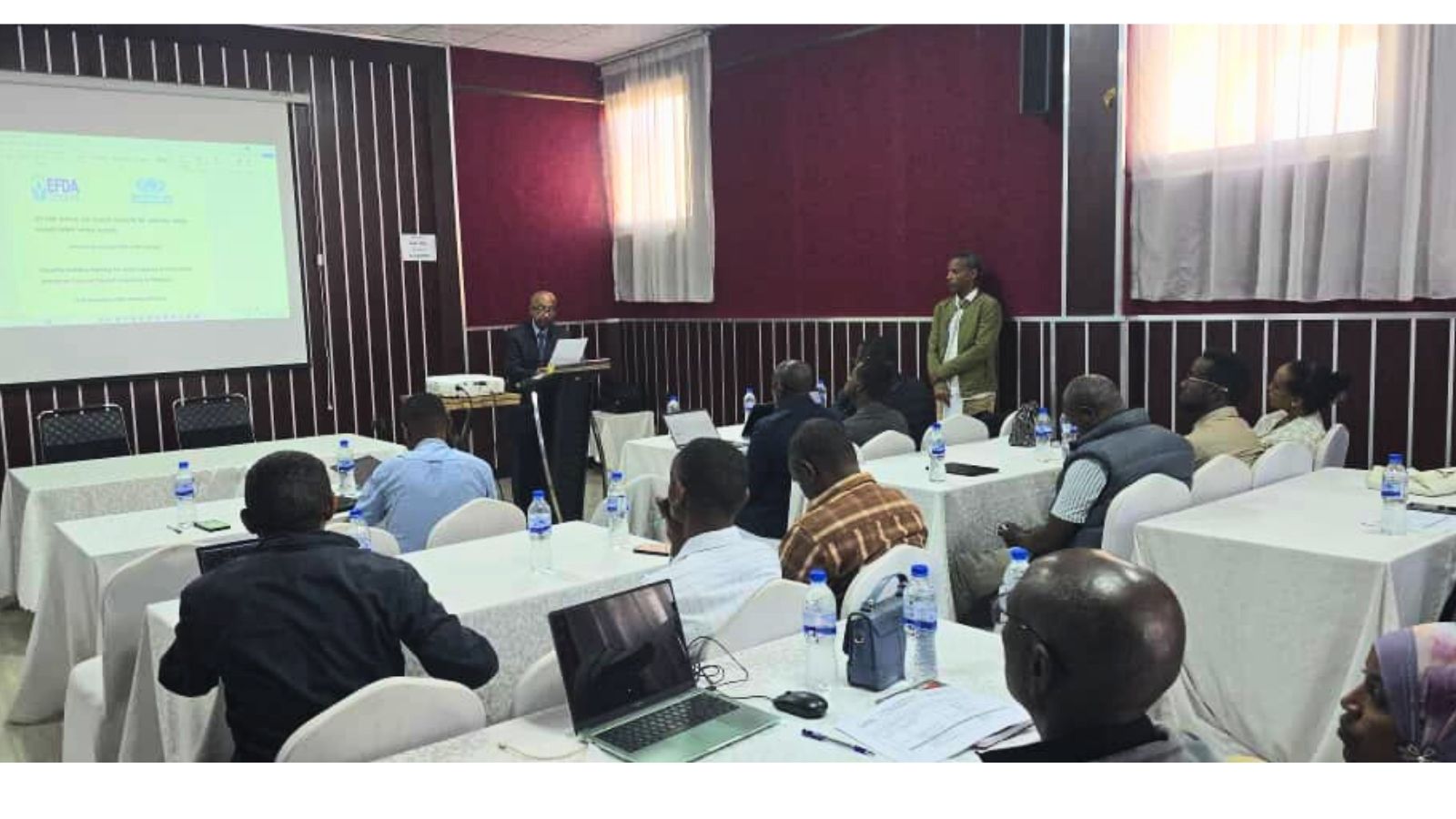
Ethiopia is accelerating the implementation of its Tobacco Control Proclamation through strengthened enforcement systems and coordinated multisectoral action, with the World Health Organization (WHO) Ethiopia Country Office playing a central role in translating policy into practice and supporting national institutions to protect communities from the harms of tobacco use.
WHO Ethiopia Leads by Example in Transition to New Business Management System
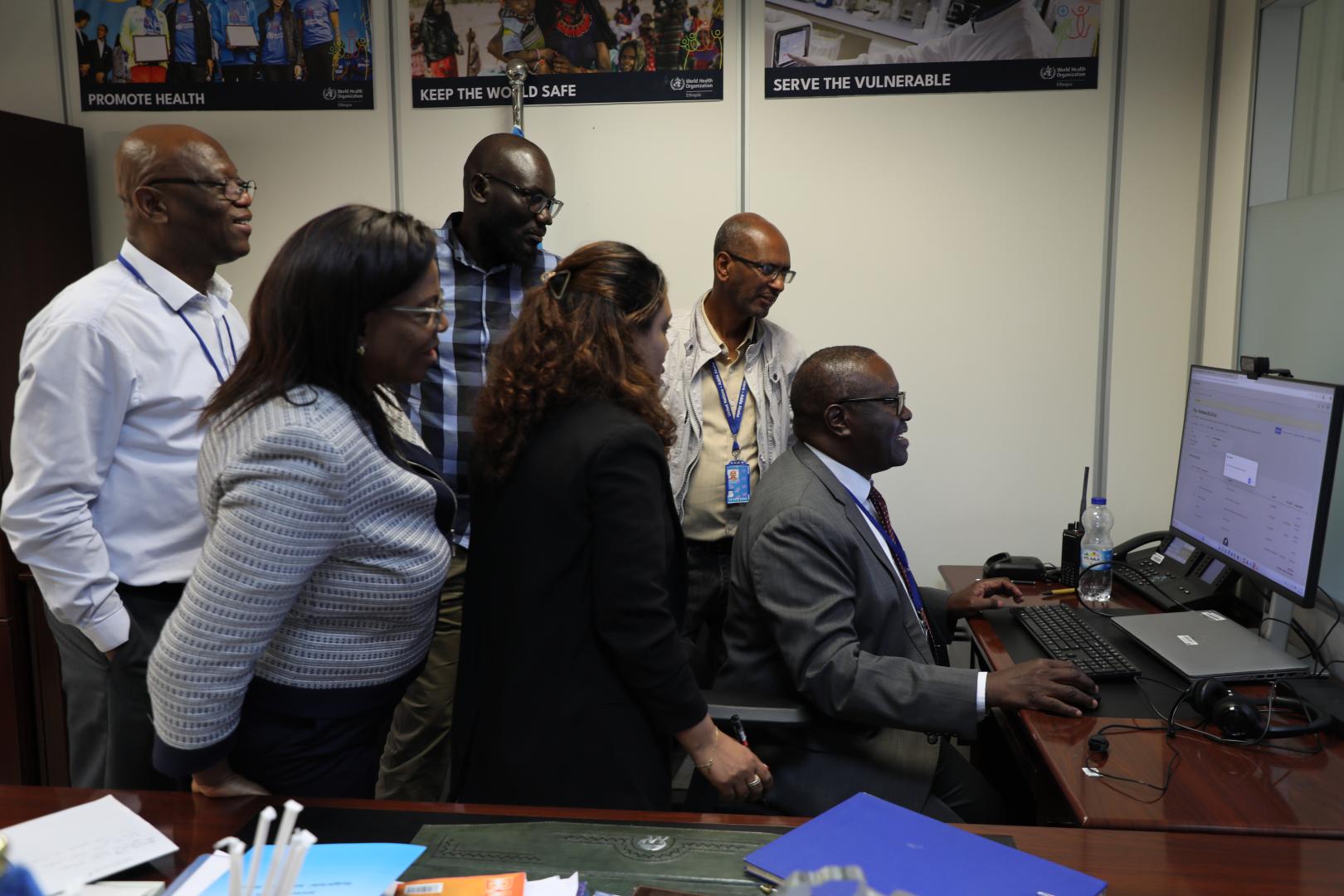
WHO Ethiopia successfully initiated its transition to the state-of-the-art Business Management System (BMS) on 13 January 2026 by completing the first travel and expense approval through the new SAP Concur platform.
Professor Francis Kasolo, WHO Ethiopia Representative a.i. and Director of the WHO Liaison Office to the African Union and UNECA, made the inaugural approval on the BMS using SAP Concur, which manages end-to-end travel processes through an online, self-service booking system.
UN Welcomes Japan’s US$10.5 Million Contribution to Humanitarian and Development Efforts in Ethiopia
FOR IMMEDIATE RELEASE
Addis Ababa, 12 January 2026 – The United Nations welcomes a generous contribution of US$10.5 million (approximately ETB 1.62 billion) from the Government of Japan to support critical humanitarian response, recovery and sustainable development in Ethiopia.
Zanzibar strengthens routine AMR surveillance and reporting
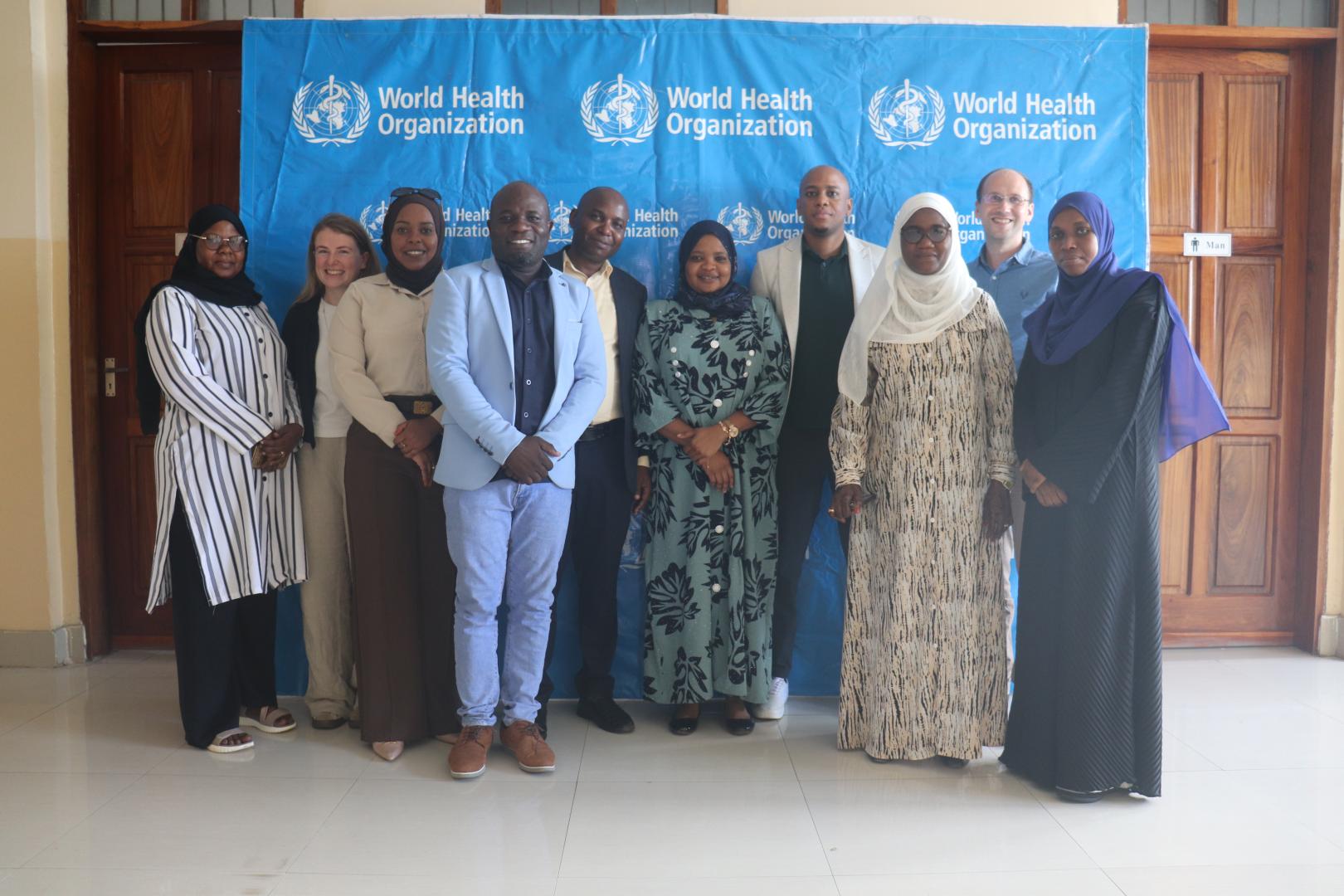
Zanzibar City—The Ministry of Health Zanzibar, with technical support from the World Health Organization (WHO) and Health Improvement Zanzibar (HIPZ), has completed a baseline analysis of 2024 antimicrobial resistance (AMR) data from the national sentinel surveillance network. The work, covering Unguja and Pemba, is guiding practical improvements to strengthen routine surveillance and reporting.

From vision to action: Zimbabwe launches its National Public Health Institute

Harare—Zimbabwe has taken a bold and historic step toward strengthening its health system with the creation of the National Public Health Institute (NPHI), aligned with global best practice and the African Union (AU) New Public Health Order. This science-driven, semi-autonomous institution is designed to enhance the country’s public health capacity and resilience. What began as an ambitious vision has now become a concrete reality, reflecting strong national leadership, regional collaboration, and global support.