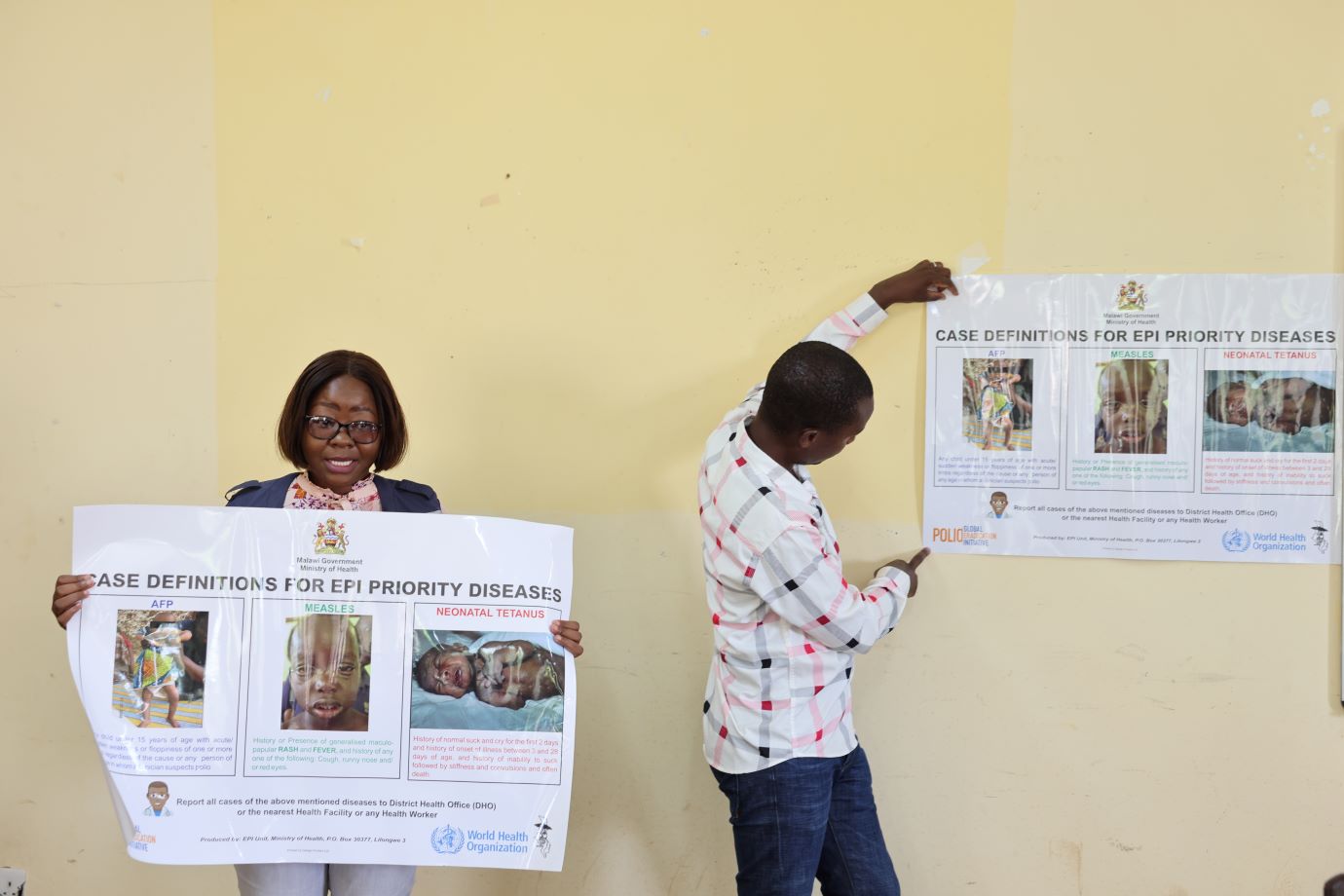
Faced by a series of public health emergencies, Wild Polio Virus Outbreak, the protracted Cholera Outbreak, COVID-19 and Post Flood Recovery, Malawi’s health care delivery including immunization was gravely impacted in 2022. Coverage of the Third dose of the DPT vaccine was at 86% the lowest since 2018. The burden of zero- dosed and under immunized populations also increased rising to from 3% in 2019 to 6% in 2022 with widened equity gaps.
In line with the Immunisation Agenda 2030 goal of leaving no one behind, the Ministry of Health (MOH) with support from the World Health Organisation (WHO) conducted a rapid gender, equity and human rights analysis and barrier assessment to assess the differential impact gender related domains have on Immunisation and document strategies to address the identified gaps. The findings revealed that gender related inequalities and unfavorable socio- cultural practices were key barriers to healthcare services access including immunization, High illiteracy especially amongst women, limited decision-making power among women, adolescent marriages, and pregnancies were found to influence distally ability to seek health care services including immunisation. With regards immunization, whilst most women were more willing to have their children immunized, most of them needed authorization from men to access services for themselves and for their children, Men were however less targeted with immunisation information and often failed to provide the appropriate informed consent.
Programmatic interventions including health education and information materials often had little consideration for the needs of persons living with disability such as visually impaired and the hearing impaired thereby limiting their ability to make informed decisions.
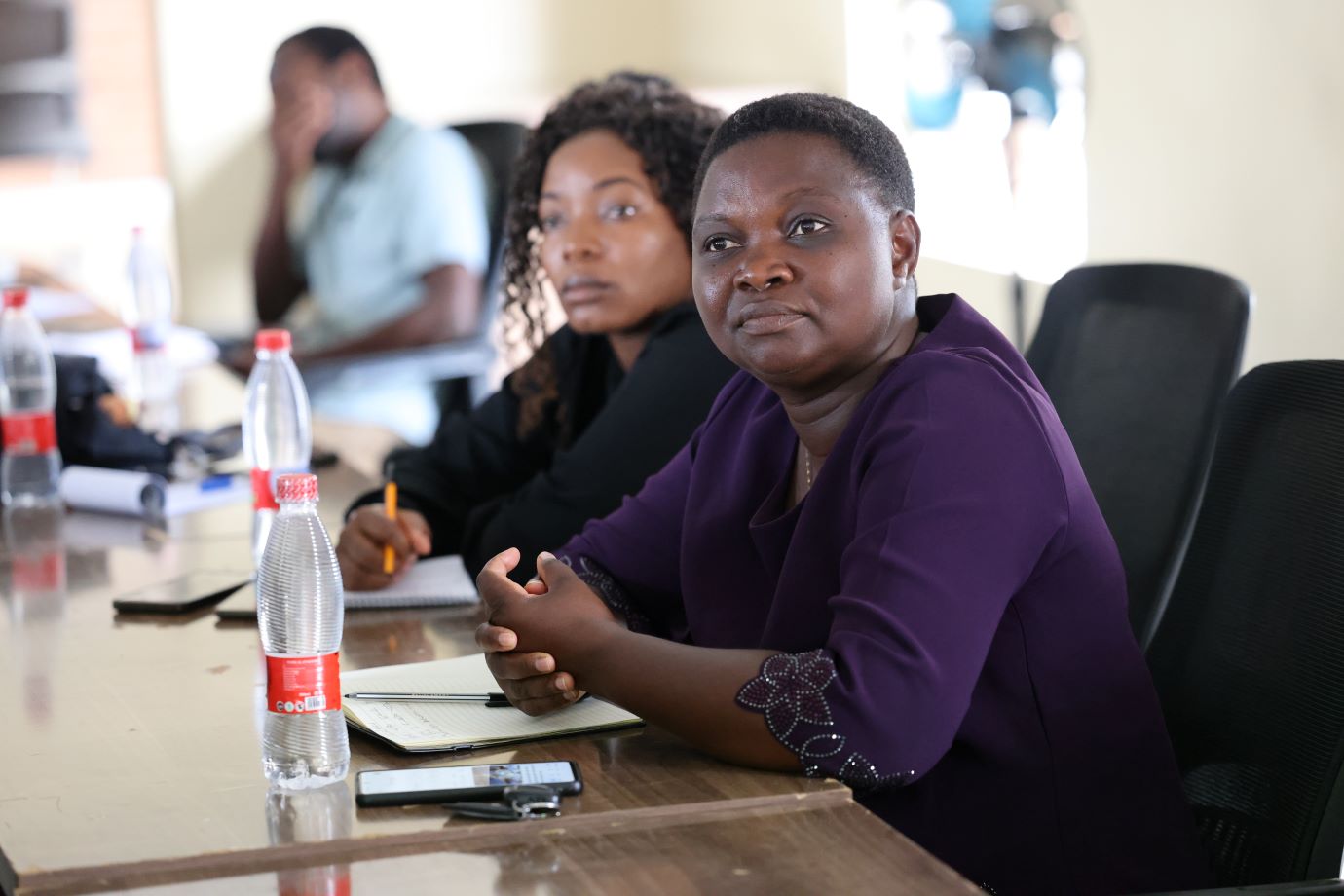
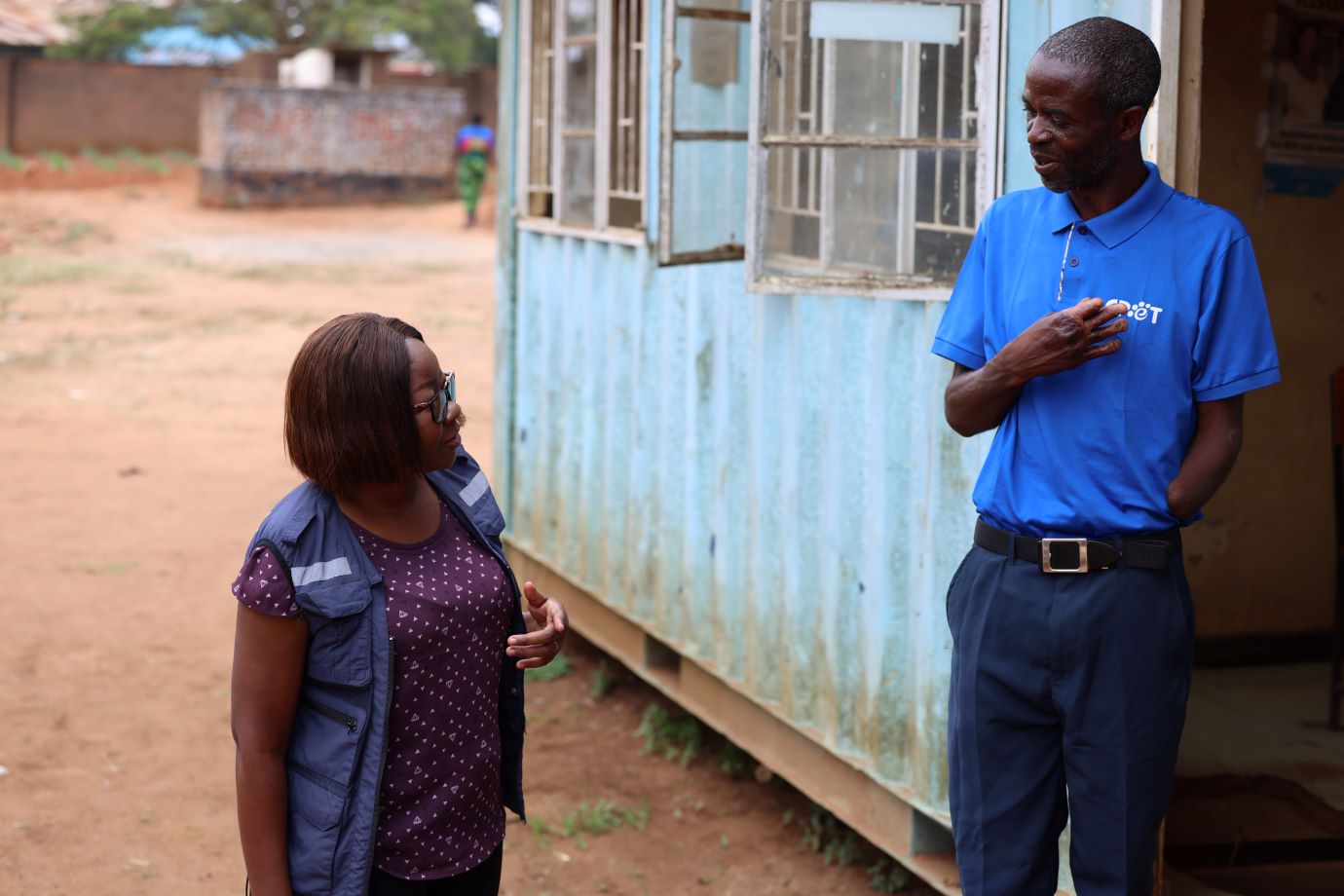
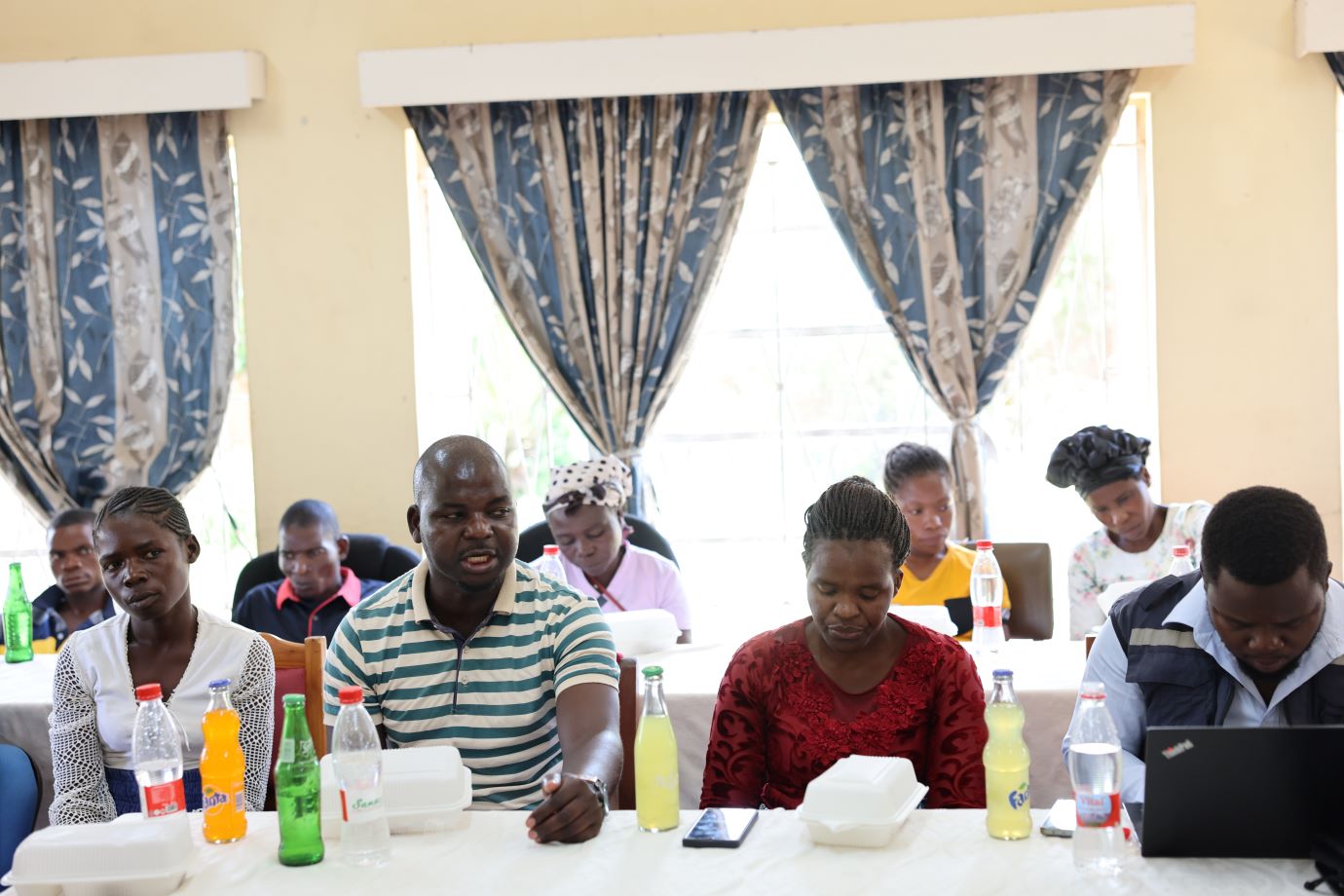
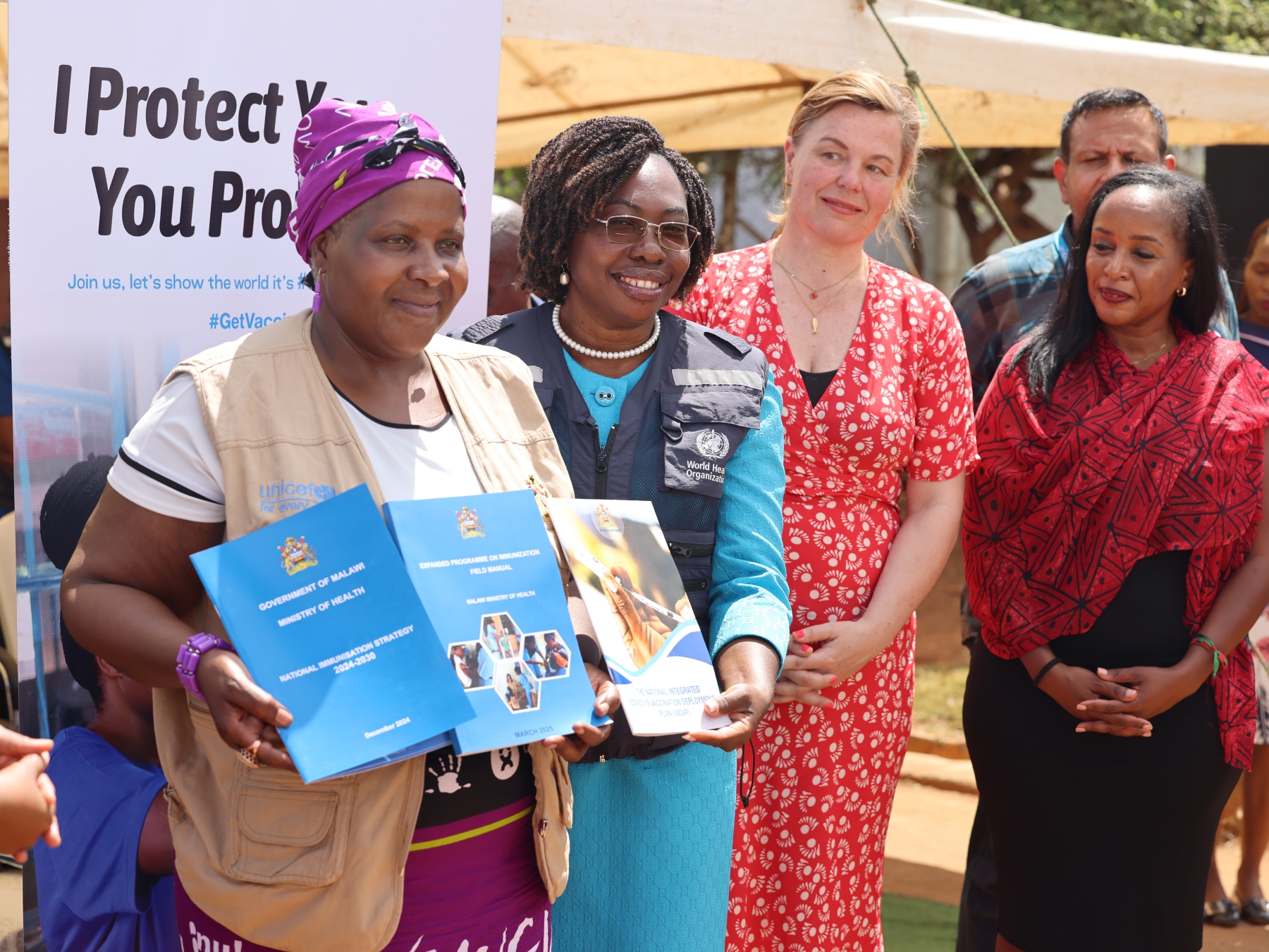
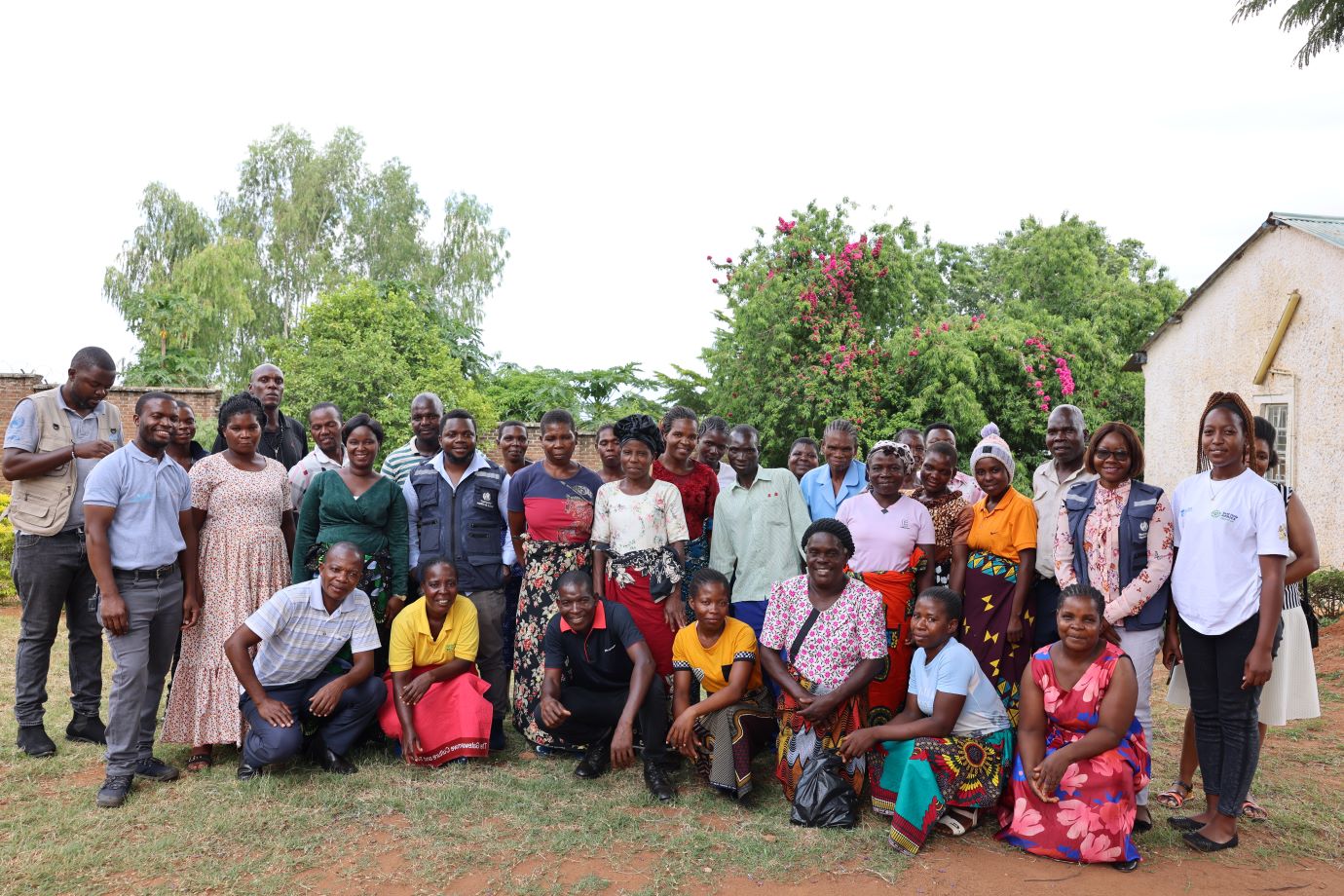
To address these issues, WHO- Malawi with funding from GAVI, The Vaccine Alliance and in collaboration with Ministry of Health and Ministry of Gender, Community Development and Social Welfare in Malawi, is working to address the highlighted barriers. Technical and financial support was provided to implement key recommendations from the assessment to bridge equity gaps and ensure a Gender, Equity and Human Rights inclusive Immunisation programme that ensures access for all. Initial efforts have been focused on three pilot districts namely Mangochi, Thyolo and Blantyre.