ECHO supports WaSH services in response to the Cholera outbreak in Ethiopia
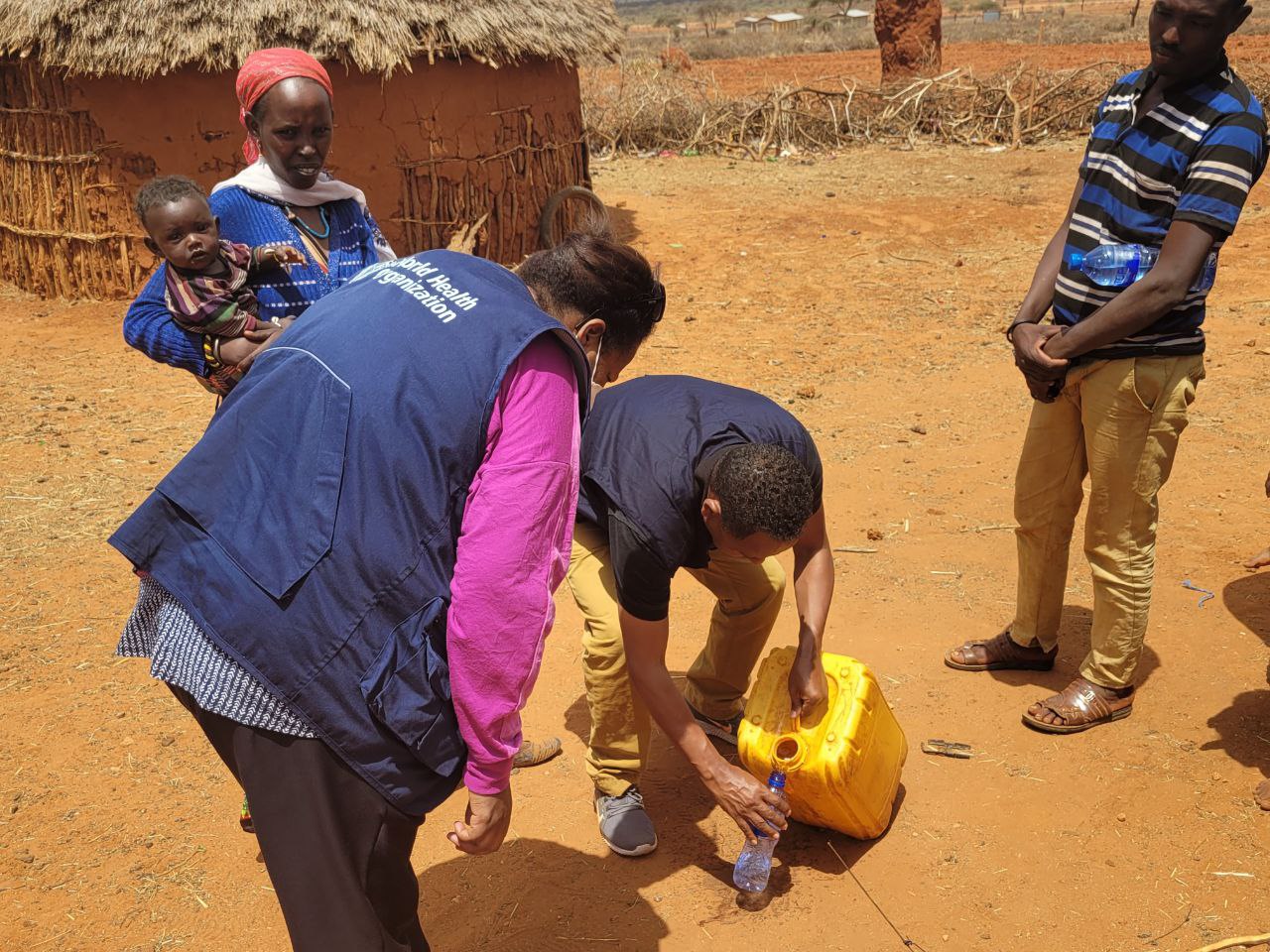
According to Ethiopia Humanitarian Response Plan (HRP) 2022, the country has been experiencing one of the most severe La Niña- induced droughts in the last decade following the fifth consecutive failed rainy season since late 2020. The areas most affected are Afar, Oromia, SNNP, Somali, and Southwest regions. This prolonged drought, that commenced in 2020, has severely compromised the already fragile livelihoods.
Intensified efforts to maintain a Polio free Eswatini
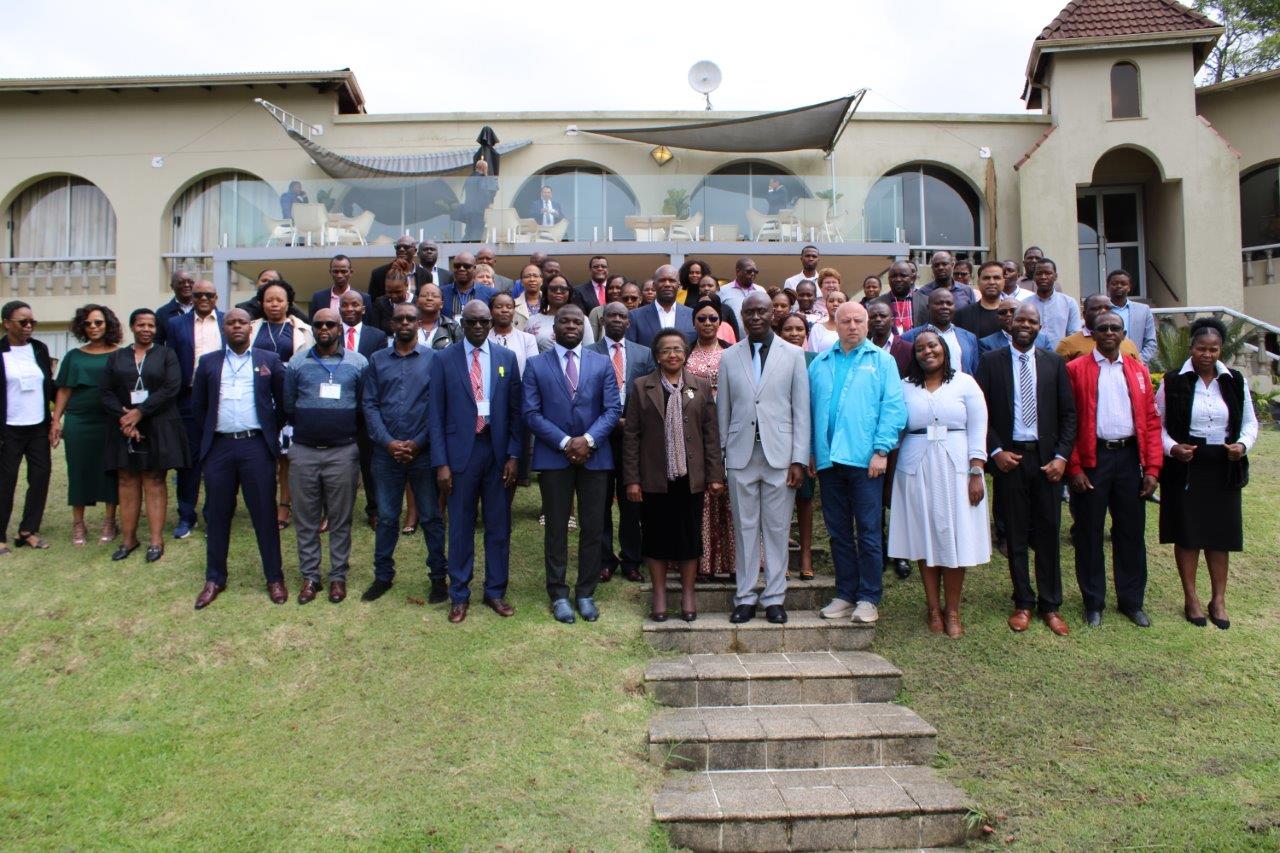
Eswatini has joined countries like Botswana, Mozambique, and Malawi in intensifying efforts to protect more people from polio. Following the finalisation of the National Polio Preparedness and Response Plan, the country went on to conduct a Polio Outbreak Simulation Exercise (POSE). This was through a two-day Tabletop Exercise (TTX) conducted from 29 to 30 November 2022 after several weeks of intense planning.
National Council on Health opens, experts call for resilient health system towards UHC

Abuja, 6 December, 2022 - As the 63rd Regular National Council on Health (NCH) begins in Abuja, health experts are convinced that the government still have ample time to build a resilient and sustainable system for improved health outcomes in the country.
Delivering the keynote address at the opening ceremony on 05 December 2022, the Permanent Secretary Ministry of Environment, Delta State, Dr Mininim Oseji, says though the current administration has less than six months to go, Universal Health Coverage (UHC) is still attainable.
Bolstering Africa’s health emergency readiness and response

Transforming women health leadership for improved health outcomes

Eritrea: Commemoration of World AIDS Day 2022
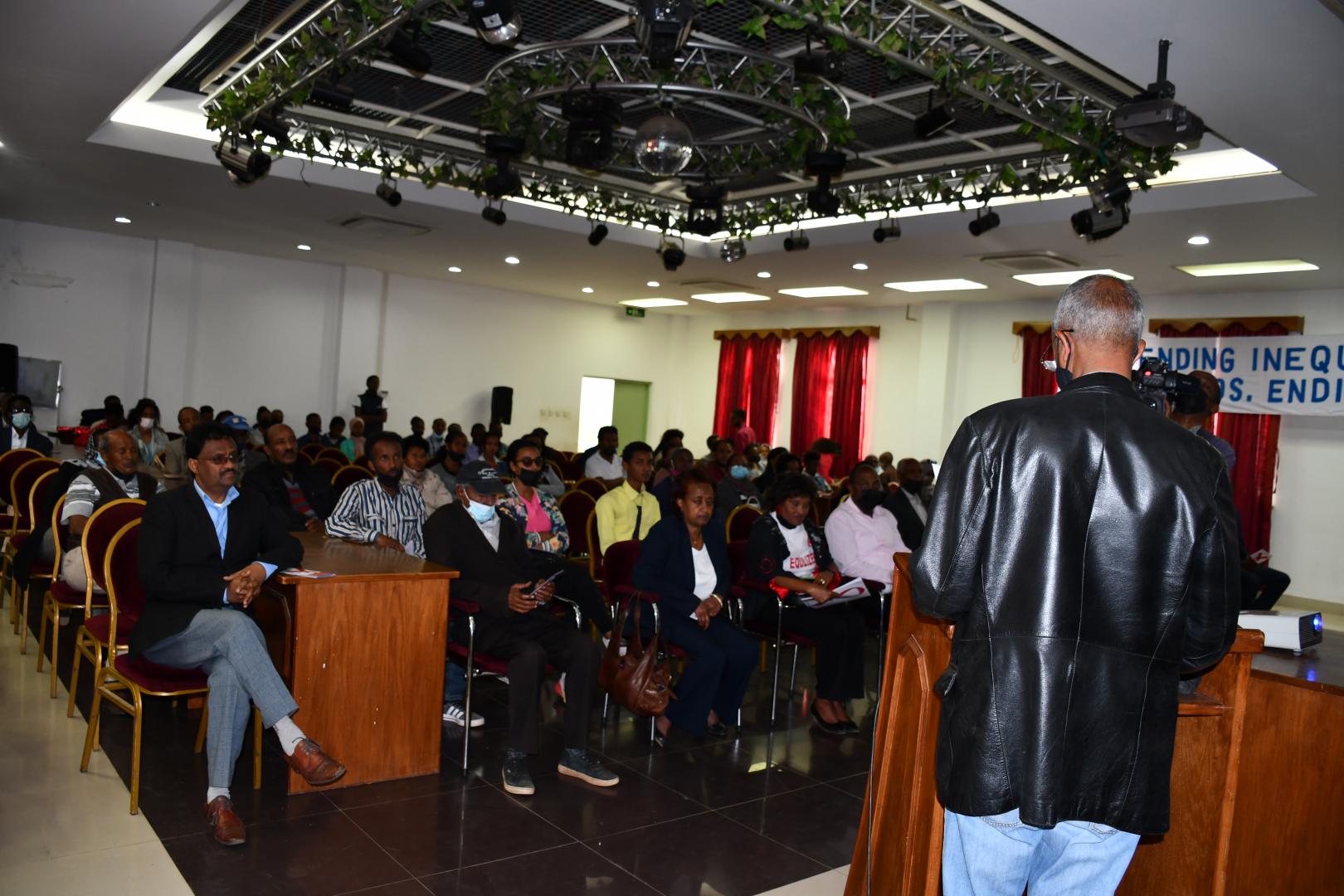
WHO Eritrea joined the World in commemorating World AIDS Day 2022 under the theme “Equalize” at Orotta Conference Hall in Asmara on 1st December 2022.
The theme of this year’s World AIDS Day sought to highlight ongoing inequalities holding back the end of HIV/AIDS and for countries to address these inequalities.
Providing critical health and hygiene services to Mozambique’s conflict-affected communities

Zanzibar successfully rolls out final round of polio vaccines

Zanzibar - In a bid to maximize protection of the population from outbreaks using scarce resources, Zanzibar has successfully piggy backed measles and rubella vaccination and vitamin A drops administration on a scheduled fourth round of polio vaccination campaign.
South Sudan develops the next Health Sector Strategic Plan 2023-2027

2 December 2022, Juba - Strategic and operational planning are important for translating the National Health Policy Vision and Goals into actionable interventions that contributes to transforming the health and wellbeing of the people of South Sudan in line with the National Development Strategy and sustainable development goals.
Bringing primary health services closer to underserved people in Gombe state

Gombe, 1 December, 2022 - The big idea about Universal Healthcare Coverage (UHC) is that health services should not be a luxury, and everyone, everywhere, should receive the quality healthcare they need without suffering financial hardship.
To achieve this objective, Gombe State Governor, Mr Muhammad Inuwa Yahaya, recently commissioned the first primary healthcare (PHC) centre, Doma PHC, at Jekadafari ward, located in Gombe Local Government Area (LGA).