Faster diagnosis, earlier treatment: Tanzania advances the fight against TB
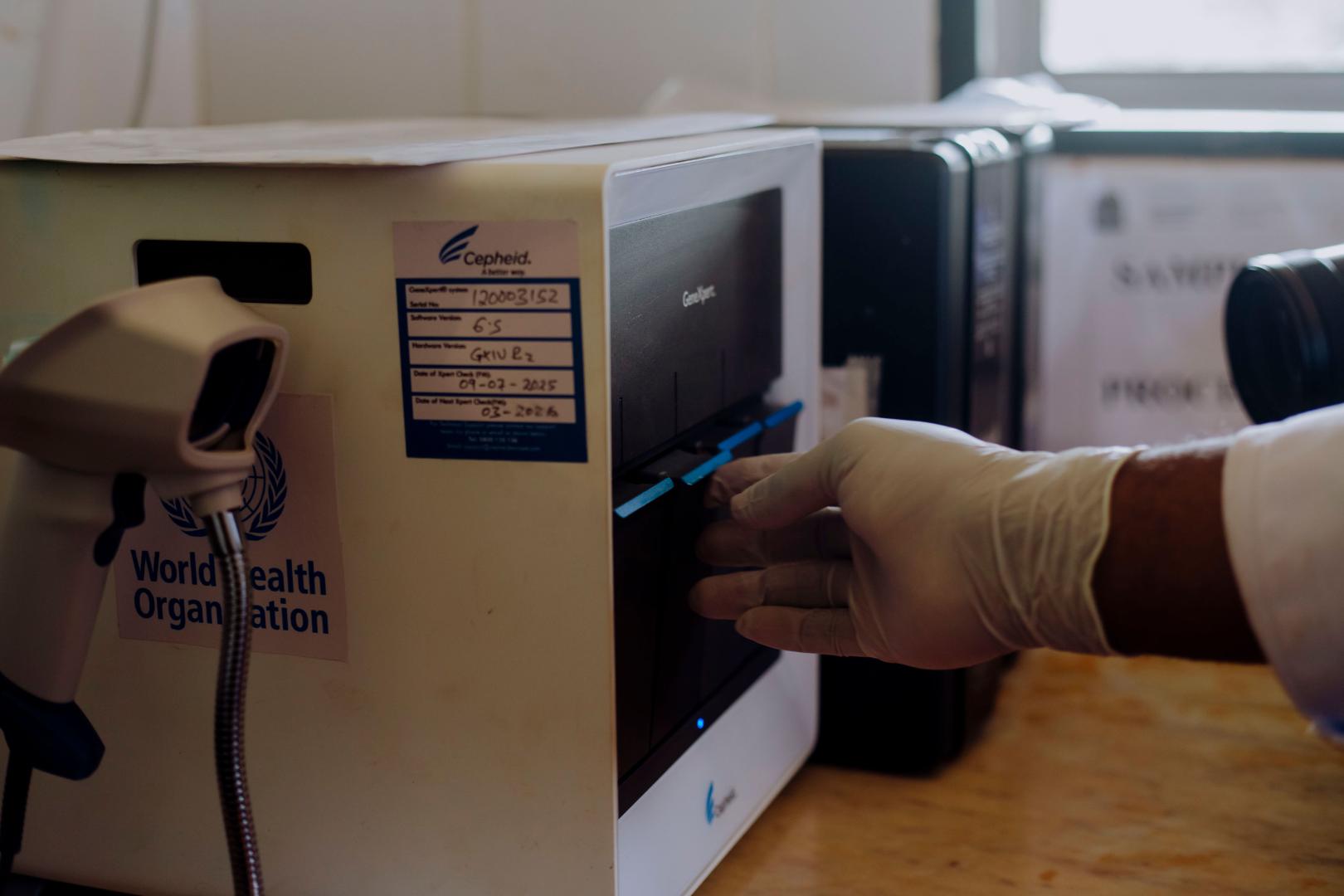
In Kigoma Region, a quiet but important change is transforming the fight against tuberculosis (TB). People who are suspected to have TB are now getting accurate results within hours instead of days. This means they can start treatment much earlier, recover faster, and reduce the risk of spreading the disease to others.
Joint mission reveals progress and priorities for health service delivery in Matabeleland South
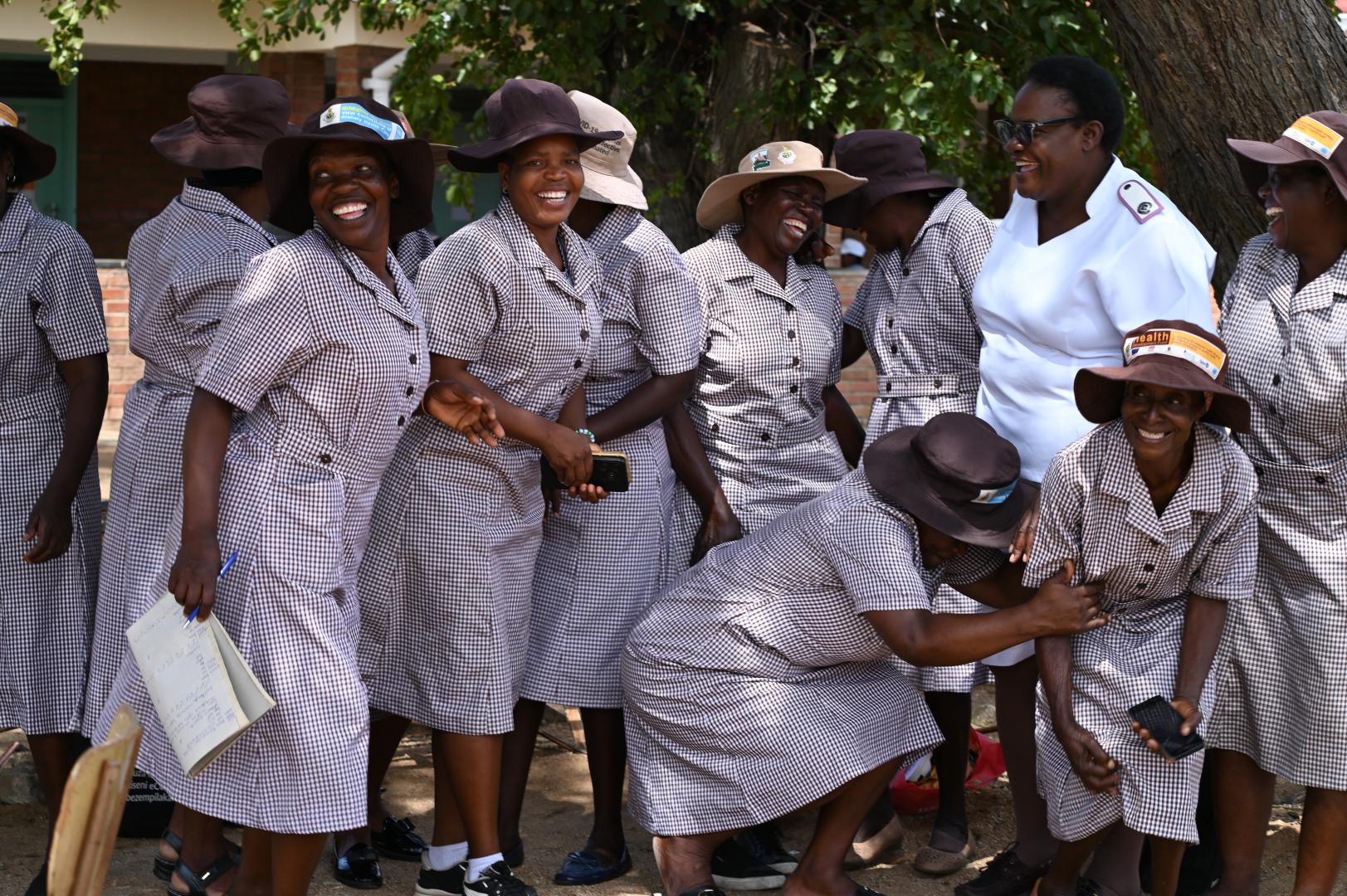
Zimbabwe continues to take important steps towards strengthening its health system and ensuring that quality services reach all communities across the country. In late February 2026, a high-level delegation of the Ministry of Health and Child Care conducted a joint mission to several health facilities in Matabeleland South Province to better understand progress on the ground and identify opportunities for improvement.
Uganda’s National Drug Authority Receives WHO Tools to Boost Antimicrobial Stewardship
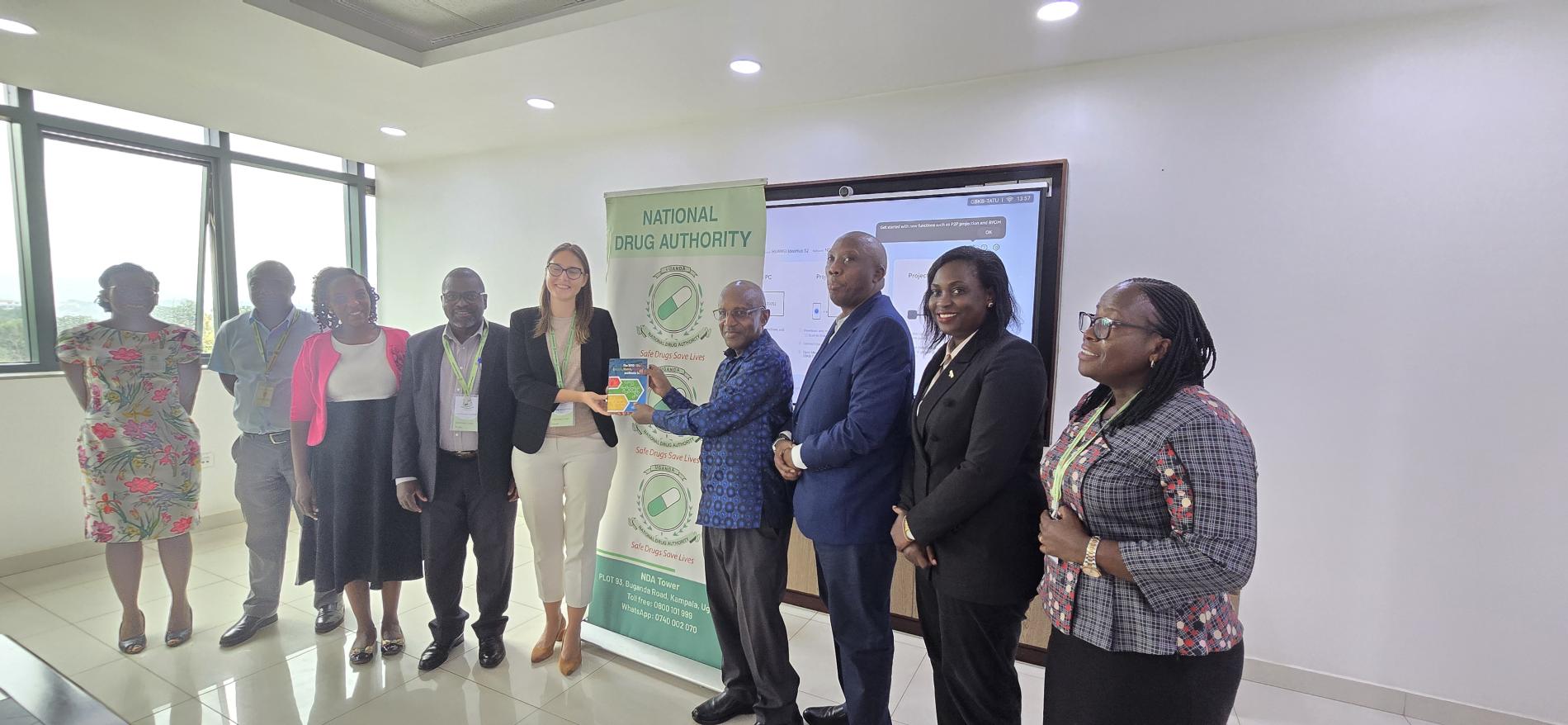
Kampala, Uganda: Uganda has taken a significant step in the fight against antimicrobial resistance (AMR) following the handover of 300 WHO AWaRe (Access, Watch, Reserve) antibiotic books to the National Drug Authority (NDA). The support comes at a time when the country, like many low and middle-income nations, continues to grapple with rising resistance to commonly used antimicrobials, a trend that threatens decades of medical progress.
Rapid response, strong results: WHO reviews Marburg response in Ethiopia
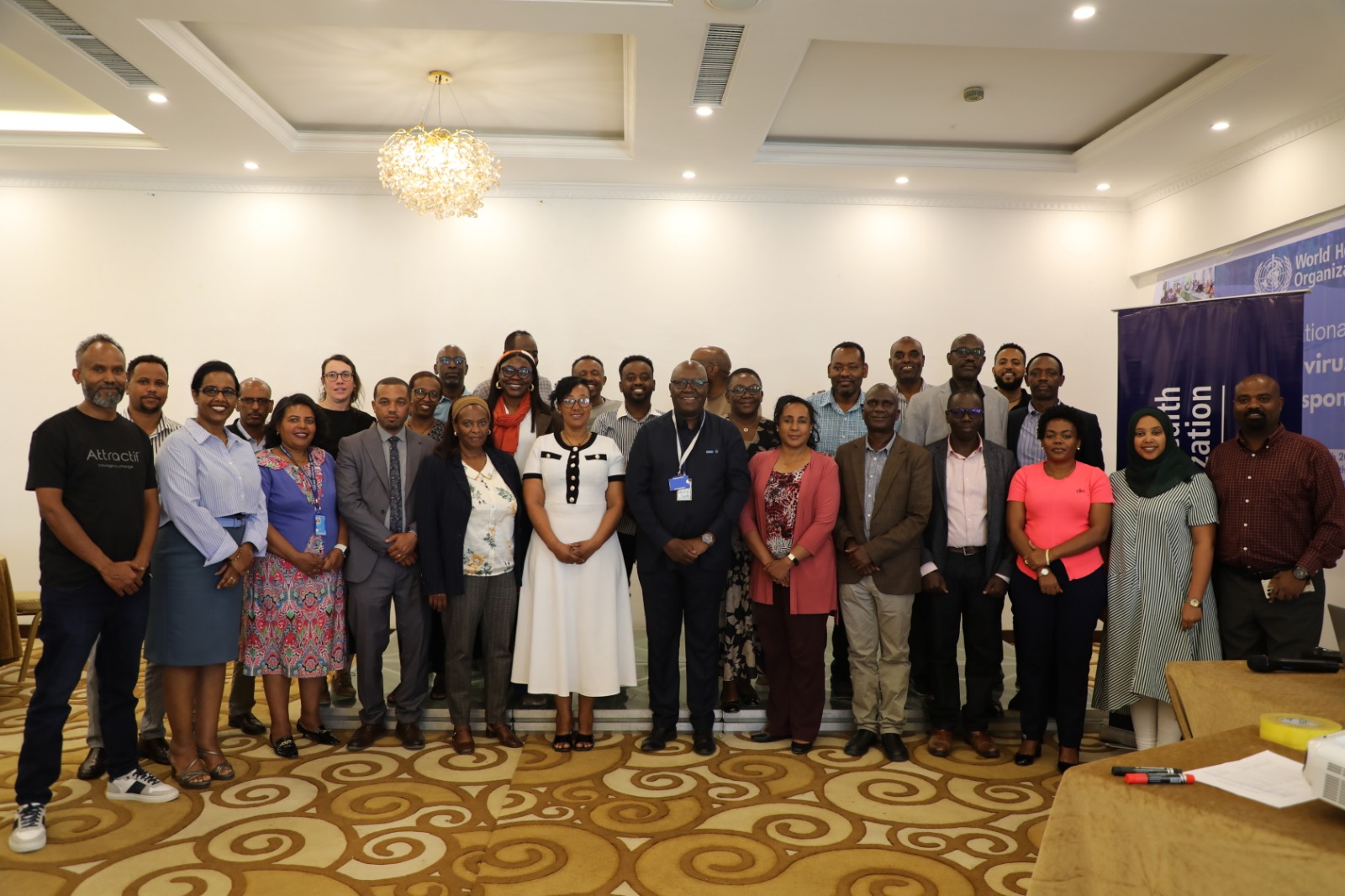
Addis Ababa, Ethiopia — March 2026 The World Health Organization (WHO) Ethiopia Country Office played a decisive role in the rapid containment of the Ethiopia ’s first-ever Marburg Virus Disease (MVD) outbreak, successfully interrupting transmission within a short period and enabling the official closure of the outbreak on 26 January 2026. The achievement marks a major milestone in Ethiopia’s public health response and demonstrates the effectiveness of coordinated, multi-level emergency operations.
Tanzania Accelerates Progress Toward Universal Health Coverage at 25th Annual Health Sector Technical Review Meeting
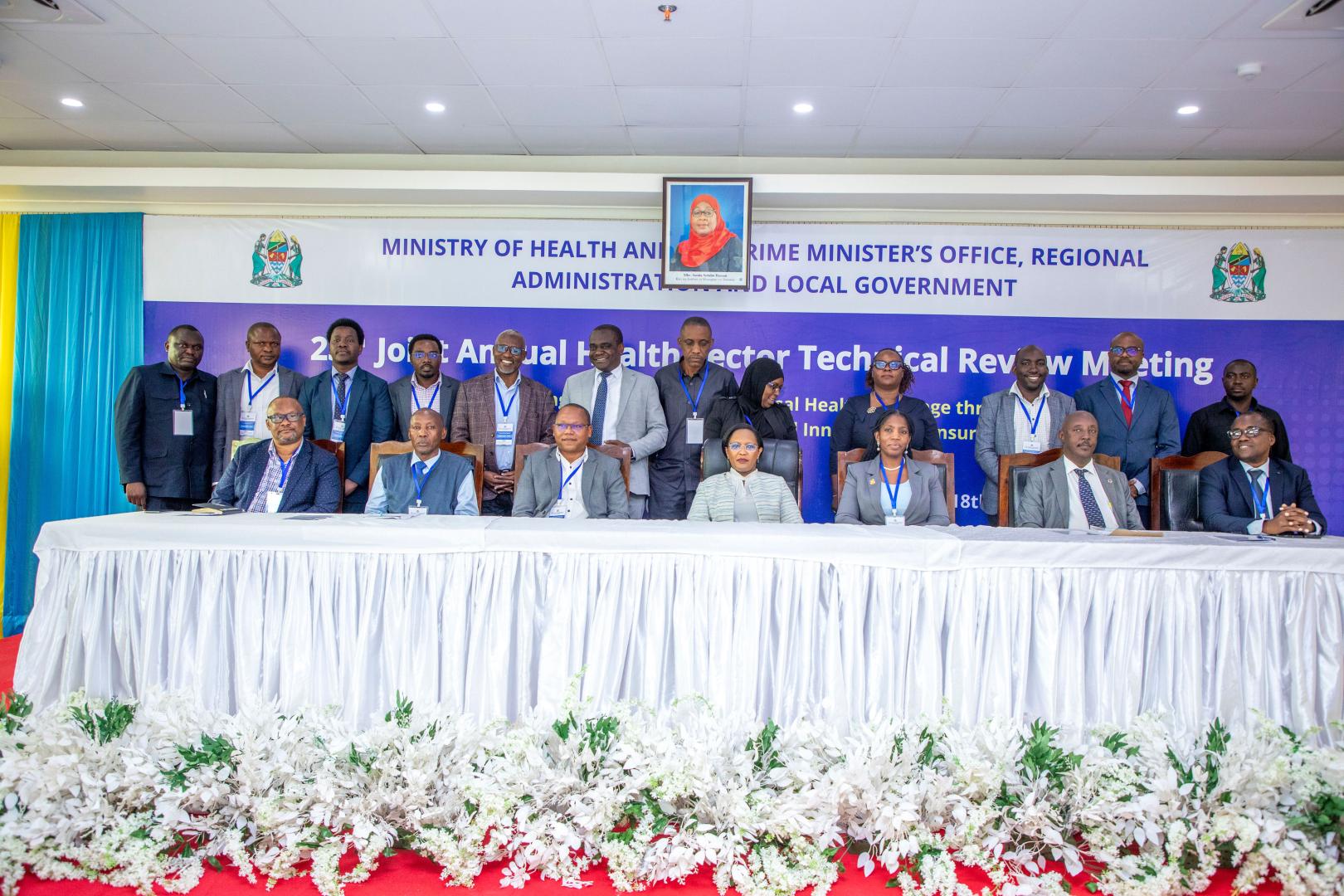
Dodoma — The 25th Joint Annual Health Sector Technical Review Meeting (JAHS‑TRM) took place from 17–18 March 2026 in Dodoma, bringing together Government leaders, development partners, non‑state actors and the private sector to review health sector performance for 2025 and set priorities for the 2026/27 financial year. The meeting was held under the theme “Accelerating achievement of Universal Health Coverage through Transformative Leadership, Accountability and Digital Innovation in Ensuring a Healthy Society.” It was chaired by Prof.
Strengthening Routine Immunization and Outbreak Response in Malawi, HPV and Mpox vaccination campaign review meeting
In 2025, Malawi undertook two major public health interventions to protect its population and strengthen health security. First, the Ministry of Health launched a nationwide HPV Multi-Age Cohort (MAC) campaign in October, targeting girls aged 9–18 years and transitioning to a one-dose schedule for 9-year-olds. This strategic move aimed to close coverage gaps and accelerate progress toward cervical cancer elimination.
Stopping Polio at the Border: Malawi and Mozambique Join Forces
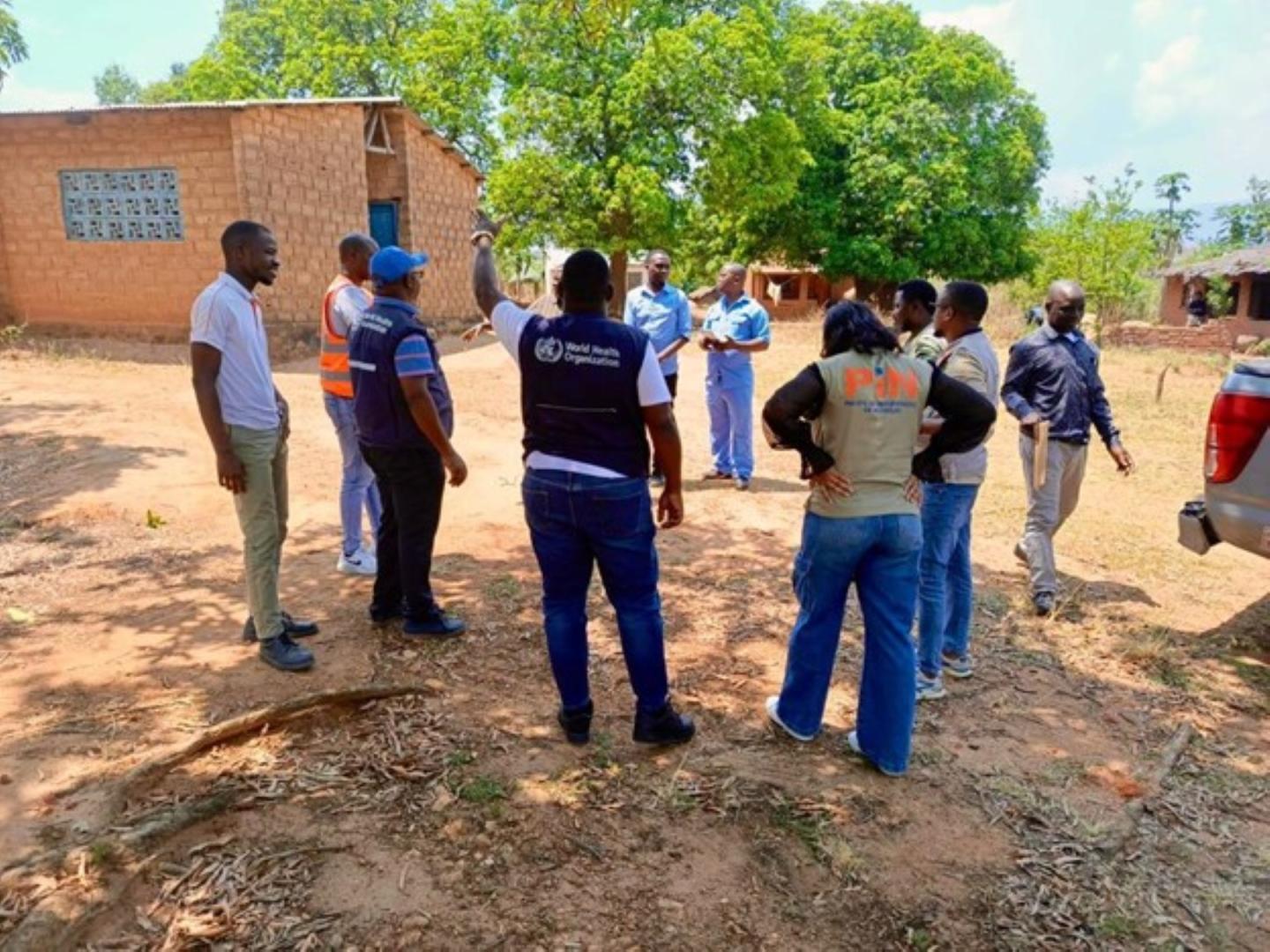
In October 2025, a suspected polio case triggered an urgent alert in Malawi’s Mwanza District. The patient was a 9-month-old girl who had been brought to Thambani Health Centre with symptoms of paralysis. What made this case unusual was that the child was not from Malawi, she lived just across the border in Moatize District, Mozambique. This discovery set in motion a remarkable example of cross-border cooperation to protect communities from polio.
Breaking Barriers: How Gender Equity is Transforming Immunization in Malawi
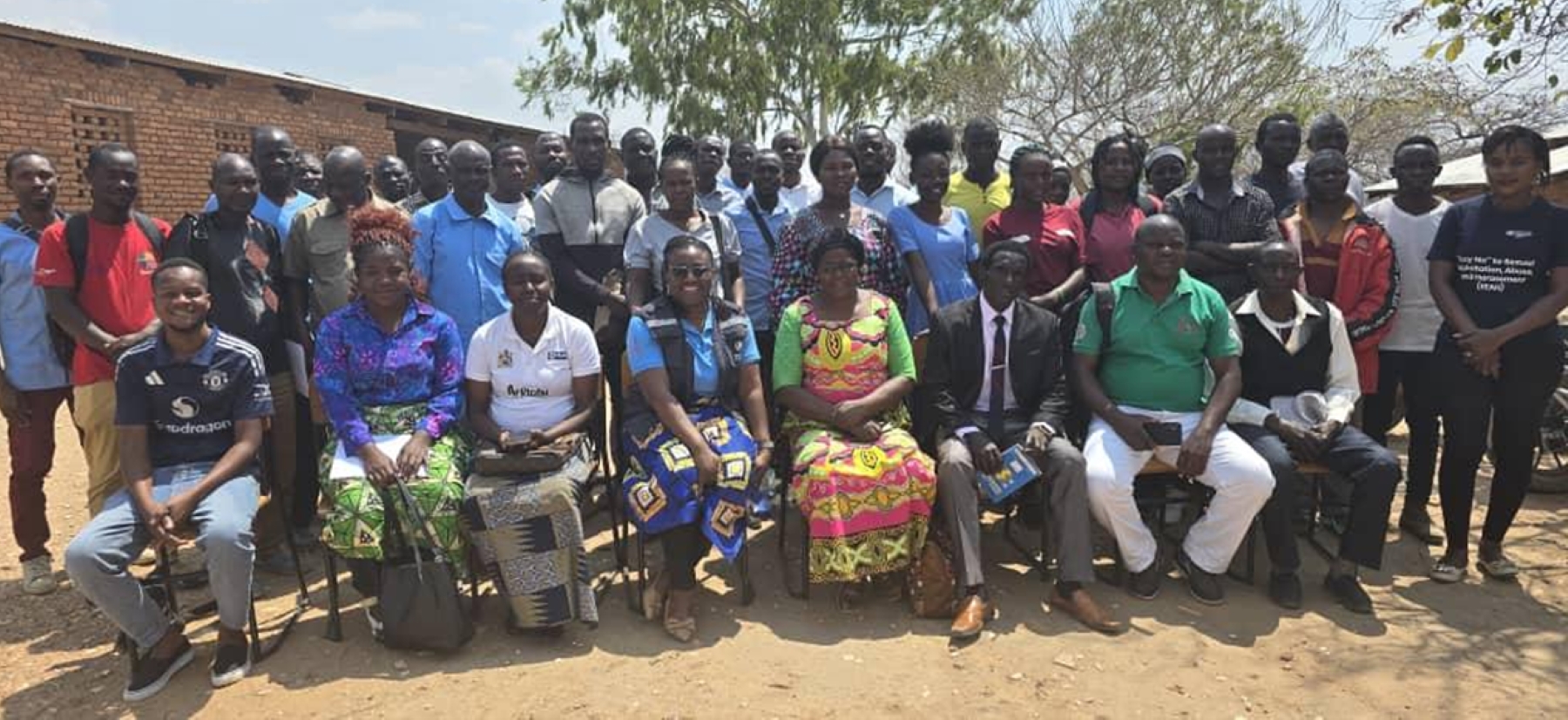
Just three years ago, Malawi faced a daunting challenge. A wave of emergencies including COVID-19, cholera, cyclones, floods, and even a wild polio virus outbreak that strained the health system. Immunization rates dropped, and thousands of children missed critical vaccines. Behind these numbers were real stories, of fathers that are unaware of the importance of vaccines, and of cultural norms that hindered women from seeking health care services.
Strengthening Malawi’s Measles & Rubella Surveillance—Kamuzu Central Hospital Laboratory Achieves Full WHO Accreditation (2025–2026)
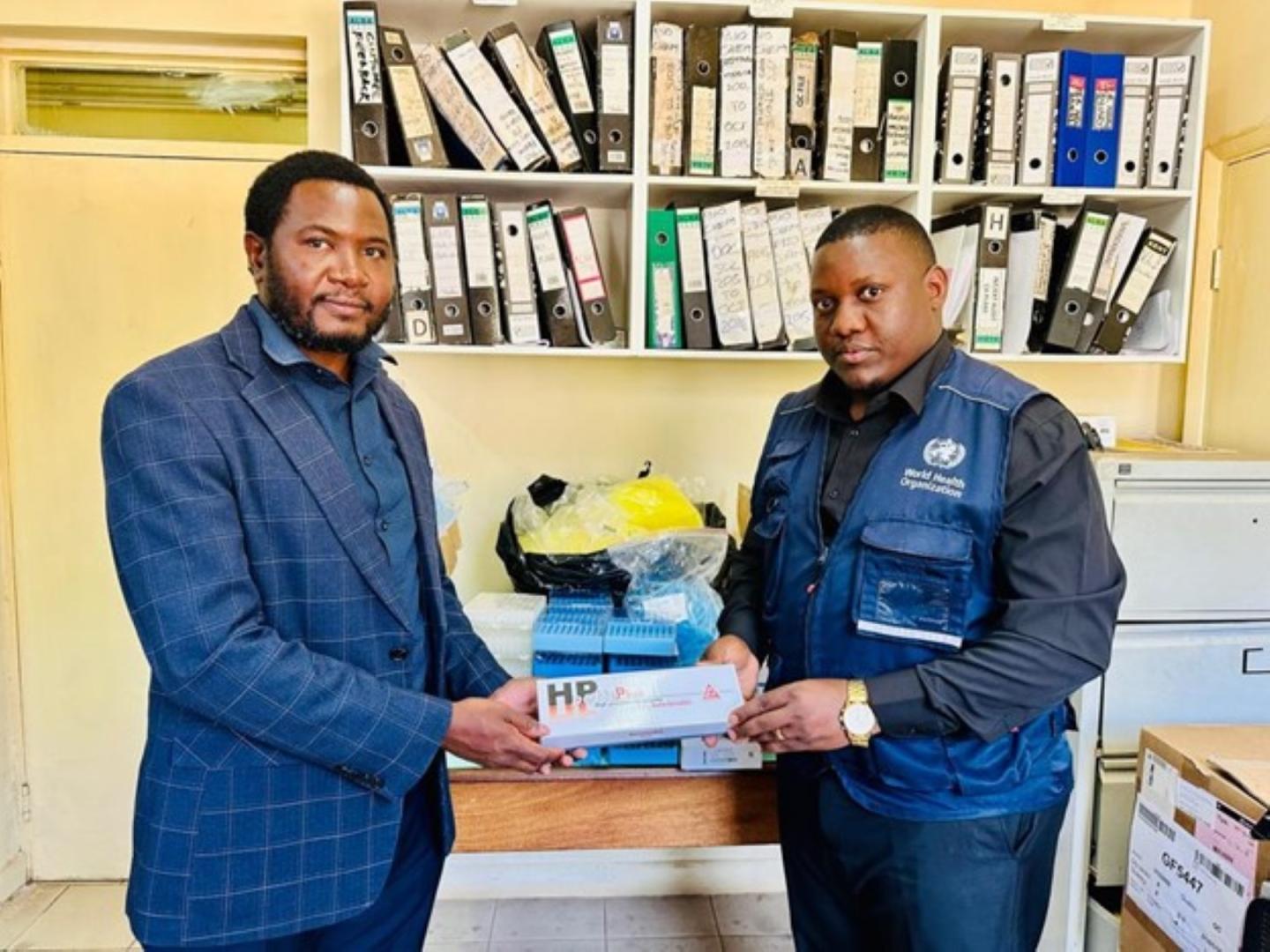
For years, Malawi’s Kamuzu Central Hospital (KCH) laboratory has served quietly but decisively as the national hub for confirming measles and rubella cases. Its work underpins the country’s immunization programme validating suspected outbreaks, guiding vaccination campaigns, and helping health teams distinguish local transmission from imported cases. Until recently, this essential laboratory operated under provisional WHO accreditation, reflecting both its commitment and the journey still ahead to meet every global standard.
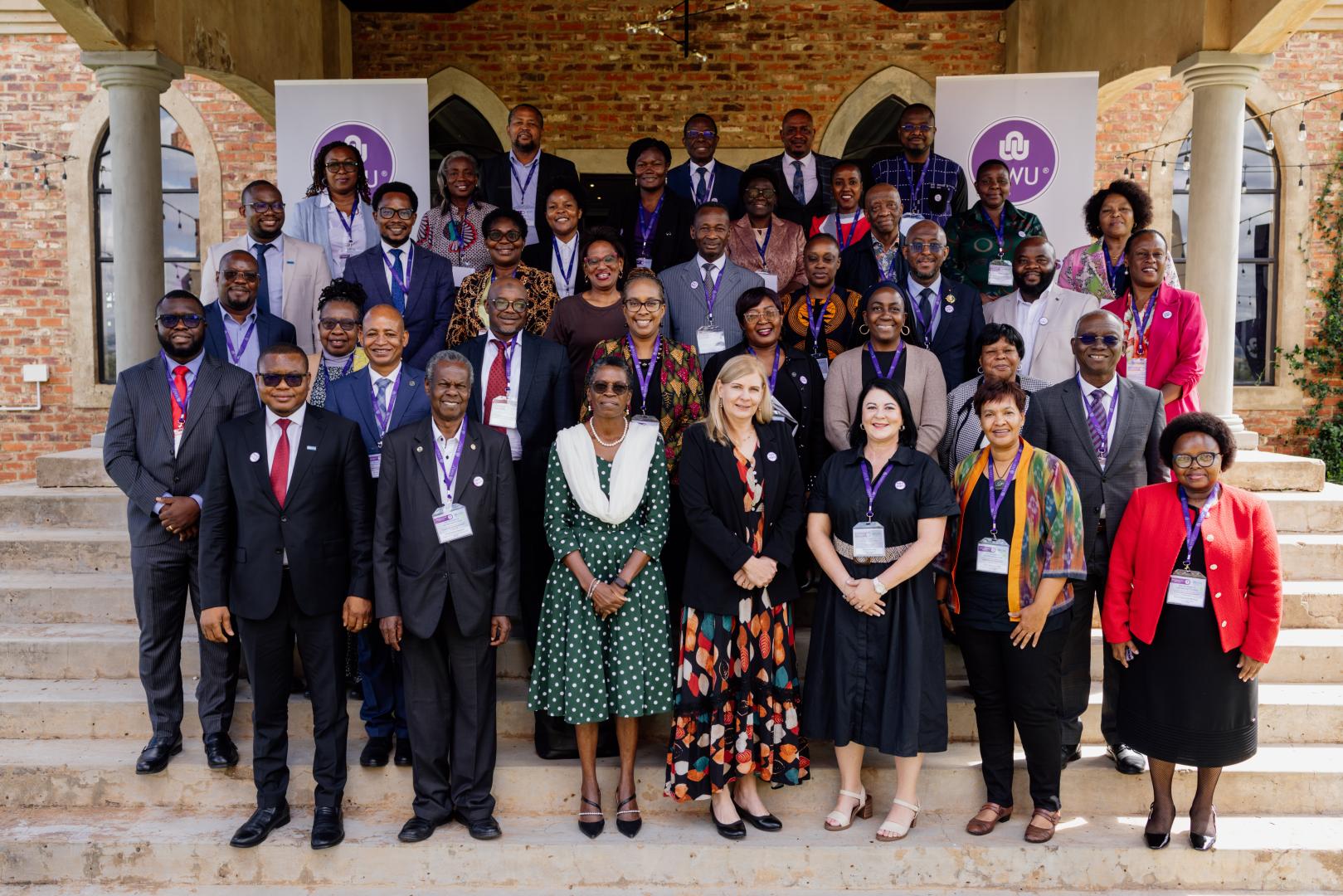
Health profession regulators agree on education quality standards in Africa