Eritrea Celebrated African Vaccination Week 2019
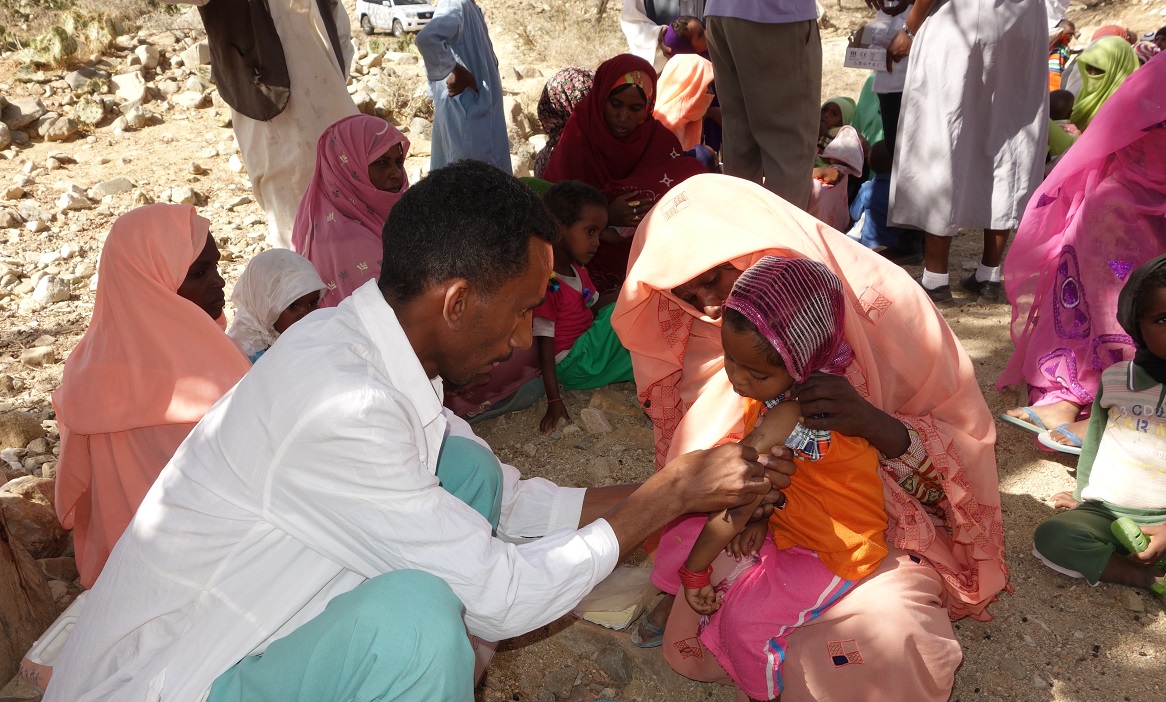
Asmara, Eritrea, 21 May 2019 — Eritrea joined the rest of the African region to commemorate the 9th annual African Vaccination Week (AVW) from 22 to 28 April 2019 under the theme ‘Protected Together: Vaccines Work!’
Over 850,000 Nigerians in 12 States at risk of poisoning from mercury use
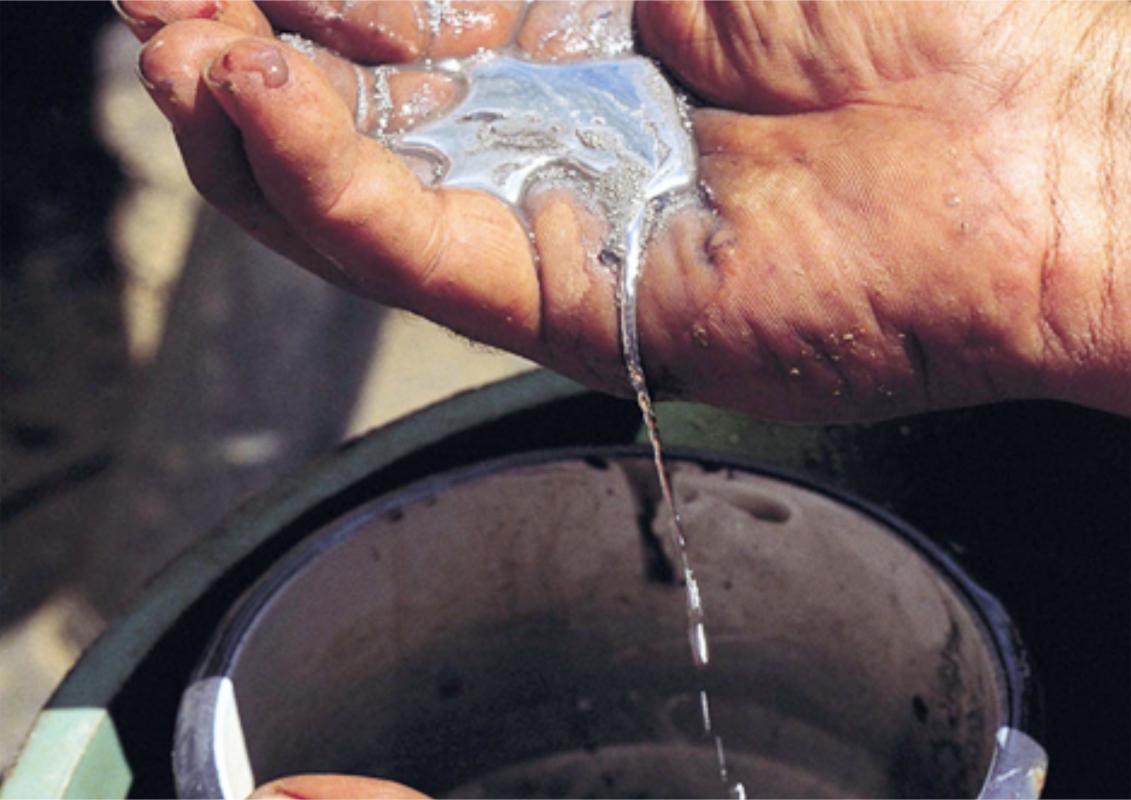
Abuja, 20 May 2019 – In Nigeria, not less than 850,690 people are at risk of mercury poisoning. In at least 12 Nigerian States, particularly Niger, Osun and Zamfara, artisanal and small-scale gold mining (ASGM) is one of their key source of income generation; however, ASGM is also the main source of the largest release of mercury emissions around the world.
The others are Kebbi, Katsina, Kaduna, Kwara, Borno, Kaduna, Jigawa, and Yobe States and Federal Capital Territory.
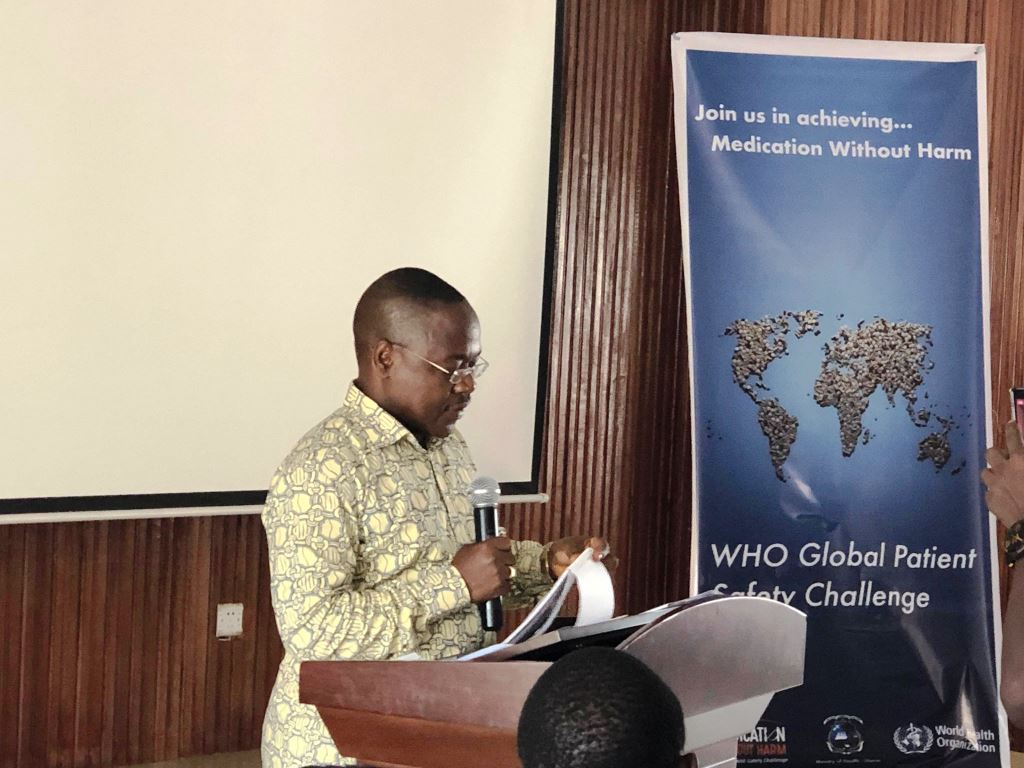
HIV initiative ’prevention of mother-to-child transmission’ saves exposed infants in Nigeria
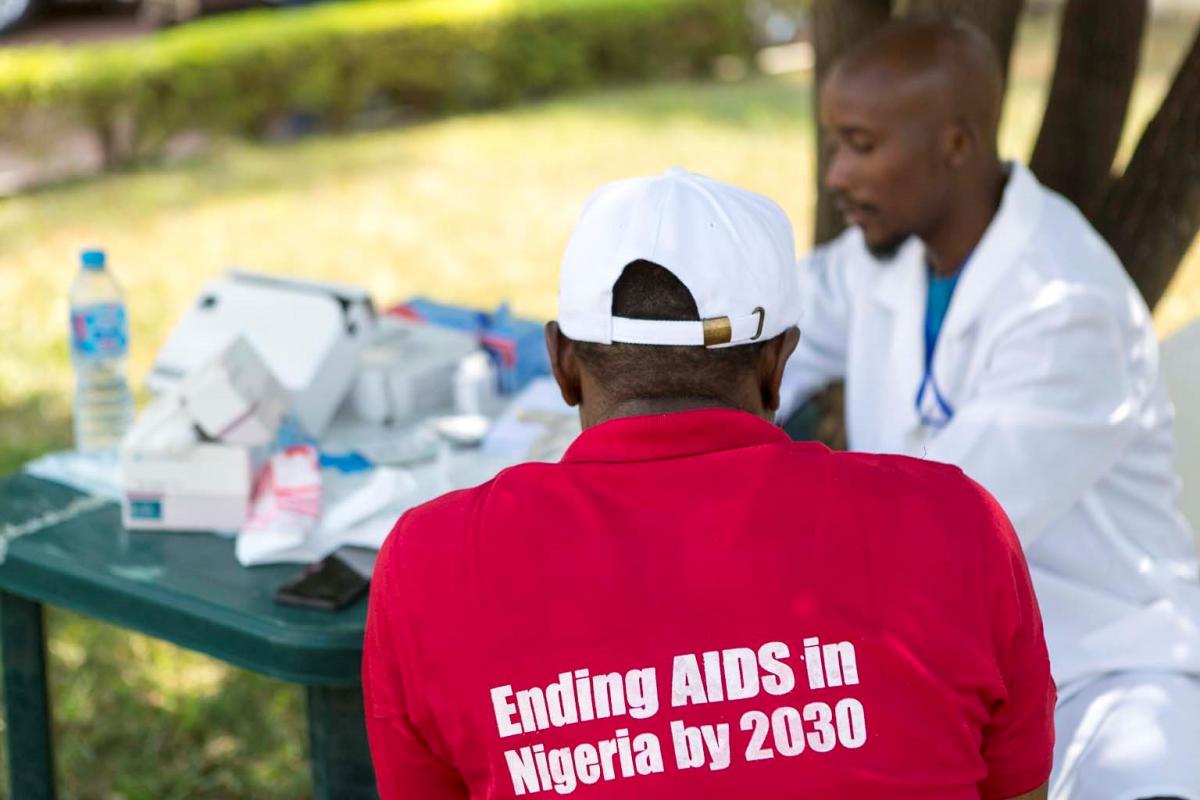
Abuja, 20 May 2019 – “I first discovered I was HIV positive in 1998 when I was pregnant and attended my first antenatal check-up,” says Mrs Lucia Enyia who has lived positively with Human Immunodeficiency Virus (HIV) for 22 years. Adhering strictly to her antiretroviral drug routine and principles of the Prevention of Mother-To-Child HIV transmission (PMTCT) intervention, Mrs Enyia’s three children are all HIV negative.
More than 500 000 doses of cholera vaccine available for Cabo Delgado
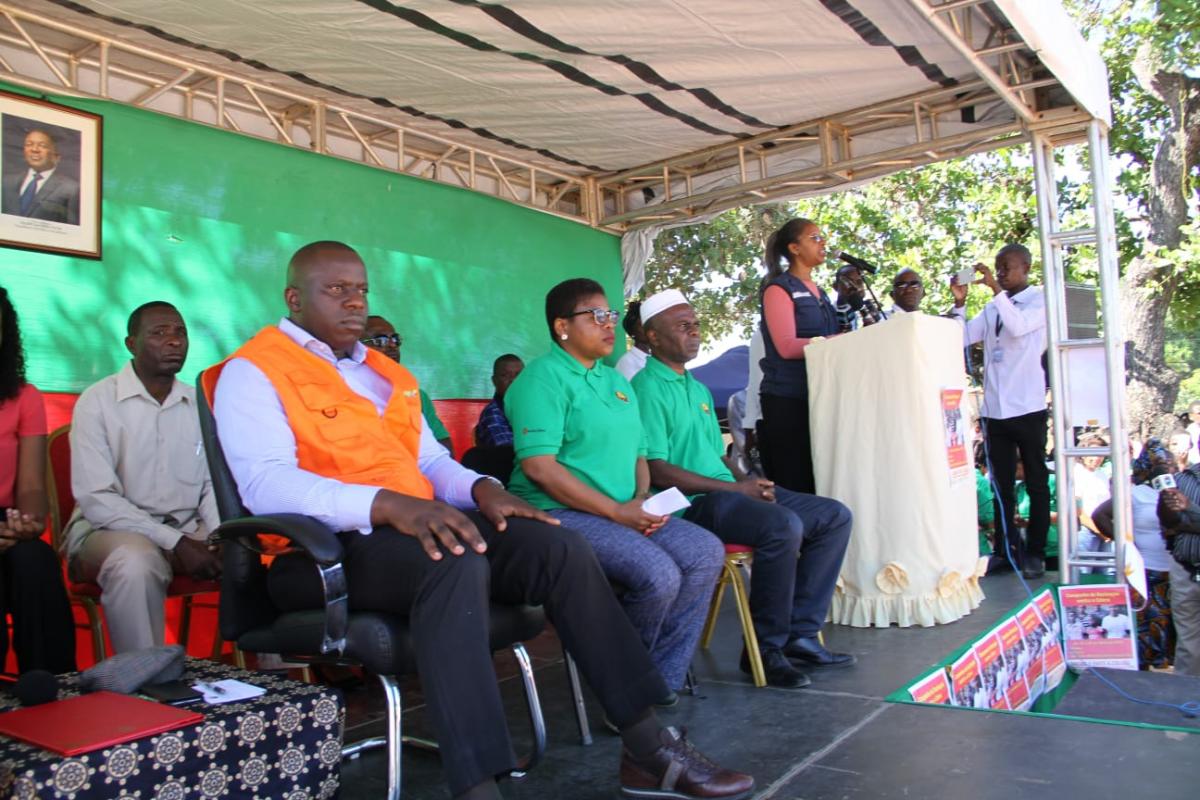
Pemba, Mozambique. 16 May 2019 – A five day emergency cholera vaccination campaign which was launched today by the Ministry of Health in Mozambique with support from the World Health Organization (WHO) and other health partners, will see over 285 000 people receiving oral cholera vaccine.
The campaign began today in the Eduardo Mondlhane Cholera Treatment Center (CTC) and it will cover the areas most affected by Cyclone Kenneth - the districts of Pemba and Mecufi and the localities of Metuge-Sede and Nacuta.
WHO undertakes functional review of its Country Office in Sierra Leone to align its strategic direction to country health priorities

A functional review of the WHO Sierra Leone Country Office is underway in Freetown led by a team from the Regional Office for Africa. The review aims to better align the workforce, strategic health direction, structure and operations of the Country Office to the health sector needs and priorities of the host country.
Advocating for maternal mortality reduction support from Rotary International Club to assist the MoHW
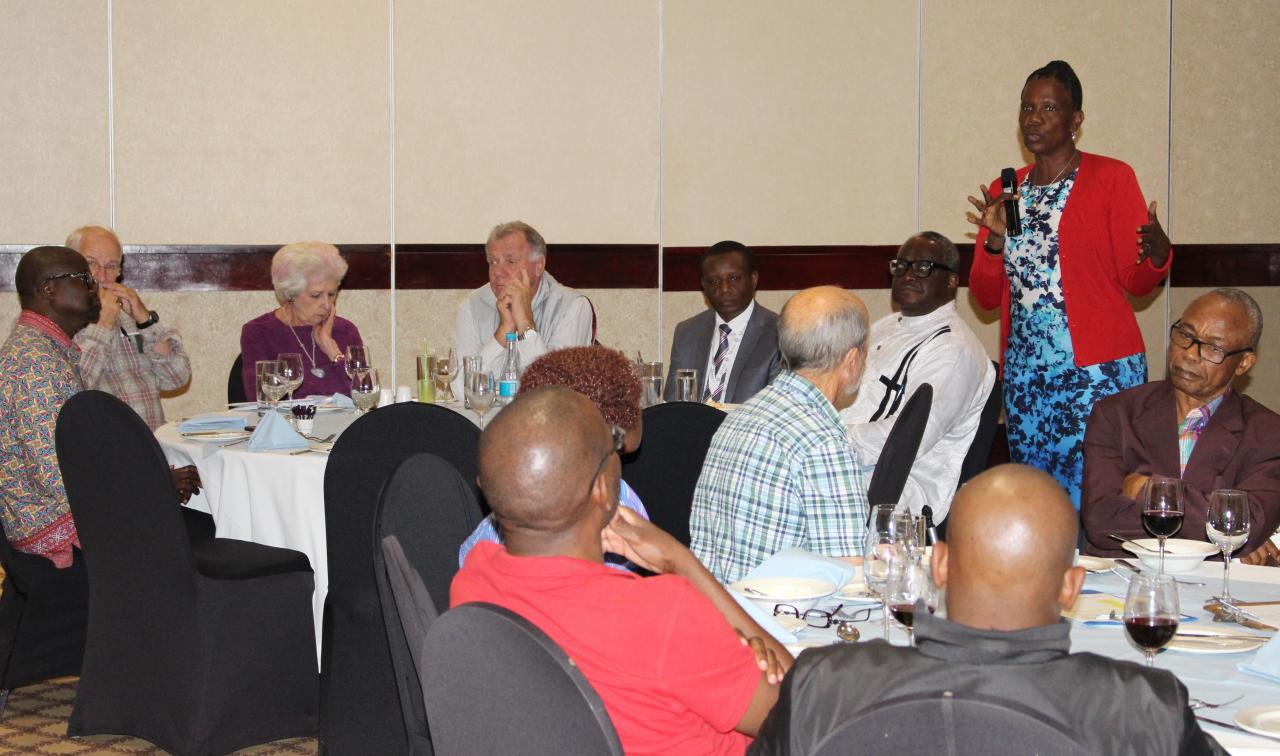
Gaborone, Botswana – 17 May 2019: As maternal mortality is high in Botswana and a cause for concern for WHO and partners, WHO is on a drive to bring on board as many partners as possible to assist the Ministry of Health and Wellness (MoHW) in their quest to reduce maternal mortality and ensure that Botswana reaches the SDG 3 goal of reduction of maternal deaths to 70 deaths per 100,000 live births by 2030.
2 months after Idai: Women making a big difference
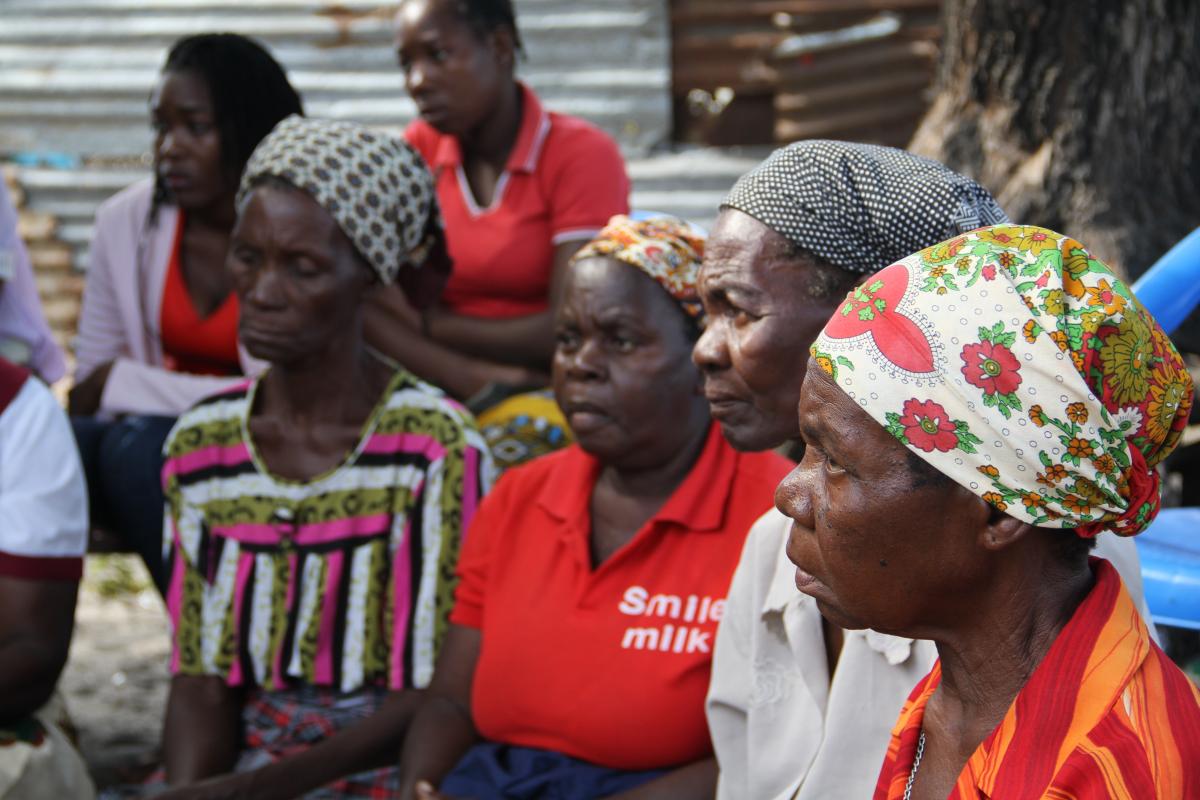
Beira, Mozambique, May 13 – In the aftermath of Cyclone Idai which devastated large areas of Mozambique, a group of 15 dedicated women – mostly widows – have been credited with ensuring that sthere have been no cases of cholera in their district.
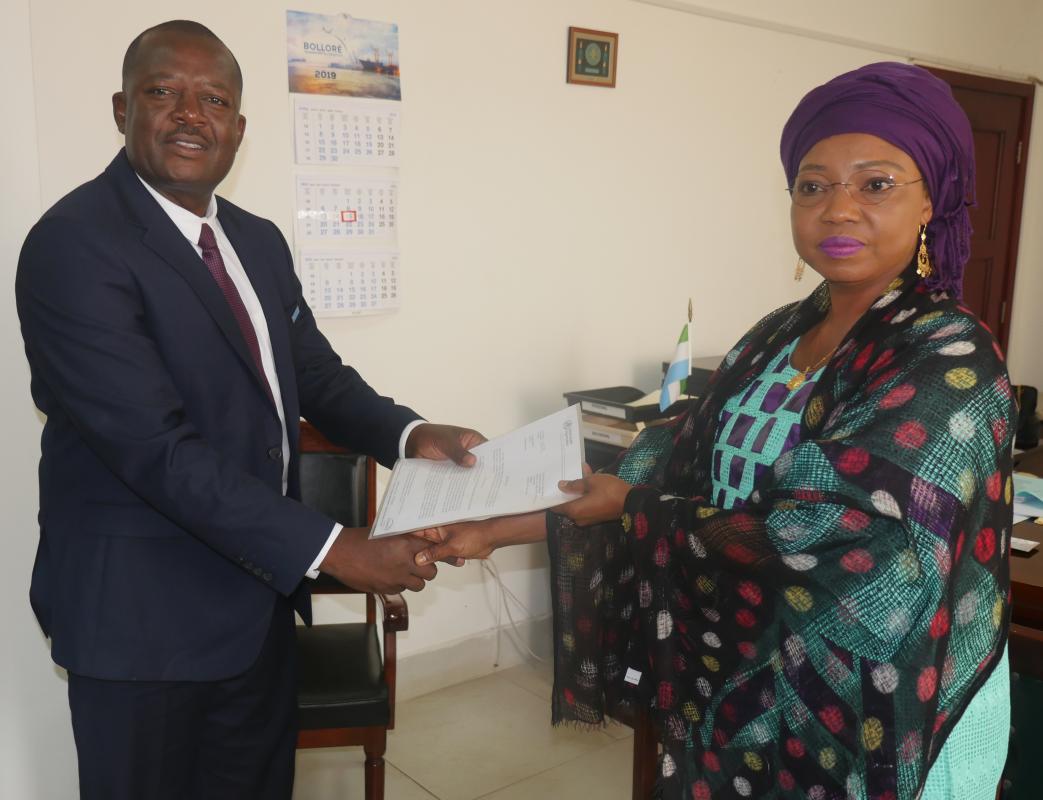
World Health Organization in Sierra Leone gets new Country Representative
Africa advances on goal of cervical cancer elimination across the continent
