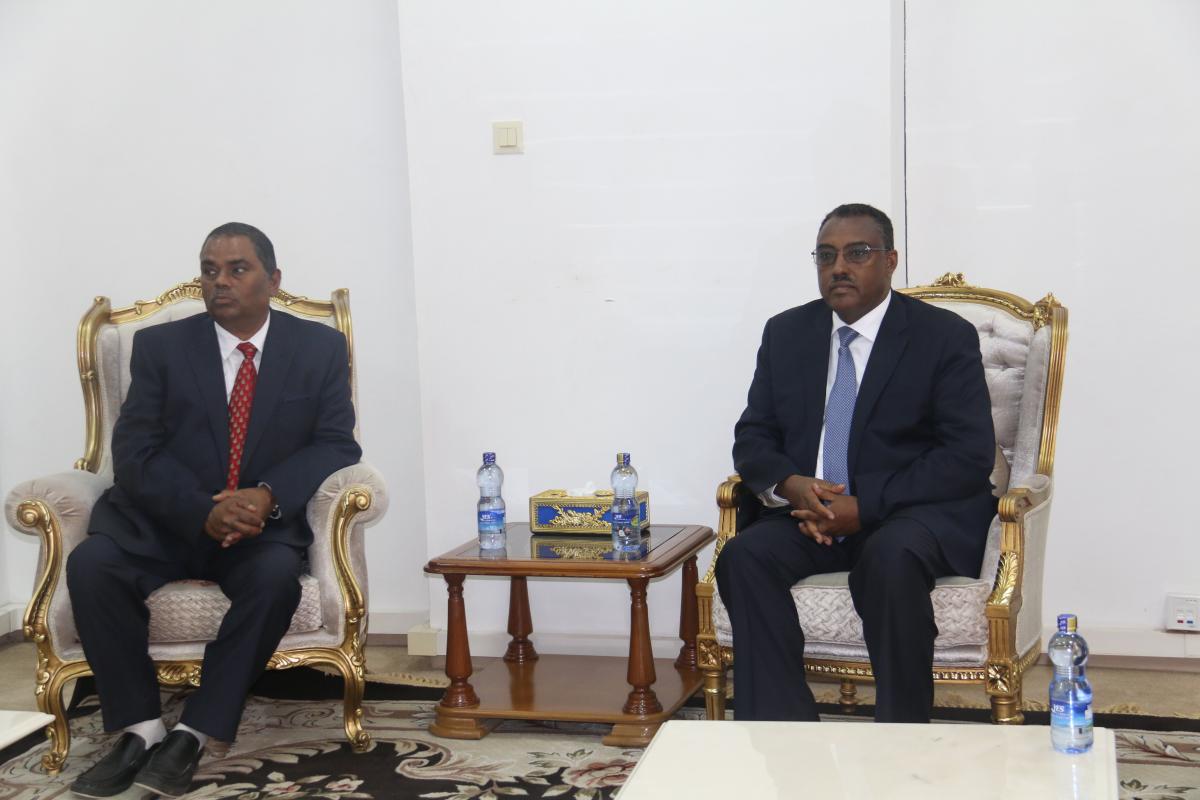
Nepal’s high level delegation from Ministry of Health and parliament paid a visit to Ethiopia
WHO Africa mourns the loss of a colleague killed in a hospital attack in the Democratic Republic of the Congo

High level advocacy meeting on institutionalizing MPDSR in Eritrea
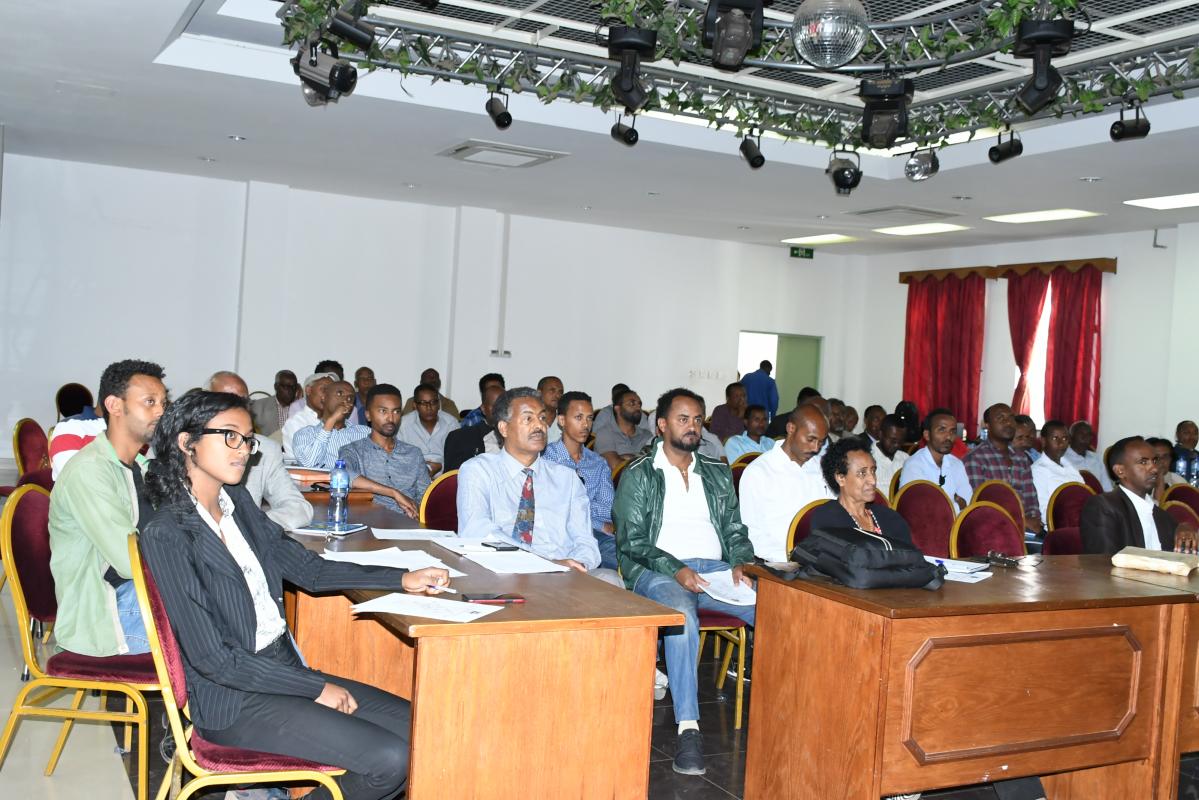
High level advocacy meeting on maternal perinatal death surveillance and response (MPDSR) institutionalizing in Eritrea has been held from 1 to 3 April 2019 at Orotta Conference Hall.
The New US Ambassador to Botswana visits the WHO Country Office
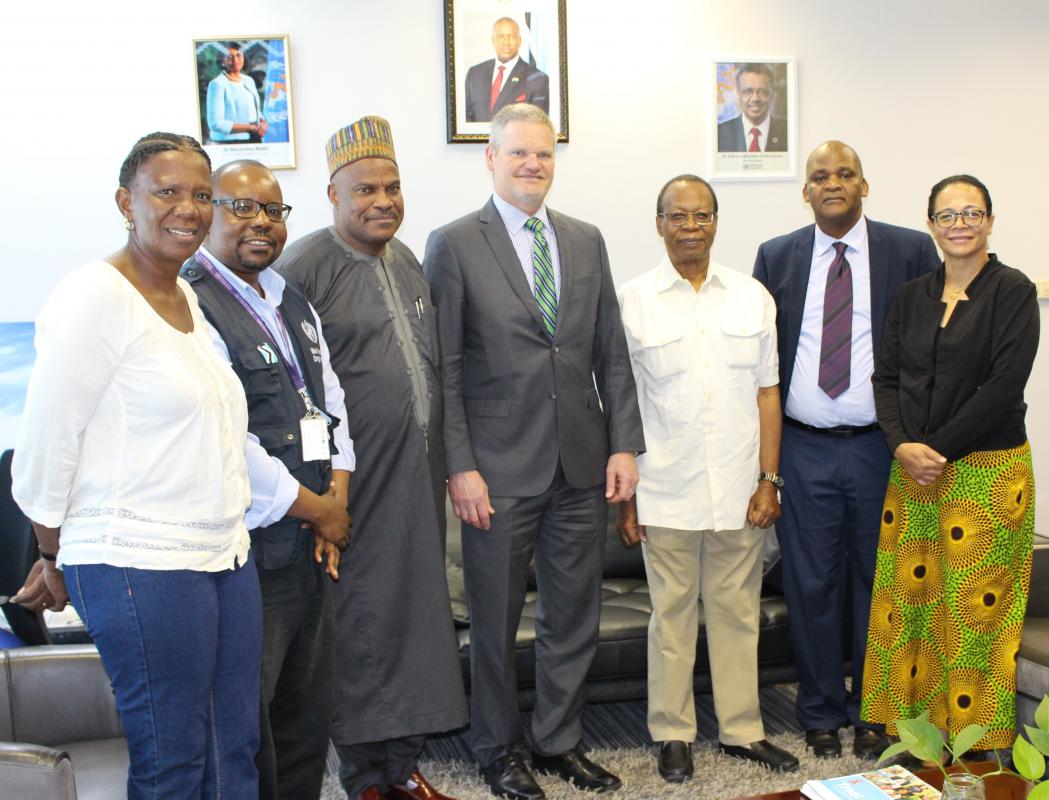
Gaborone, Botswana - 18 April 2019: The new Ambassador of the United States to Botswana His Excellency Craig Cloud visited the WHO Country Office to familiarize himself with WHO work and jointly explore possibilities for cooperation in supporting the government efforts on health. Ambassador Cloud expressed admiration for Botswana’s achievements and strong leadership in coordinating partner support.
Development Partners Sign Gambia's National Health Compact
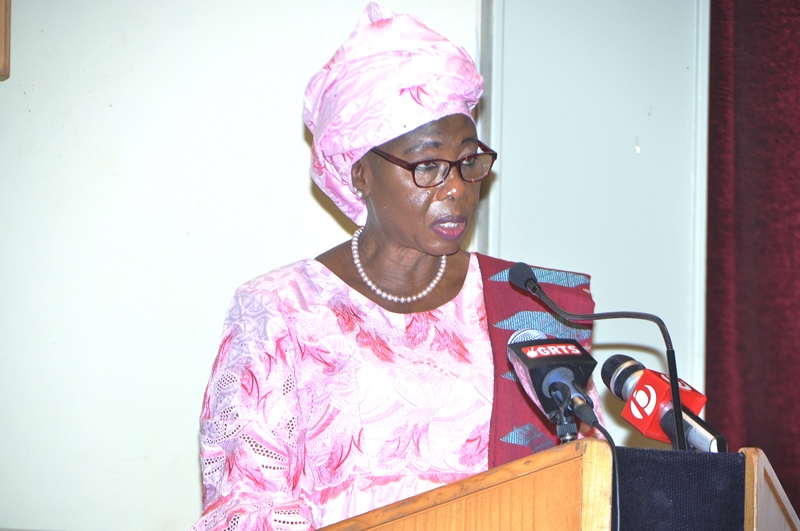
BANJUL, 19 APRIL 2019: H.E. Dr. Isatou Touray, The Vice President of The Republic of The Gambia, officially presided over the signing-in ceremony of the Gambia’s Health Compact. Attended by government ministries, the United Nations System, diplomatic missions, civil society, and the private sector, this event is one of the Vice President’s important unfinished agenda during her tenure in office as health minister, which ended barely three months ago.
Antimicrobial Resistance: Eritrea conducts a Consensus Building Workshop on a Five Year National Action Plan

WHO jointly with MOH and line ministries held a consensus building workshop on the national Action Plan on Antimicrobial Resistance on February 2019 at the National Confederation of Eritrean workers.
Zambia commits to strengthening Primary Health Care as a vehicle for advancing Universal Health Coverage.
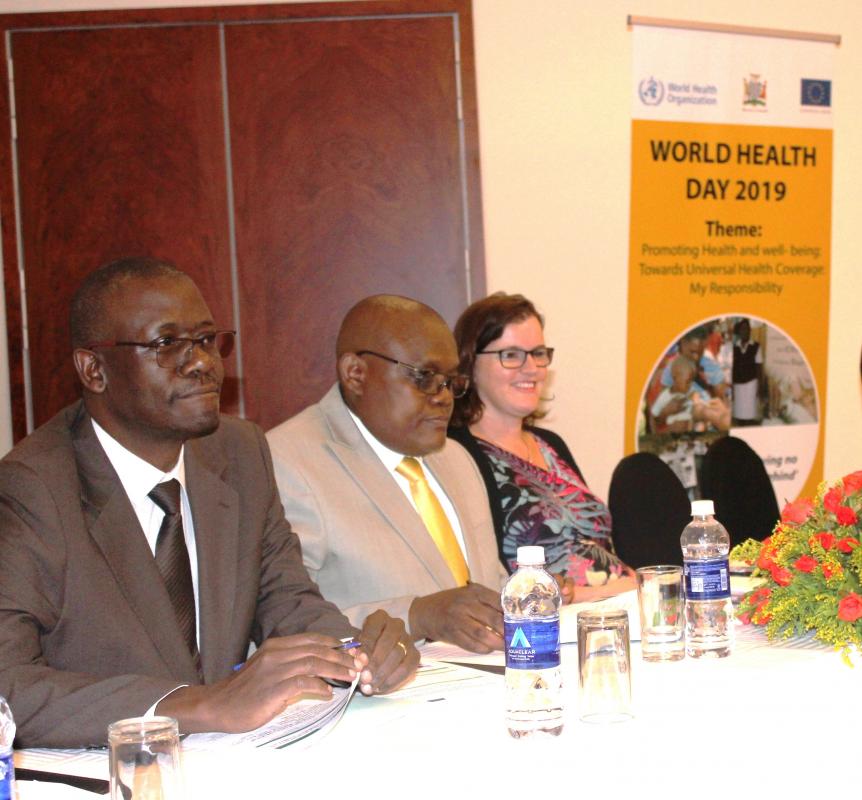
On 9 April 2019 Zambia commemorated the World Health Day under the global theme of Universal Health Coverage. The commemoration had a particular focus on Primary Health Care as a means for advancing progress on achieving the 2030 SDG target on Universal Health Coverage under Goal number 3 on health. The commemoration was held under the local theme: “Universal Health Coverage, my responsibility”.
Courtesy visit of the UNCT Retreat members to the President of Seychelles

L’appui de l’OMS à la mise en place des équipes d’intervention rapide pour la vaccination de riposte contre Ebola (EIRaV)

Dans le cadre de la préparation et la réponse à d’éventuelle épidémie d’Ebola en Guinée, l’Agence nationale de Sécurité sanitaire du Ministère de la Santé a entrepris la formation et la mise en place des équipes d’intervention rapide pour la vaccination contre Ebola (EIRaV).
Cervical Cancer Prevention and Control Program Implementation in Eritrea

Cervical cancer occurs when the cells of the cervix grow abnormally and invade other tissues and organs of the body. When it is invasive, this cancer affects the deeper tissues of the cervix and may have spread to other parts of the body. Cervical cancer is caused through acquisition of HPV virus (Human Papillomavirus) when a woman is sexually active and the virus has been acquired. Some women then develop pre cancer lesions but in about 66% to 70% of these women, the body normally clears it away.