Mauritius participating in 5th African Health Economics and Scientific conference in Ghana from 11th to 14th March 2019

Mauritius Delegates at the afHEA Conference in Ghana, March 2019: Dr A. Samura, WHO Technical Officer, Dr L. Musango, WHO Representative, Dr (Mrs) Timol, Director Health Services, Ministry of Health and Quality of Life, Mr A. Nundoochan, WHO-NPO (Operations), Mr Y. Ramful, Lead Health Analyst, Ministry of Health and Quality of Life and Dr F. Shaikh, WHO Technical Officer
More than 400 economists, financing and policy experts from more than 40 countries of the African region and other continents are participating in the 5th biennial international conference of African Health Economics and Policy Association (AfHEA) that is being held from 11th to 14th March at Kempinski Gold Coast in Ghana in collaboration with Ministry of Health, Ghana, Ghana Health Services, University of Ghana and Centre for health policy and systems research GIMPA. World Health Organization is also one of the partners supporting this conference. The theme for this year conference is ‘Securing PHC for all: The foundation for making progress on Universal Health Coverage (UHC) in Africa’. The conference will deliberate on strategies towards attainment of UHC in the continent, and seek to suggest Primary Healthcare (PHC) as the most important first step towards reaching this goal within various African countries.

Ethiopia is making significant progress in the implementation of International Health Regulation (IHR) core capacities: The country plans to launch the National Action Plan costed at over 368 million USD
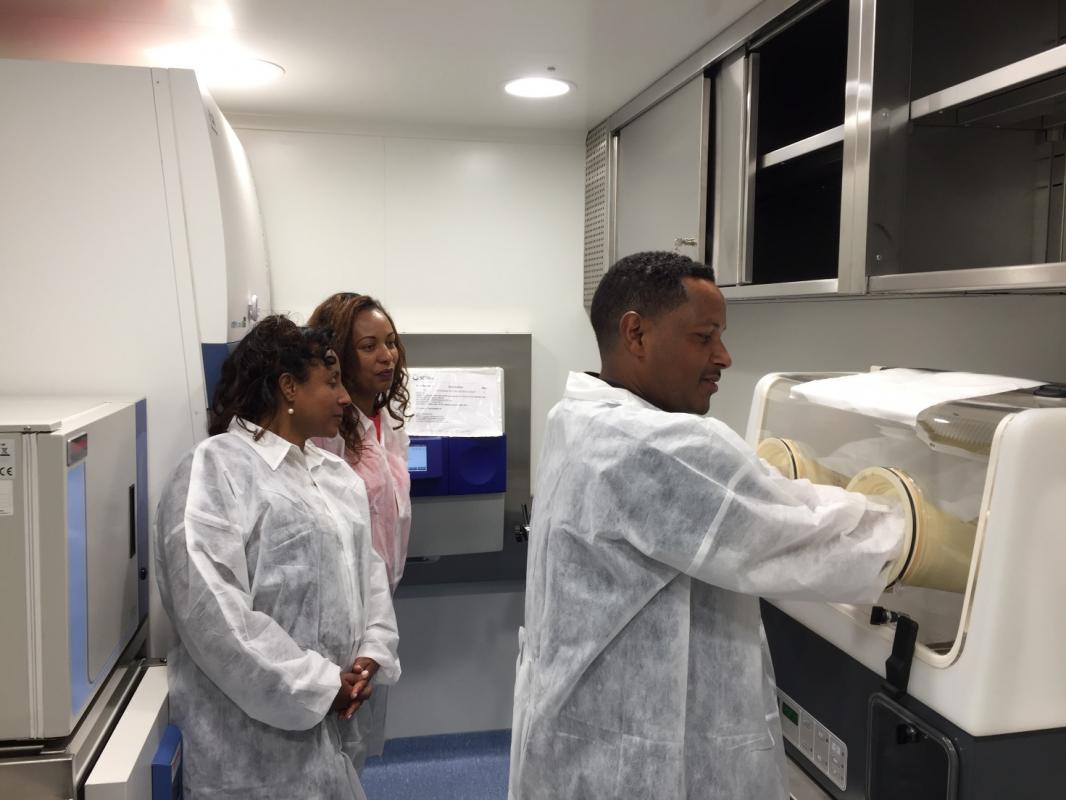
Ethiopia labratory
Addis Ababa 13 March 2019: The National Action Plan for Health Security (NAPHS) is a country owned, multi-year planning process that will accelerate the implementation of International Health Regulation (IHR) core capacities, and is based on a One Health for all-hazards, whole-government approach. The NAPHS captures the national priorities for health security, brings sectors together, identifies partners and allocates resources for health security capacity development.

Nigerian women are penetrating enclaves to reach children and vulnerable populations.
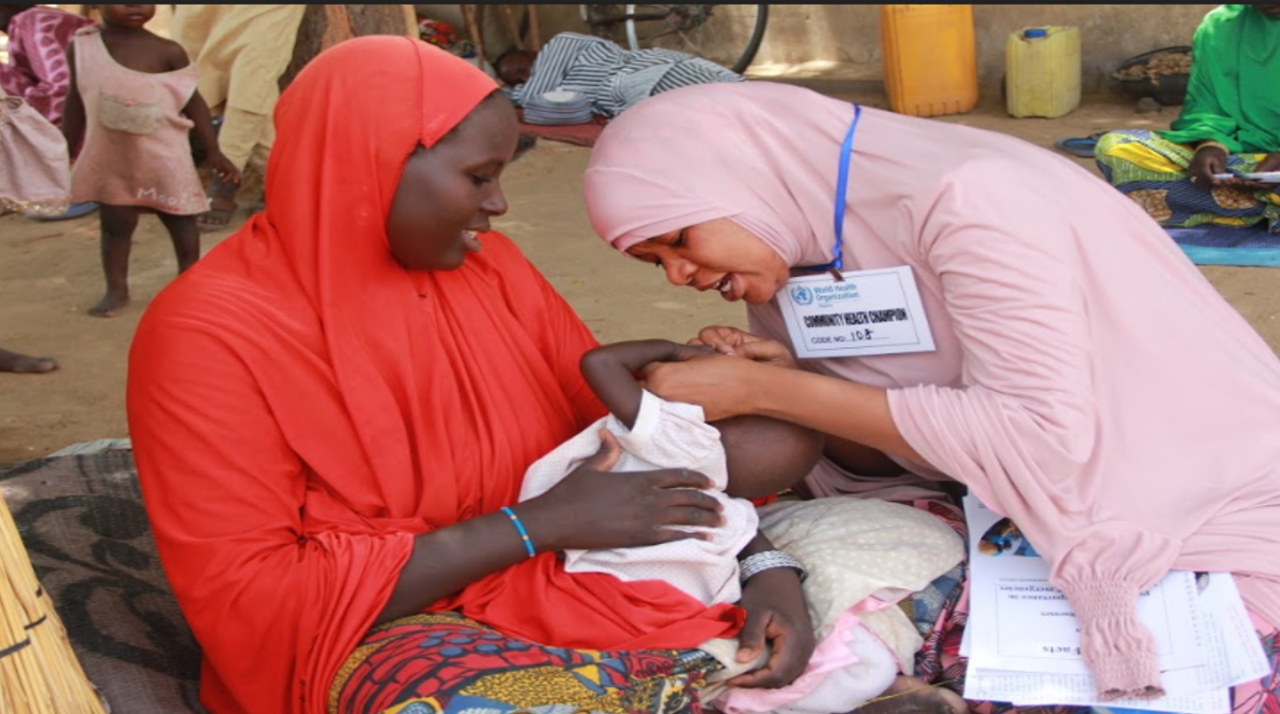
Women leading House to house interventions

Abuja, 13 March 2019 - “In Northern Nigeria where I work as a nurse and polio vaccinator, only women are allowed to enter houses because most women in this part of the country are in purdah (practice of seclusion)”, says Ramatu Garba of Dala Local Government in Kano State.
Not only that, many times, mothers require the permission of their spouses to take ailing children to hospitals.

Fewer maternal deaths and stillbirths in Ethiopia: improving quality of care is paying off

mother infant
Addis Ababa, 12th March 2019. Ethiopia’s National Health Care Quality Strategy for 2016-2020 placed Maternal, Newborn and Child Health as a priority with the ambitious goals to reduce the maternal mortality ratio (MMR) from 412 to 199 per 100,000 live births by 2020; to reduce the neonatal mortality rate (NMR) from 28 to 10 per 1,000 live births by 2020 and reduce stillbirth rate from 18 to 10 per 1000 births by 2020.

Government of Mauritius and UN Strategic Partnership Framework (2019-2023): A Partnership for Sustainable Development

Key partners participating in the validation of the Government of Mauritius and UN Strategic Partnership Framework (2019-2023) on 07 March 2019 in Port Louis
For the first time in the country, the Government of Mauritius and UN have join hands together in view of building partnership for sustainable development through the elaboration of the Strategic Partnership Framework (SPF), a five year plan that will be implemented as from 2019.  The SPF was validated by wide range of key partners during a workshop held in Port Louis on 7th March 2019.   An overview of the SPF and its implementation plan was presented by the Government of Mauritius and UN team in the presence of the relevant stakeholders from the Government of Mauritius, key Ministries, Civil Society, Academia, Private Sector, Bilateral and Multilateral agencies. High level Official from the Prime Minister’s Office during his welcome address emphasized on the relevance of the joint collaboration of the Government of Mauritius and the UN for sustainable development as well as its contribution towards the National Vision 2030.  The UN Resident Coordinator Mrs Christine Umutoni during her opening remark highlighted the high level commitment of both the Government of Mauritius and UN in working together to achieve the Sustainable Development Goals.  The latter stated that such kind of partnership helps agencies to collaborate jointly to support the Government of Mauritius through a multisectoral approach.

Botswana sustains the gains towards achieving Malaria elimination
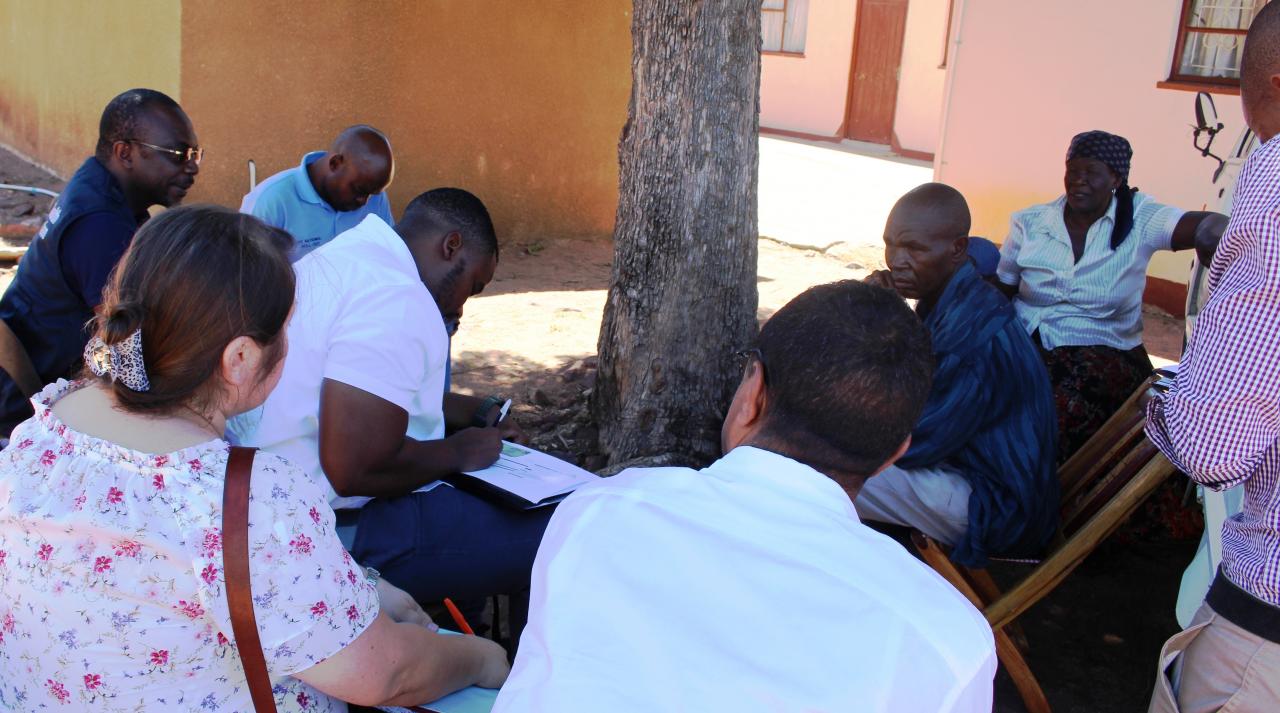
Participants interviewing a community member who once suffered from malaria

Gaborone, Botswana - 1 March 2019: : The Ministry of Health and Wellness (MoHW) in Botswana and the World Health Organization (WHO) convened partners and stakeholders, from 25th February to 1st March 2019, to conduct a national training on malaria elimination. 

The training was facilitated by a WHO technical team from HQ/Global Malaria Programme in HQ, WHO/AFRO, IST/ESA, Ethiopia Country Office and WCO. Financial support from MONACO enabled WHO to successfully provide technical support towards this malaria elimination training