Be There For Someone Else, Give Blood, Share Life
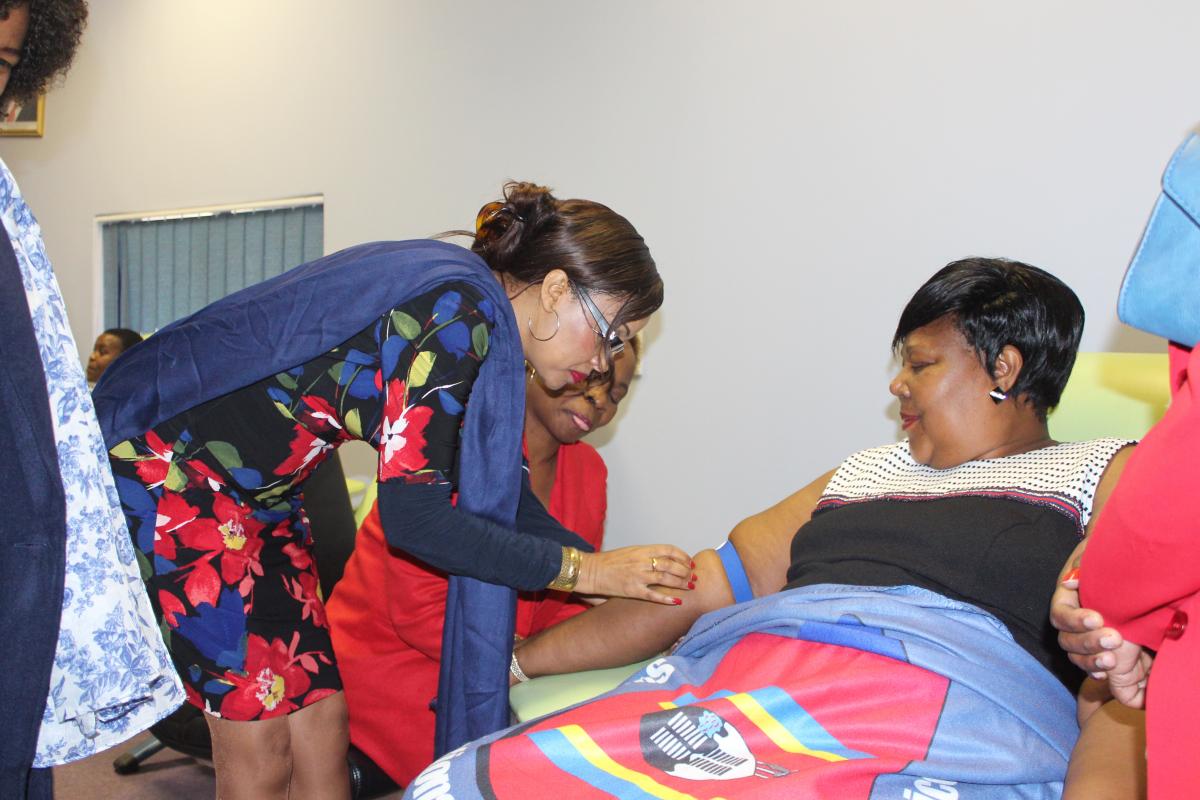
“I live because of other people’s blood.” This is a story of a 28 year old woman of Eswatini who was diagnosed with severe anemia back in 2011.
Timely intervention saves beautiful Asawka’s life
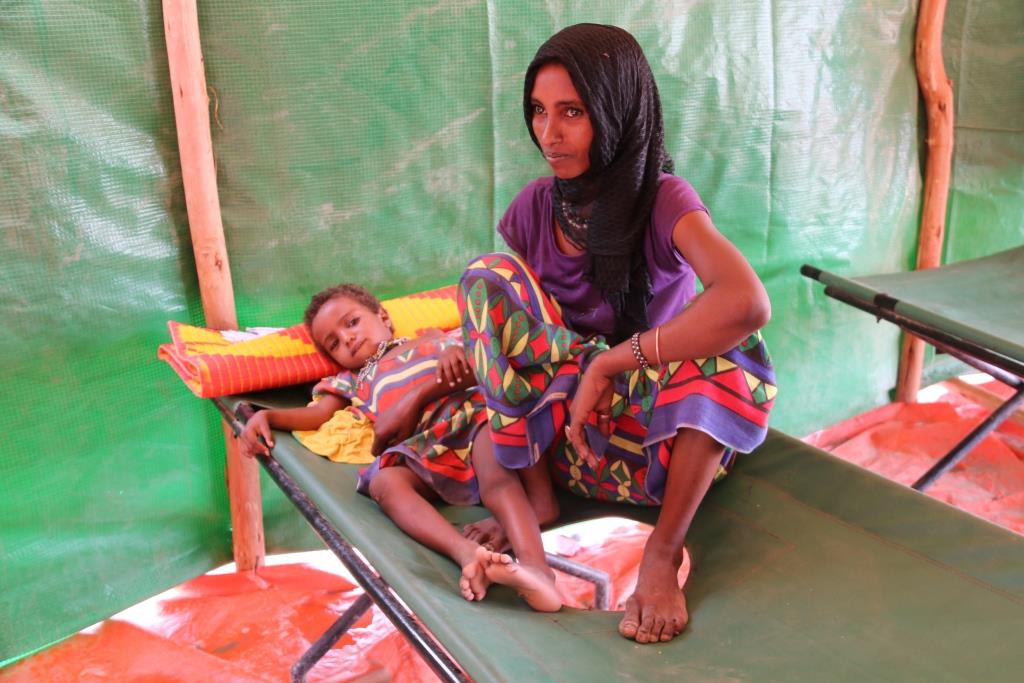
When five year old Asawka Ahmed started showing signs of acute watery diarrhea (AWD) and vomiting, her mother, Nuri Bullo, was terrified – and rightfully so. The child’s cousin had died of a similar illness just days earlier. She quickly mixed a sachet of oral rehydration solution (ORS) with one litre of water treated with a chlorine tablet just as the health education teams had shown her during a community visit. Nuri kept urging her daughter to drink the solution, almost forcing it down her throat in her panic.
Eswatini health workers trained on Adverse Events Following Immunization surveillance
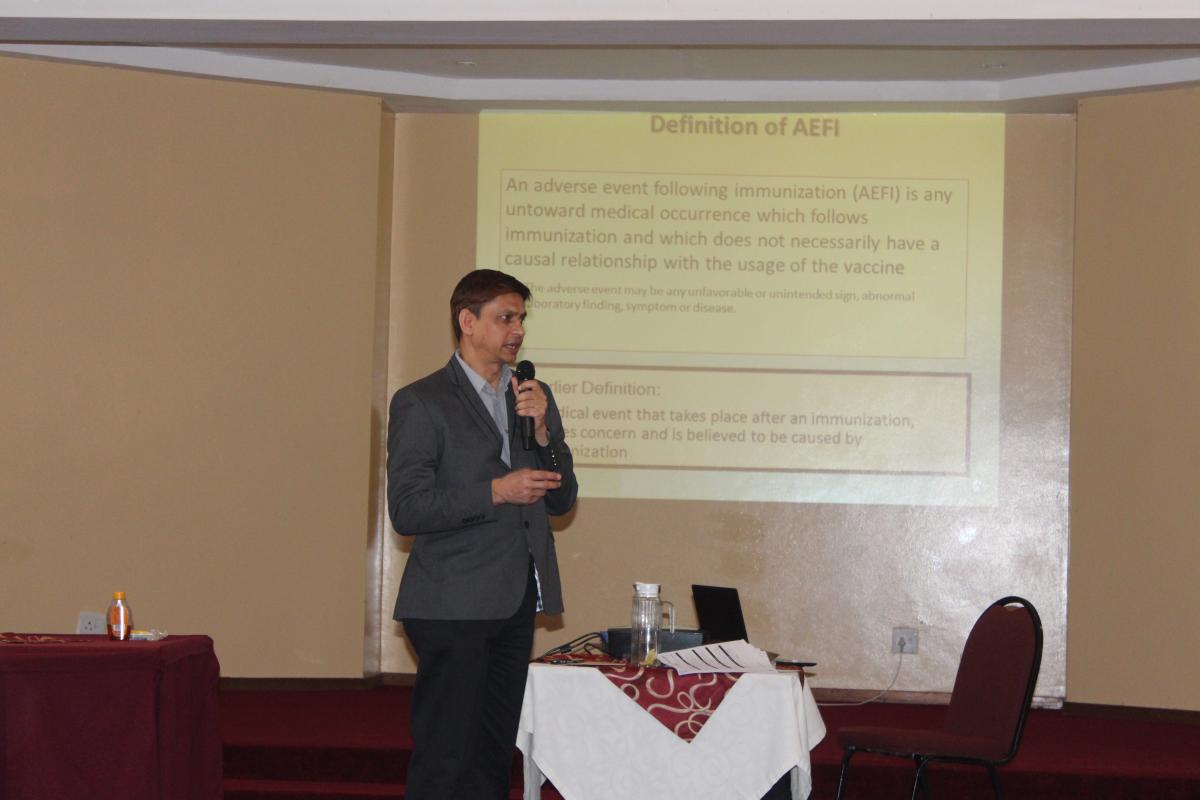
Health workers from different health facilities in the Kingdom of Eswatini have completed a three-days training on reporting and investigation of Adverse Events Following Immunization (AEFI). The training was supported by the World Health Organization.
Targeted vaccine campaign underway to interrupt measles outbreak in remote northern Sierra Leone
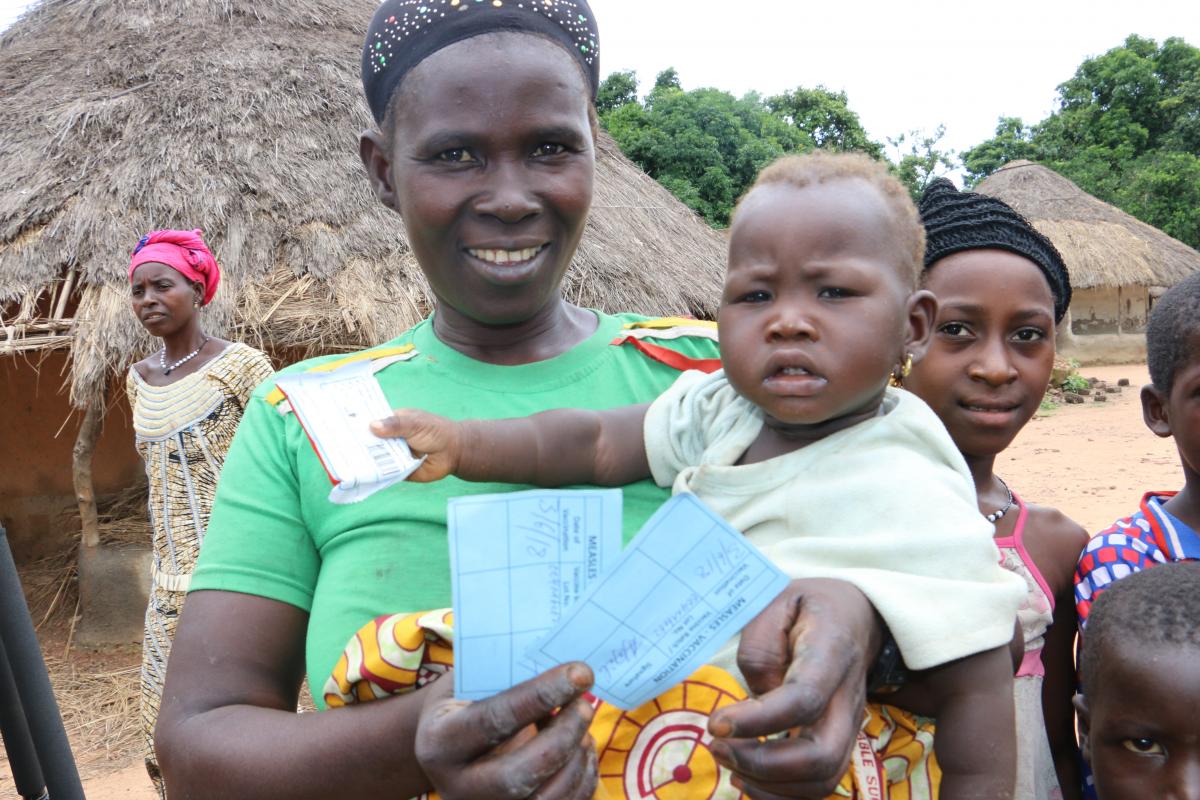
KABALA, 7 July 2018 --- On 3 July 2018, the Ministry of Health and Sanitation in Sierra Leone commenced implementation of a 6-day reactive measles vaccination campaign in Koinadugu districts, aiming to protect all children aged between 6 months and 15 years against the disease. The targeted campaign has sought to reach an estimated 187,707 eligible children with the lifesaving vaccine during this period.
Ghana advances towards developing a National Action Plan for Health Security

Ghana has made tremendous progress towards the development of a National Action Plan for Health Security (NAPHS), following the completion of a Joint External Evaluation (JEE) process.
The JEE, which is a critical component of the International Health Regulations (IHR 2005) Monitoring and Evaluation Framework, was conducted last year as a voluntary, multi-sectoral process to assess the country’s capacity to prevent, detect, and rapidly respond to public health risks irrespective of their origin.
An inclusive response: reaching Batwa communities to combat Ebola
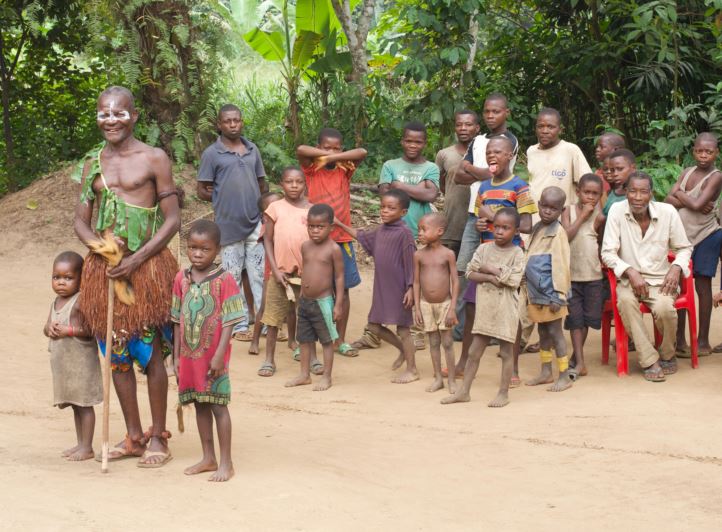
6 July 2018
Dr Bijoux Sambu Fiti is part of the surveillance team working in Itipo, a small community in the Democratic Republic of the Congo (DRC) that has been battling Ebola since May. Her job is to go deep into the forest around Itipo to seek out sick people in Batwa villages potentially suffering from undiagnosed cases of Ebola. The Batwa, which is the plural term for Twa people, are hunter-gatherers living primarily off the forest.
Liberia Commemorates World Drug Day

 Monrovia, 26 June 2018: The Ministry of Health (MOH), WHO, Liberia Drug Enforcement Agency (LDEA) and other partners joined the rest of the global community in commemorating World Drug Day.
Resource Mobilization Training for WHO staff in Botswana
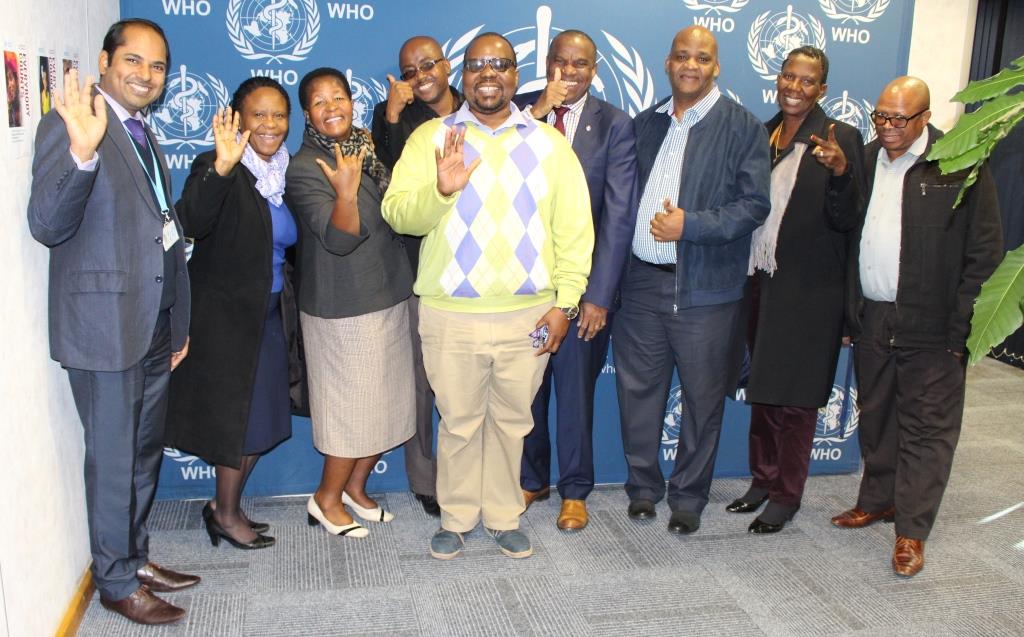
Gaborone, Botswana - 06 July 2018: As part of ensuring the effectiveness of delivering services in Botswana, the World Health Organisation country office has undertaken a workshop to heed the clarion call by the Regional Director, Dr Matshediso Moeti, to actively mobilize resources. This came in the wake of the need for resources being availed via the regional office not being sufficient to meeting the operations and effectively supporting the country office in critical areas of need.
Management of severe acute malnutrition mainstreamed into health workers’ pre-service training curricula in South Sudan

Juba 2 July, 2018 – In South Sudan, it is estimated that 7.1 million people are food insecure; and it is expected that more than one million under five years to be suffering from acute malnutrition in 2018.
According to the UNICEF/WHO Countdown Report 2017, among children aged 6 – 59 months, 31% are stunted, and 28% are wasted. Global Acute Malnutrition (GAM) rates vary seasonally and substantially across states; with peaks of up to 30 % in some locations.
