States in the North East intensify preparation for Outbreak Response Campaign

26 August 2016 - As the preparations for the August outbreak response (OBR) to the detection of two (2) wild polio viruses in Borno State intensify, the five (5) implementing states of Adamawa, Borno, Gombe, Taraba and Yobe, in collaboration WHO and other partners have commenced the implementation of strategic activities to ensure quality campaign and increased access to children in trapped and susceptible populations living in the region.
The World Health Organization releases a report on health financing in Africa
 Nairobi, Kenya, 26 August 2016 - The World Health Organization has released a report on health financing in Africa titled, ‘Public Financing for Health in Africa: from Abuja to the SDGs’,
External Experts Commend the Strong Surveillance Structure for detecting Outbreaks in Nigeria

Abuja 25 August 2016 - An international team for surveillance and outbreak response assessment lauds the government of Nigeria for establishing a strong surveillance system in the country. The team made this known at the presentation of their findings to the National polio Emergency Operations Centre (EOC) after 10 days of comprehensive review of the surveillance structure.
Rotary Uganda POLIOPLUS Committee-Chair pays a courtesy call on the WHO country representative in Uganda

Kampala 25th August 2016 - The newly elected Rotary Uganda PolioPlus Committee Chair Ms. Dorothy Naudegga Kabugo paid a courtesy visit to the World Health Organization (WHO) Country Representative in Uganda Dr. Alemu Wondimagegnehu at the WHO office premises. Flanked by a Rotary Uganda member, Mr. Francis Wangi, they were received by WHO’s Dr. Annet Kisakye, the Expanded Program on Immunization (EPI) Team leader who introduced them to the WHO representative.
Two years without polio - Nigeria celebrates with cautious optimism.
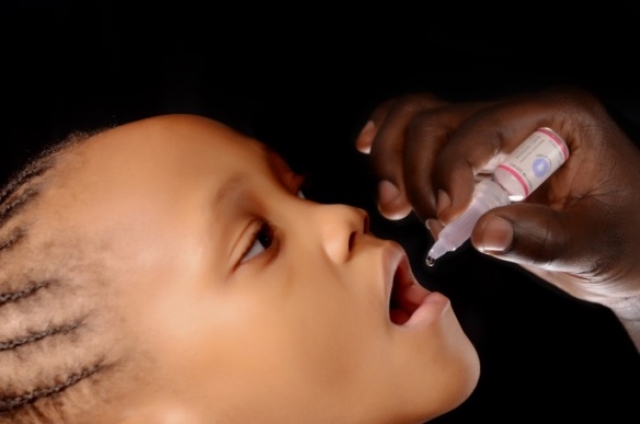
Abuja, 23 July 2016 - Nigeria has been polio-free for two (2) years since the country’s removal from the list of polio-endemic countries on 25 September 2015 by the World Health Organization (WHO). This is the longest period Nigeria has ever gone without a case of wild poliovirus (WPV) and the closest the country, has ever been to ending polio. This important milestone leaves the global community cautiously optimistic that ending polio in Nigeria, and the whole African region, is within reach.
WHO convenes orientation meeting for the Uganda National Malaria Control Program

Jinja, 24th August 2016 - The World Health Organization (WHO) Country Office in Uganda has organized a four-day retreat to orient the new and old National Malaria Control Program (NMCP) staff. Through funding from Department for International Development (DFID), Global Fund, Clinton Health Access Initiative (CHAI), Presidential Malaria Initiative (PMI) and other partners, the Ministry of Health (MoH) has recruited a number of staff and received more staff seconded by WHO and UNICEF.

Pioneering methadone programme in Dar es Salaam gives hope to thousands

24 August 2016 - In a discreet corner of the Mwananyamala District Hospital grounds, in the United Republic of Tanzania’s largest city Dar es Salaam, a group of young people queue outside a small window for their daily dose of methadone. Others are taking refuge from the intense heat in the few shady spots available in the dusty yard behind the low building housing the clinic.
Ghanaian health workers use mobile phones to collect real-time maternal health data
 24 August 2016 - Mavis Tabi-Boateng, a midwife at a health centre in Watreso, Ghana, often sees patients who travel long distances for antenatal care visits. During these visits she checks to see if the mother and baby are healthy.
New report on public financing for health in Africa
 23 August 2016 – Fifteen years ago, African leaders pledged to increase health spending to 15% of total government expenditure. Since then health spending has reached an average of 10%. Still, as economies have grown, a number of challenges are hampering progress towards universal health coverage.