Botswana bets on the digital future: health transformation at the core of economic diversification
Botswana is charting a bold new course, firmly positioning itself as a digitally empowered, innovation-driven nation. Central to this ambitious shift from commodity-led growth is the transformation of the country's health sector.
This strategic direction was the highlight of the Botswana Technology Summit and Expo (Gaborone, 12-13 August 2025), where national and global leaders underscored the vital link between digital public infrastructure and national prosperity.
Digital Health as a Strategic Imperative
Preparing for yellow fever epidemics in urban areas: Cameroon develops its strategic plan for the next three years

Mbalmayo, August 11, 2025 – The Ministry of Public Health of Cameroon (MINSANTE) convened a high-level strategic workshop from August 11 to 13, 2025, at the Mbalmayo International Conference Center. The objective was to develop the National Plan for Preparedness and Response to Yellow Fever Epidemics in Urban Areas for the period 2025-2028.
Sustaining efforts to end mpox outbreaks in Africa

Protecting the future: annual review meeting of Ethiopia’s EPPR project
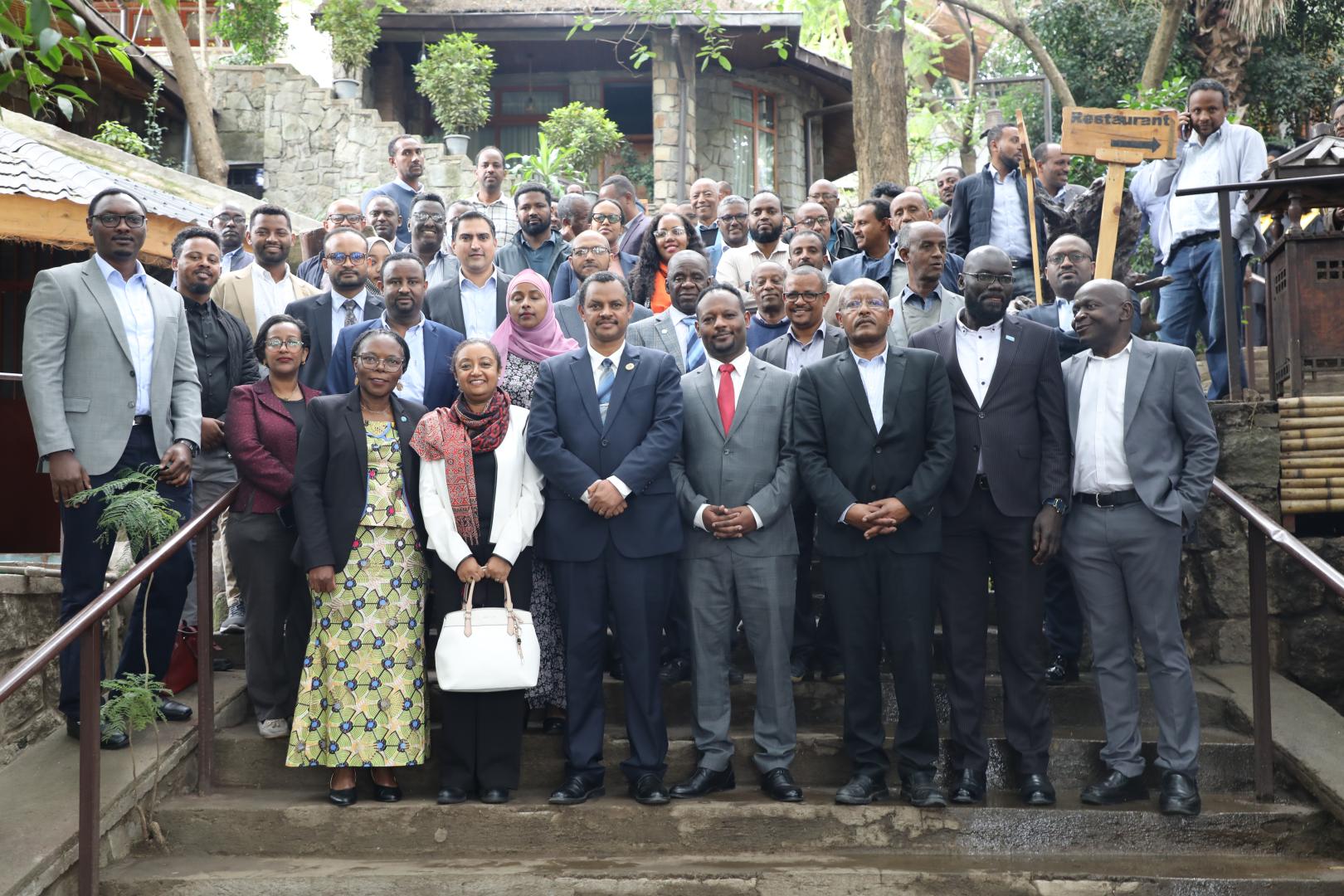
The Ethio-Pandemic Prevention, Preparedness and Response (EPPR) Project held its first Annual Review Meeting from 9 to 11 July 2025 in Bishoftu, Ethiopia. The review brought together high-level government officials, technical experts, UN representatives, and other partners committed to advancing Ethiopia’s pandemic preparedness through a unified One Health approach.
Ethiopia launches groundbreaking UN initiative to prevent child wasting
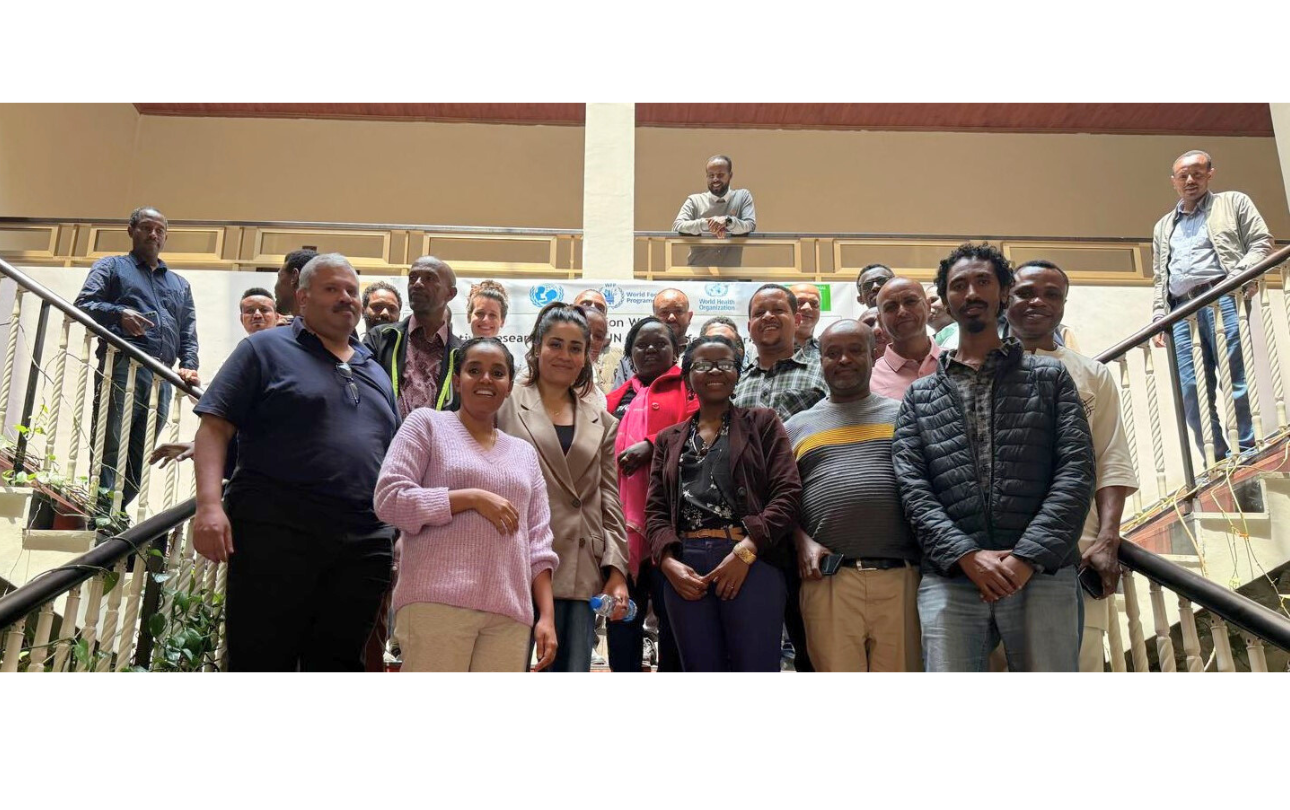
The Federal Ministry of Health, in partnership with the World Health Organization (WHO), United Nations Children's Fund (UNICEF) and World Food Programme (WFP), officially launched the Joint UN Initiative for the Prevention of Wasting (JUNIPr) in Ethiopia. The initiative aims to accelerate national efforts to prevent child wasting—a severe and life-threatening form of malnutrition that affects more than 11% of Ethiopian children under five.
The youngest nation in Africa becomes the sixth Country to complete the 2nd generation National Action Plan for Health Security
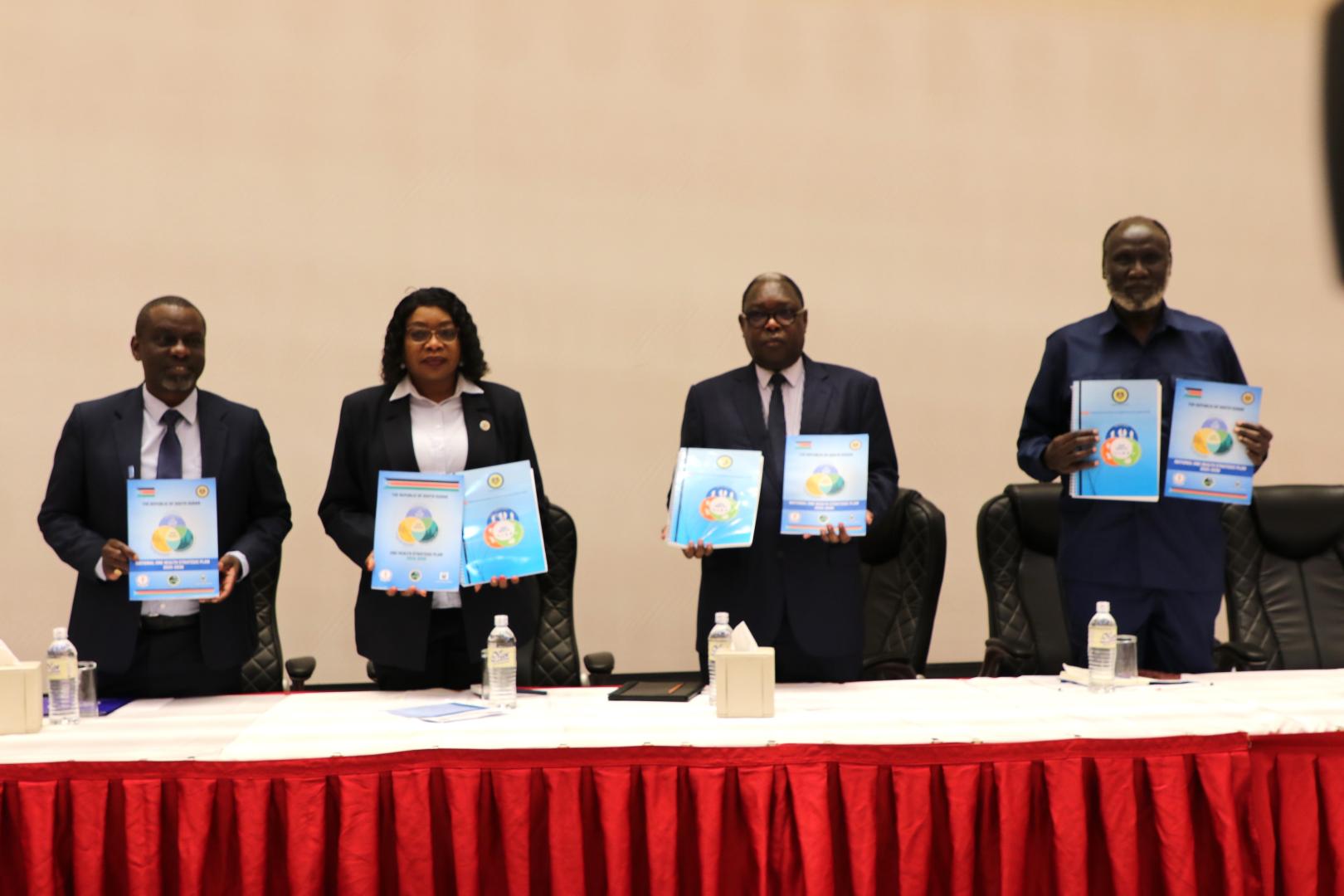
Juba – South Sudan faces recurring public health threats from infectious disease outbreaks to climate-related emergencies such as floods, drought and heat waves. As of August 2025, South Sudan had active outbreaks of Anthrax, Cholera, Circulating Vaccine Derived Polio Virus Type 2 (cVDPV2), Viral Hepatitis E, Measles and Mpox. At the same time, floods had inundated 16 health facilities and displaced more than 56,000 households with nearly 200,000 people.
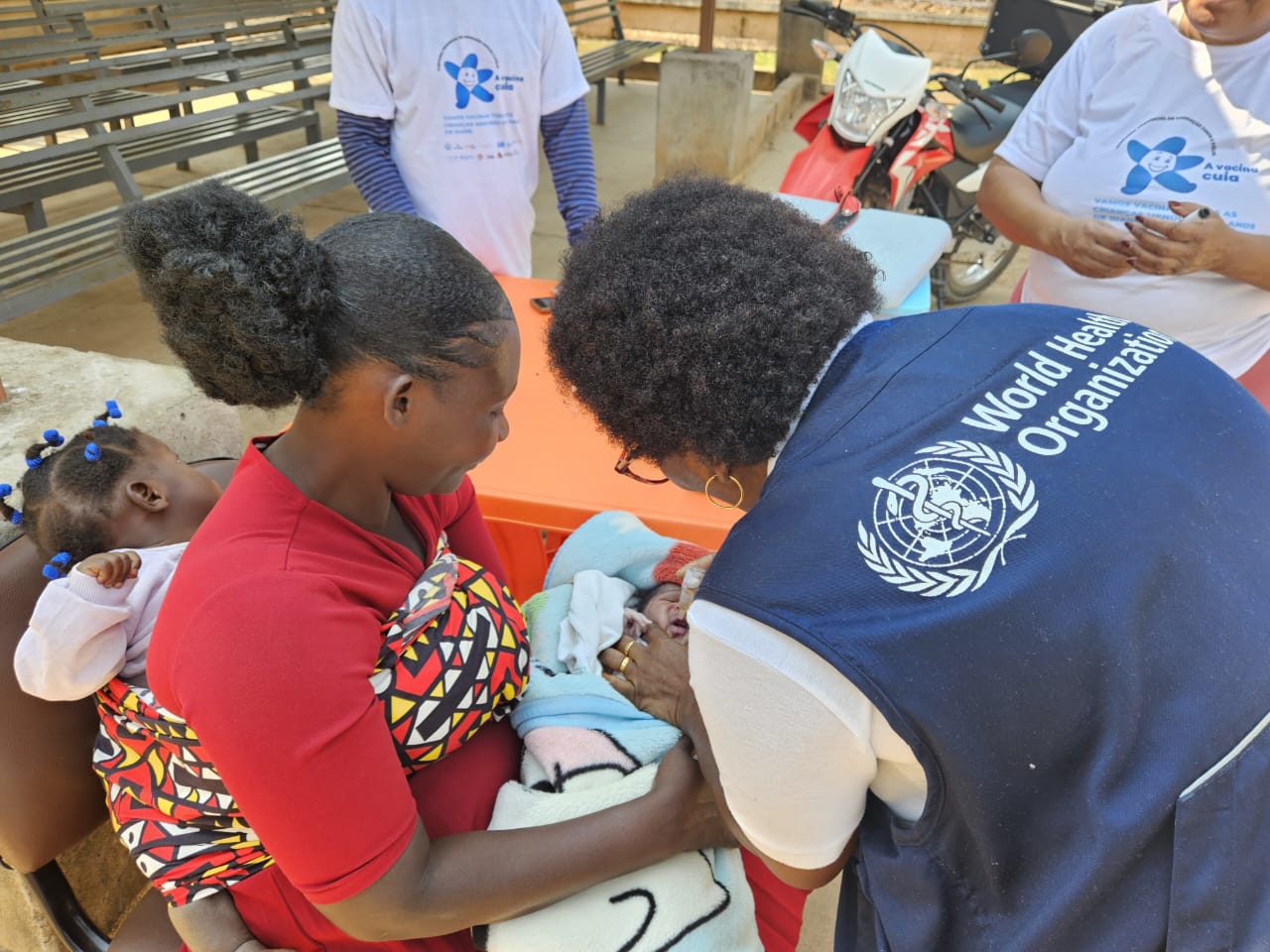
South Sudan introduces the second dose of the Measles-Containing Vaccine (MCV2)
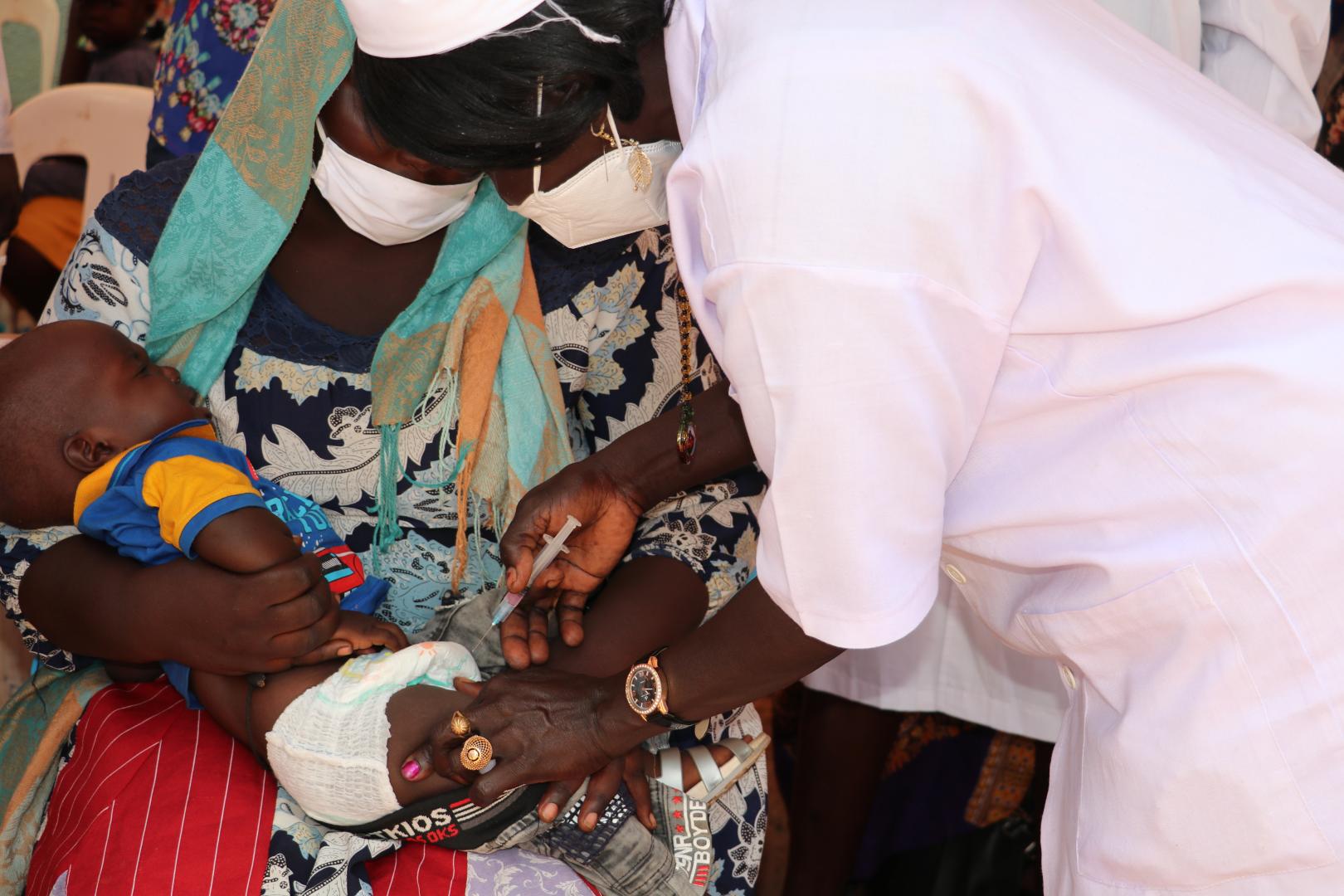
Juba – South Sudan is taking a significant step forward in protecting its children from Measles with the nationwide introduction of the second dose of the Measles Containing Vaccine (MCV2) into the routine immunisation schedule. The two-dose regimen is part of the 2017 recommendations by the World Health Organisation to all countries. As of 12 August 2025, South Sudan will be the 45th country in the African Region to introduce MCV2.
South Sudan launches second phase of R21 malaria vaccine introduction in 52 counties to protect children
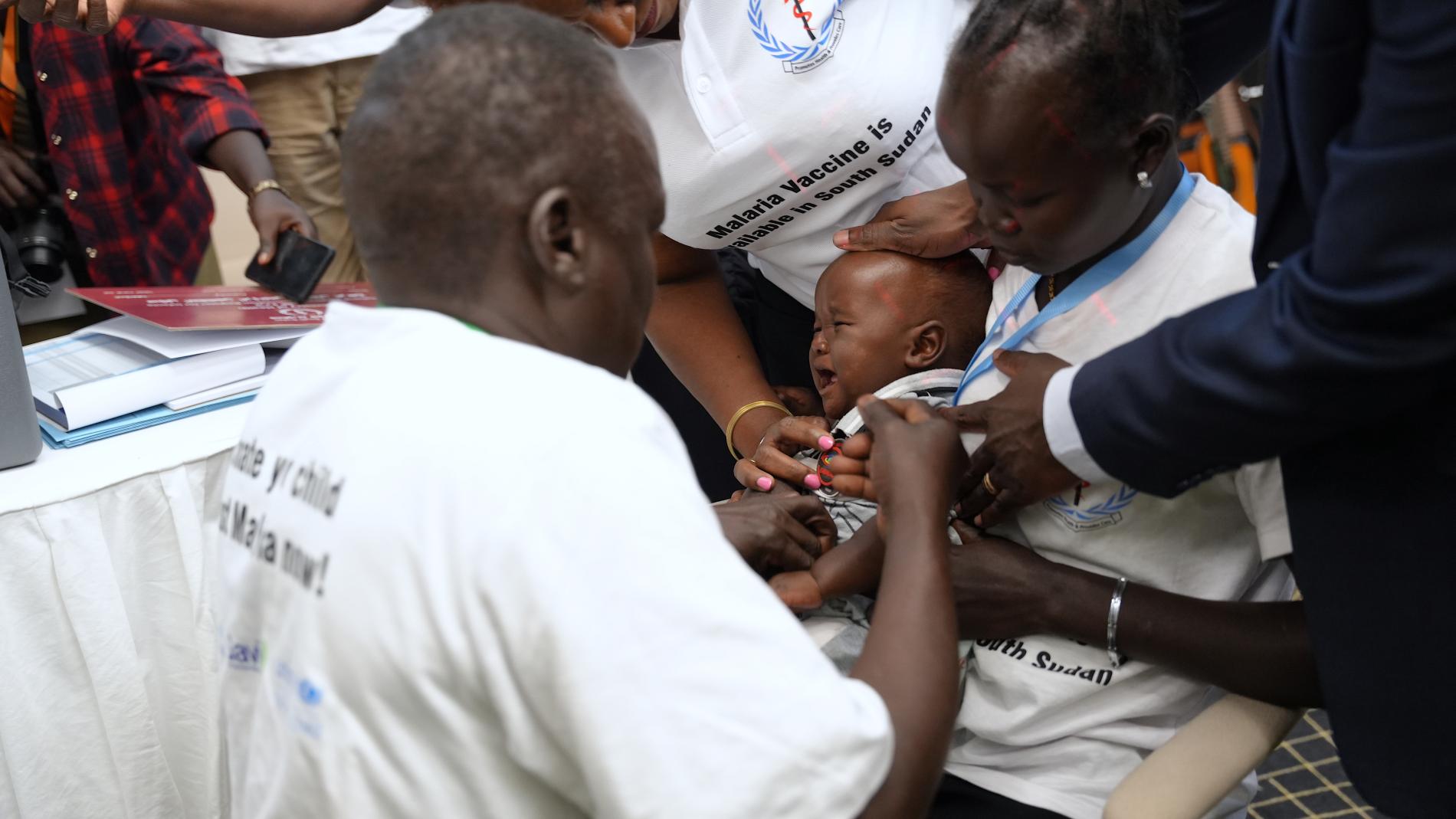
Juba, 12 August 2025 – Malaria is endemic across all regions of South Sudan. As part of the efforts to prevent and control this disease, the Ministry of Health, with support from the World Health Organisation (WHO), UNICEF, Gavi and JSI, launched the introduction of the malaria vaccine in 28 counties with the highest malaria burden in July 2024.
Uganda rallies support for breastfeeding as a cornerstone of health and development
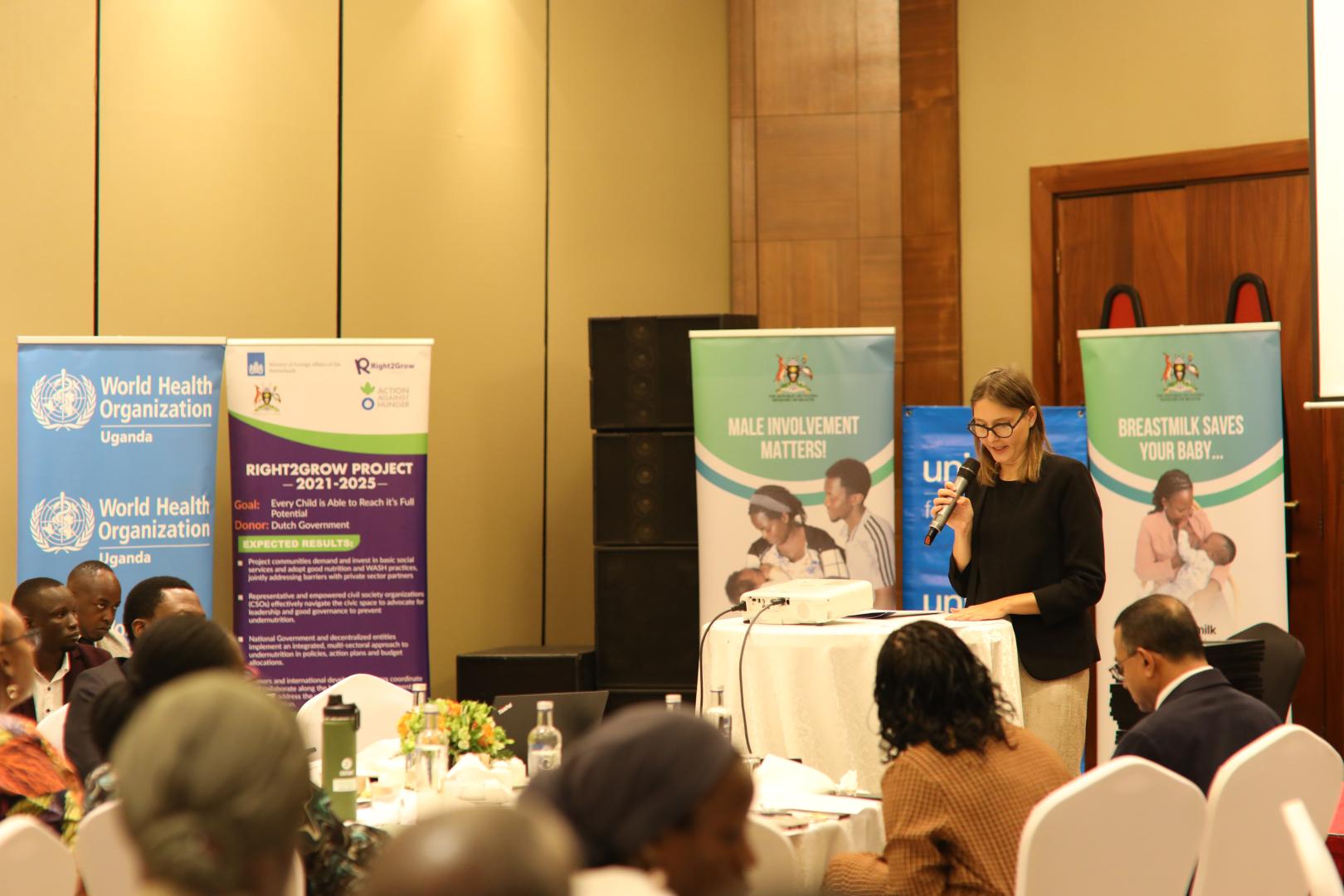
Kampala, Uganda – Uganda joined the global community in commemorating World Breastfeeding Week 2025 with a high-level breakfast meeting in Kampala under the theme: “Invest in Breastfeeding, Invest in the Future.” The theme aligns with World Health Organization (WHO)’s ongoing campaign dubbed “Healthy beginnings, hopeful futures”, that urges governments and the health community to intensify efforts to end preventable maternal and newborn deaths and prioritize women’s long-term health and well-being.