The Tanzania Catholic Church launches the Test and Treat Project

On 11th February 2014, the Catholic Church in Tanzania launched the Test and Treat Project which will be implemented in Bugisi District in Shinyanga Region. The occasion which was a Catholic Holy Mass, was held at premises of the Catholic Church Headquarters in Tanzania and led by the Archbishop of Mwanza, Jude Thaddaeus Ruwa’ichi.
The new WHO Country Representative presents his credentials

On 6th February 2014, Dr. Thomas Sukwa, the new WHO Country Representative for Lesotho, presented his cre-dentials to the Hon. Minister of Foreign Affairs & Interna-tional Relations, Mr. Mohlabi Tsekoa, and paid a courtesy call on the Right Hon. Prime Minister of Lesotho, Dr. Thomas Motsoahae Thabane.
National Drug Authority's efforts reduce counterfeits
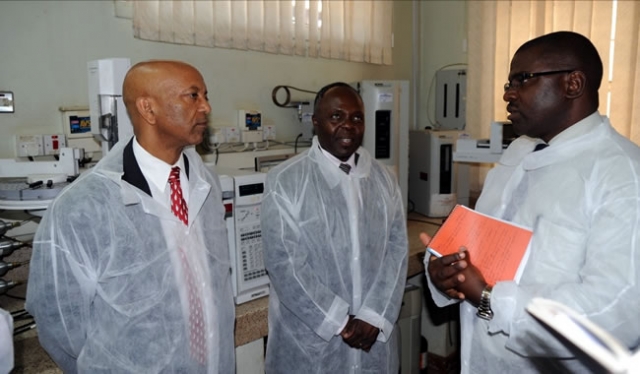
Kampala, 07th February 2014 -- Uganda’s National Drug Authority (NDA) has changed its drugs testing strategy from mandatory testing of selected drugs to a risk-based approach. In this approach, only drugs from manufacturers that are not prequalified by the World Health Organization are subjected to mandatory testing.
Measles deaths reach record lows
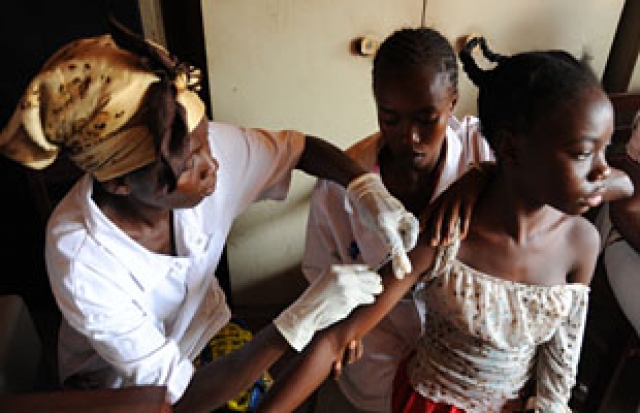 7 February 2014 -- New mortality estimates from WHO show that annual measles deaths have reached historic lows, dropping 78% from more than 562 000 in 2000 to 122 000 in 2012. During this time period, an estimated 13.8 million deaths have been prevented by measles vaccination.
Kenya Commemorates World Cancer Day 2014

04 February 2014, Nairobi – Kenya joined the rest of the world in commemorating this year’s World Cancer Day. The national event, commemorated in Eldoret, Uasin Gishu County, under the global theme “Debunking the Myths”, was graced by the Cabinet Secretary for Health, Mr. James Macharia.
The Chief Guest noted that the day provided a special opportunity to raise awareness and improve general knowledge and dispel myths and misconceptions about cancer.
WHO welcomes closer collaboration with UNOPS
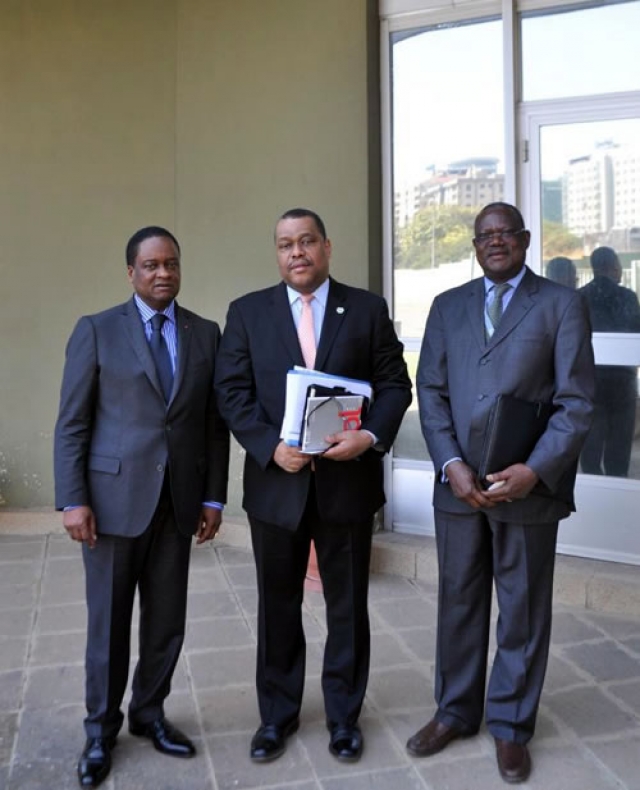
Addis Ababa, 4 February -- World Health Organization Country Office for Ethiopia welcomed closer collaboration with UNOPS, the operational arm of the United Nations, after a meeting with Garry Conille, UNOPS Regional Director for Africa, and Bamidele Ilebani, UNOPS Country Coordinator for Ethiopia, Djibouti and South Sudan.
The cordial meeting gave an opportunity for WHO to highlight areas of collaboration between UNOPS and WHO to intensify their joint efforts to Deliver as One in Ethiopia, particularly to improve procurement and operations capacity during emergencies.
2nd All Africa Workshop on Rheumatic Fever and Rheumatic Heart Disease held in Zambia
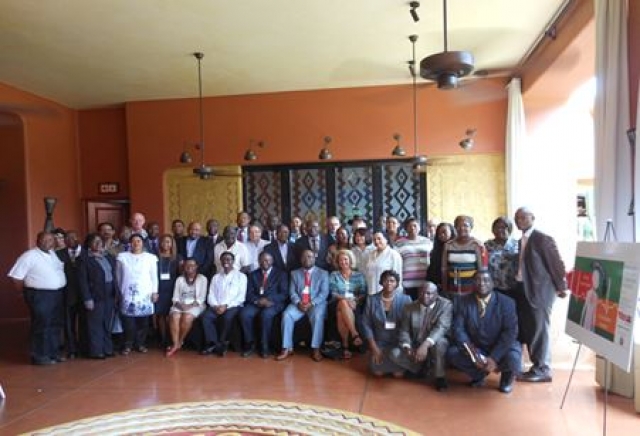 Brazzaville, 3 February 2014 – The 2nd All Africa Workshop on Rheumatic Fever and Rheumatic Heart Disease was held from 1 to 2 February in Victoria Falls, Zambia.
WHO vaccinates thousands of children in Bor, Jonglei State – South Sudan

3 February 2014, Juba -- The World Health Organization (WHO) conducted emergency vaccination in camps in Bor, capital of Jonglei State in South Sudan following reports of death of children due to suspected measles cases, and the inaccessibility of the area in the past 3 weeks.
WHO deployed a technical team to Bor Protection of Civilians (IDP) camp resulting in vaccination of 2,559 children against measles, 2,817 against polio and 1,935 being given Vitamin A supplementation.
World Health Day 2014: small creatures, big threat

31 October 2013 -- Vectors are small organisms such as mosquitoes, bugs, ticks and freshwater snails, that can carry disease from person to person and place to place. They can put our health at risk, at home and when we travel. The World Health Day 2014 campaign focuses on some of the main vectors and the diseases they cause and what we can all do to protect ourselves. Check the site regularly for tools and materials that will help you prepare for your World Health Day activities.
Ethiopia’s Fast and Aggressive Response to the Horn of Africa Polio Outbreak
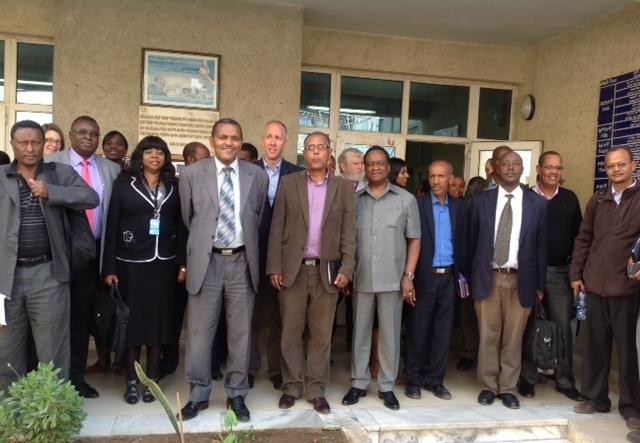
Addis Ababa, 31 January 2014 –- After over ten years without a single indigenous case of wild poliovirus (WPV), in 2013 importation of the virus was witnessed in Ethiopia. The country is now one of three countries with imported polio cases since the current outbreak affecting the Horn of Africa began in Somalia in May 2013.