WHO Eritrea Supports Maternal Mortality Reduction Efforts
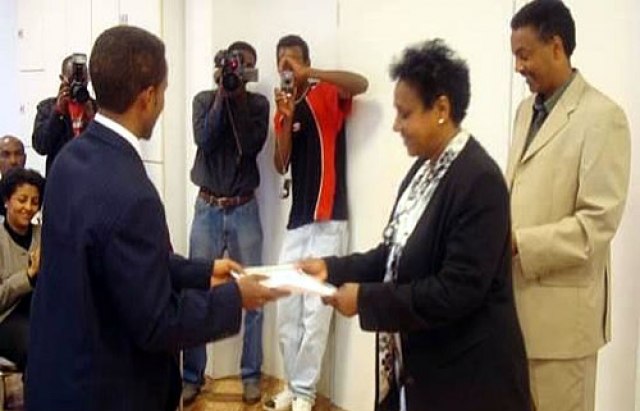
One of the Millennium Development Goals (MDGs) aims at improving maternal health - MDG 5. The two targets of this goal are reducing by three quarters, between 1990 and 2015, the maternal mortality ratio; and achieving, by 2015, universal access to reproductive health.
According to a WHO, UNICEF, UNFPA and World Bank 2012 report, “Trends in maternal mortality: 1990 to 2010”, the annual number of maternal deaths dropped from more than 543,000 to 287,000 – a decline of 47 per cent.
Eritrea Conducted its 2nd African Vaccination Week

Over 500,000 children have been protected against eight killer but vaccine-preventable diseases -tuberculosis, diphtheria, whooping cough, tetanus, polio, measles and hepatitis B, and homophillus influenza B - throughout the country during the 2nd African Vaccination Week (AVW).
This was held integrated with other activities as a Child Health, Nutrition and Vaccination week from April 28 to May 02, 2012 in Eritrea.
The interventions of the campaign included:
WHO Country Office Sierra Leone Newsletter, March-April 2012
In this Issue:
1. Healthy Lifestyle
2. Strengthening Lab Database for Disease Surveillance
Introduction
Sierra Leone is faced with the double burden of communicable and Non-Communicable diseases (NCDs). Available hospital data indicate that in 2011 more cases of diabetes (352), hypertension (4207) and cardiovascular disease (284) were reported.
Bi-Monthly Newsletter Nigeria March-April 2012
In this issue:
Lead Poisoning in Zamfara State of Nigeria
Use of ARVs in HIV Prevention
WHO support introduction of Pentavalent vaccine
World Malaria Day 2012 Celebration in Nigeria
Healthy Ageing
2012 World Malaria Day Celebration in Nigeria

Pledges of commitment by government and partners and advocacy for malaria prevention and control characterized interventions made during events organized to mark this year’s World Malaria Day (WMD) in Nigeria.
The weeklong celebration kicked off with a well-attended Ministerial press conference on 24 April 2012 at the Minister’s conference room in Abuja.
Ghana introduces 2 new vaccines; 2nd African Vaccination Week launched
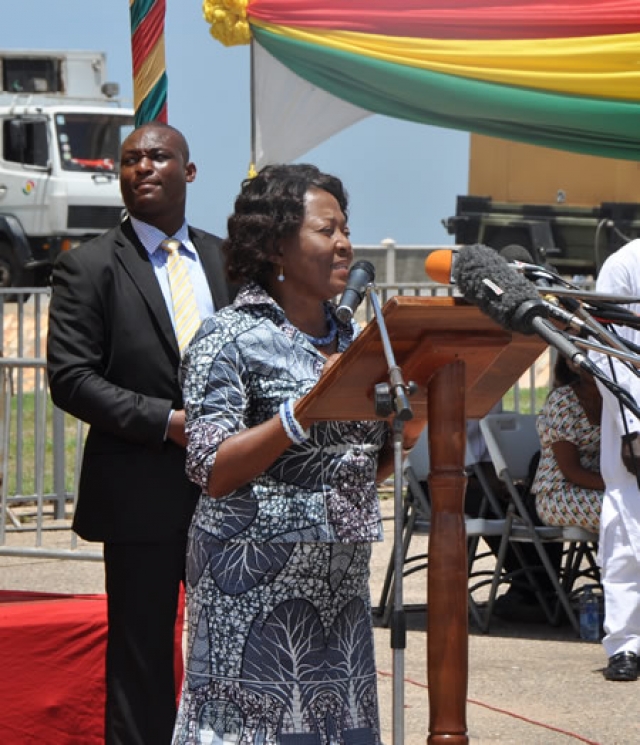 Accra, 26 April 2012 – Ghana today made history as the first African country to simultaneously introduce pneumococcal and rotavirus vaccines in its national immunization programme in a bid to fight pneumonia and diarrheoal diseases, each of which accounts for approximately 10 per cent of under-five deaths in the country.
Sierra Leone Commemorates World Malaria Day 2012

Sierra Leone joined the rest of the world in commemorating World Malaria Day today 25 April 2012 on the theme “Sustain Gains, Save Lives: Invest in malaria”. A local slogan: “Mosquito Net!! Malaria Free. Sound Sleep” was also chosen by the Ministry of Health and Sanitation (MoHS) to raise awareness on malaria prevention and control in the country. In a nation-wide broadcast the Minister of Health and Sanitation Hon Zainab Bangura, officially announced free treatment for confirmed malaria cases for all age groups in the country at government health facilities.
Commemoration of the World Malaria Day in Dar-Es-Salaam at the Karimjee Ground 25th April 2012

His Excellency the Vice President of the United Republic of Tanzania – Dr Mohammed Ghalib Bilal officiated the World Malaria Day 25 April 2012 Commemorations in Dar-Es-Salaam.
WHO calls for “final push” towards accelerated malaria control and eventual elimination in Africa

Brazzaville, 25 April 2012 -- African countries and communities should intensify collaborative work with their various partners for the “final push” towards universal access by putting malaria control and elimination at the core of poverty reduction strategies.
WHO Director General Dr Margaret Chan makes first visit to Namibia
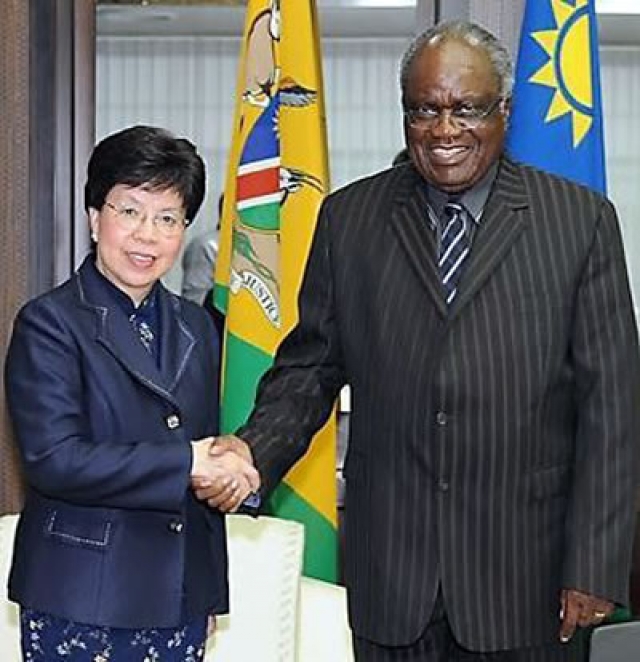
WHO Director General Dr Margaret Chan touched down on 23 April 2012 for a four-day visit to Namibia. Dr Chan’s visit coincided with World Malaria Day, 25 April which was commemorated under the theme, “Sustain Gains. Save Lives. Invest in Malaria.” The high-level mission not only focused on malaria but used the opportunity to discuss issues related to maternal and child health, health systems strengthening, human resources for health, among other priority issues.