Xai Xai, Mozambique—As floodwaters recede across Gaza Province in southern Mozambique, recovery efforts are gaining momentum. Despite significant limitations in infrastructure, equipment and specialized services, health facilities that were damaged are progressively resuming operations to serve displaced communities returning to their areas of origin.
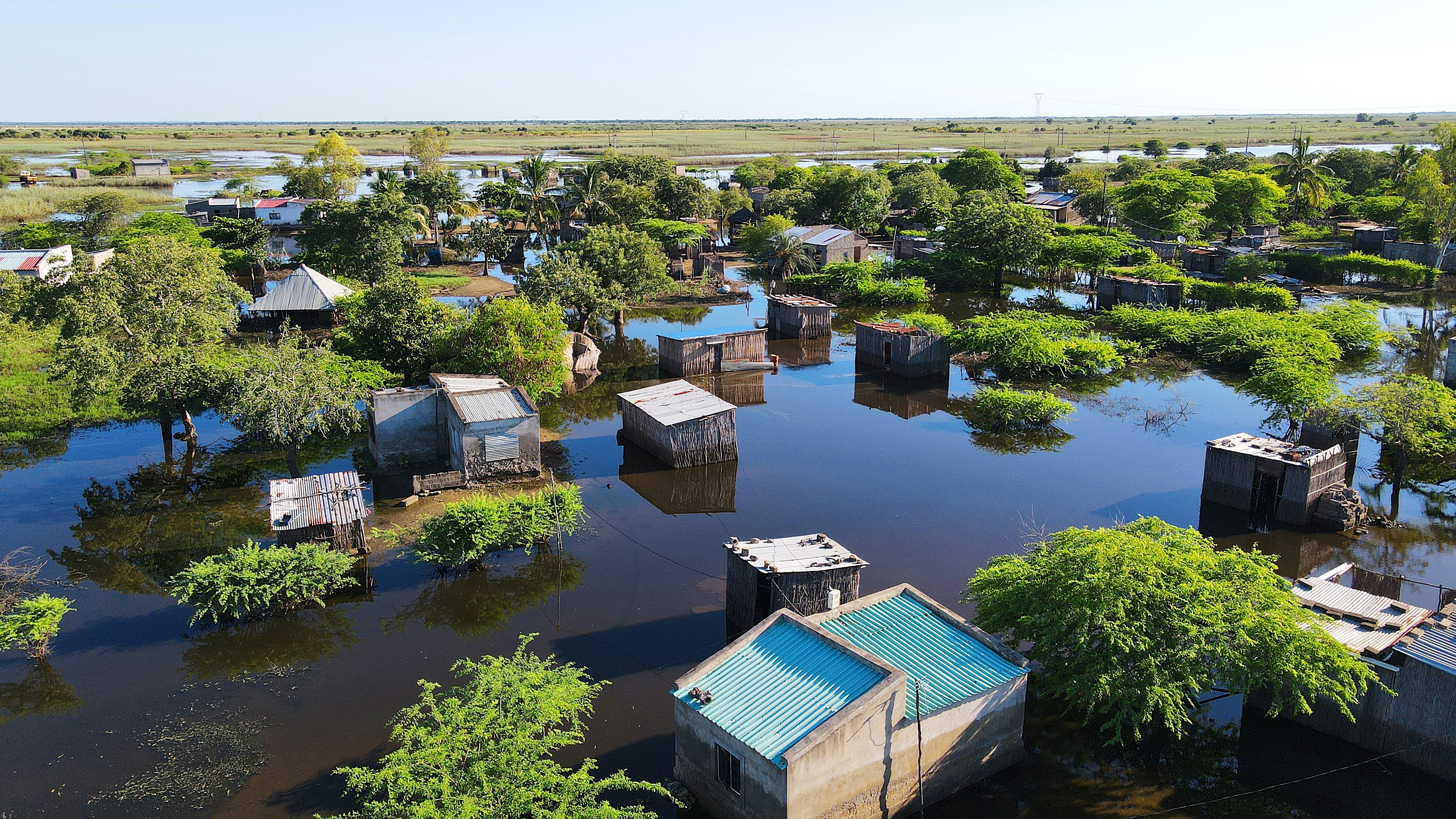
Heavy rainfall and severe flooding started in Mozambique in mid-December 2025, affecting six provinces and Maputo city. Gaza Province was the most affected and at the height of the emergency in mid-January almost 440 000 people were affected and around 81 000 displaced and accommodated in 45 centres. As of 22 February, 15 accommodation centres remained active, hosting approximately 19 000 people in the hardest hit districts.
World Health Organization (WHO) has supported coordination among partners, reinforced disease surveillance and laboratory confirmation, deployed and facilitated delivery of essential medicines and supported temporary infrastructures to sustain health services during the emergency phase.
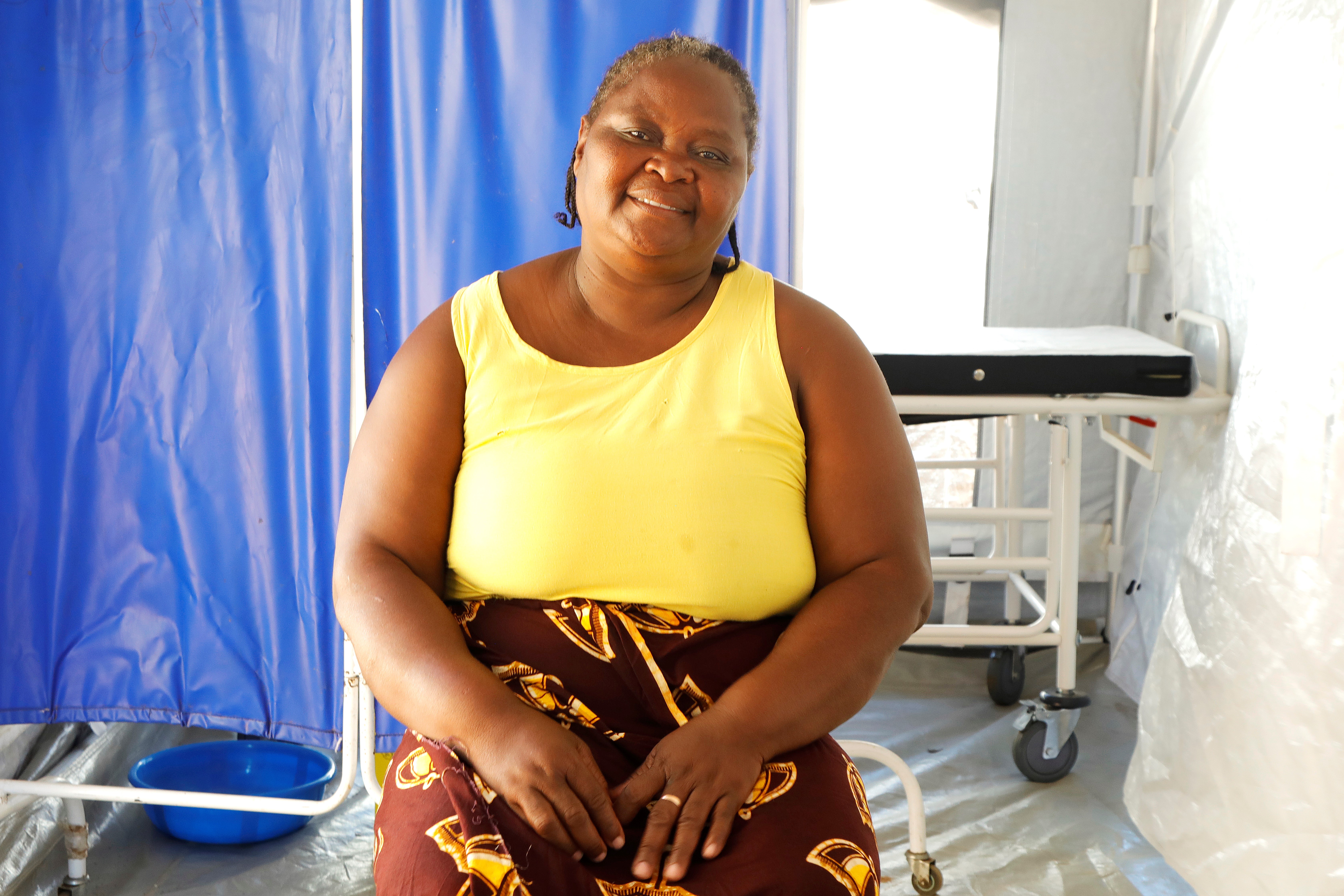
Like many others, Mazuze arrived with few belongings and uncertainty about when she would be able to return home. A few days after settling into the centre, she began to feel unwell.
“I developed fever. I went to the health post here, received treatment and felt better,” says Mazuze. “Now my only challenge is the fatigue from clearing brushwood and sand from my accommodation.”
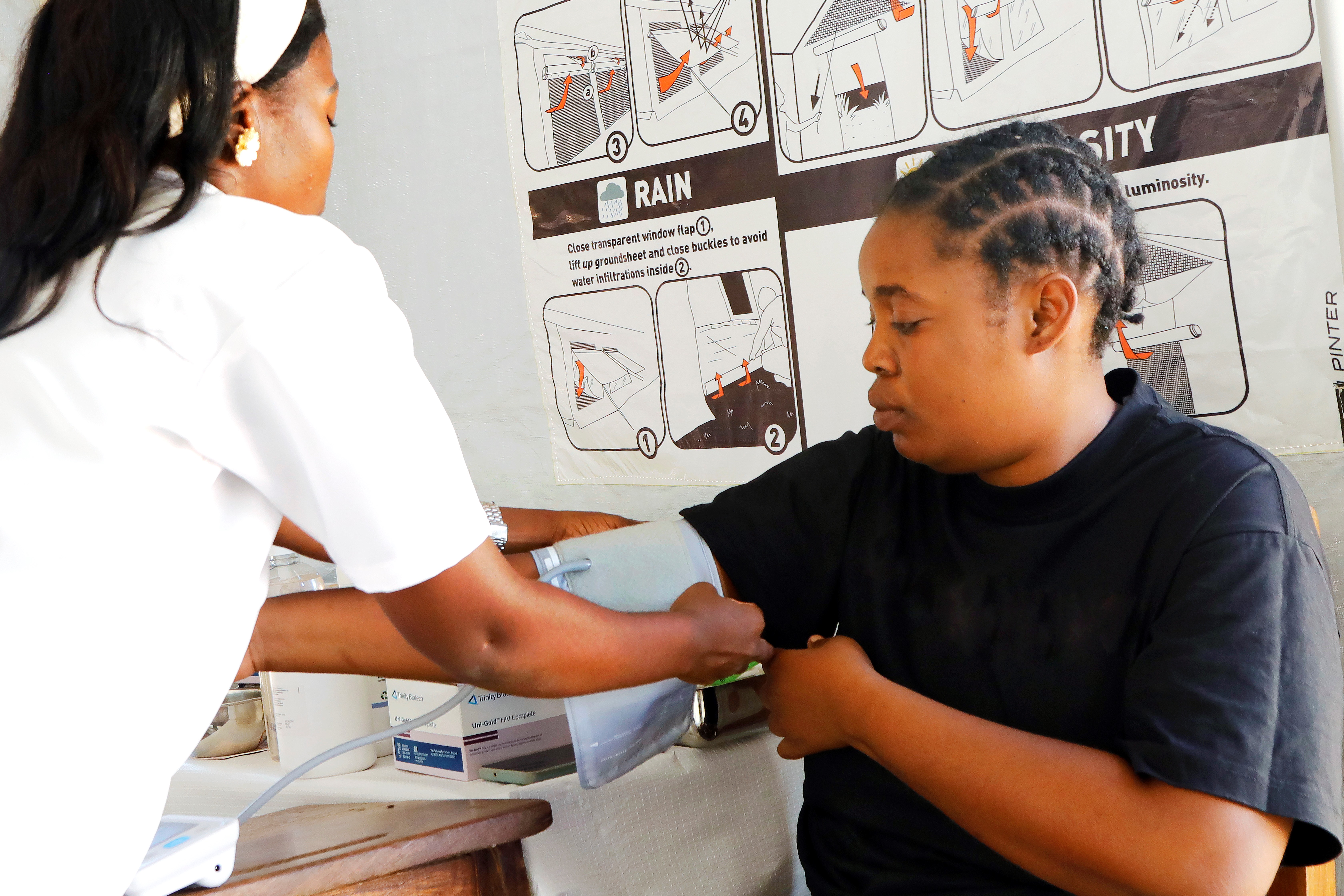
Like many others, Mazuze arrived with few belongings and uncertainty about when she would be able to return home. A few days after settling into the centre, she began to feel unwell.
“I developed fever. I went to the health post here, received treatment and felt better,” says Mazuze. “Now my only challenge is the fatigue from clearing brushwood and sand from my accommodation.”
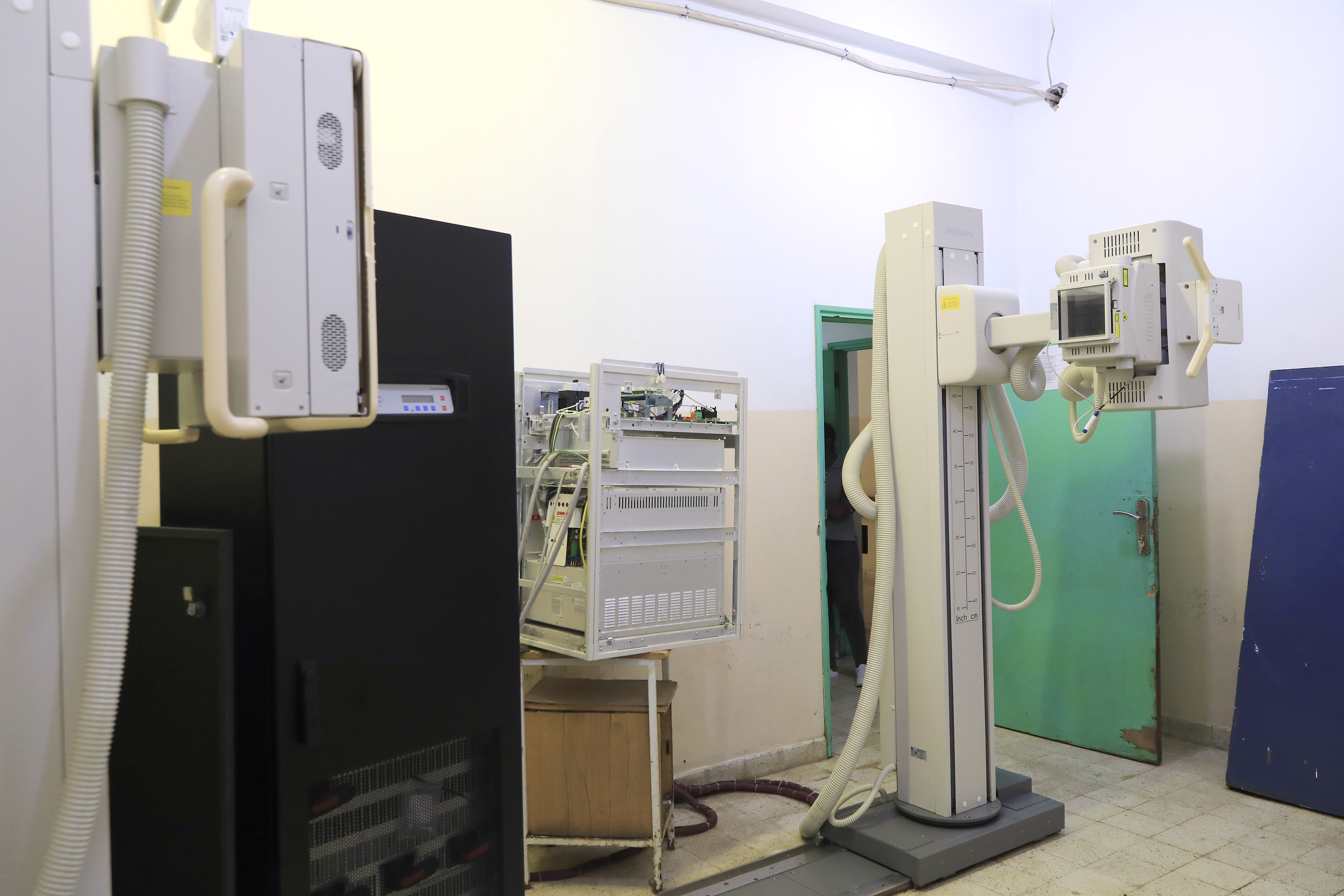
Hospital Rural de Chokwé, referral facility for the northern part of Gaza province, was completely inundated and remained closed for 23 days. Although emergency, maternity and pharmacy services have resumed, other critical units remain closed due to equipment damage in the laboratory, surgery, chemotherapy and blood bank departments. The province’s only advanced radiology machine was severely damaged despite unsuccessful efforts to remove the device ahead of the floods.
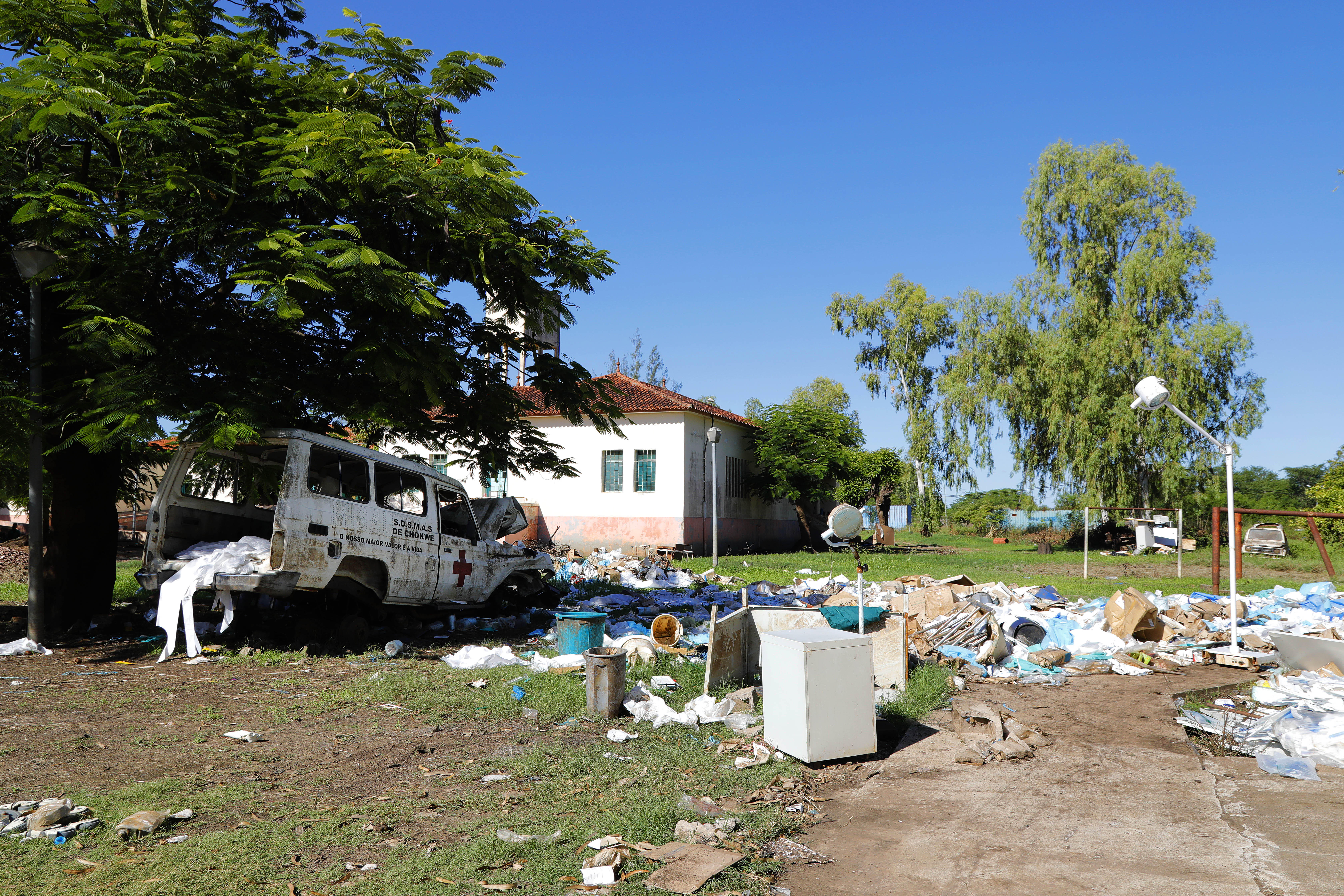
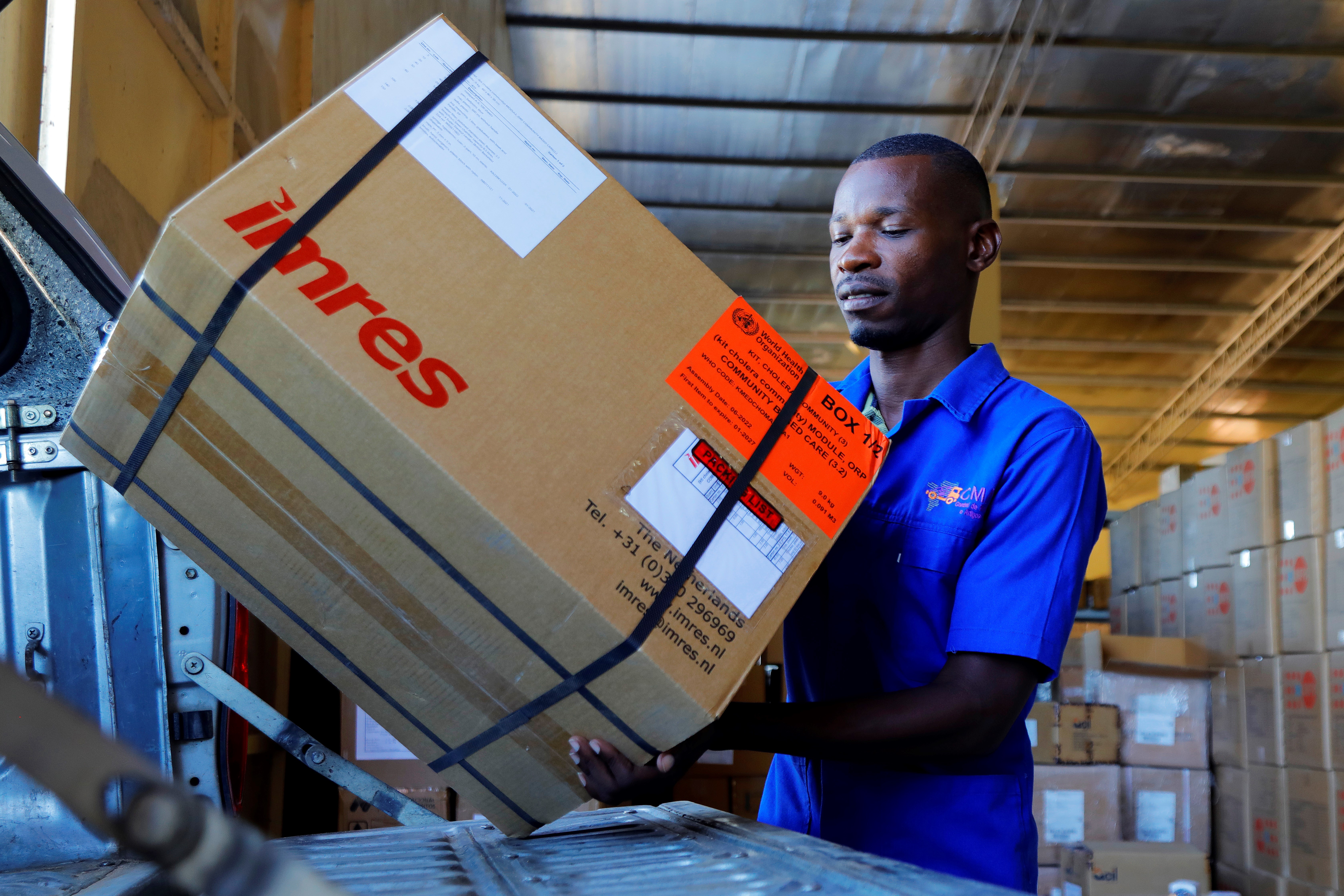
Floodwaters submerged five medicine and medical-surgical warehouses in the province, disrupting stock availability. The Provincial Medicines Repository rapidly mobilized supplies to the affected districts and accommodation centres using alternative transportation means, including boats and planes, as several roads were inaccessible and districts cut off. This restored the supply chain, which is critical to stabilizing emergency health response.
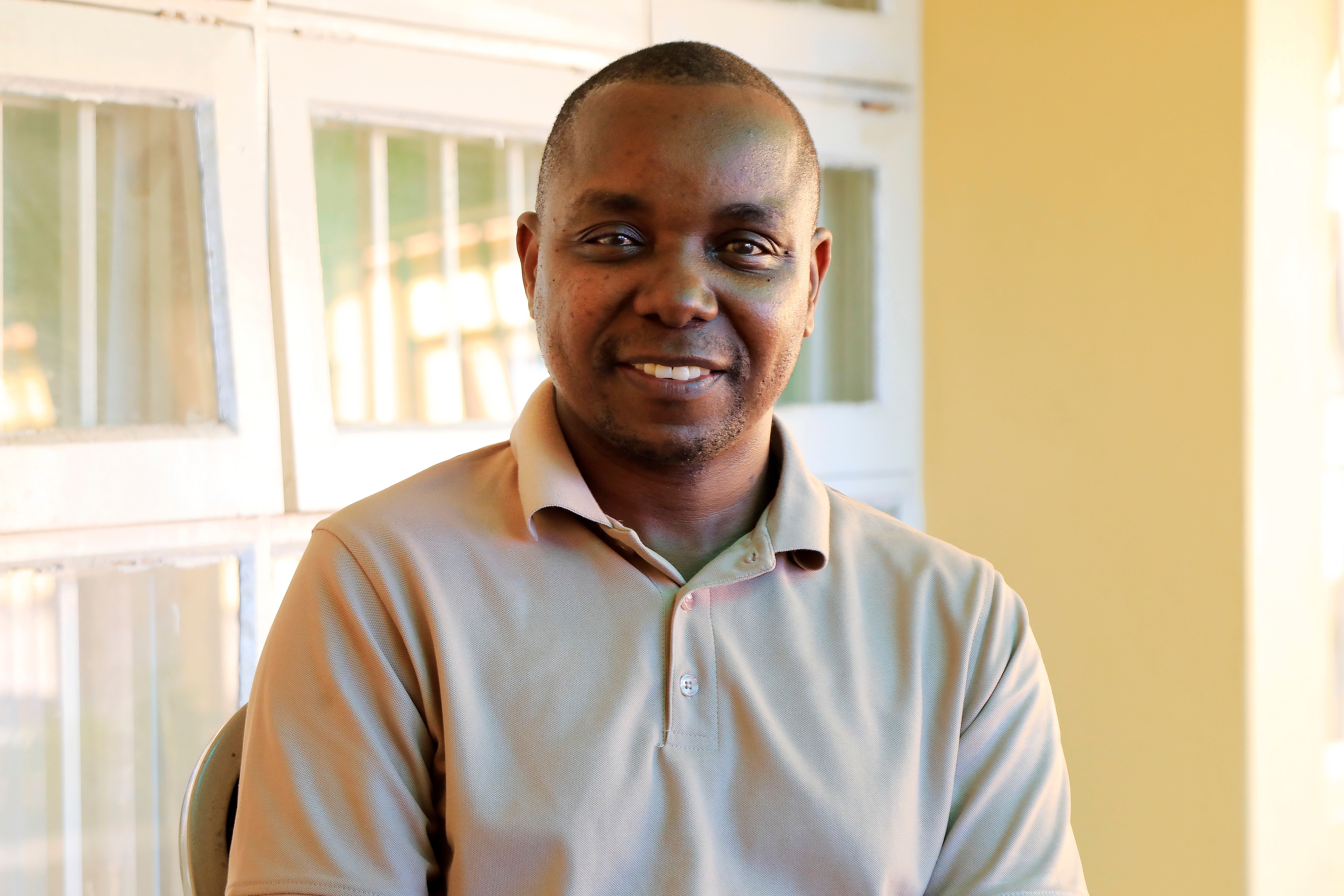
“We can classify our health situation as worrying and beyond what the province is used to. The floods had a direct impact on both the population and our health services,” says Sérgio João, Provincial Chief Medical Doctor. “The early presence of WHO made a significant difference, bringing emergency response expertise and logistical support that allowed our teams to reach affected districts and accommodation centres more quickly.”
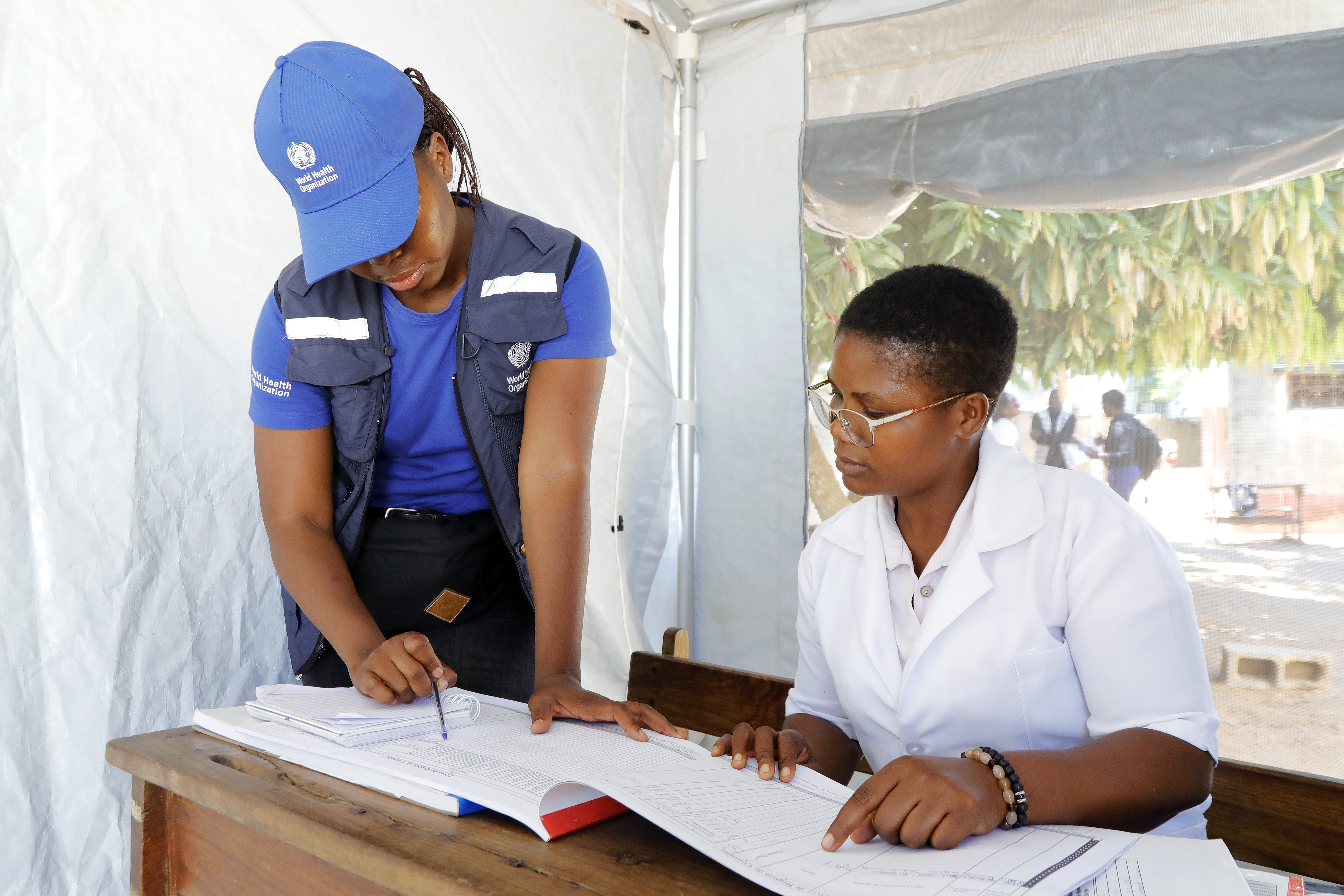
“Beyond logistics, our priority has been coordination and early detection. Through the health cluster and strengthened surveillance systems, including daily digital reporting from more than 160 health units, we are supporting timely identification of priority diseases and ensuring that recovery efforts are aligned, responsive and focused on preventing secondary outbreaks,” says Dr Isabel João, WHO technical officer deployed to Gaza.
Sustained coordination, resilient infrastructure and strong disease surveillance systems will be essential to safeguard health and protect communities in Gaza from future shocks.
External Relations Officer
Rua Beijo da Mulata, 73, Sommerschield, Maputo
P.O. Box 377, Maputo, Mozambique
Telephone: (+258) 21 491 990
Email: erbf [at] who.int (erbf[at]who[dot]int)
Communications and Media Relations Officer
WHO Regional Office for Africa
Email: saida.swaleh [at] who.int (saida[dot]swaleh[at]who[dot]int)