WHO donates vital laboratory equipment and vehicles to the Ministry of Health to strengthen Sierra Leone's health systems.
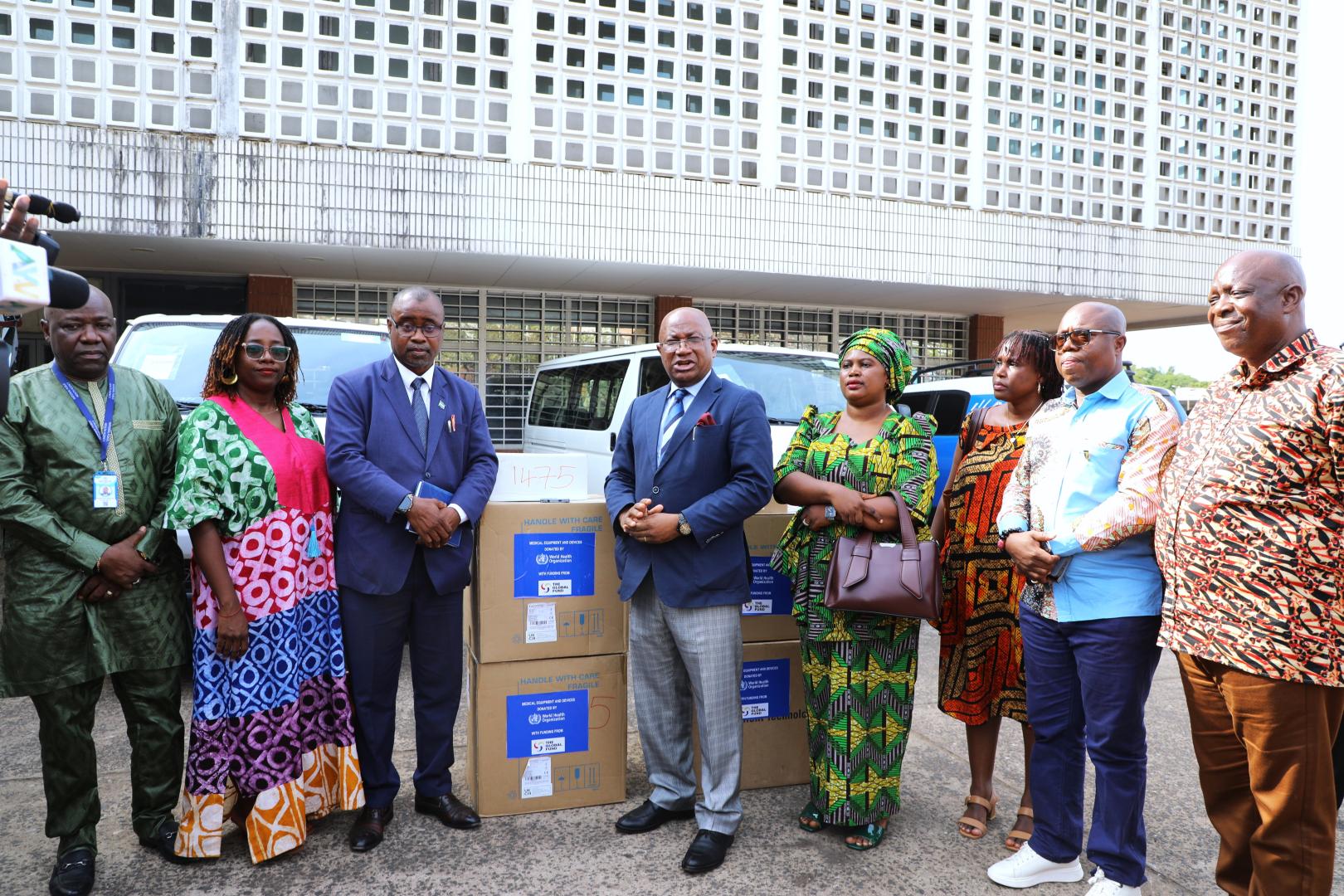
Freetown, Sierra Leone, April 2025 – The World Health Organization (WHO), with financial support from the Global Fund, has handed vital medical supplies and two brand-new Toyota minibuses to the Ministry of Health (MOH), Sierra Leone worth USD 432,000 to strengthen the country's health system's capacity. This donation forms part of the WHO's World Health Days celebrations that will run year long.
WHO Regional Director's visit to Ethiopia enhancing emergency preparedness and response
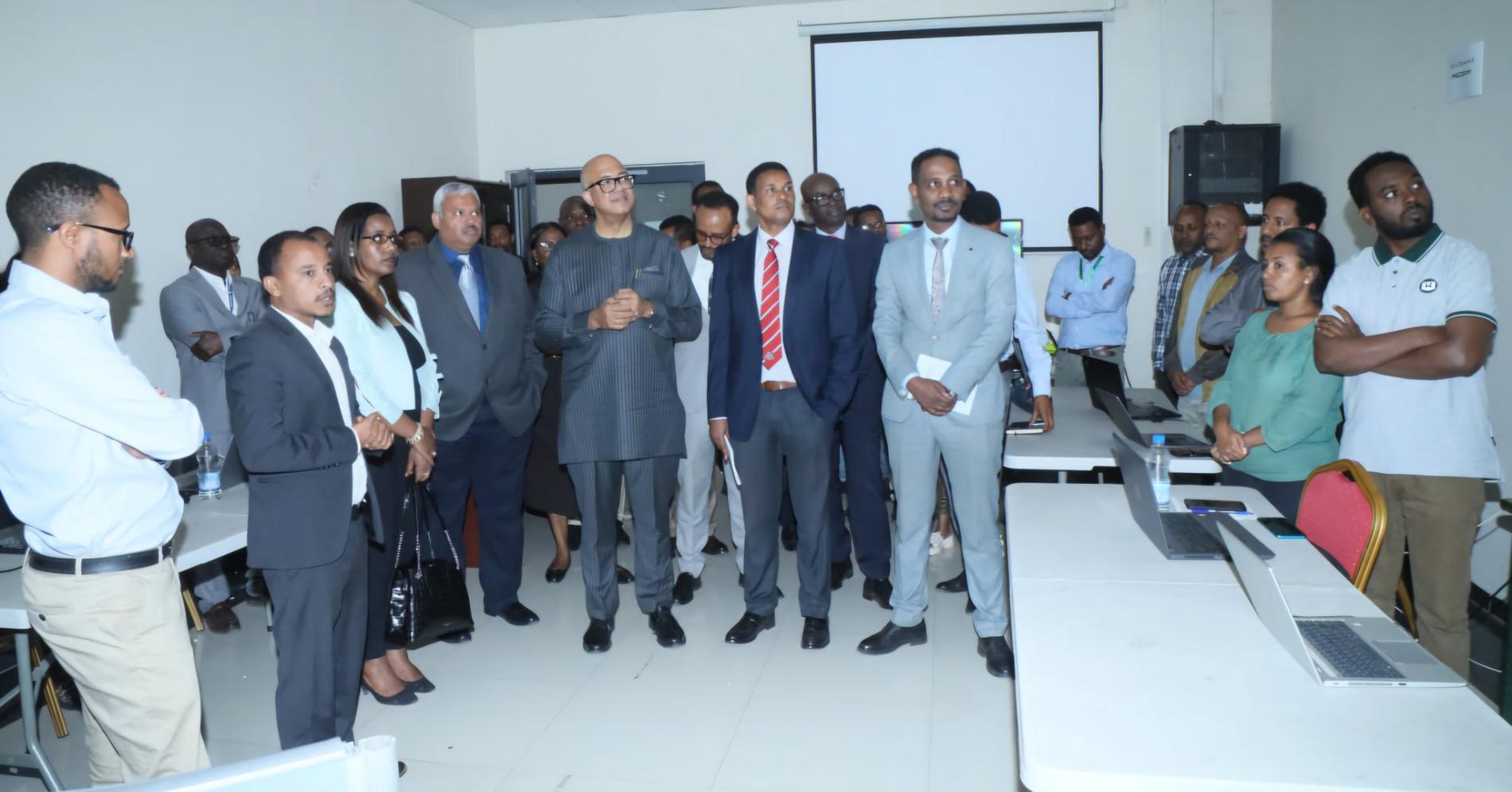
Emergency preparedness and response are critical for global health security in an era of increasing public health threats. From pandemics to natural disasters, African nations face complex health emergencies requiring swift and coordinated responses. Recognizing the urgency of strengthening health security, Dr. Chikwe Ihekweazu, Acting WHO Regional Director for Africa, and Dr. Abdou Salam, WHO Regional Emergency Director, conducted a high-level mission to Ethiopia from March 13 to 14, 2025.
Strengthening Healthcare Workforce for Triple Elimination: WHO Supports Training of Frontline Health Workers in Sierra Leone
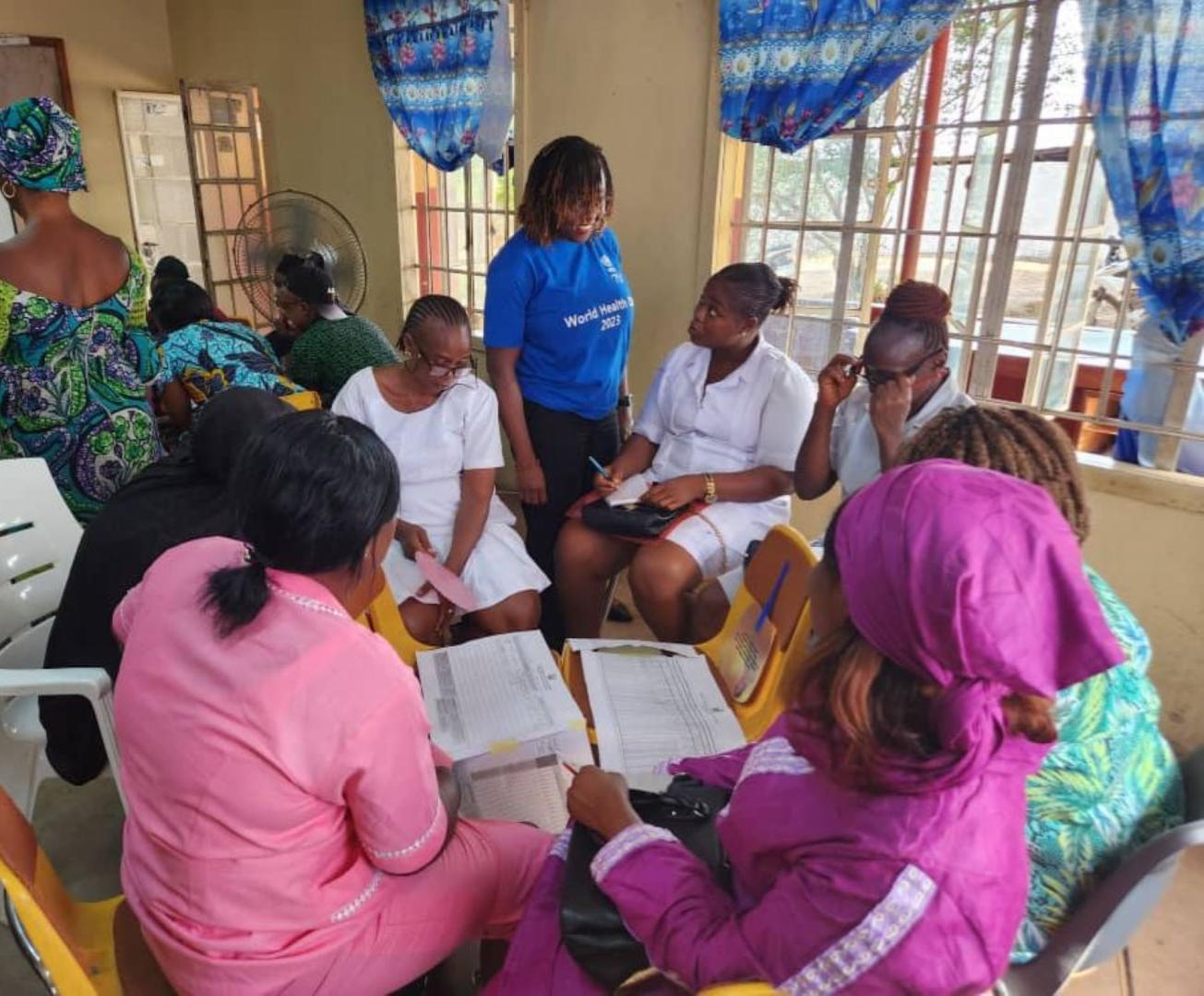
Sierra Leone – March 2025 – In a concerted effort to eliminate mother-to-child transmission of HIV, syphilis, and hepatitis B (Triple Elimination), Sierra Leone strengthened its healthcare workforce through targeted training of frontline health workers in Makeni and Bo. Held from March 10th to 14th, 2025, the training equipped healthcare providers with the knowledge and skills needed to deliver integrated EMTCT (Elimination of Mother-to-Child Transmission) services within maternal and child health (MCH) platforms.
New WHO Representative in Angola Presents Diplomatic Credentials
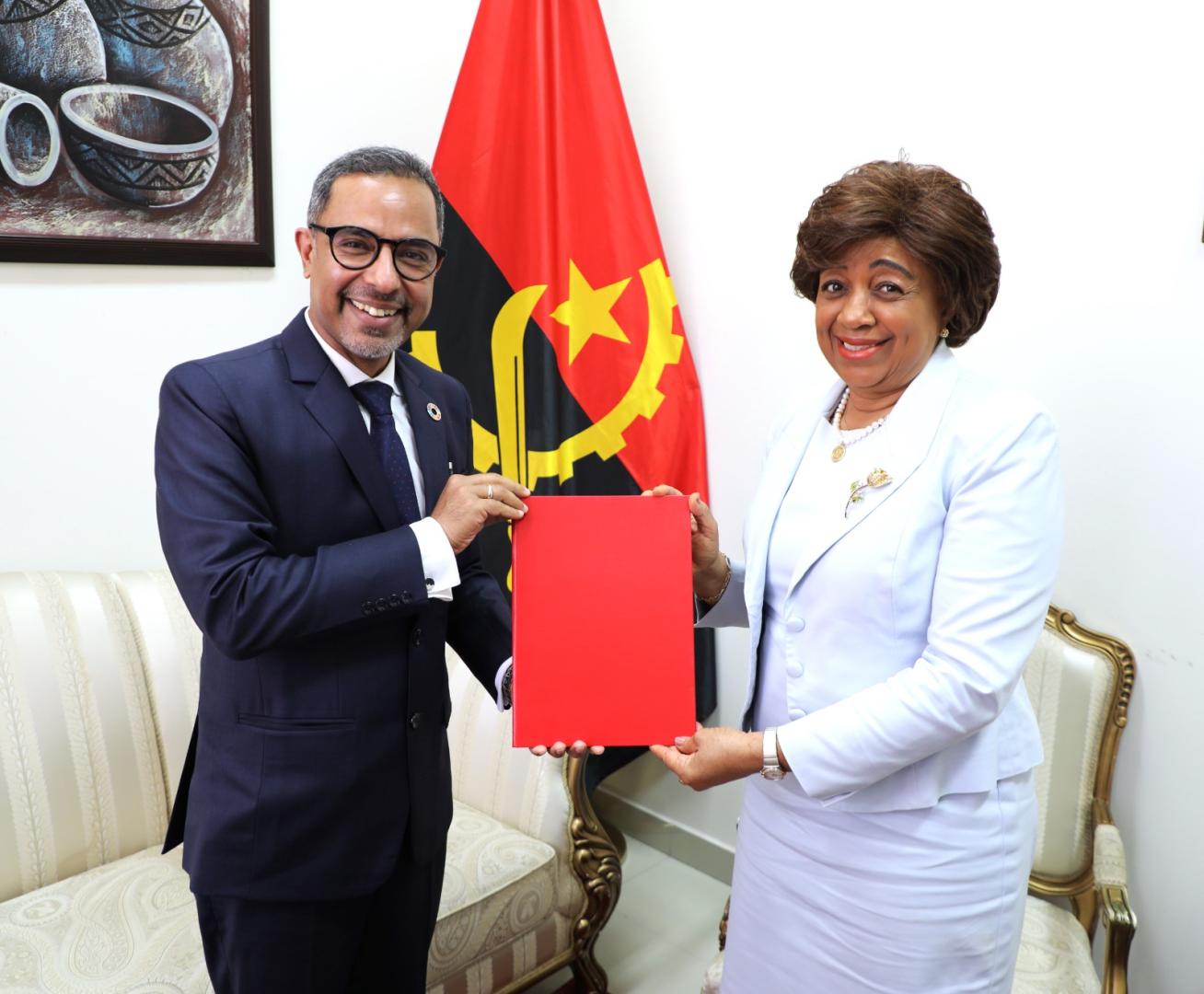
The World Health Organization (WHO) has announced the presentation of diplomatic credentials by Dr. Indrajit Hazarika, the newly appointed WHO Representative in Angola. Dr. Hazarika brings a wealth of experience in global health, strategic planning, and health system transformation, having previously held various positions at WHO and other international health organizations.
Uganda launches largest malaria vaccine introduction to date
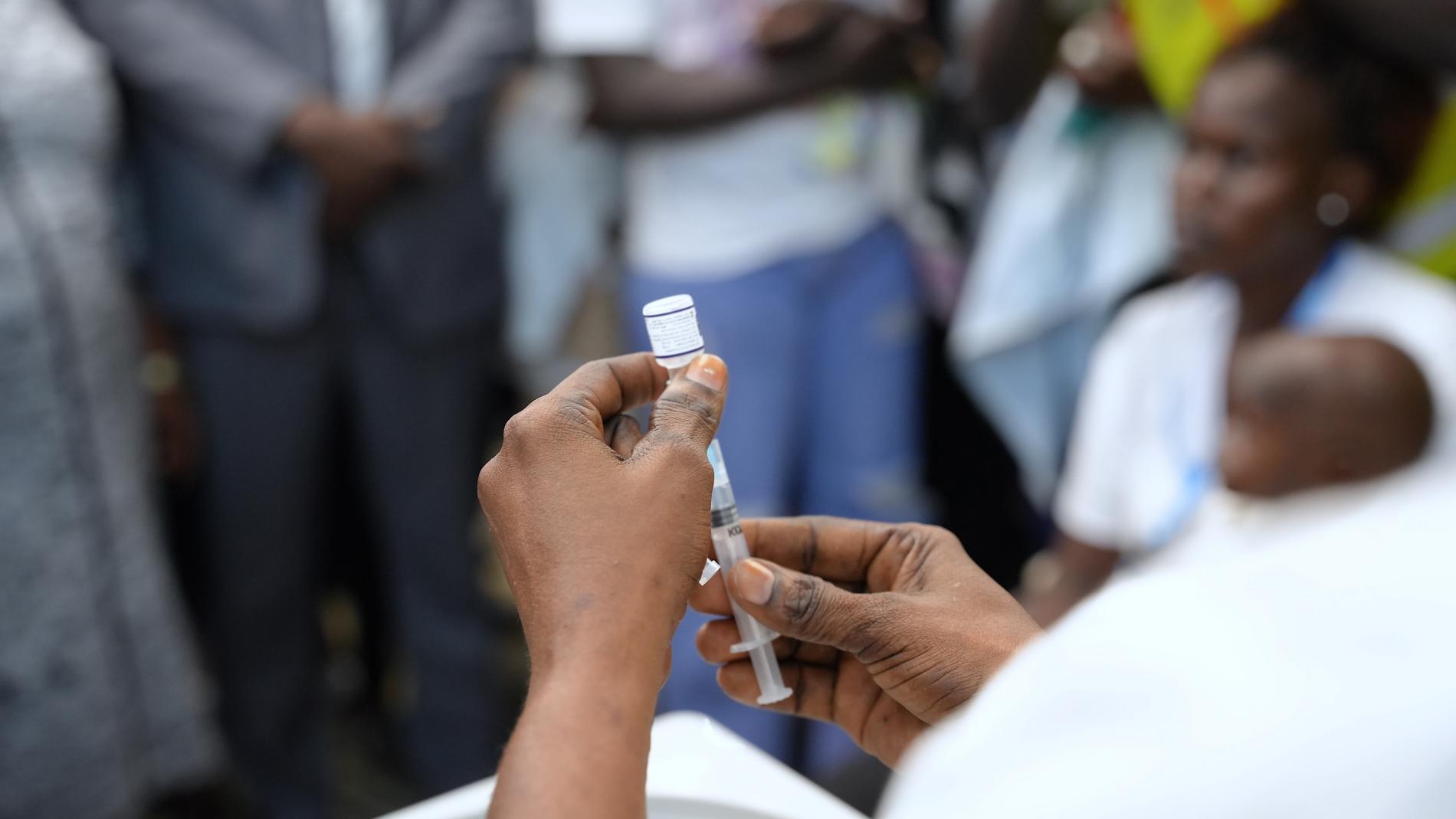
Apac, Uganda – Today, Uganda’s Ministry of Health, with support from Gavi, the Vaccine Alliance (Gavi) and alliance partners, UNICEF, the World Health Organization (WHO), PATH and CHAI rolled out a malaria vaccination campaign in Apac District, northern Uganda. This makes Uganda the 19th country in Africa to introduce the malaria vaccine into routine immunisation and it is the largest vaccine rollout to date in terms of target districts and population.
Uganda’s bold step towards a healthier future through malaria vaccine roll-out
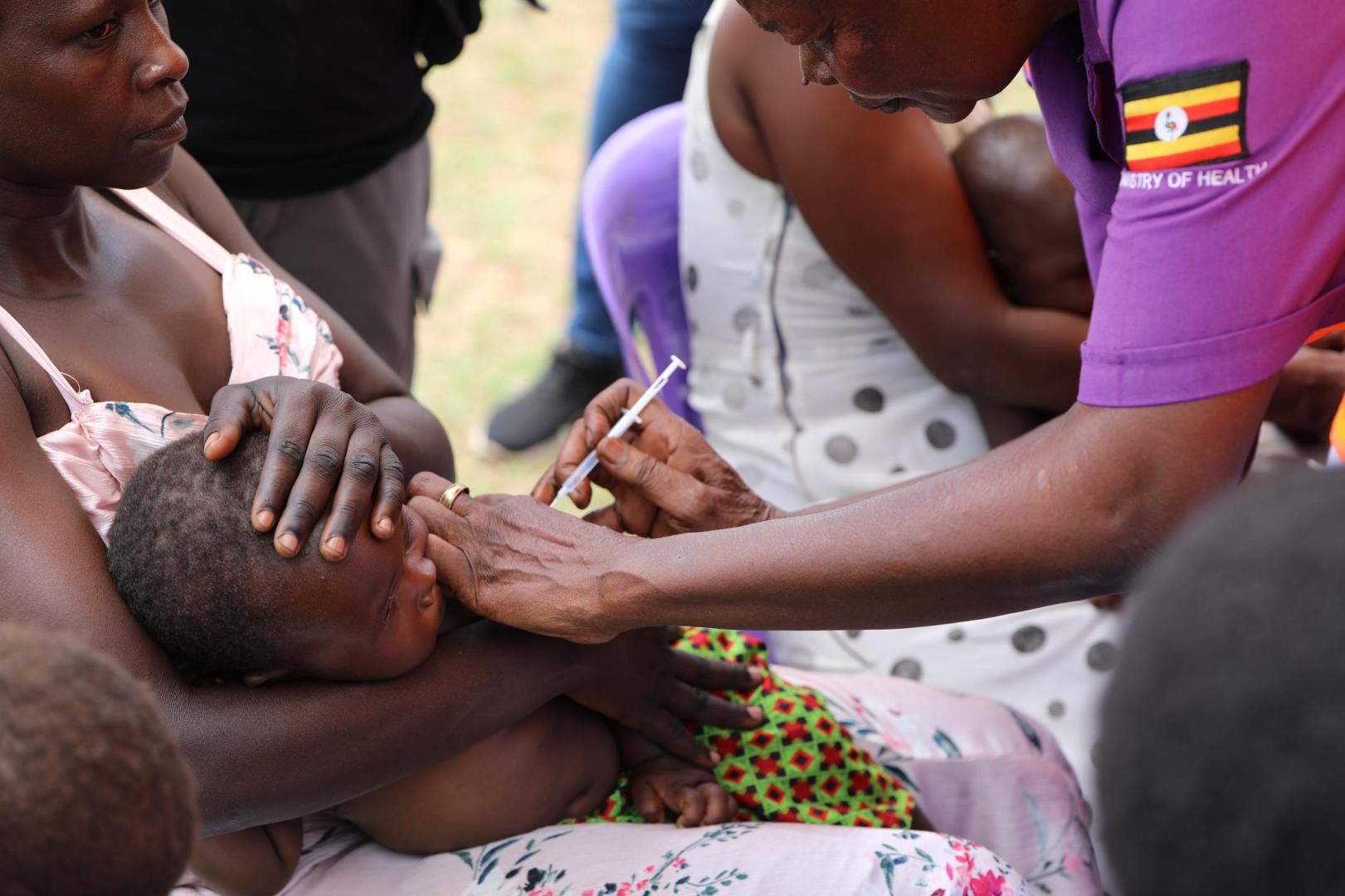
Today marks a pivotal moment in Uganda's battle against malaria, offering hope to families across the country irrespective of where they live. The official rollout of the R21 matrix M malaria vaccine signals a major leap in protecting children from one of Africa's deadliest diseases. By integrating the vaccine into Uganda’s routine immunization program, this achievement lays the foundation for a healthier future for generations to come.
Election of new WHO Regional Director for Africa: candidates’ forum
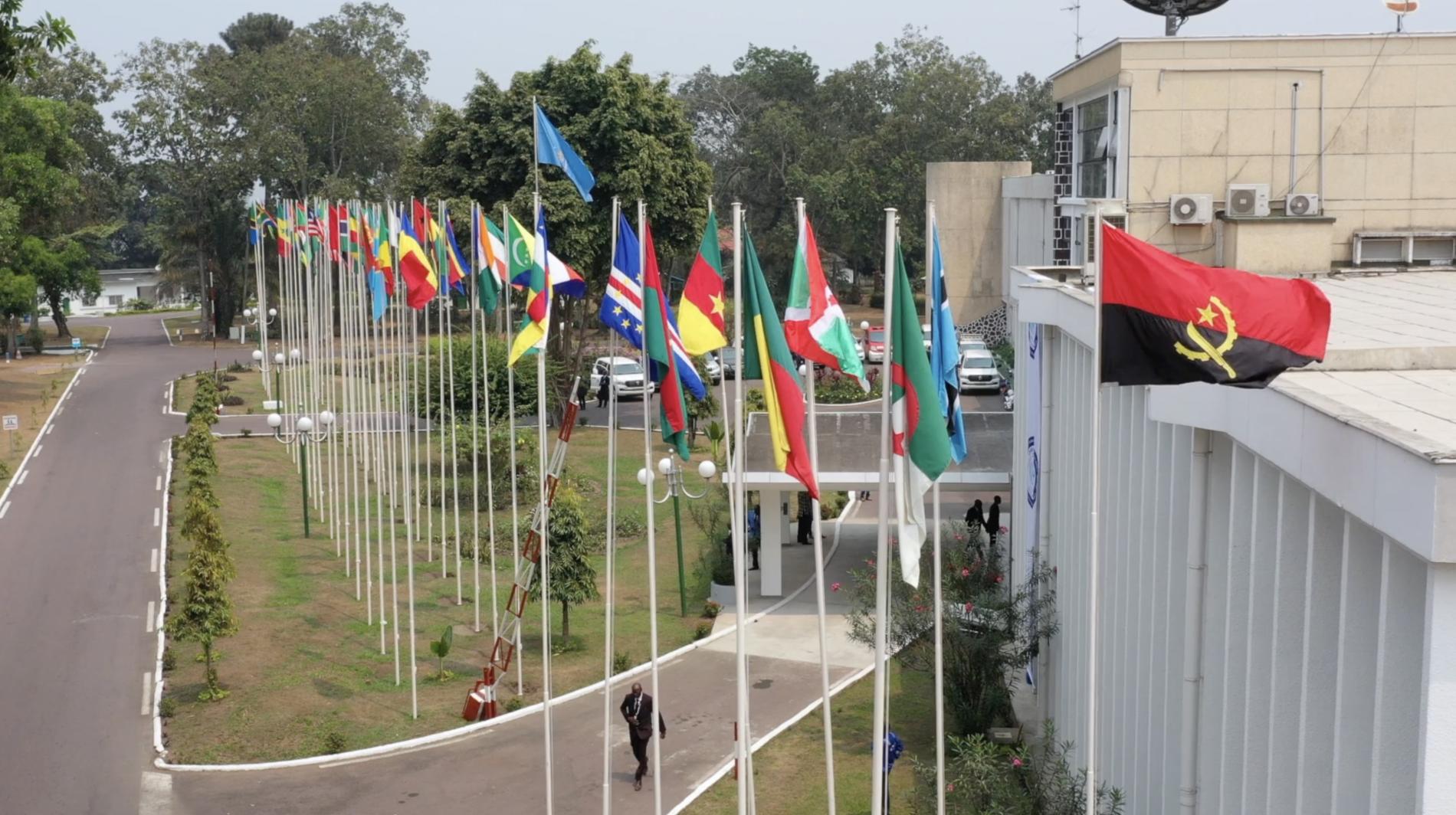
Angola Reinforces Commitment to Maternal and Child Health
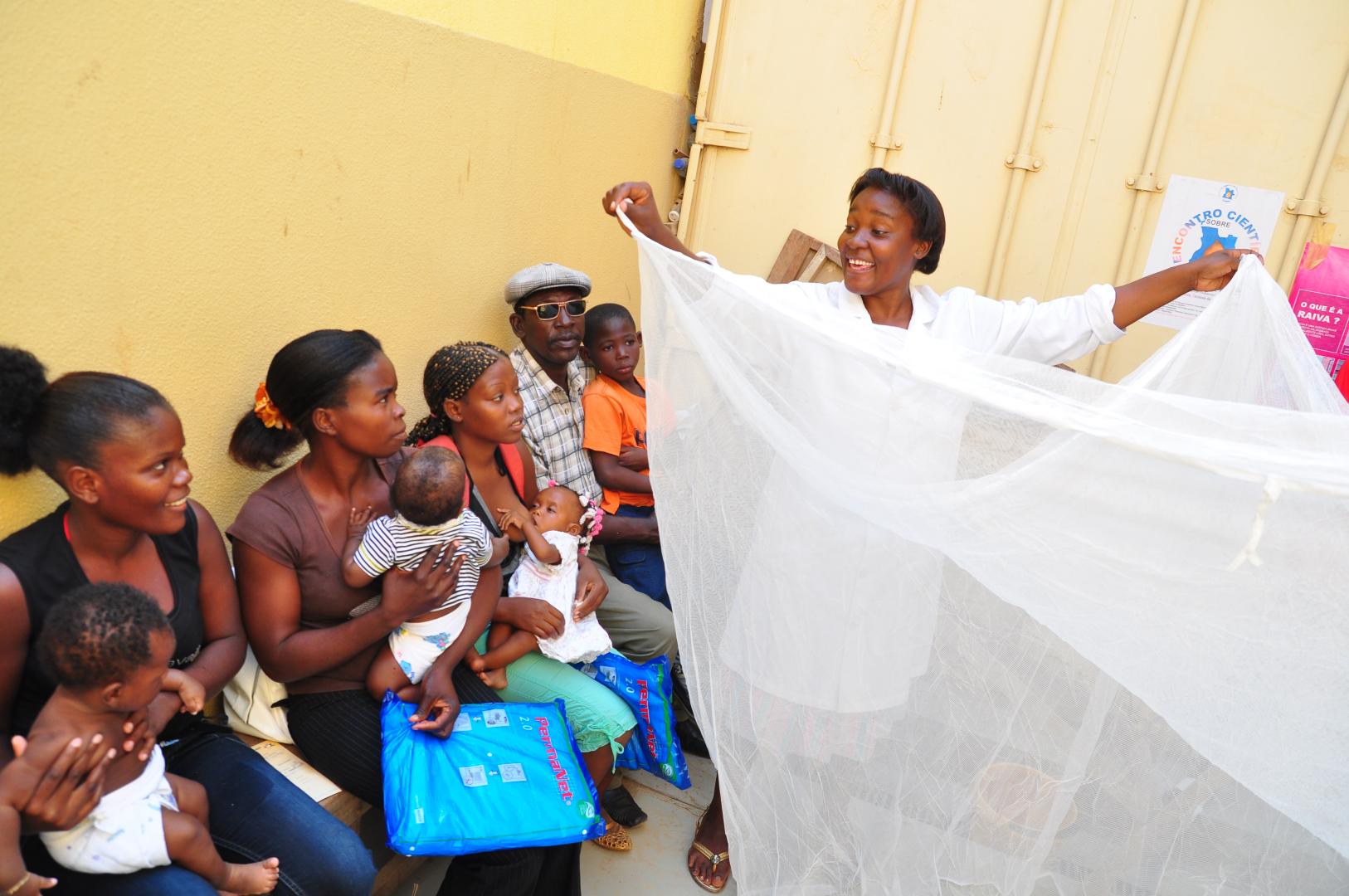
The health of women, children, and adolescents is a cornerstone of Angola’s national priorities, enshrined in the Constitution of the Republic of Angola. In a significant move to bolster this commitment, the Angolan government, with the support of the World Health Organization (WHO) and other partners, has updated and validated the Integrated Strategic Plan for Sexual Reproductive, Maternal, Neonatal, Child, Adolescent, and Nutrition Health (SRMNIA-N).

Newsletter
Sign up to our newsletter
Stay informed and sign up for WHO Mozambique’s quarterly newsletter to explore the dedicated and comprehensive efforts made each quarter to strengthen the country’s health sector. Don’t miss out—subscribe today!