Tanzania Celebrates Health Milestones on World Health Day 2025
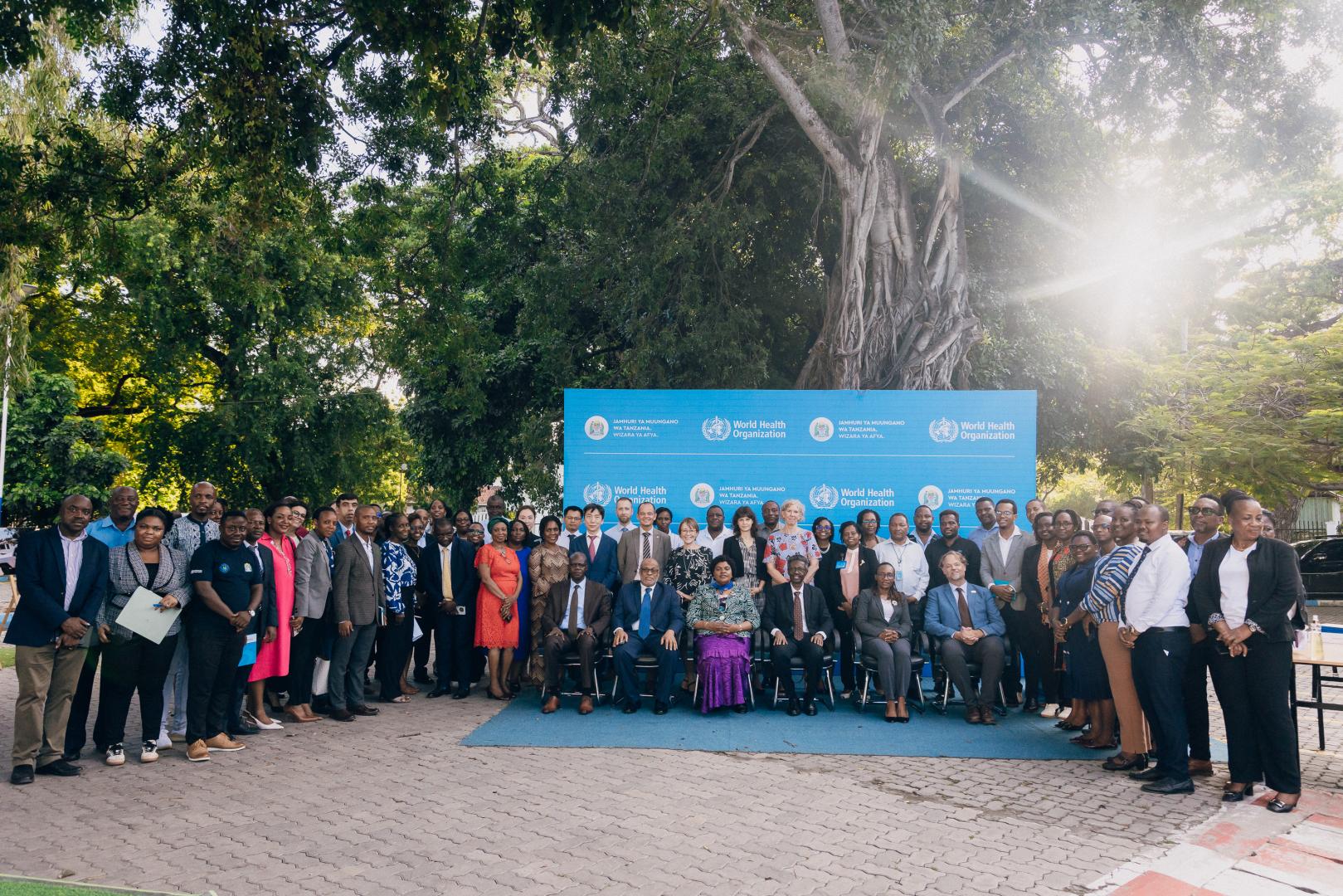
Dar es Salaam: Tanzania commemorated World Health Day 2025 with a vibrant national event themed “Let’s Talk Health”, spotlighting the country’s progress in public health and reaffirming commitments to inclusive, sustainable health for all.
Every death counts: Sierra Leone commits to maternal and child health
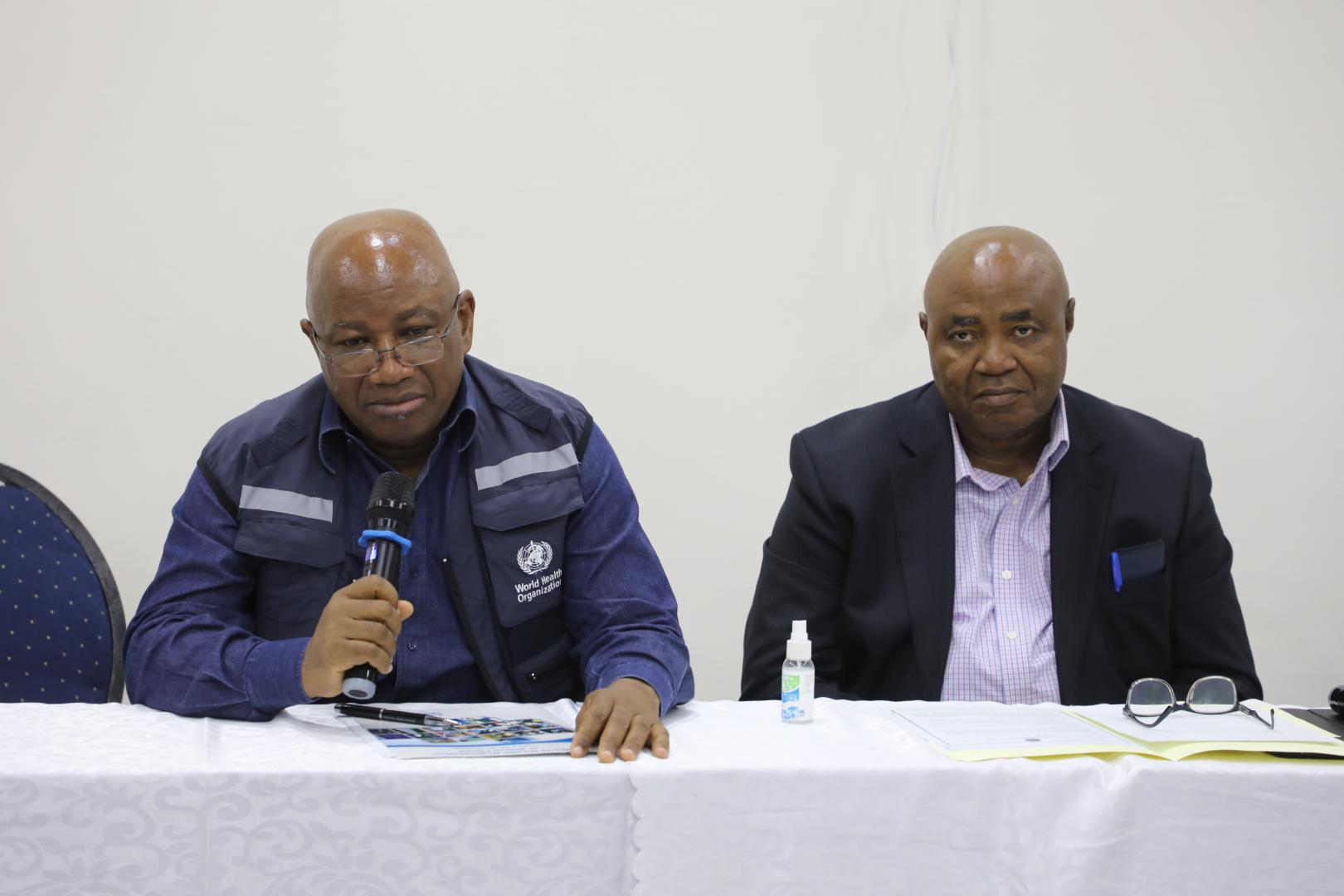
Freetown, Sierra Leone – April 2025 – As part of World Health Day 2025 commemorations, the Ministry of Health and Sanitation (MoHS), with support from the World Health Organization (WHO), convened a high-level National Maternal and Perinatal Death Surveillance and Response (MPDSR) Steering Committee meeting under the theme “Healthy Beginnings, Hopeful Futures.” The national sub-theme “Tackling the Public Health Emergency of Preventable Maternal and Child Mortality” reflects Sierra Leone’s renewed efforts to reduce maternal and neonatal deaths.
Liberia marks World Health Day with a renewed commitment to maternal and newborn health
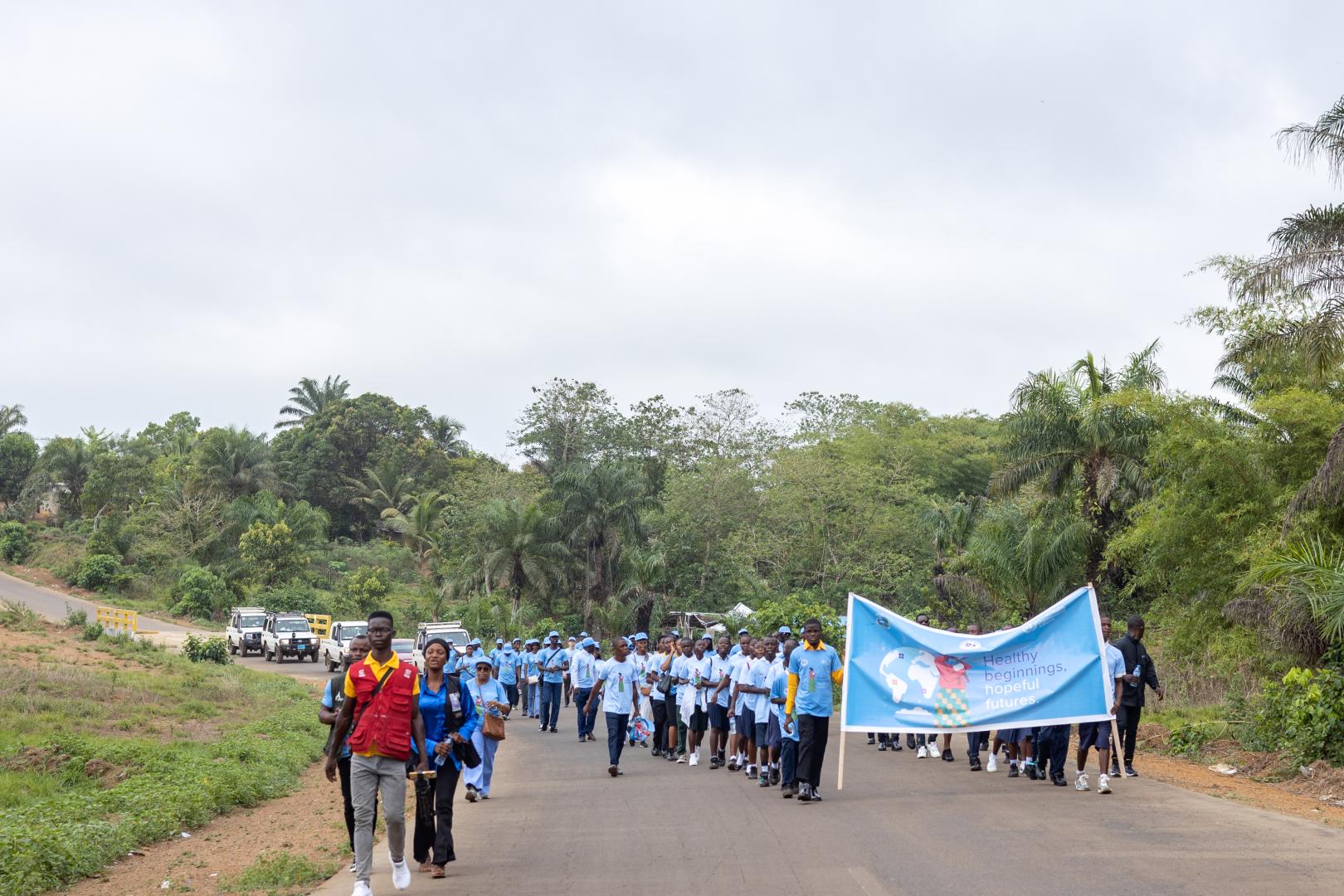
Every year, Liberia joins the rest of the world on April 7th to commemorate World Health Day, which marks the anniversary of the founding of the World Health Organization (WHO) and serves as an opportunity to raise awareness on pressing health issues. Under the theme “Healthy beginnings, Hopeful futures”, the national observance took place in Bentol City, Montserrado County, bringing together government officials, international partners, health professionals, students and community members to advocate for investment and collective action in maternal and newborn health.
Africa faces critical shortage of oral health workers amid rising disease burden

Brazzaville – Africa faces a chronic shortage of oral health workers due to underinvestment, leaving millions of people without adequate care and vulnerable to preventable oral diseases, according to a World Health Organization (WHO) workforce fact sheet on oral health released today.
The Ebola outbreak in Uganda demonstrates WHO’s value in disease outbreaks
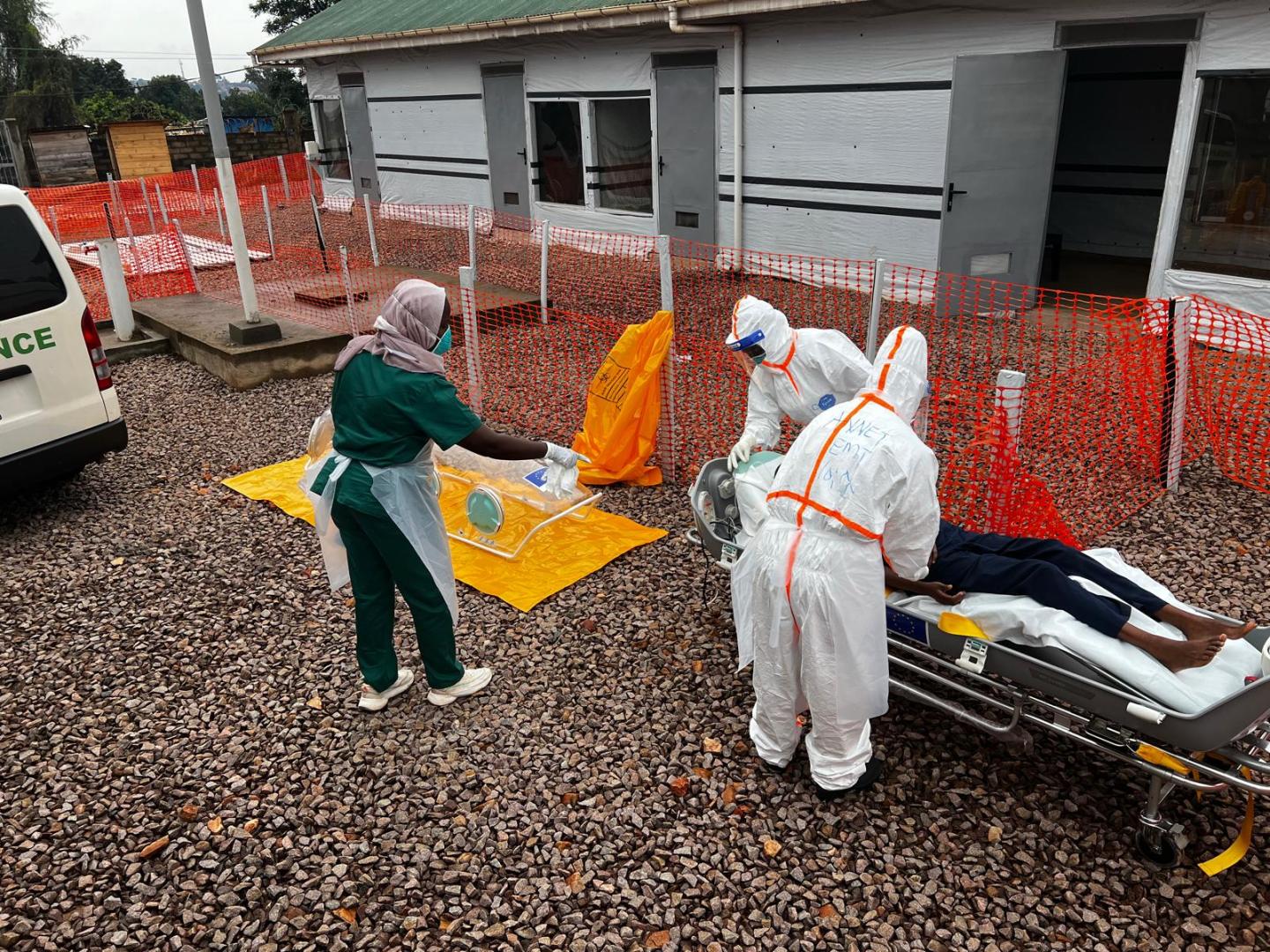
Disease outbreaks in Uganda are not a new phenomenon, with diseases of epidemic potential reported almost every year. From Ebola, Marburg, yellow fever, measles and cholera, to mention a few, the country has seen them all and, in the process, built a resilient health system capable of detecting and containing them in record time.
Southern African countries launch climate-resilient health initiative with WHO support
"Healthy Beginnings, Hopeful Futures"- Sierra Leone joins the Global community to commemorate 2025 World Health Day
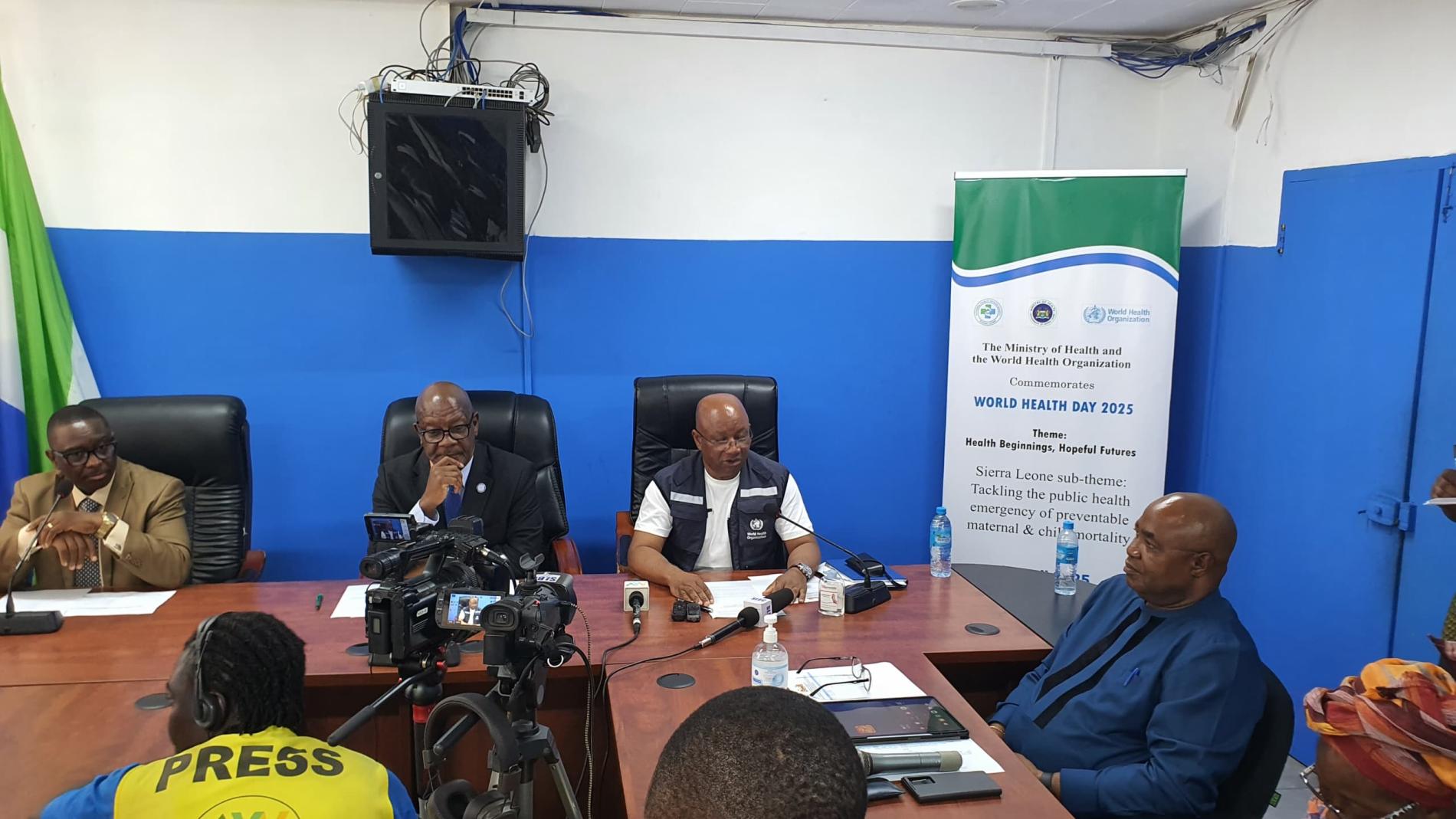
Freetown, 7 April 2025 – The World Health Organization (WHO), in collaboration with the Ministry of Health Sierra Leone, joined the global community to commemorate World Health Day 2025 under the theme: "Healthy Beginnings, Hopeful Futures a Call to Action to strengthen systems and partnerships that ensure every woman and newborn survives and thrives.
Ireland supports WHO’s Ebola response efforts in Uganda
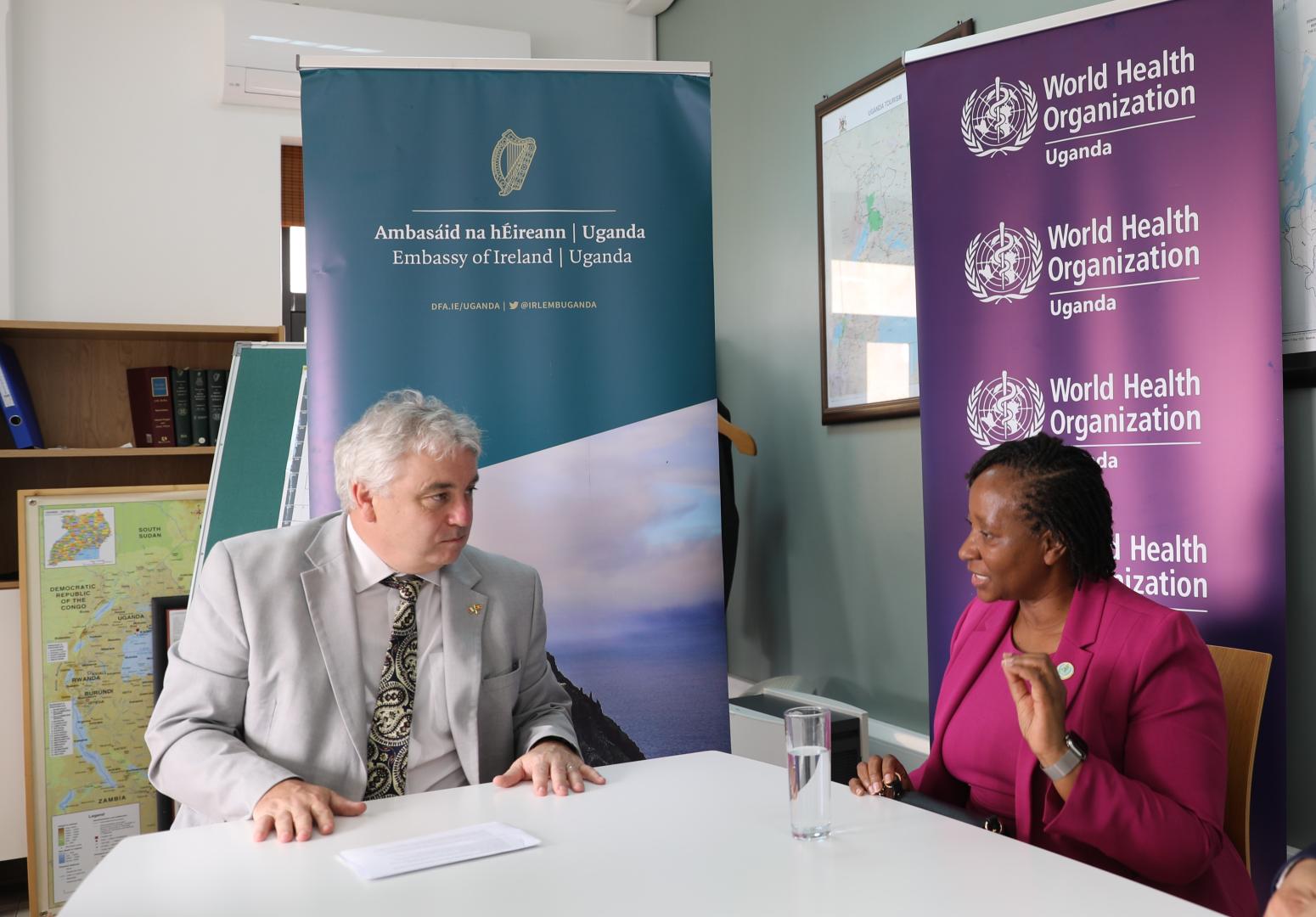
Kampala, Uganda. Ireland’s Minister for International Development and Diaspora, Neale Richmond TD, has announced €1 million contribution to support the World Health Organization (WHO)-led efforts to tackle the outbreak of the Sudan virus disease (SVD) as part of the UN Uganda Emergency Appeal. This will be used to support surveillance, infection prevention and control, and risk communication for communities. This collaboration will help to strengthen the government national response capacity and ensure a timely end to the outbreak.
WHO facilitates effective coordination in Uganda’s Ebola response
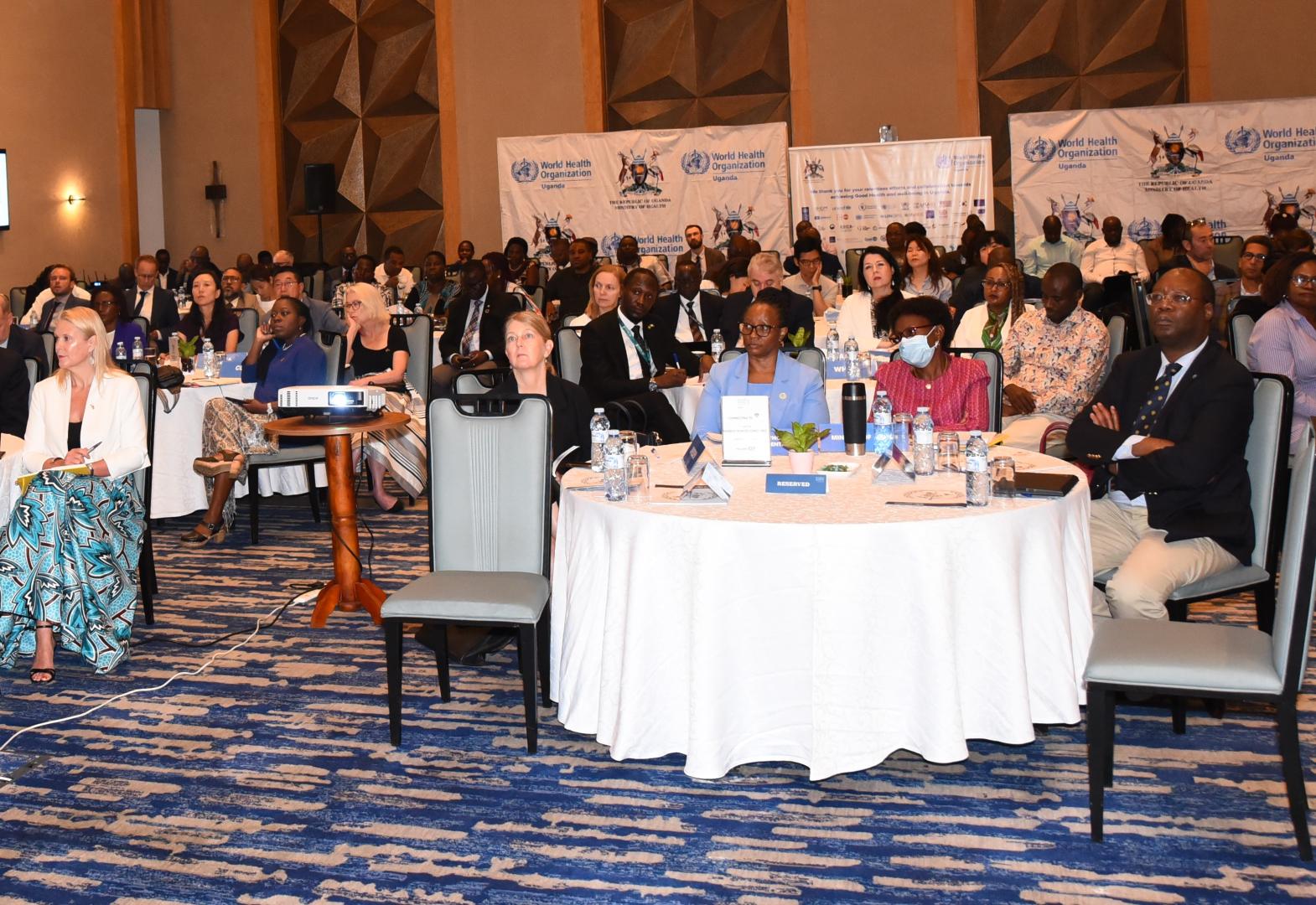
One of the cornerstones of a successful response system to a disease outbreak such as the Sudan virus disease (SVD) is the effective coordination of partners. For this reason, this role is usually the preserve of the Ministry of Health (MoH), closely supported by the World Health Organization (WHO) as co-chair.
World Health Day 2025: Healthy Beginnings, Hopeful Futures
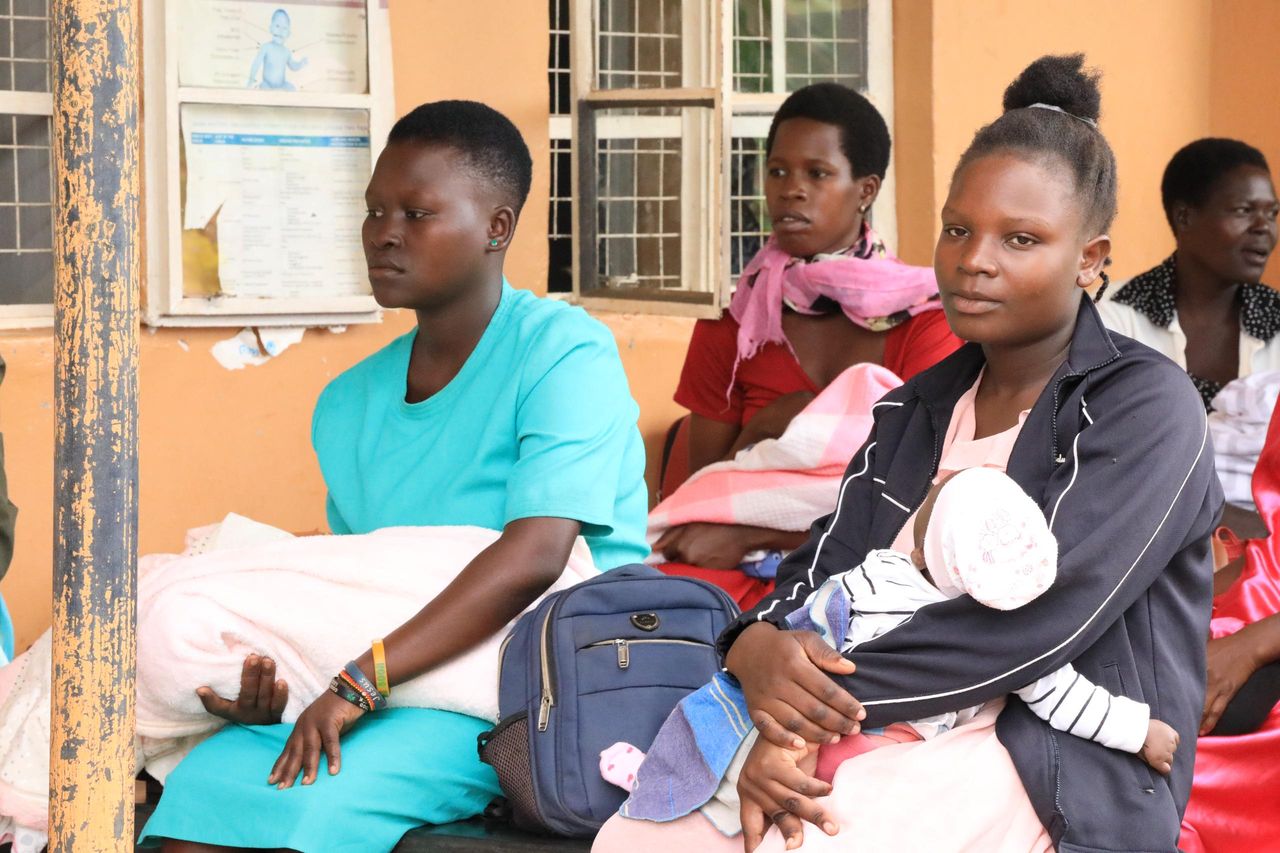
On World Health Day, the World Health Organization (WHO) calls for urgent action to end preventable maternal and newborn deaths and ensure that every mother and baby not only survive but thrive. This year’s theme, Healthy Beginnings, Hopeful Futures, is a reminder that health starts at birth and must be protected throughout life.