Zeroing in on purposive targeting in oral cholera vaccination campaign
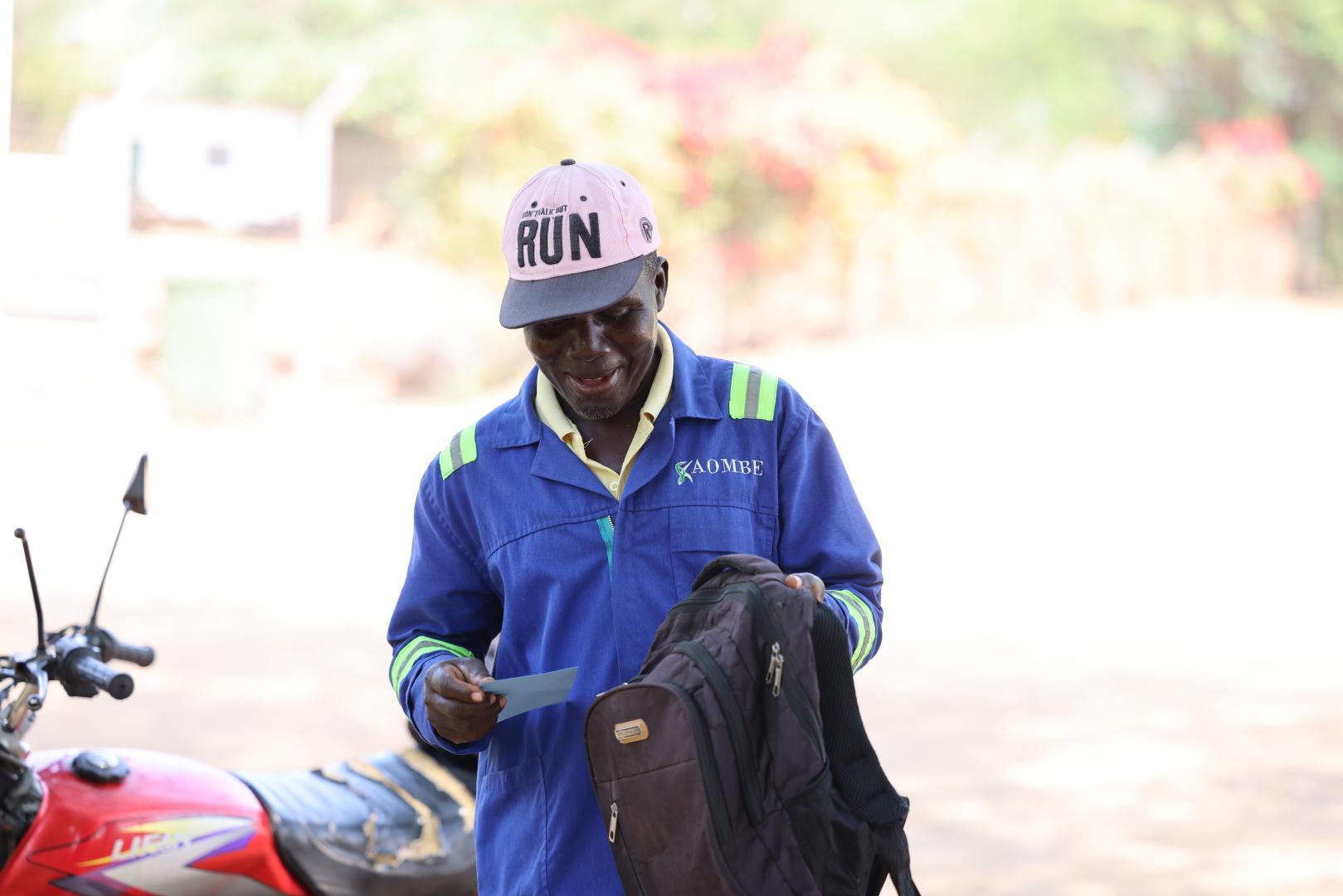
In the midst of a raging cholera outbreak in Sorgin, Nsanje, Kaombe Sugar Company finds itself at the epicenter of a public health crisis. Field workers, including long-time employee Michael Kajobe, face dire sanitation challenges as the absence of toilets and water washing mechanisms in sugarcane plantations forces them to resort to unhygienic practices.
20 years of celebrating giving: Thank you, blood donors
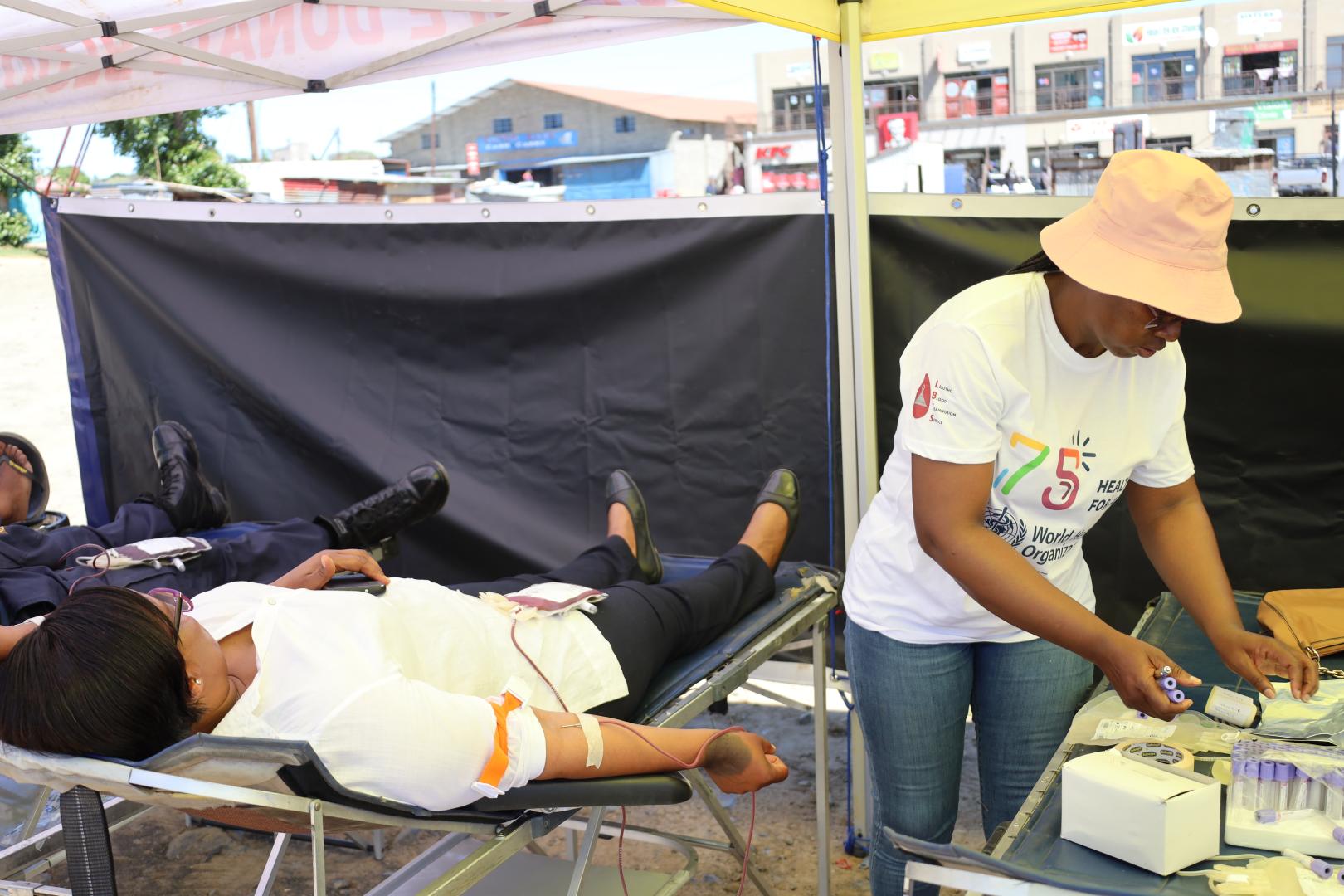
Message of the Regional Director, Dr Matshidiso Moeti, on World Blood Donor Day
Maseru-Blood transfusion plays a critical role in the provision of lifesaving health care. Vulnerable people, such as mothers during childbirth, under-nourished and malaria-affected children, victims of trauma and accidents, and patients suffering from sickle cell and other chronic diseases, particularly benefit from this care1.
Donating blood saves lives!
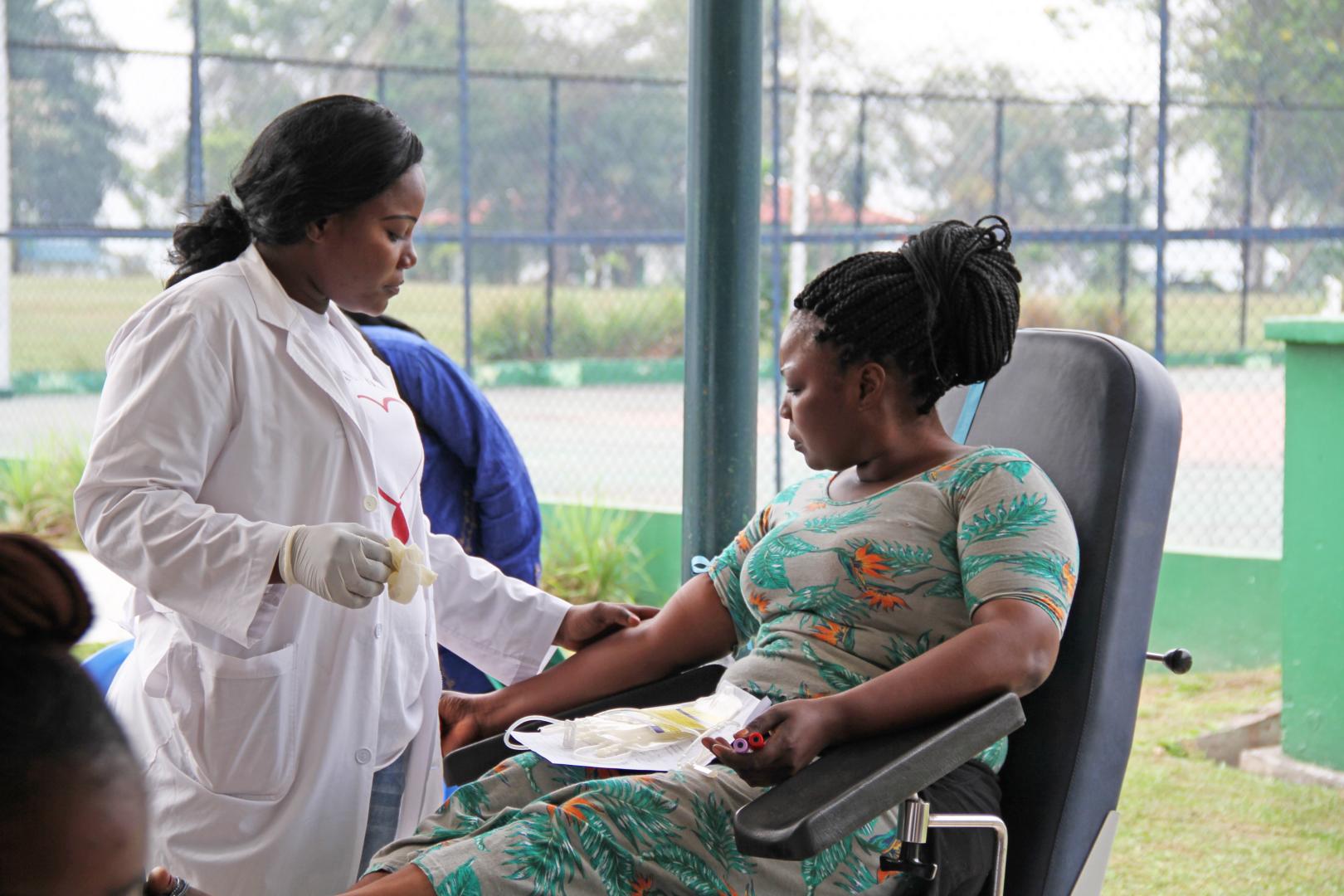
World Blood Donor Day is celebrated every year on 24 June. This year's theme is "20 years of celebrating donation: thank you, blood donors!". The 20th anniversary of World Blood Donor Day is an excellent occasion to thank blood donors worldwide for their life-saving donations over the years and to review the situation of transfusions and access to them worldwide, taking into account the reality of countries and their populations.
African health leaders begin work on roadmap to reshape global health financing on the continent
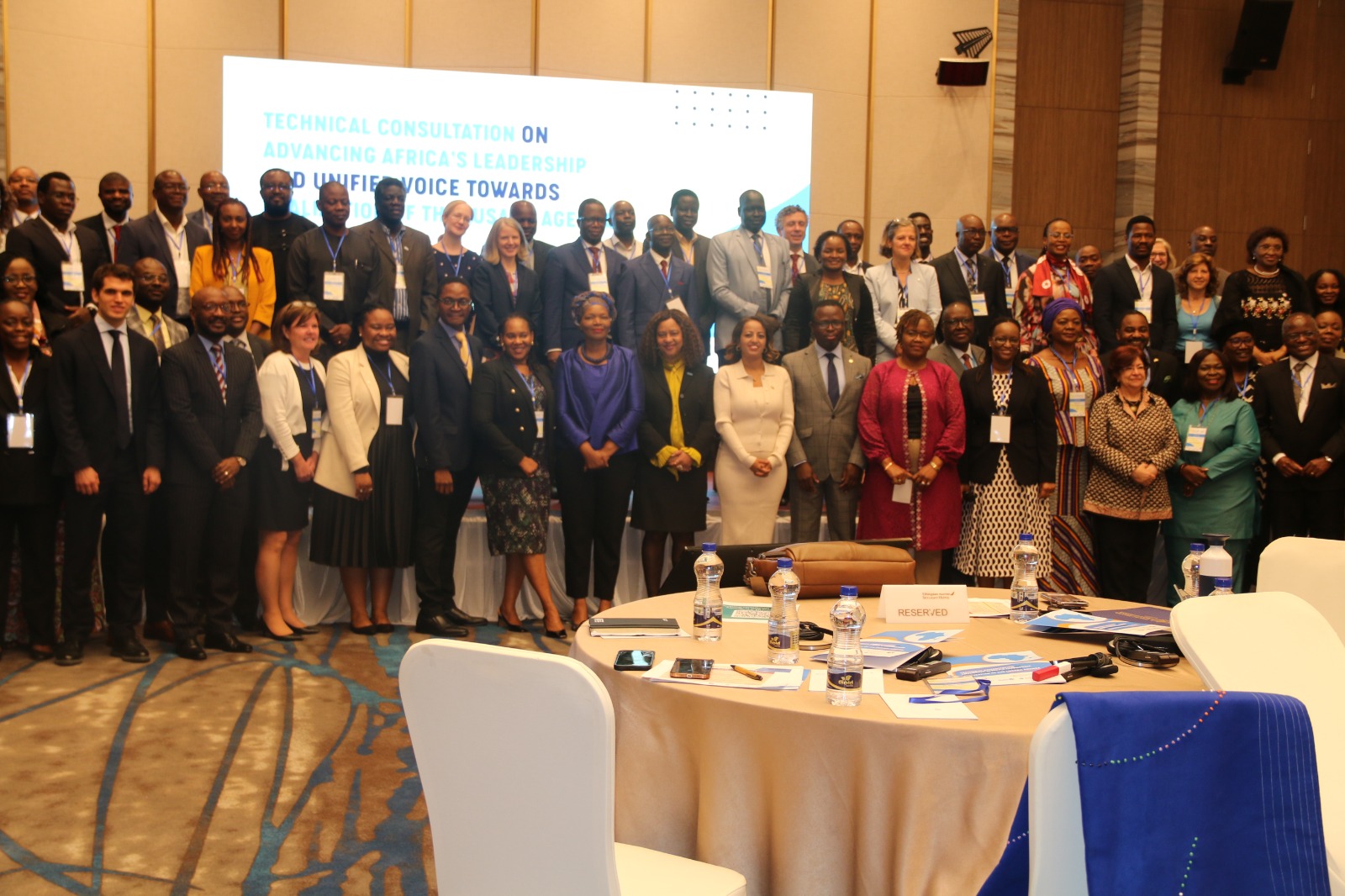
Mitigating the risk of cervical cancer with HPV vaccine in Borno and Yobe States, Nigeria

Mitigating the risk of cervical cancer with HPV vaccine in Borno and Yobe States, Nigeria
With over 660 000 cases of cervical cancer reported globally and around 350 000 deaths recorded among women as of 2022 cervical cancer remains the second leading cause of cancer among women in Nigeria, and fourth globally indicating, at least 95% of cases are caused by Human papillomavirus (HPV) infection.
This startling statistic reflects major inequities driven by a lack of access to national HPV vaccination, intensified awareness, cervical screening, and treatment services.
New framework launched to eliminate visceral leishmaniasis in eastern Africa
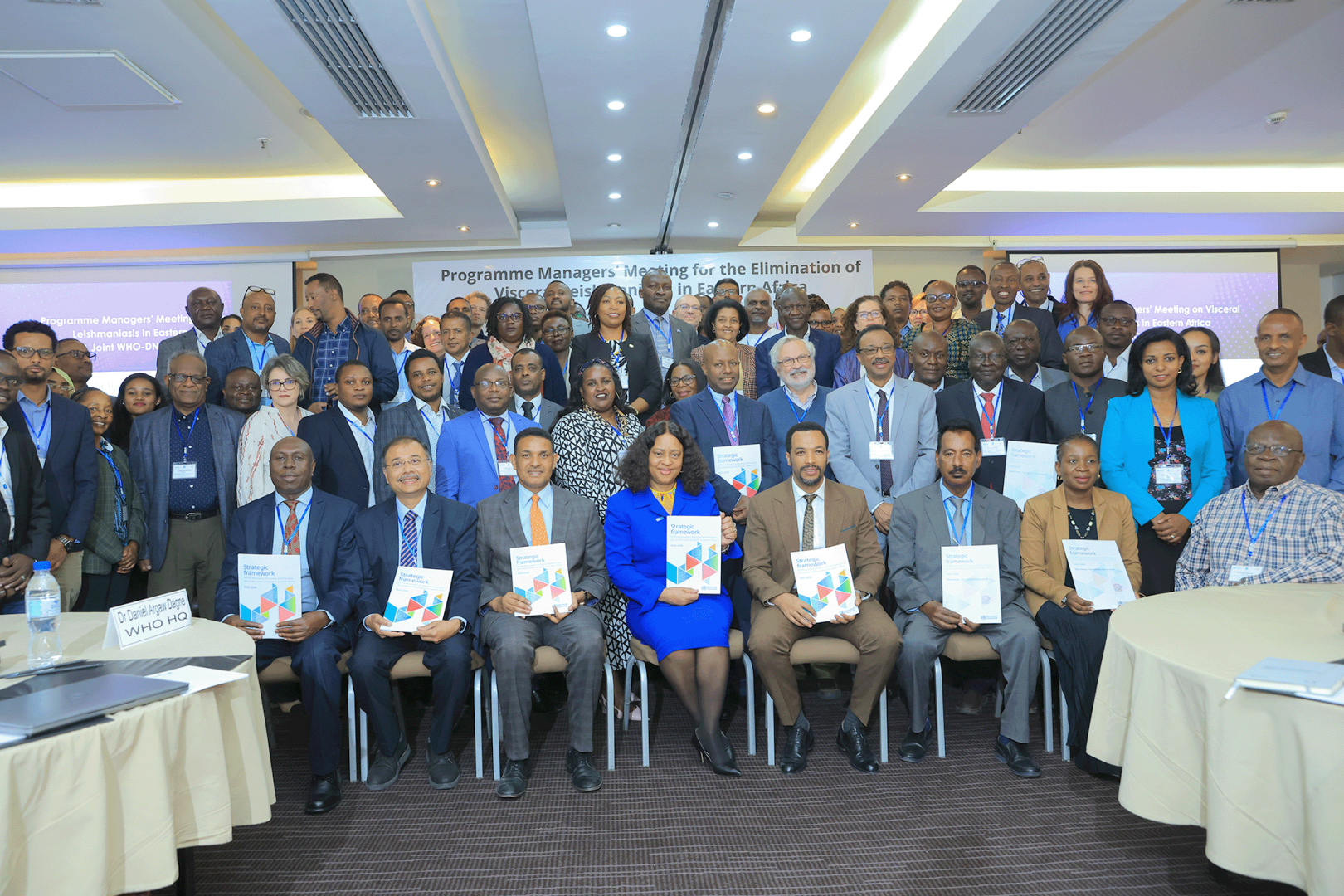
A new, comprehensive framework has been launched to guide health authorities, policy-makers and other stakeholders towards elimination of visceral leishmaniasis (VL) as a public health problem in eastern Africa.
Also known as kala-azar, VL is a deadly parasitic disease that causes fever, weight loss, spleen and liver enlargement, and – if untreated – death. Transmitted by the bite of infected female sandflies, VL is endemic in 80 countries around the world. In 2022, eastern Africa accounted for 73% of global VL cases, half of which occurred in children aged under 15 years.
Strengthening Partnerships to End AIDS in Children

Angola is facing a generalised epidemic of the Human Immunodeficiency Virus (HIV), with sexual transmission being the main form of spread. According to the Multiple Health Indicator Survey, the prevalence rate in the general population aged 15 to 49 is 2 per cent higher in women than in men.
MPOX PRESS STATEMENT
Mbabane- The Ministry of Health in Eswatini has heightened its emergency management systems in response to the escalating Mpox cases in neighboring South Africa. Given Eswatini’s geographical proximity and frequent cross-border movement with South Africa, the potential for disease transmission is high.
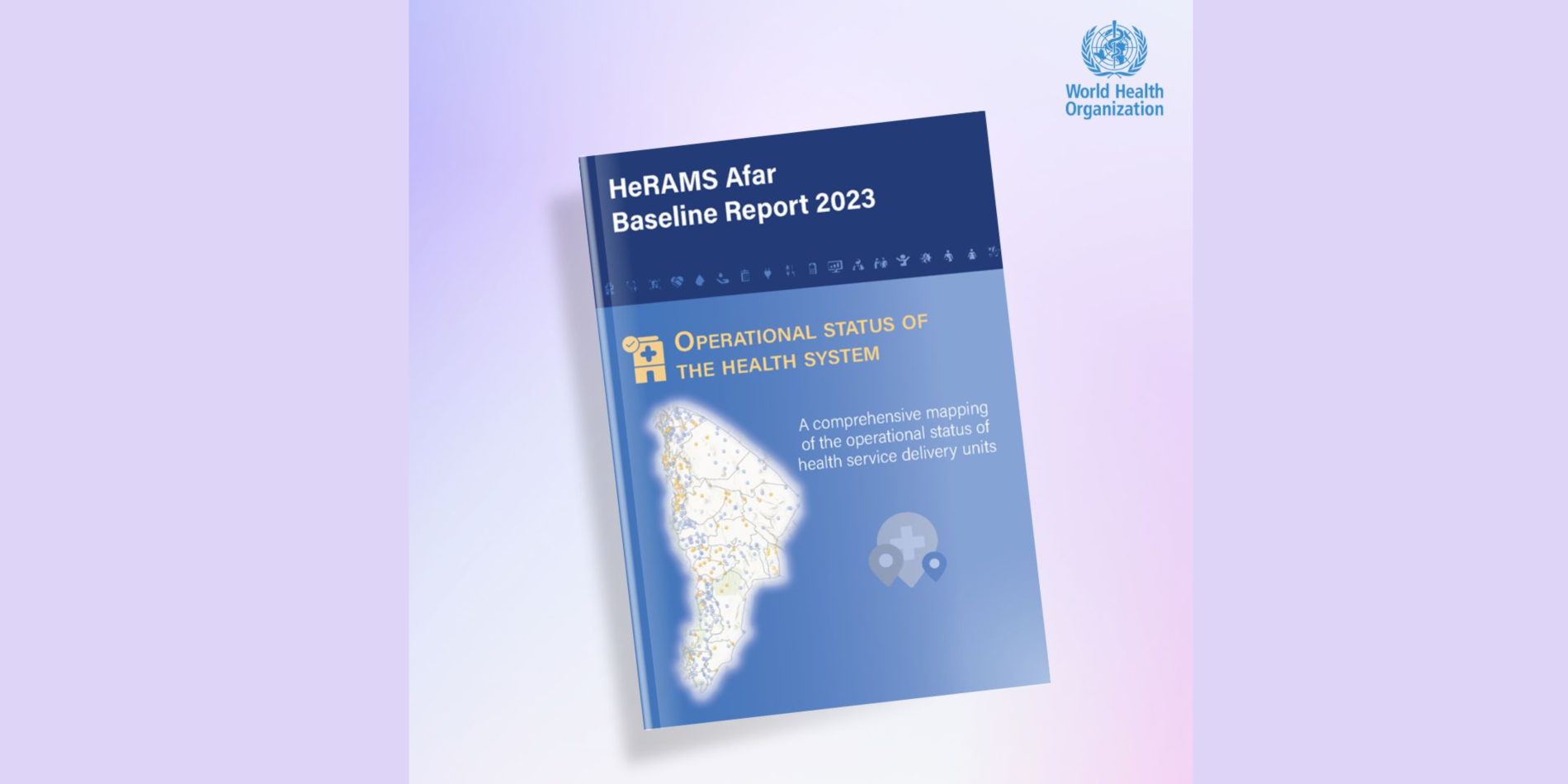
HeRAMS Afar Baseline Report 2023: Operational status of the health system
Overview
The Health Resources and Services Availability Monitoring System (HeRAMS) aims to provide decision-makers and health stakeholders at large with vital and up-to-date information on the availability of essential health resources and services, help them identify gaps, and determine priorities for intervention.
WHO's Ongoing Support Paves the Way for The Gambia's First National Cancer Control Strategy
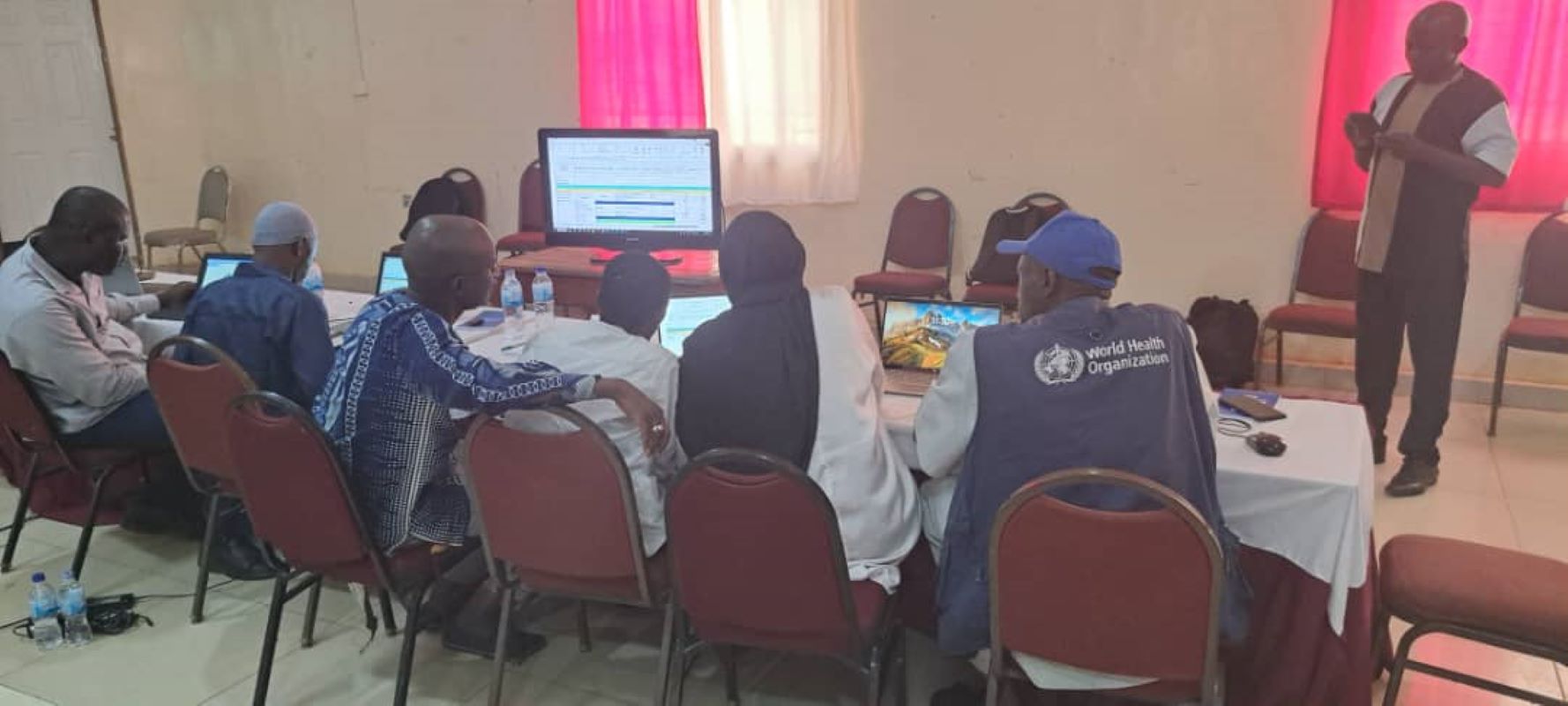
Tendaba, The Gambia - In a concerted effort to address the rising tide of cancer cases in The Gambia, the World Health Organization (WHO) is spearheading a landmark initiative to develop the nation's maiden cancer control strategy. Amidst this endeavor, a pivotal four-day meeting of experts is currently underway at Tendaba Camp in the Lower Region, marking a crucial milestone in The Gambia's fight against cancer.