Strengthening Surveillance to Maintain Namibia’s Polio-Free Status
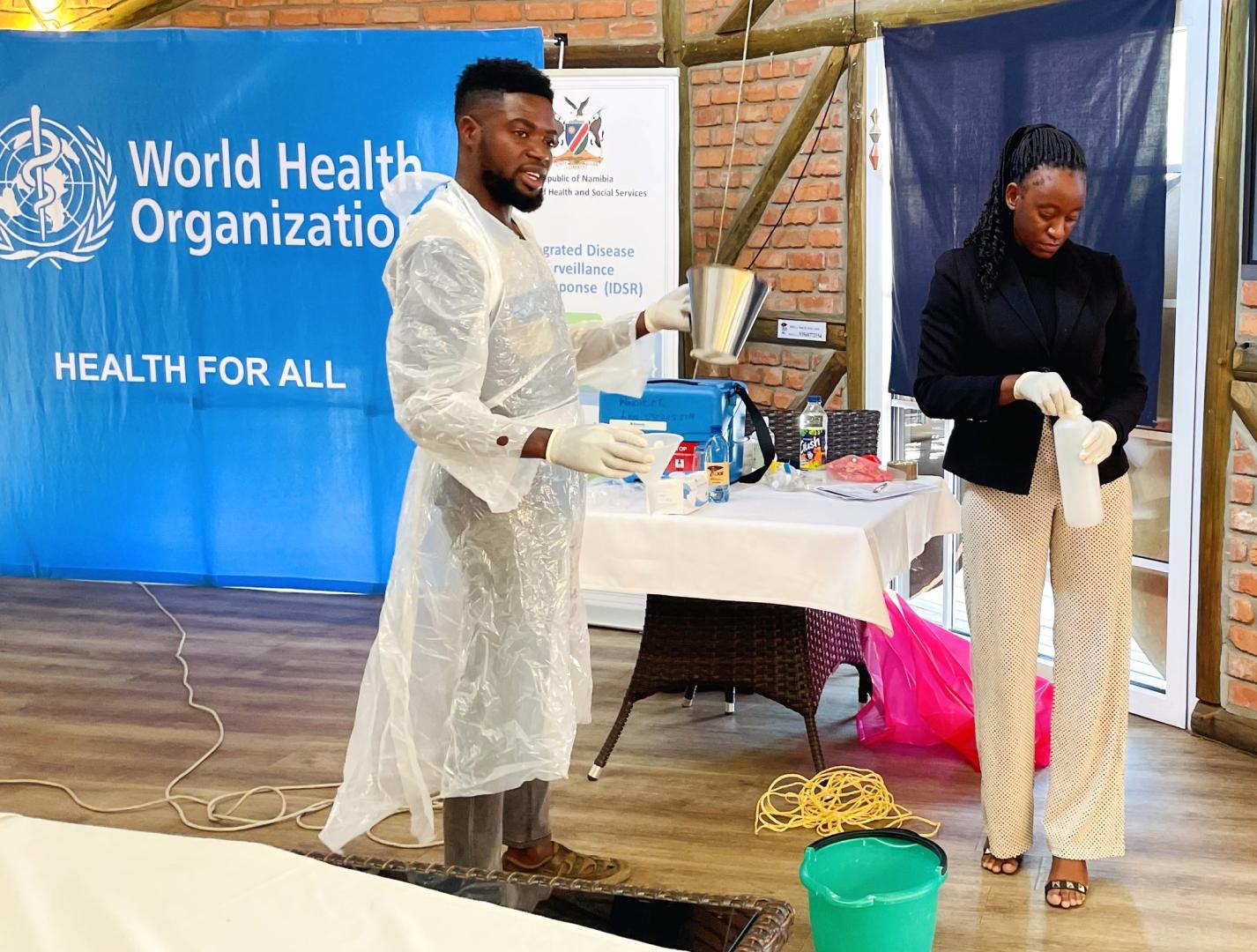
Poliovirus surveillance is one of the key pillars of the global poliovirus eradication effort. The primary system to detect poliovirus transmission is surveillance for polio cases among individuals with acute flaccid paralysis (AFP), supplemented by environmental surveillance (ES).
In October 2008, Namibia was certified polio free and continued to maintain its polio free status since then. However, the country remains at high risk of importations of vaccine derived polio viruses (VDPVs) and other vaccine preventable diseases due to sub-optimal immunization coverage.
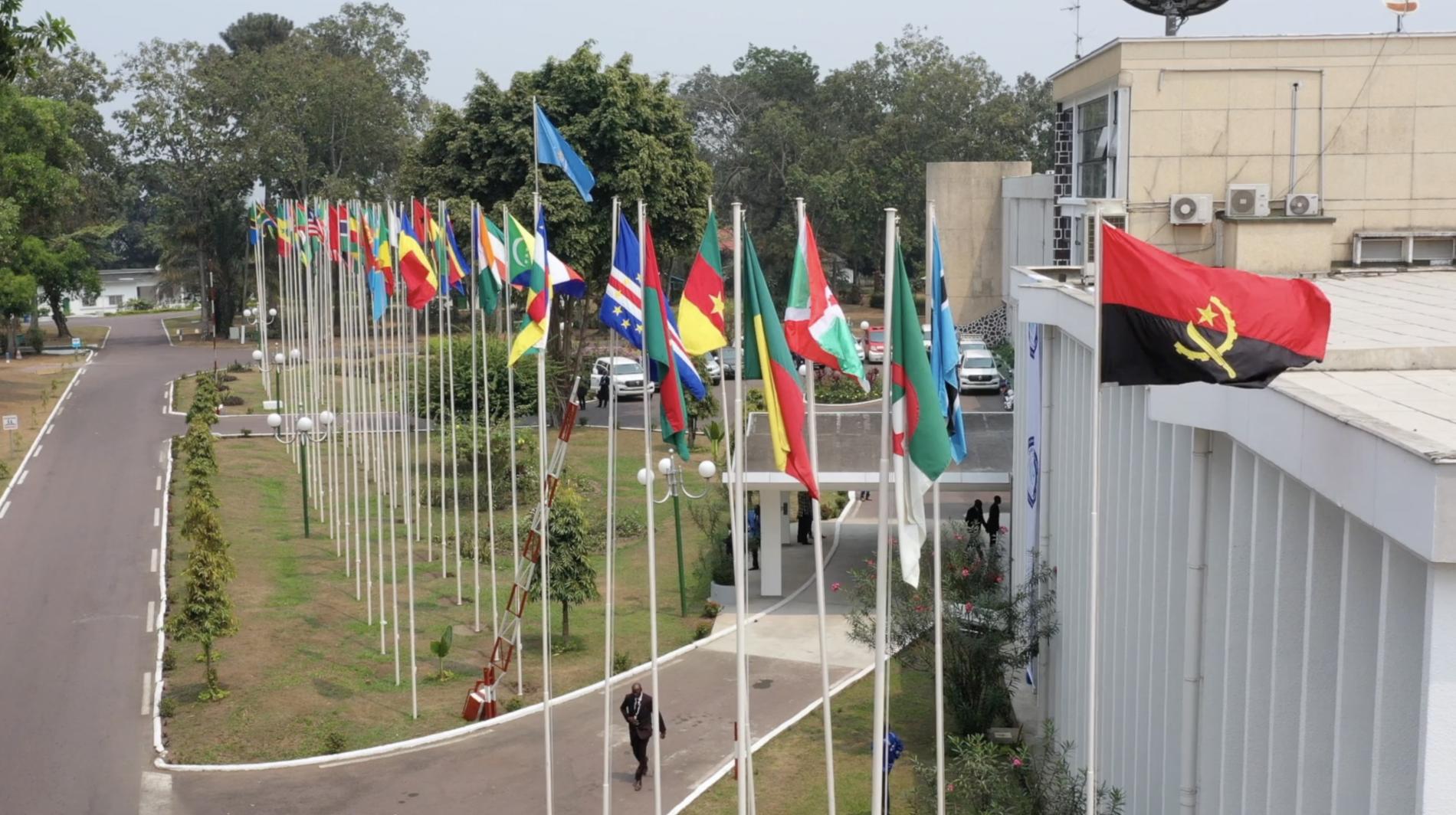
Election of new WHO Regional Director for Africa: candidates’ forum
Breaking health barriers through harm reduction programs for people who inject drugs

Gombe, 4 July, 2024 -- In a strategic move to address the growing concerns of drug abuse and its associated health risks, Gombe State has launched a comprehensive harm reduction program for people who inject drugs (PWID).
This initiative, backed by the World Health Organization (WHO) and several key partners, aims to provide critical support and services to mitigate the health risks associated with drug use by reducing the spread of infectious diseases, like Human Immunodeficiency Virus (HIV), viral hepatitis and other blood-borne infections.
Zimbabwe moves to tackle heavy postpartum bleeding
Harare – In response to the alarming rates of maternal mortality caused by Postpartum Hemorrhage (PPH), Zimbabwe is adopting the World Health Organization (WHO) E-MOTIVE approach, a pioneering strategy proven to save lives in low-resource settings. Postpartum hemorrhage remains a leading cause of maternal death globally, responsible for a quarter of all such deaths annually.
WHO Donates Motorbikes to Boost Guinea Worm Elimination Efforts in Ethiopia
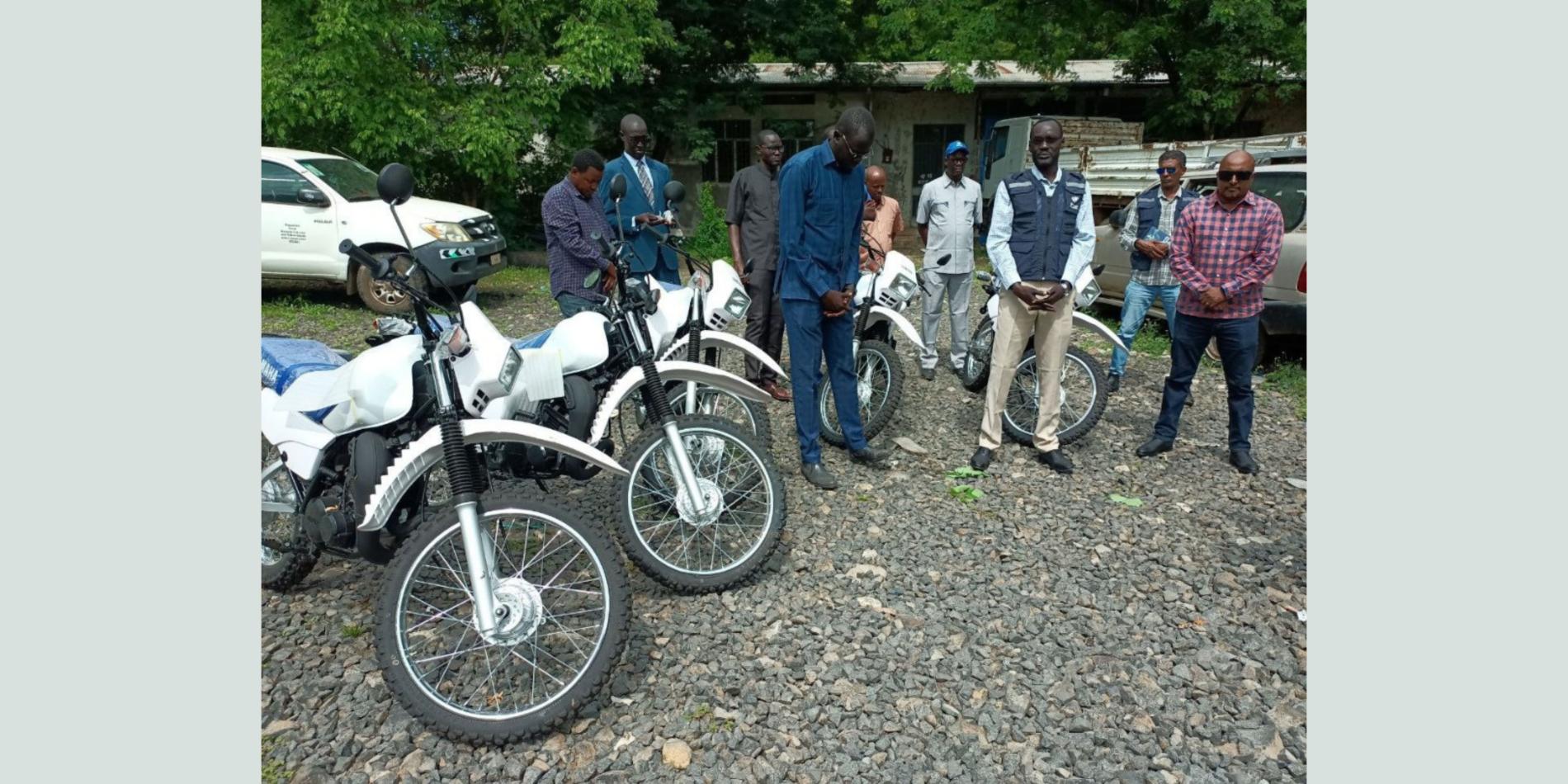
The World Health Organization (WHO) has donated five motorbikes to support Guinea worm disease surveillance and elimination activities in Ethiopia's Gambella region. These motorbikes will be used to intensify efforts in the endemic districts of Gog and Abobo woredas.
The handover ceremony, held on Thursday, June 20th, 2024, at the regional Health Bureau, highlighted WHO Ethiopia's ongoing commitment to eliminating Guinea worm and other neglected tropical diseases.
Renewed Collaboration to Achieve Eradication
Creating a safe space for victims of gender-based violence in Yobe state
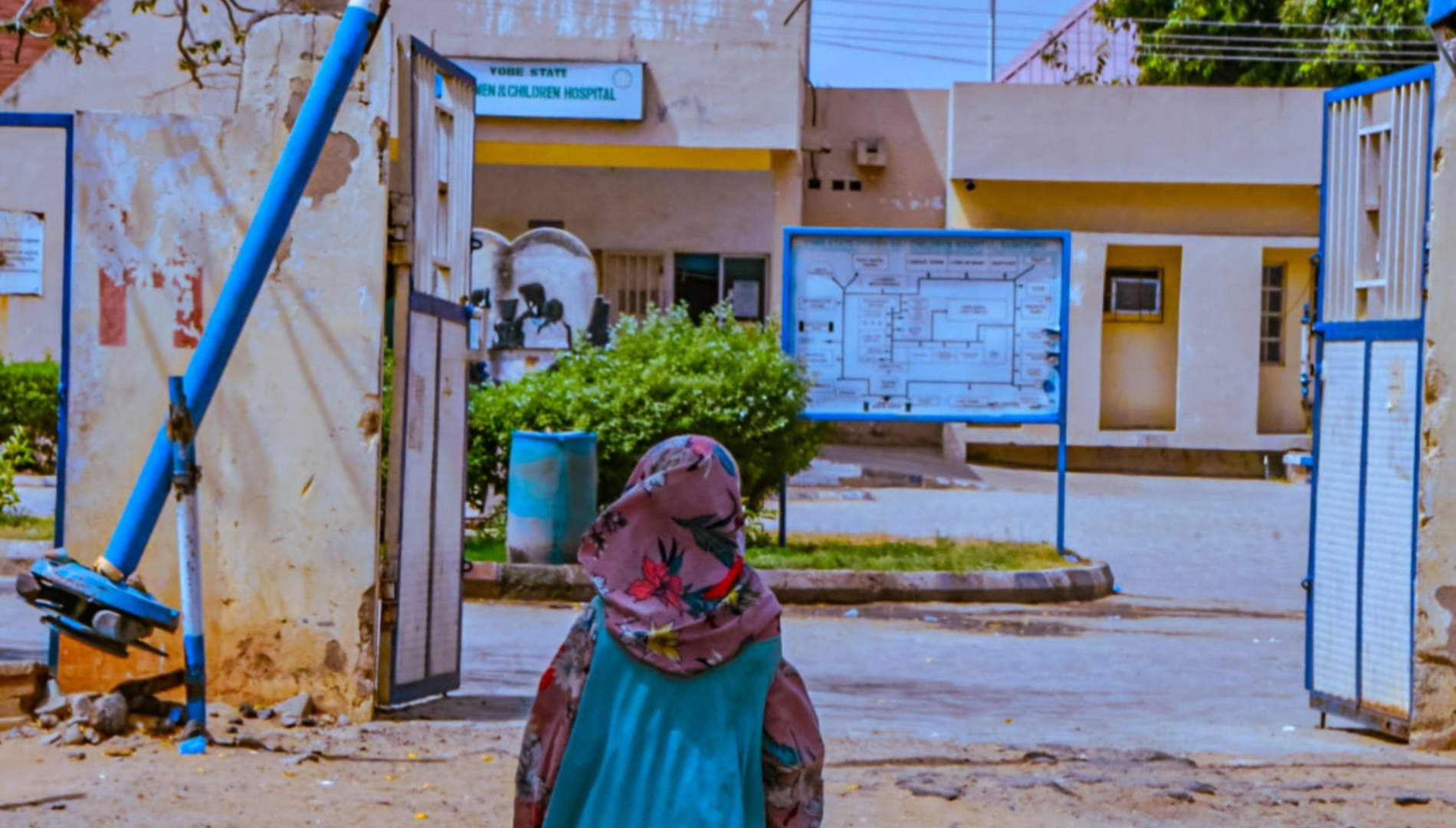
Damaturu, 1 July, 2024 - The first time Amina Tijani (name changed) 17 years old, visited the Women and Children Health Facility in Damaturu, Yobe State, she looked around anxiously and was unsure whether she could share her experience or not. Reassured by the friendliness of the health worker who promised her complete privacy, Amina was able to share her story about her abuse.
“I was asleep when I felt the inappropriate touch. I began struggling and crying, begging him to stop. But he was much stronger and raped me, she says in a shaky voice.
Empowering youth as ambassadors for tobacco control in Sierra Leone
Sierra Leone's youths have emerged as pivotal ambassadors in the fight against tobacco use, with enhanced awareness and advocacy skills aimed at resisting the influence of the tobacco industry. Their growing involvement is key in protecting their health, wellbeing, and making informed decisions about tobacco consumption.
Polio vaccination with nOPV2 vaccine successfully completed in Tigray: Used as an Opportunity to Enhance the Routine Immunization
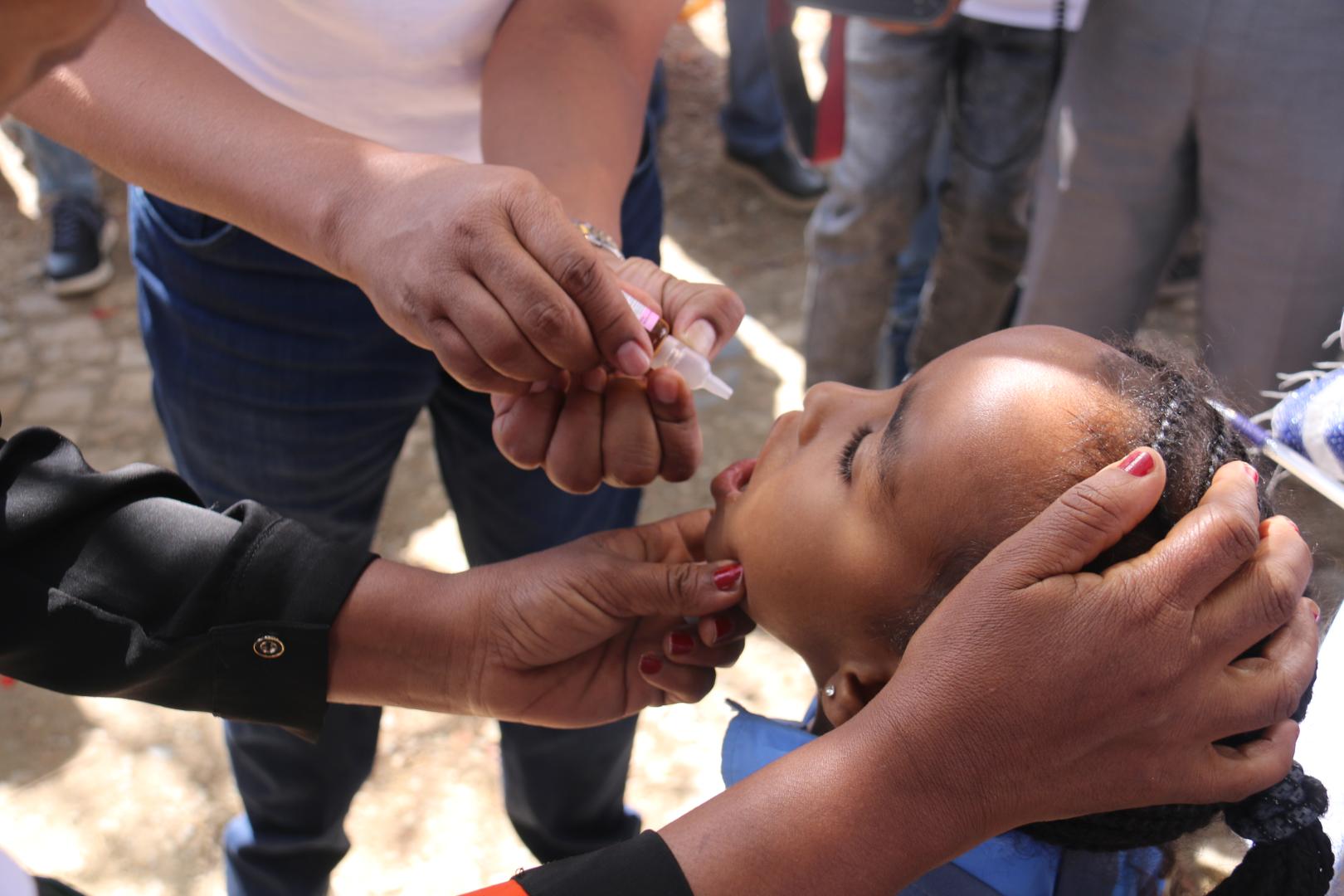
Two rounds of polio vaccination campaigns were conducted using novel Oral Polio Vaccine type 2 (nOPV2) in Tigray region of Ethiopia to prevent transmission and circulation of variant polio viruses. Round one campaign was conducted from 23 - 28 April 2024 in 79 accessible woredas, while second round was from 10 - 15 June 2024 followed by a mop-up vaccination for two days.
Angola Aims to Vaccinate Over 3.7 million Children in the Second Round of the Polio Vaccination Campaign
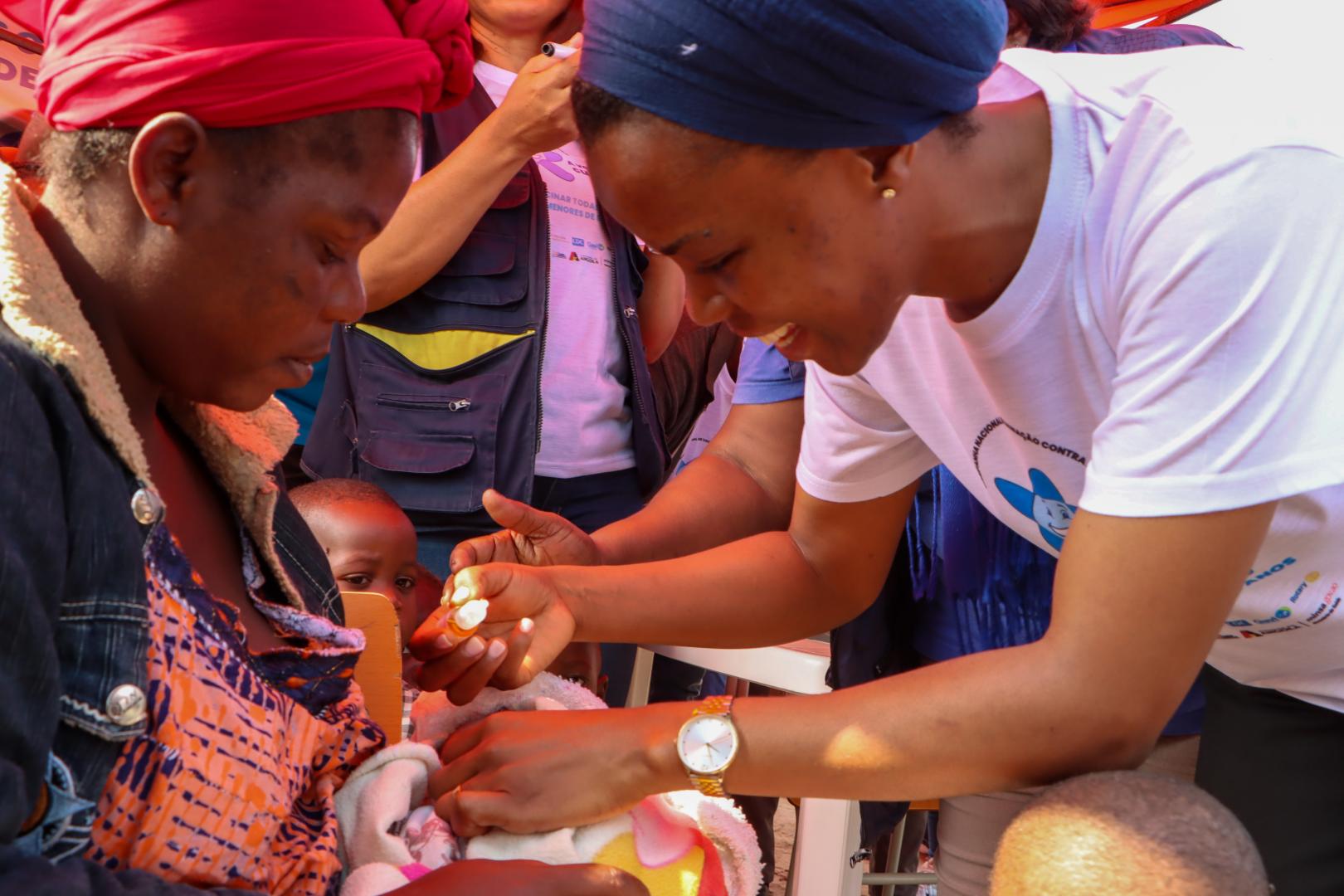
To interrupt the ongoing poliovirus transmission and protect children from childhood paralysis, the Ministry of Health, with the support of the World Health Organization (WHO), UNICEF, GAVI, CDC, BMG, Rotary International, and other strategic partners in the fight against polio, is conducting the second round of the polio vaccination campaign from June 28 to 30, 2024.
WHO supported the 2024 African vaccination week celebrated with a motto “Attention to zero doze and under vaccinated children”
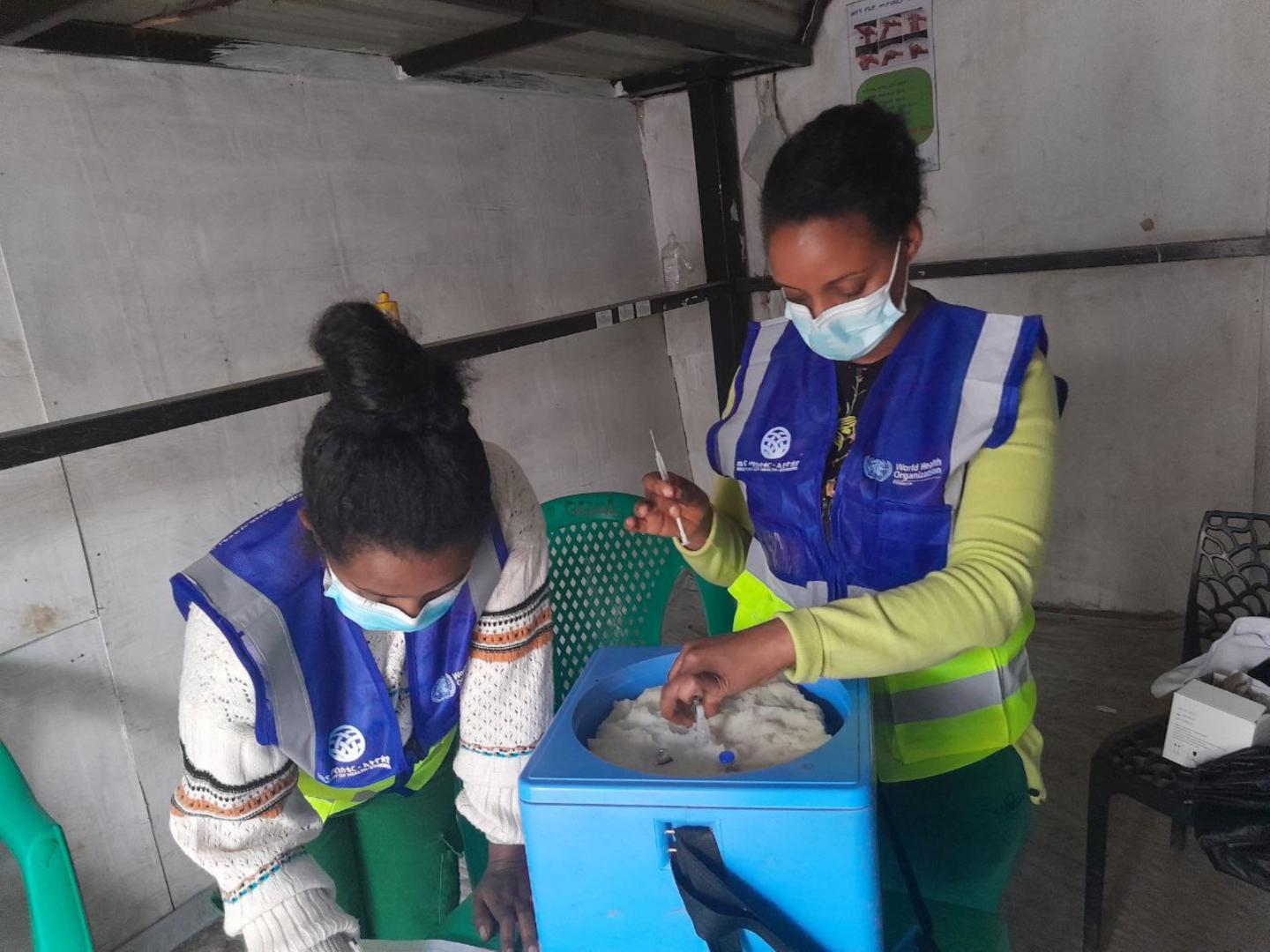
World Health Organization (WHO) Ethiopia Office supported the catchup activities as part of the 2024 African Vaccination Week (AVW) implementation with a motto “Attention to zero doze and under vaccinated children”. Nearly an estimated 194,246 zero dose children were identified from the IDPs community in five regions of Ethiopia including Amhara, Tigray, Somali, Oromia and Afar region.