WHO and KOICA collaborate to reach targeted communities with health care services in Tanzania

Dar es Salaam – The World Health Organization (WHO) and the Korea International Cooperation Agency (KOICA) Tanzania, undertook a health outreach programme in the Pwani Region to reach targeted communities with various health care services.
First Regional Rehabilitation Meeting for Africa: Advancing Rehabilitation and Assistive Technology in the Africa Region

The first Regional Rehabilitation Meeting for Africa took place from November 21st to November 23rd, 2023 in Addis Ababa, Ethiopia. Hosted by the Ministry of Health of Ethiopia, the meeting brought together leaders from ministries of health and healthcare professionals from nineteen African nations.
Tanzania launches the national strategic plan to integrate health sector HIV, viral hepatitis and STI elimination

Dar es salaam- Tanzania has launched the Integrated Health Sector HIV, Viral Hepatitis and Sexually Transmitted Infections (STI’s) National Strategic Plan (NSP) to contribute to ending the three epidemics by 2030.
Statistics show that Tanzania has about 1.7 million people living with HIV (PLHIV) and over 2 million people infected by viral hepatitis B and C. Currently, there is limited funding to tackle viral hepatitis. Similarly, STIs are on the increase and there are also limited resources to diagnose and treat all STIs.
Strengthening the fight against HIV in Ghana
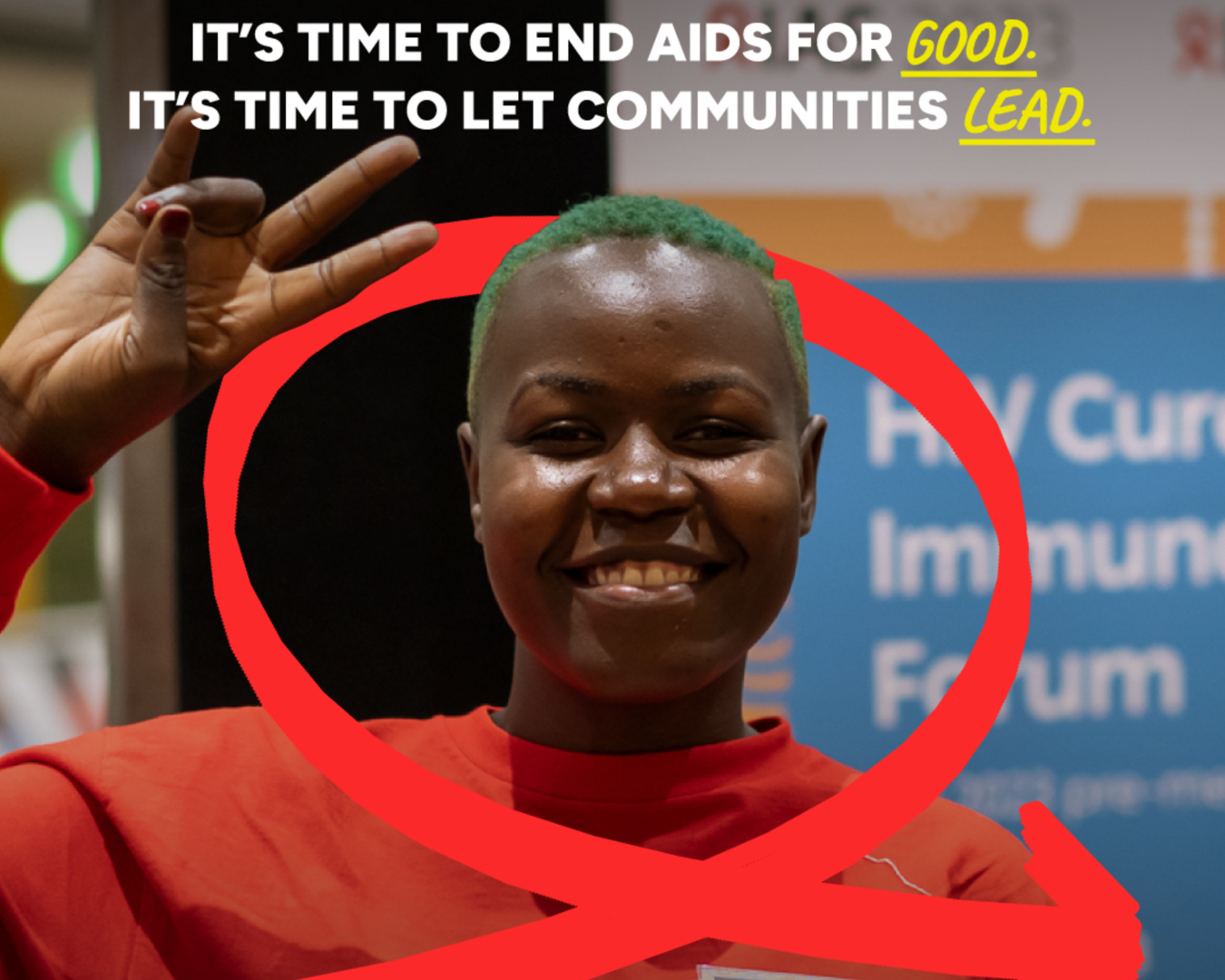
Accra, Ghana ‒ Samuel Kofi*, 19, from Takoradi in Ghana’s western region discovered he was HIV positive in November 2022. A situation that left him in shock and in complete denial as he thought death was staring him in the face.
“I did not suspect I had HIV when I went to do the test that Wednesday,” Kofi recounts the day he knew his status. “But when it came out positive, even after a confirmation test, I concluded that was the end of life for me.”
WHO, partners urge stronger action to accelerate childhood vaccination in Africa
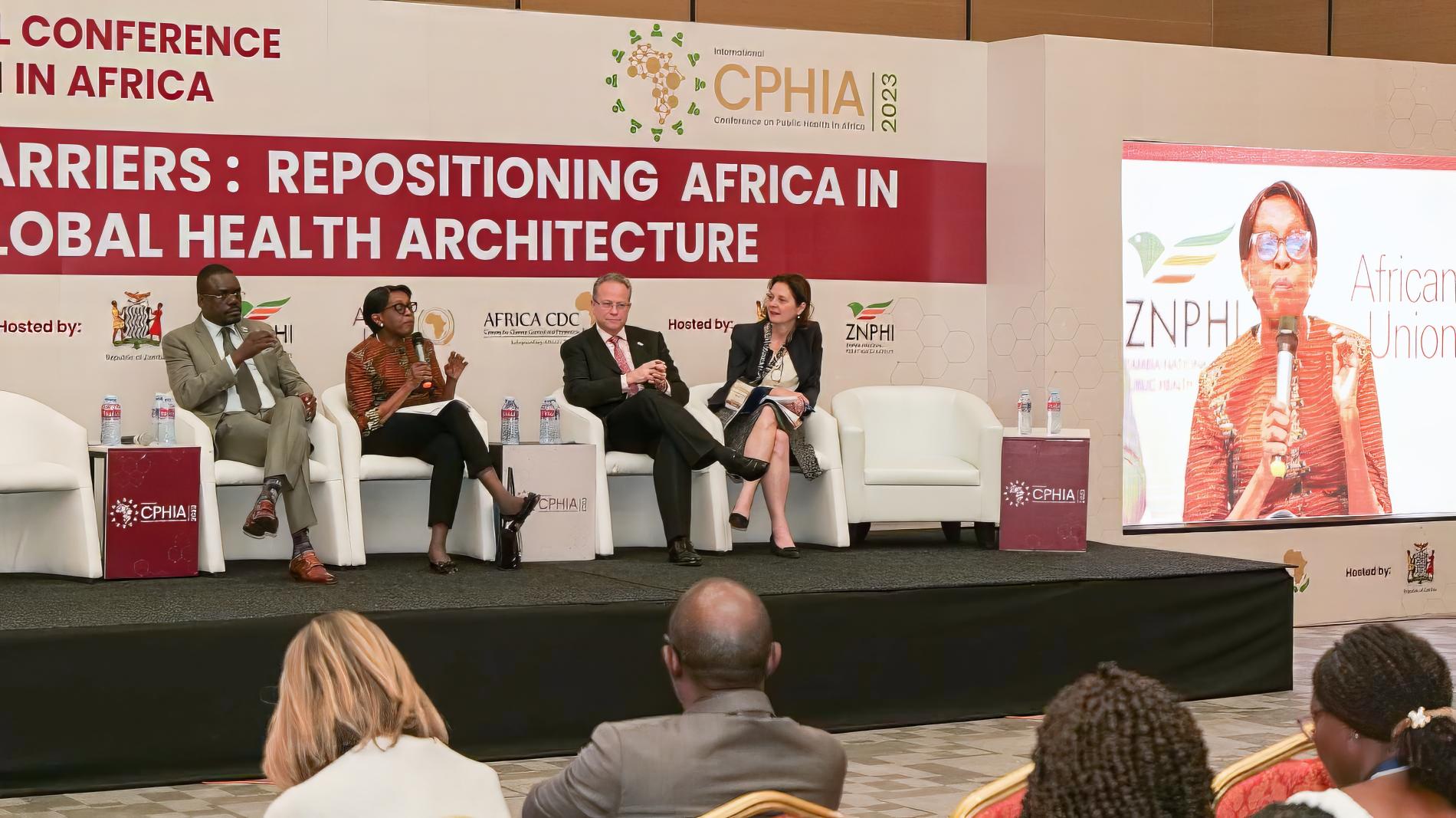
Lusaka – With one in five children in Africa still missing basic, life-saving vaccines, World Health Organization (WHO) and partners are calling for accelerated action to reach all children and put the continent back on track to achieve the Immunization Agenda 2030 goals towards reducing illness and deaths due to vaccine-preventable diseases.
Partnerships in Action: Forging a healthier Liberia

Monrovia, 20, November 2023, The World Health Organization (WHO) in Liberia is committed to fostering strong partnerships with governments, international organizations, civil society organizations, and the private sector, as it contributes towards the Health agenda for the Government of Liberia. In this quarter, we highlight two key partnership engagements aimed at enhancing health outcomes in Liberia.
Induction training of MoHSS Management on Public Health Emergency Operation Centers (PHEOC) and Incident Management System (IMS)
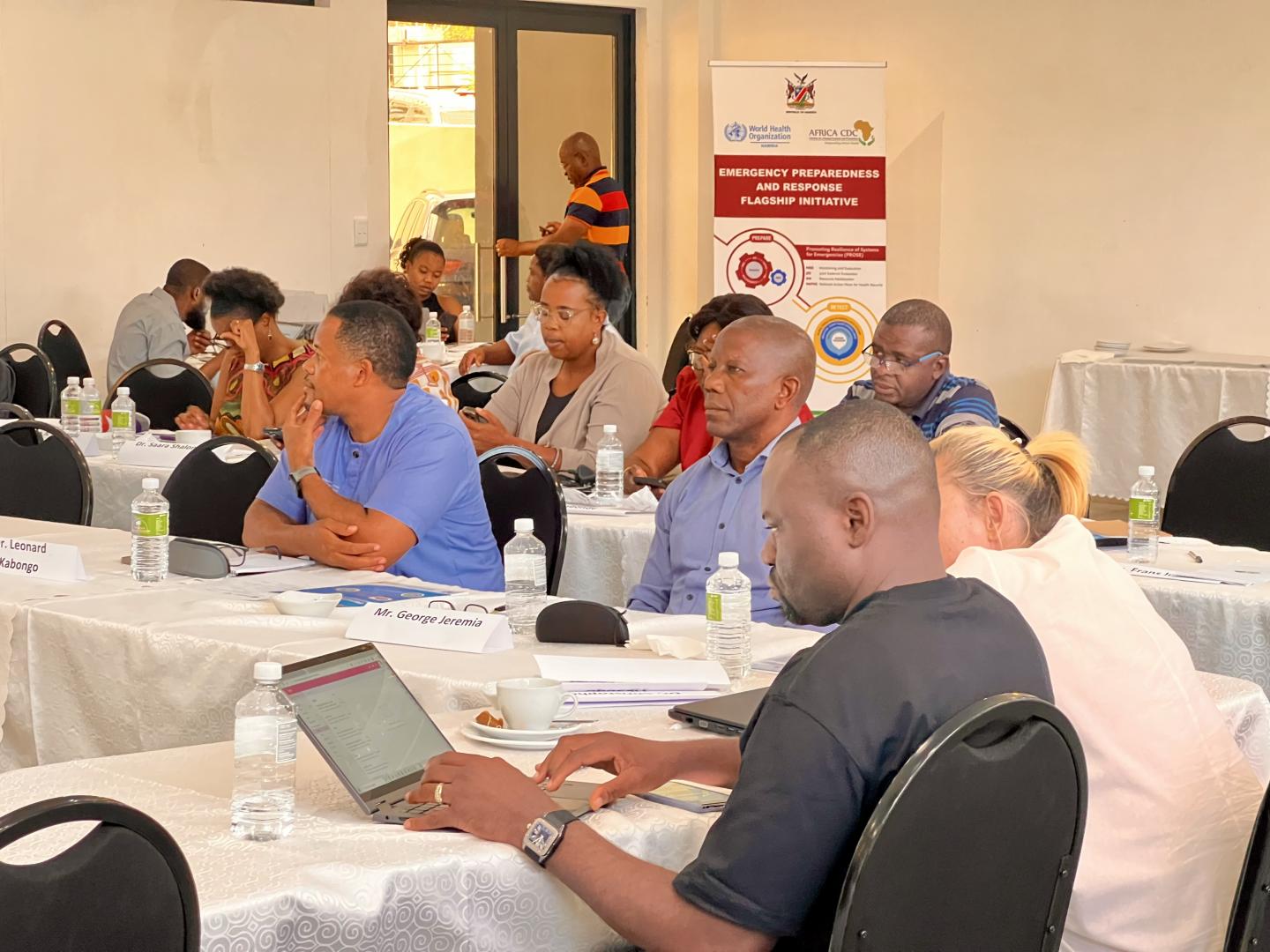
Public health emergencies (PHEs) arising from epidemic, pandemic prone diseases and other PHEs continue to be major concern in Member States of the WHO African Region which threaten national, regional, and global public health security. A Public Health Emergency Operations Center (PHEOC) serves as a hub for coordinating the preparation for and response to PHEs. It brings together multisectoral and multidisciplinary experts to coordinate emergency management efforts in a structured manner using the Incident Management System (IMS)
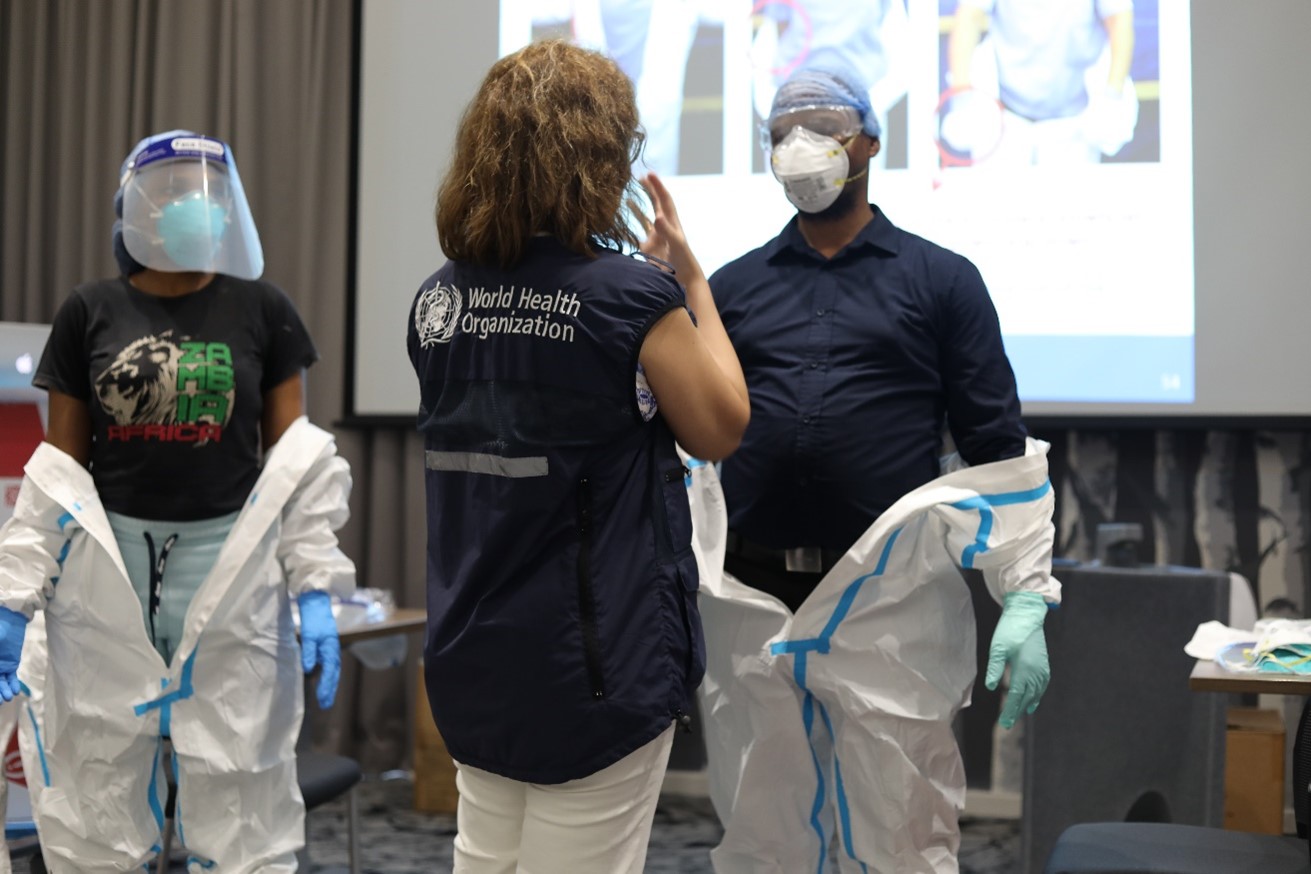
Strategic Multisectoral Partnerships to Transform the Health System and Workforce
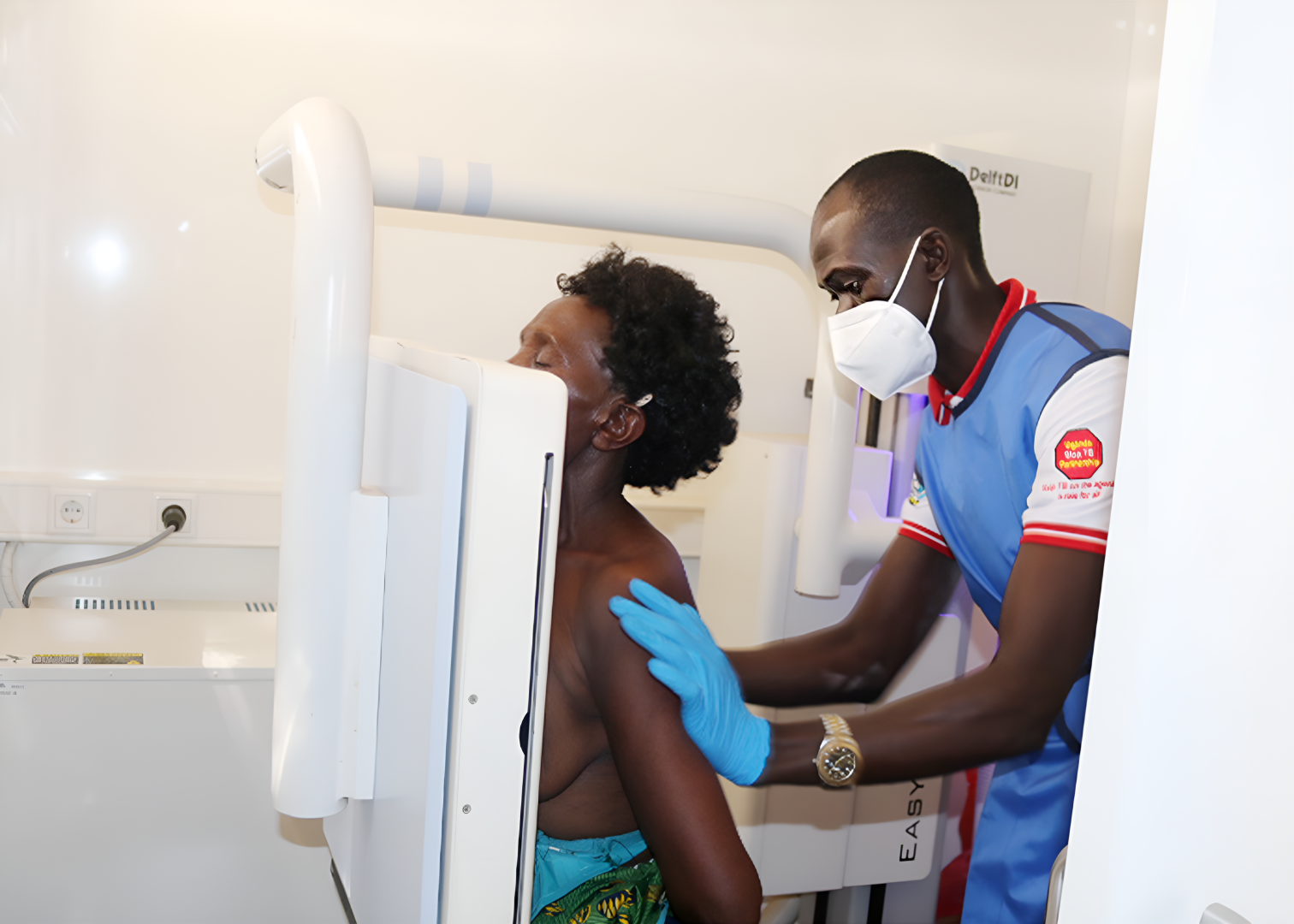
Op-ed - The growing need for public health care, due to health emergencies and humanitarian crises, has created the need to rethink the healthcare system.
Stronger action urged as WHO fourth Global school on refugee and migrant health concludes
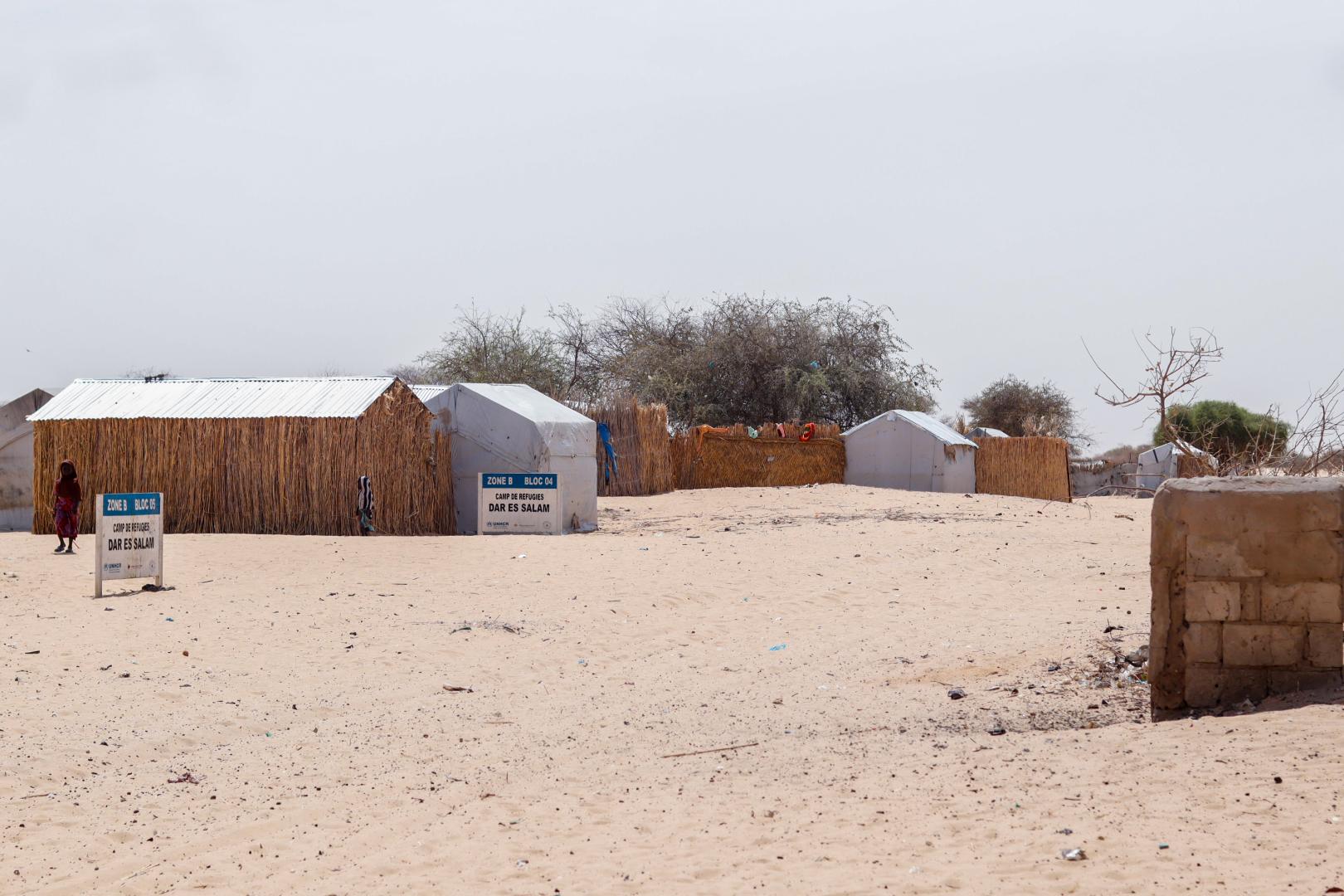
Dakar – The fourth WHO Global School on Refugee and Migrant Health concluded in Dakar, Senegal with renewed optimism to address the crucial social factors that significantly impact the health of refugees and migrants worldwide.