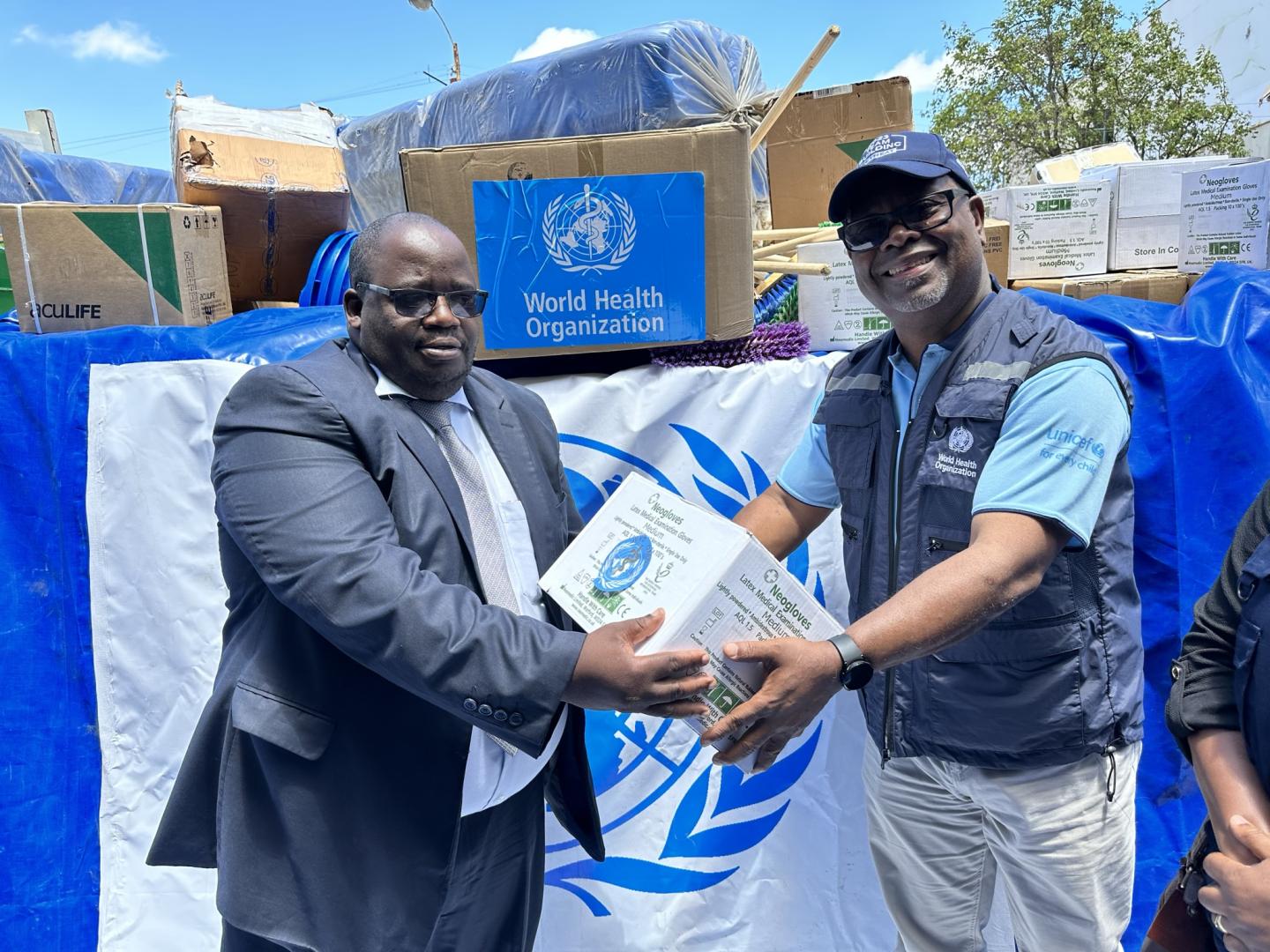
WHO Bolsters Cholera Response in Manicaland with Crucial Commodities and Supplies Donation
By Tatenda Chimbwanda
Malawi ‘s ratification of WHO’s Framework Convention on Tobacco Control comes into effect

Lilongwe, 16 November 2023 ‒ Today the Government of Malawi’s ratification of the World Health Organization (WHO)’s Framework Convention on Tobacco Control (FCTC) came into effect. With this historic decision, Malawi joins a community of 182 other Parties to the Convention, affirming the country’s high-level political commitment to combatting the global tobacco epidemic and prioritizing public health and well-being.
Strengthening Multisectoral Approach towards ending Rabies in South Sudan
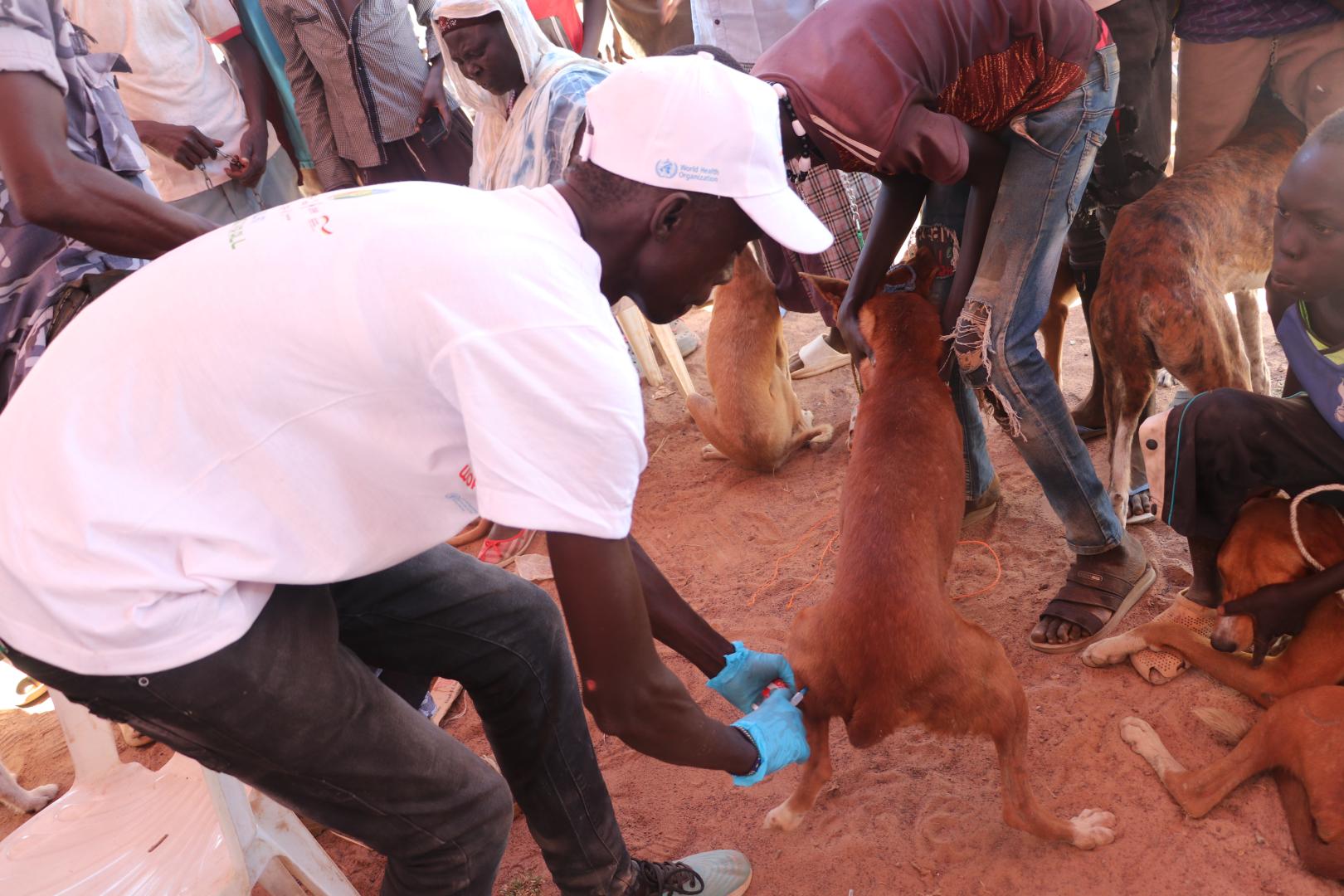
South Sudan celebrated the 2023 World Rabies Day under the theme "All For One, One Health For All" to eliminate Rabies by 2030, as per the 2021-2025 South Sudan Health Sector Strategic Plan. The celebration was held in Aweil, Northern Bahr el Ghazal State, where over 5000 people, including dog owners, participated.
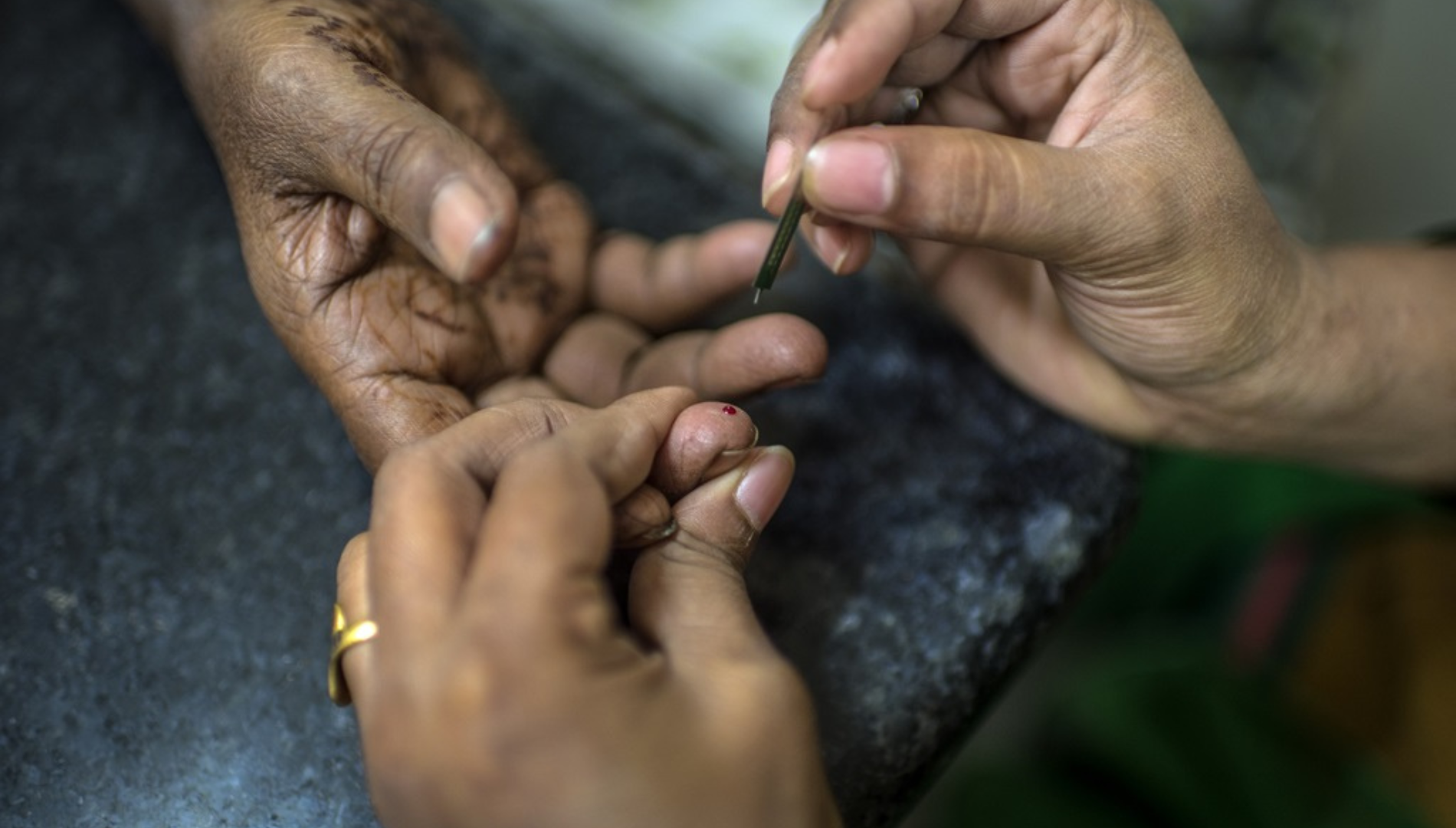
World Diabetes Day: WHO Asks Governments to Invest in Preventing Diabetes
Message of WHO Regional Director for Africa, Dr Matshidiso Moeti
Let us end Tuberculosis in Angola!

On 8 November 2023, the Ministry of Health and its health stakeholders launched the National Strategic Plan for Control of Tuberculosis (TB) 2023-2027. This contains the priorities that the Government intends to focus on in its efforts to end Tuberculosis in Angola.
WHO builds capacity of health workers in Ear and Hearing care
By Vivian Mugarisi
African lawmakers voice support for stronger health emergency preparedness and response
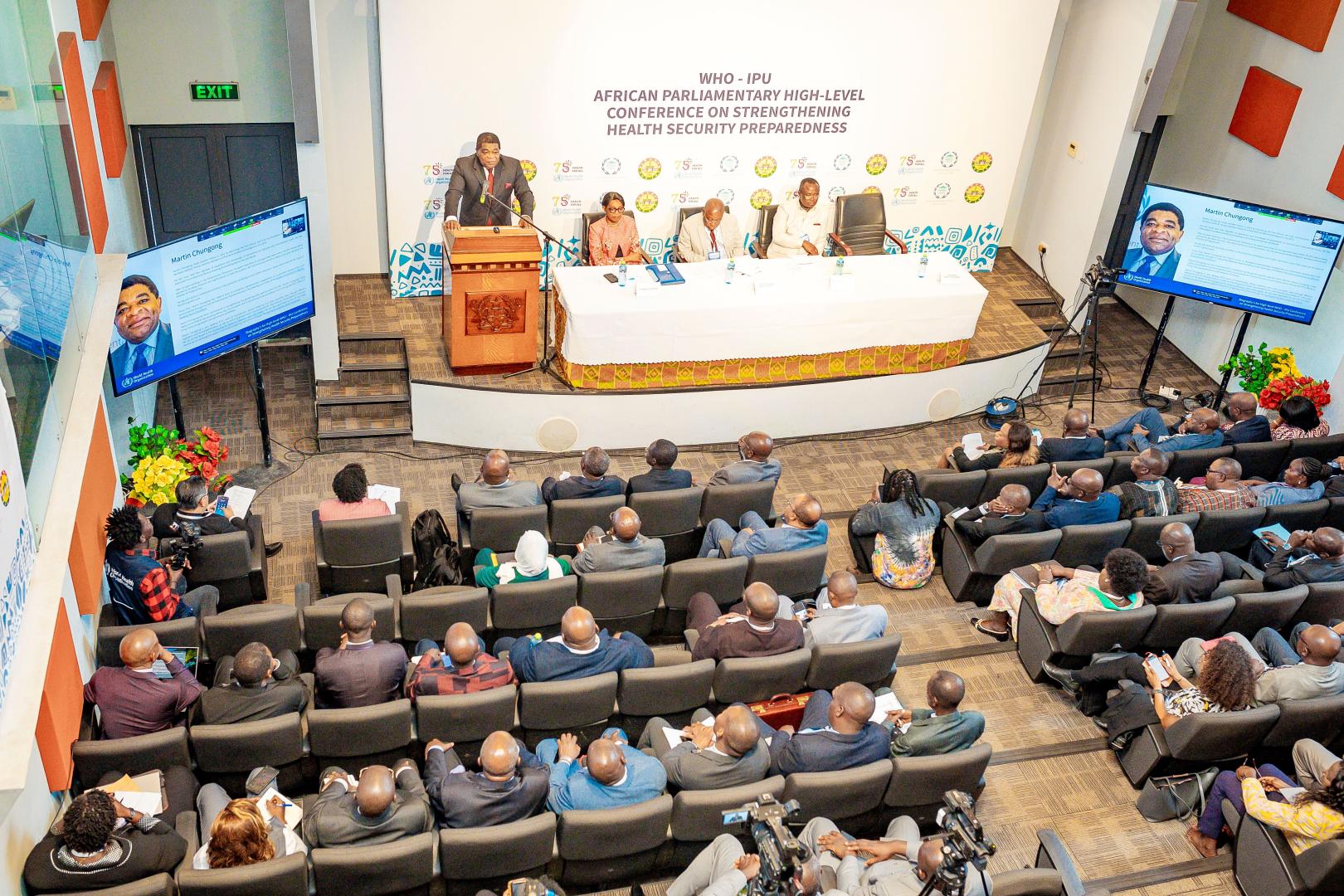
Accra, 10 November 2023 – African lawmakers gathering for the continent’s first-ever parliamentary meeting on health security today agreed to support actions for stronger health systems to enable countries effectively prevent, prepare and respond to public health threats.
Immunizations conference ends with consensus to advance immunization goals in Africa
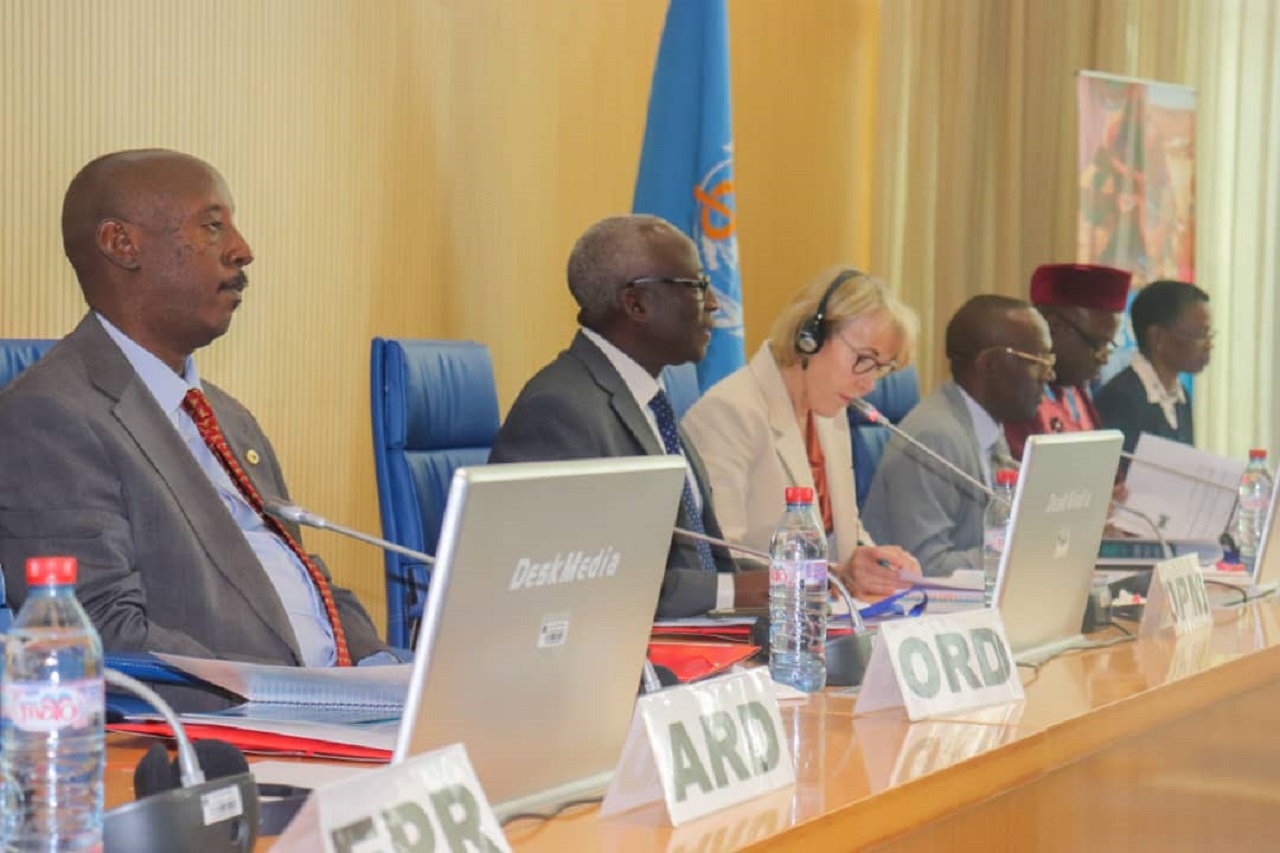
Brazzaville – With one in five children currently missing crucial immunizations, African Immunization experts have pledged to address the pressing issue of vaccine access and equity. Following an intensive and collaborative meeting of the Regional Immunization Technical Advisory Group (RITAG) in Brazzaville, Republic of the Congo, over 150 immunization experts in the African Region committed to enhancing access and accelerating efforts to protect children from vaccine-preventable diseases.