Towards sustainable genomics: training on the use of a genomics costing tool in Namibia
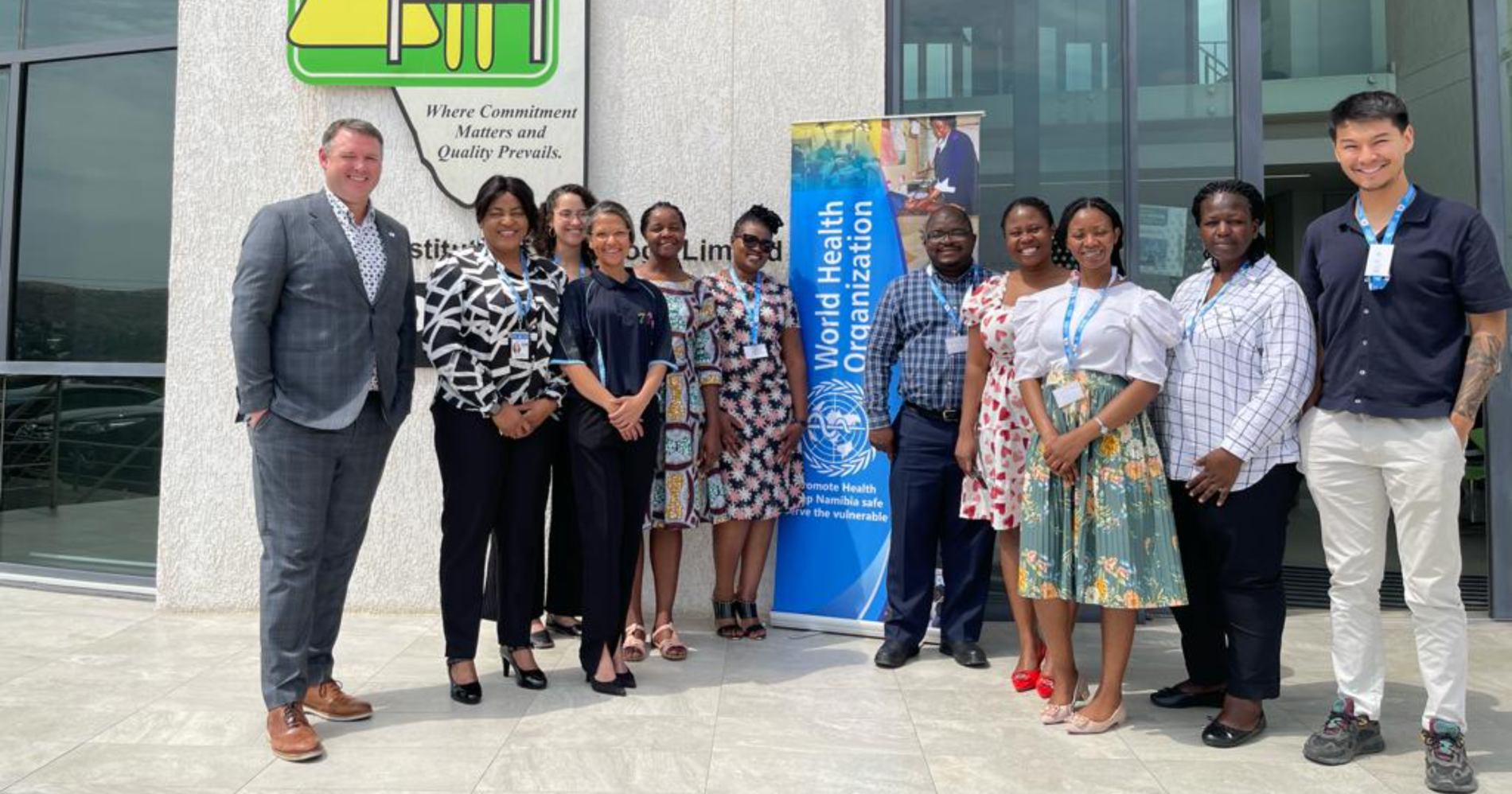
Ever wondered how much will it cost a laboratory to implement routine genomics activities annually? Or how a laboratory can get the best value for money for its genomics activities? Or how a laboratory can budget for a scale-up of its genomics activities?
Angola invests in strengthening pharmacovigilance

Benguela, 16 October 2023: To guarantee access to quality medicines and improve drug assistance to the population, Angola has been carrying out a series of initiatives that include the creation and approval of policies that guide pharmacovigilance, strengthening the supervision of the sale and consumption of medicines, as well as the implementation of the system of single and reliable purchases of medicines, with the support of strategic partners, including t
Cholera containment effort commendable, but more needs to be done- WHO

By Vivian Mugarisi
After surviving cholera following treatment at Chakohwa Clinic in Buhera, Manicaland Province a few weeks ago, Melissa Chagwina** is taking the hygiene gospel to her village. “I have no plans of becoming a Village Health Worker yet but after my ordeal, maybe someday. For now, I take time to encourage my community on the importance of hand hygiene, use clean water and follow the advice from health workers to stay safe,” she said.
Responding to a Suspected Viral Hemorrhagic Fever Outbreak in Remote Dajo: Lessons and Triumphs
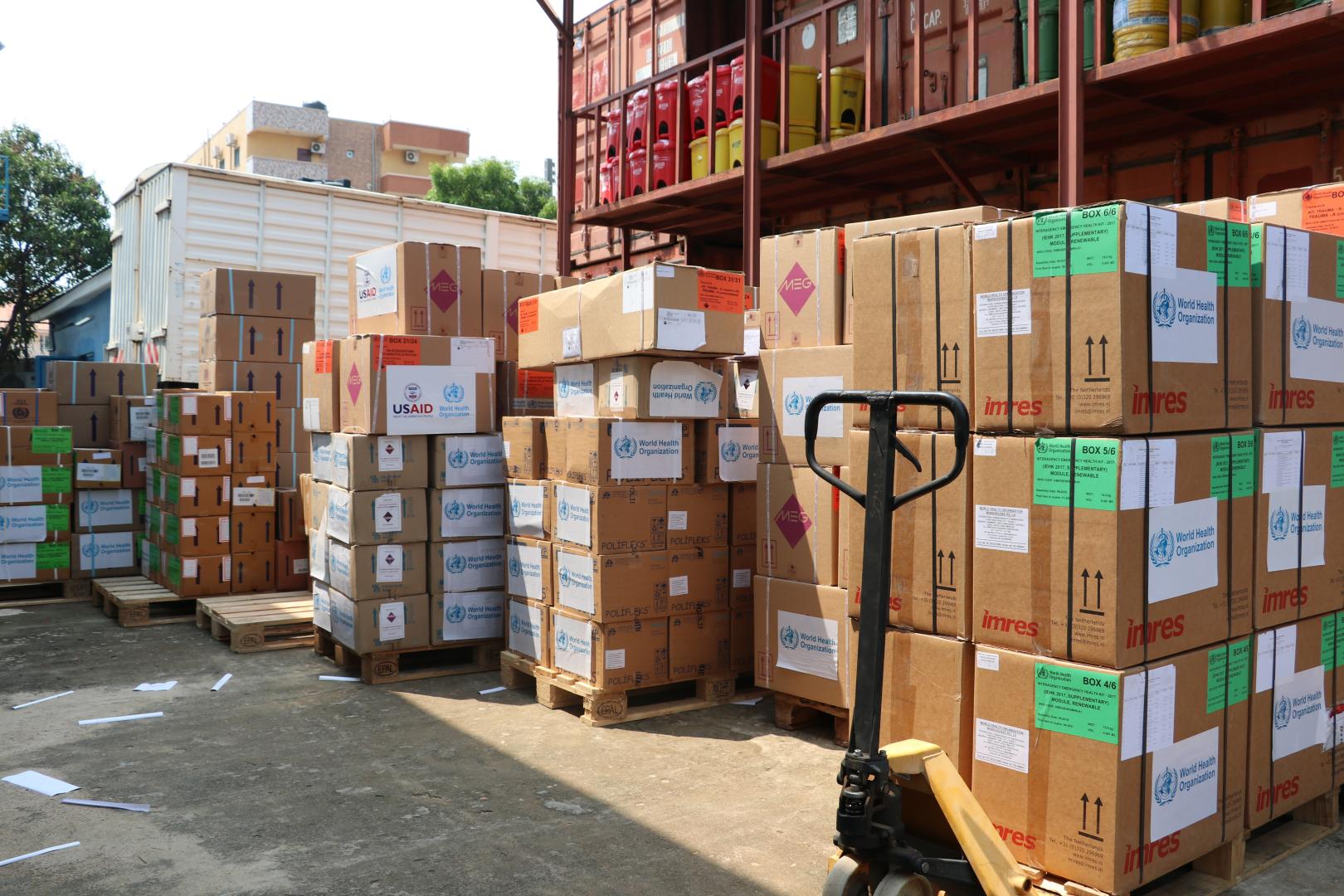
In the wake of a concerning development, authorities in Longochuk County, Upper Nile State, reported a series of fatalities on 15 May 2023, believed to be linked to a suspected viral hemorrhagic fever outbreak in the secluded villages of Dajo and Pacime. Patients displayed concerning symptoms, including fever, headache, and diarrhea, with many cases reported among children.
Putting communities at the center of the mental health agenda in Ghana

Dambai, Ghana - When Kwabena Asare*, 32 from Bodada in Ghana’s Oti region developed a mental health condition in 2018, he sought help from the health centre and received medication and support, which is helping him to recover.
However, he is concerned that the lack of support from family and friends is undermining his recovery efforts.
Africa regional conference on financing universal health coverage & health security held

Accra, Ghana - The Africa Regional Conference on Financing Universal Health Coverage and Health Security has been held in Ghana with a call on countries to strengthen investment in the health sector to reduce the out-of-pocket expenditure burden on people.
World Health Organization in The Gambia Marks 75 Years of Global Health Impact
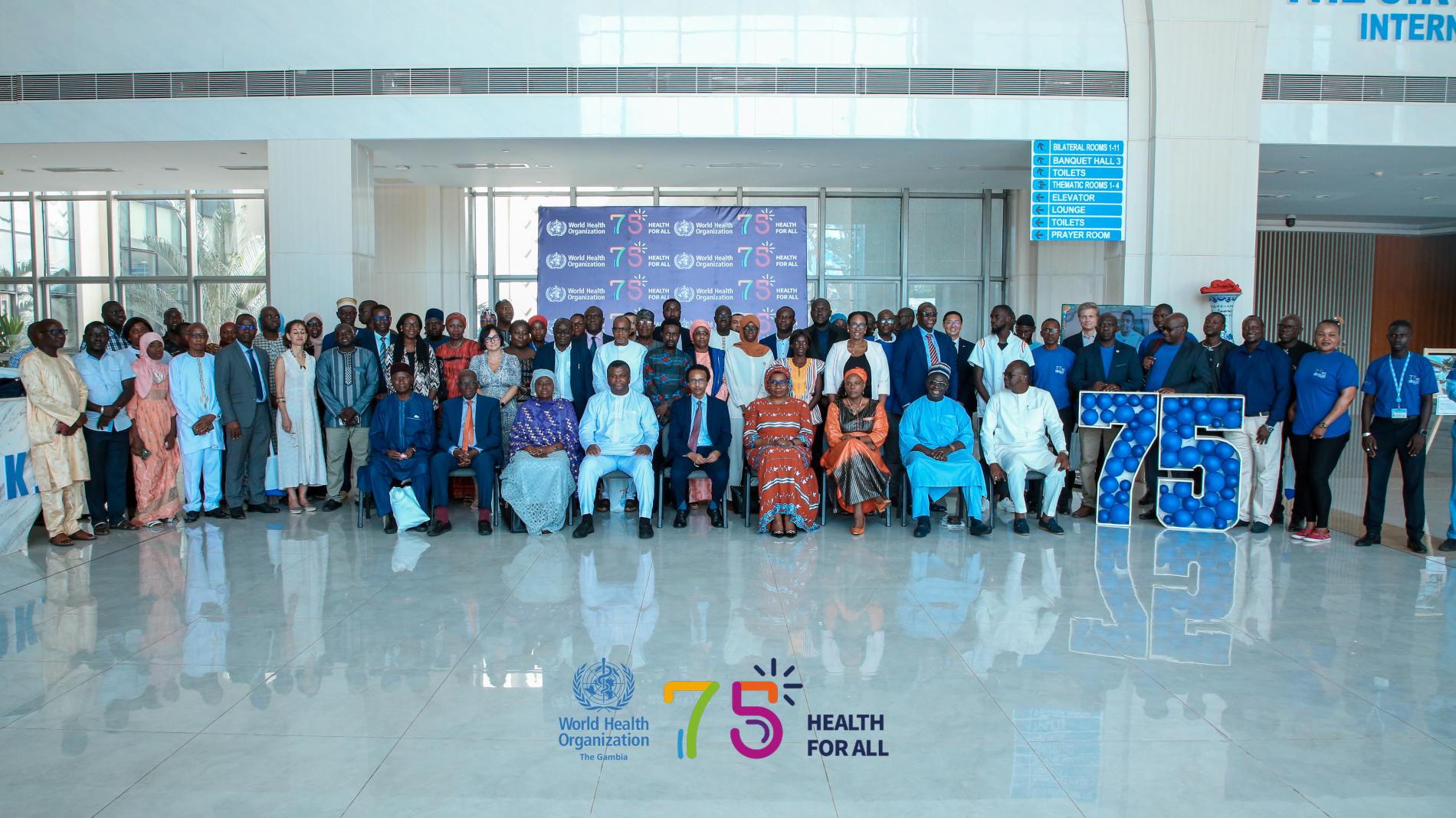
Banjul, The Gambia - On Monday, the World Health Organization (WHO) Gambia Office commemorated the 75th anniversary of the WHO, reflecting on its birth in 1948 and the tremendous achievements that have shaped global health over the past seven decades. Established with the vision to promote health, ensure global safety, and serve the vulnerable, WHO has been instrumental in advancing the highest level of health and well-being for everyone, everywhere.
Strengthening Health Security Through Multisectoral Collaboration in Lesotho
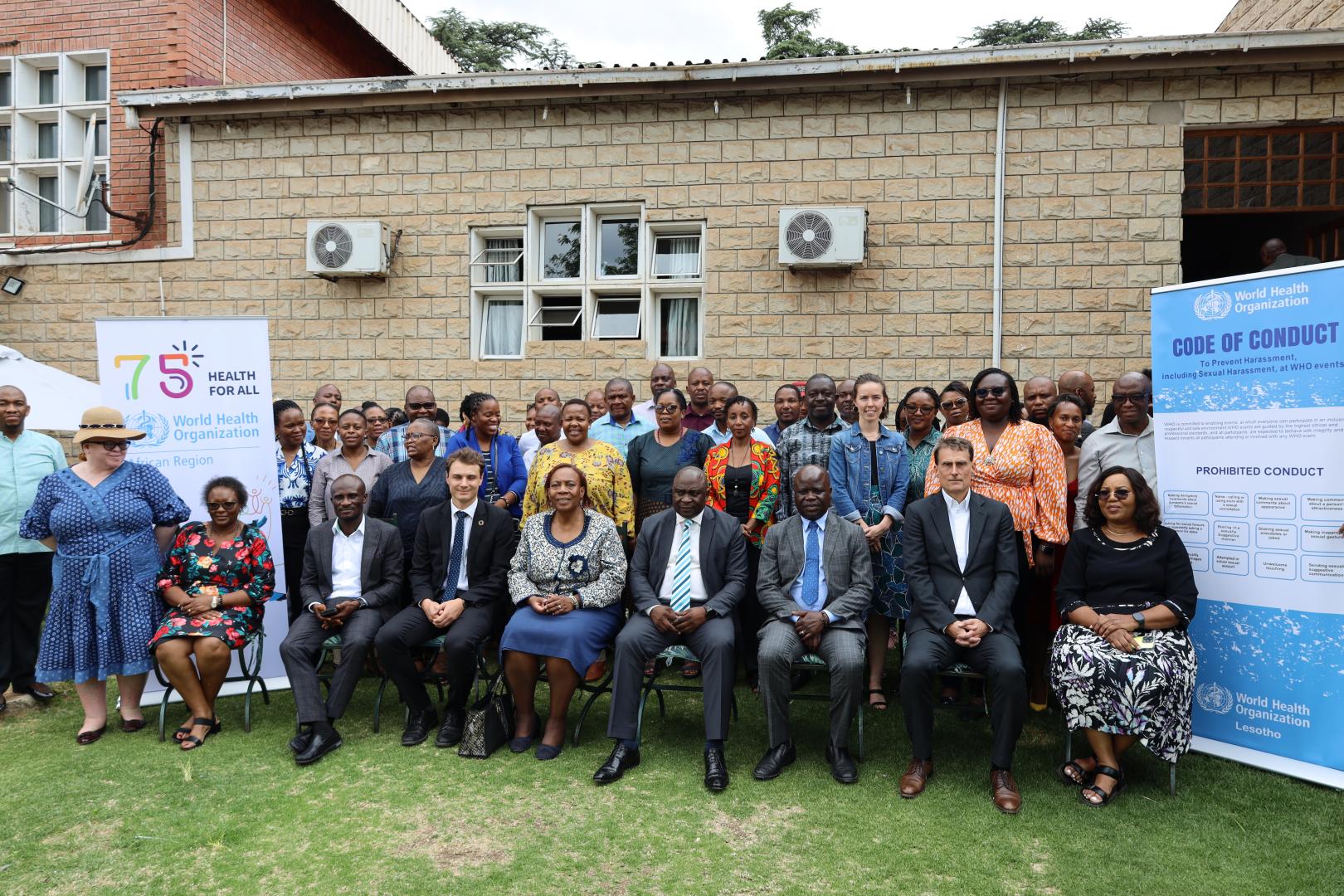
In order to advance the implementation of the National Action Plan for Health Security (NAPHS), the Ministry of Health, with support from the World Health Organization, (WHO) recently conducted a multi-sectoral resource mapping exercise to facilitate the identification of financial and technical resources, needs, and gaps in Leribe District. A total of 291 operational NAPHS activities have been identified from the different technical areas with a total NAPHS cost of $53, 277,248.
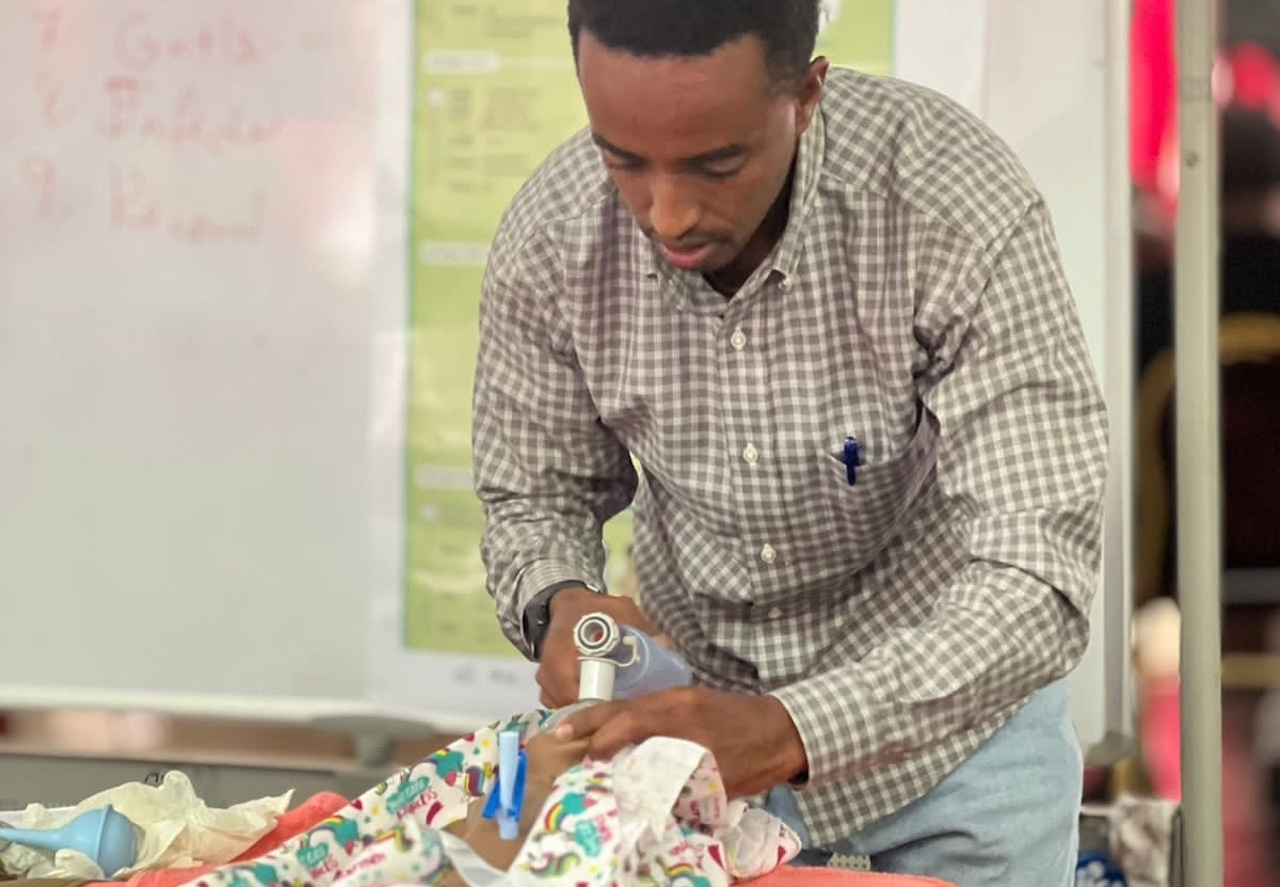
Eritrea empowered the health workers on Essential care during Labor and Birth (ECL&B), Early Essential Newborn Care, and Safer use of oxygen
Launch of second round of National Polio Campaign in Angola Aims to Protect Over 5.4 Million Children

ONDJIVA, CUNENE - Today, 13th October 2023, the second round of the national polio campaign was inaugurated in Ondjiva, Cunene. The launch witnessed the presence of the Secretary of State for Public Health, Professor Carlos Pinto de Sousa, representing the Minister of Health, Dr. Silvia Lutucuta. He was joined by the Vice-Governor for Political, Social, and Economic Sectors of Cunene, Apolo Ndinoulenga.