Multi-hazard Emergency, Preparedness and Response Plan disseminated in districts

In the wake of several public health events that have unfolded in the recent past and, following the key findings of the WHO coordinated Joint External Evaluation (JEE) of 2017, the Zambia National Public Health Institute (ZNPHI) in collaboration with the Ministry of Health and WHO conducted a dissemination meeting of the Zambia Multi-hazard Emergency, Preparedness and Response Plan.
Angola drives innovation in communicating tobacco control.

Luanda, Angola, July 12, 2023 - The smoking epidemic is one of the greatest public health threats the world has ever faced. Tobacco kills an estimated 8 million people yearly, with 1.2 million of those deaths being non-smokers exposed to second-hand smoke.
WHO calls for a high-quality supplementary vaccination campaign to boost polio immunity in under 15 children in Malawi
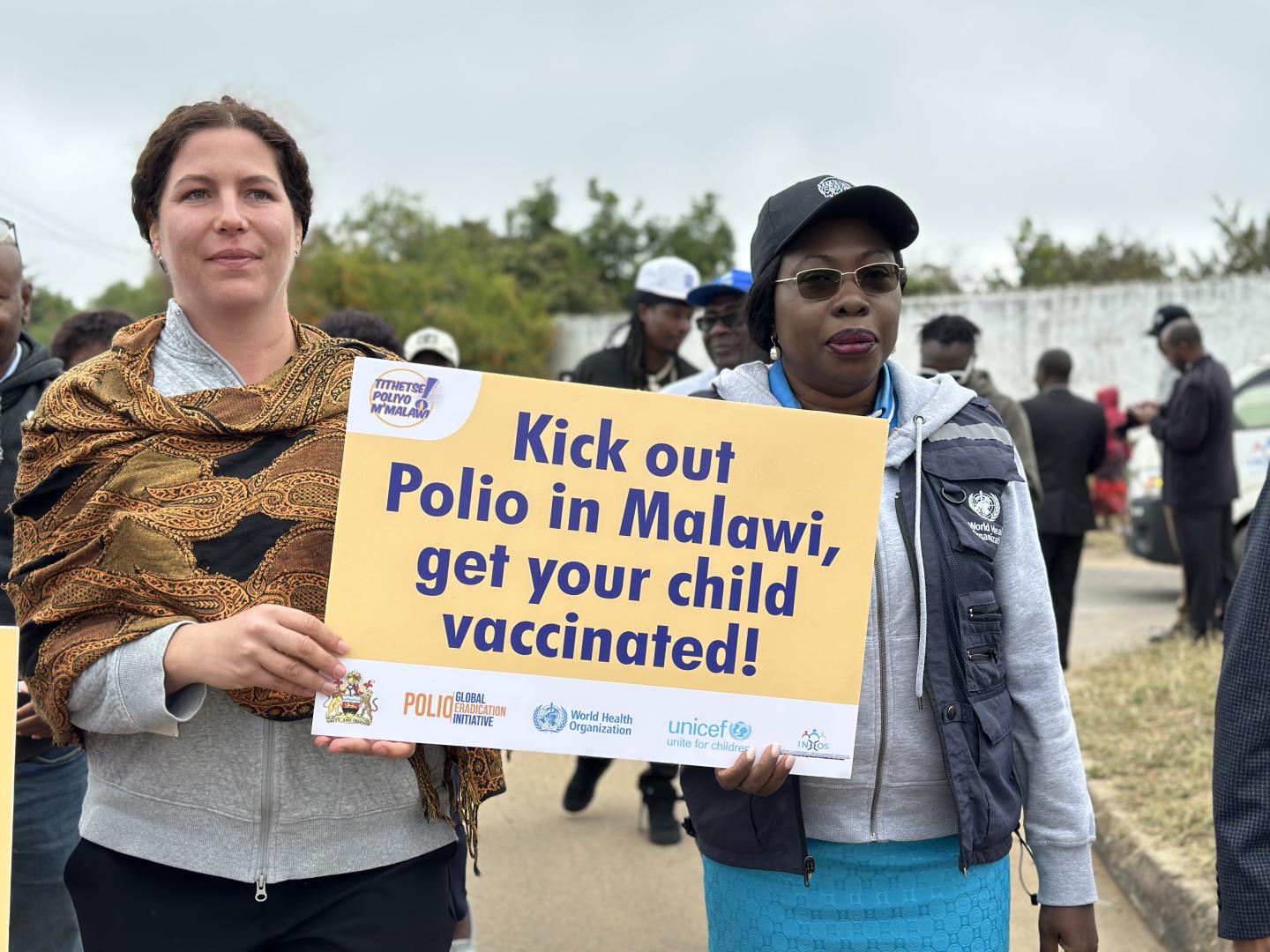
Lilongwe - The World Health Organization has called on government, partners, and donors to join forces to ensure Malawi delivers a high-quality vaccination campaign against poliovirus. The World Health Representative for Malawi Dr Neema Rusibamayila Kimambo made the appeal at the launch of polio vaccination campaign in Blantyre on Wednesday, 12 July 2023.
WHO and partners set technical cooperation strategy to align with Nigeria's transformative health agenda

Abuja, 12 July, 2023 - Aligning with the health transformative agenda of the government of Nigeria, the World Health Organization (WHO) is reviewing its 3rd generation Country Cooperation Strategy 2018-2022 (CSS III) to identify game-changing strategic directions and alliances to support the country in strengthening its health system, achieving public health impact and better health outcomes in the next five years.
Donor Partner Monitoring Field Trip Sparks Confidence

On 10 July 2023, a partner monitoring field visit was conducted in Eastern Province to assess the progress and impact of the WHO Enhancing National Capacity for Emergency Preparedness, Response and Recovery and the Health System Surveillance Project funded by the Irish Embassy in Zambia.
The field visit aimed to provide our donors an insight into the project’s implementation and firsthand information on successes made, the challenges and impact of their contribution on strengthening Zambia’s health system surveillance.
WHO supports the reinforcement of actions to combat meningitis.

Luanda, Angola, 11 July 2023 - For more than five years, Angola has been experiencing an increase in meningitis cases, particularly in Huambo province, with a high lethality rate. Between January and May this year alone, 103 patients were reported, of which 42 resulted in death, with an estimated lethality rate of 40.8%.
Africa’s polio certification commission calls for urgent action to bolster vaccination
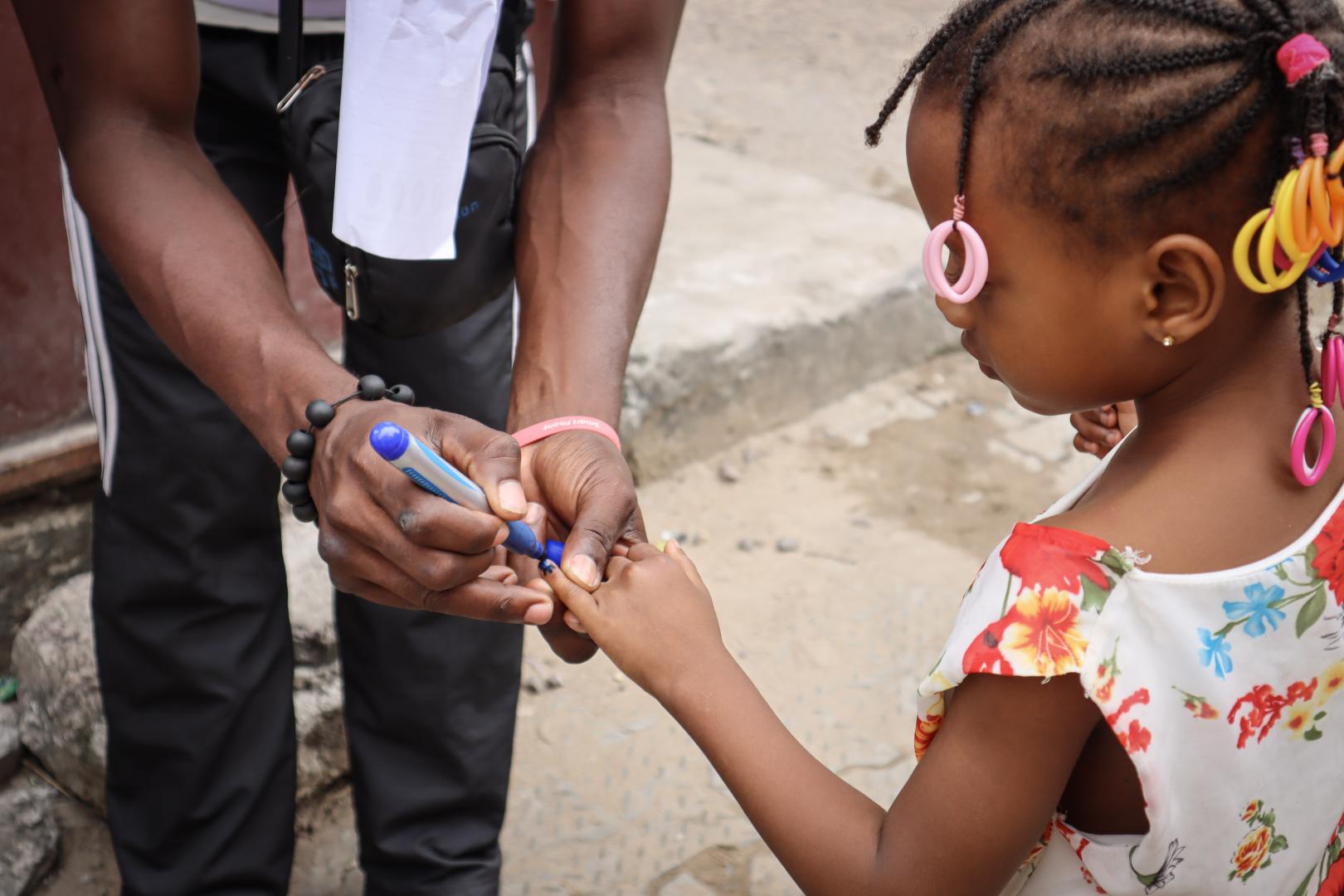
Kinshasa – With 117 confirmed cases of circulating variant polioviruses and 107 detections in sampled wastewater so far in the African Region in 2023, the Africa Regional Certification Commission (ARCC) has urged countries and health partners to urgently address gaps in polio immunity to avert outbreaks.
Minister Shangula Inaugurates the National Drug Control Commission
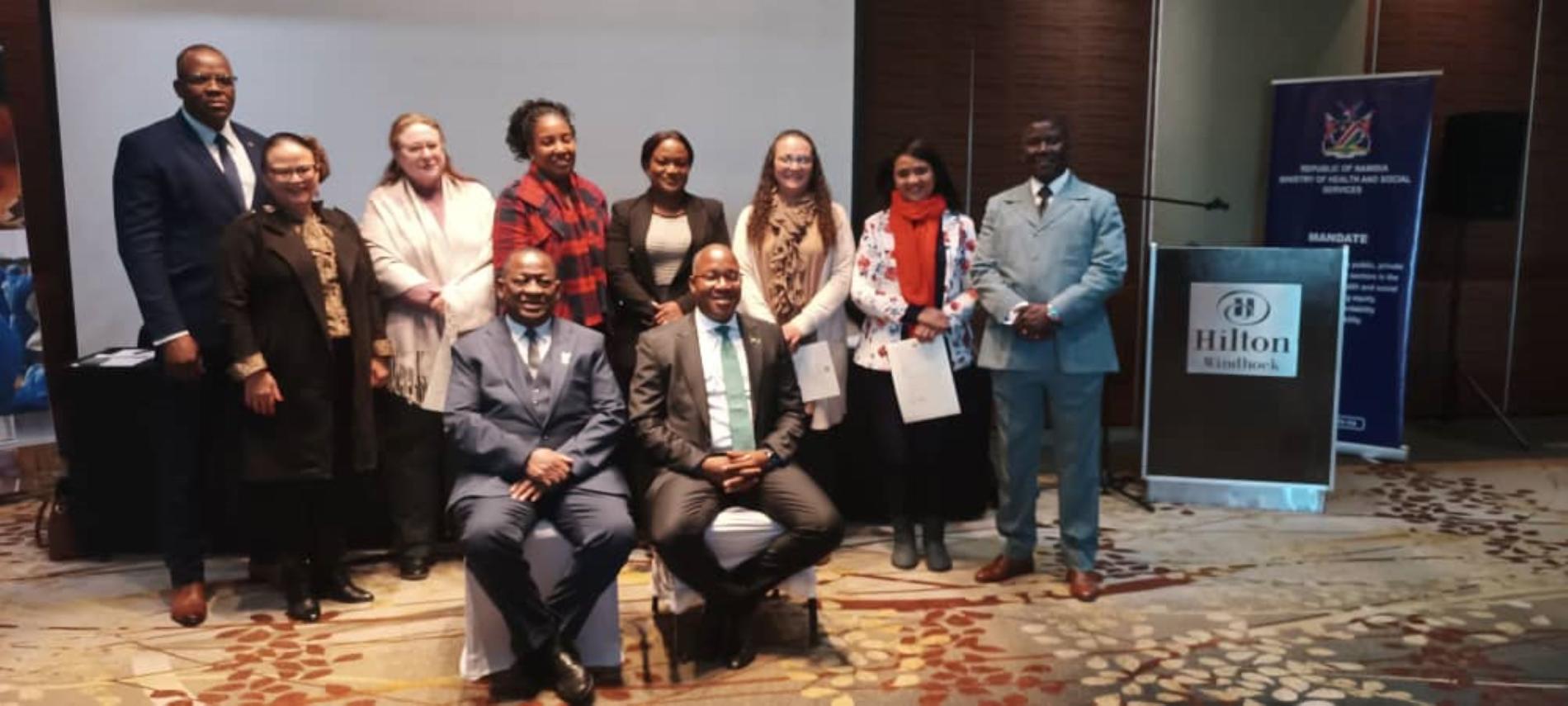
Namibia became a member of the United Nations at Independence in 1990 and has since ratified several Conventions on drug control including the UN Convention against Illicit Trafficking in Narcotic Drugs and Psychotropic Substances of 1988; the UN Convention Against Transnational Organized Crime of 2003; the UN Convention against Corruption of 2004 and the SADC Protocol against Illicit Drug Trafficking of 1996.
Zimbabwe conducts third round of polio vaccination campaign

By Vivian Mugarisi
WHO reiterates its support for the revitalization of Primary Health Care in Angola.

Luanda, 7 July 2023 - The WHO African Region has significantly improved Universal Health Coverage since 2000, driven mainly by enhanced interventions addressing infectious conditions. However, this progresses it’s not happening in other crucial areas of health, such as ensuring health security or health in all its determinants, which may undermine aspirations to achieve adequate health service coverage.