WHO embraces older persons in Tanzania

Zanzibar & Mainland: Each year, we commemorate the “International Day of Older Persons” on 1 October to raise public awareness about the opportunities and challenges presented to the ageing populations and to mobilize the families, community groups and stakeholders to address the difficulties faced by older people.
Forging stakeholder collaboration for improved healthcare for persons living with epilepsy and other neurological disorders

Neurological disorders are a significant contributor to the global mortality and morbidity. They are responsible for close to 9 million deaths per year. Whilst it is estimated that globally, about 50 million people suffer from epilepsy alone. Out of this number, 80% live in low- and middle-income countries where only 1 out of 4 has access to treatment.
In Ghana, it is estimated that 1% of the population live with epilepsy, representing 270,000 people, with a treatment gap of 85%.
Sierra Leone introduces Human Papilloma Virus vaccine to protect girls from cervical cancer

Joint Press Release - Ministry of Health and Sanitation, Gavi and the United Nations
Countering myths and misconceptions about cholera in Katavi

Tanganyika District, Katavi Region - Cholera epidemic is a recurrent disease in developing countries with poor environmental sanitation and inadequate supply of potable water. Wrong perception and myths surrounding the real causes of cholera disease can hinder acceptance and accessibility to launch effective operational response to affected communities during an outbreak.
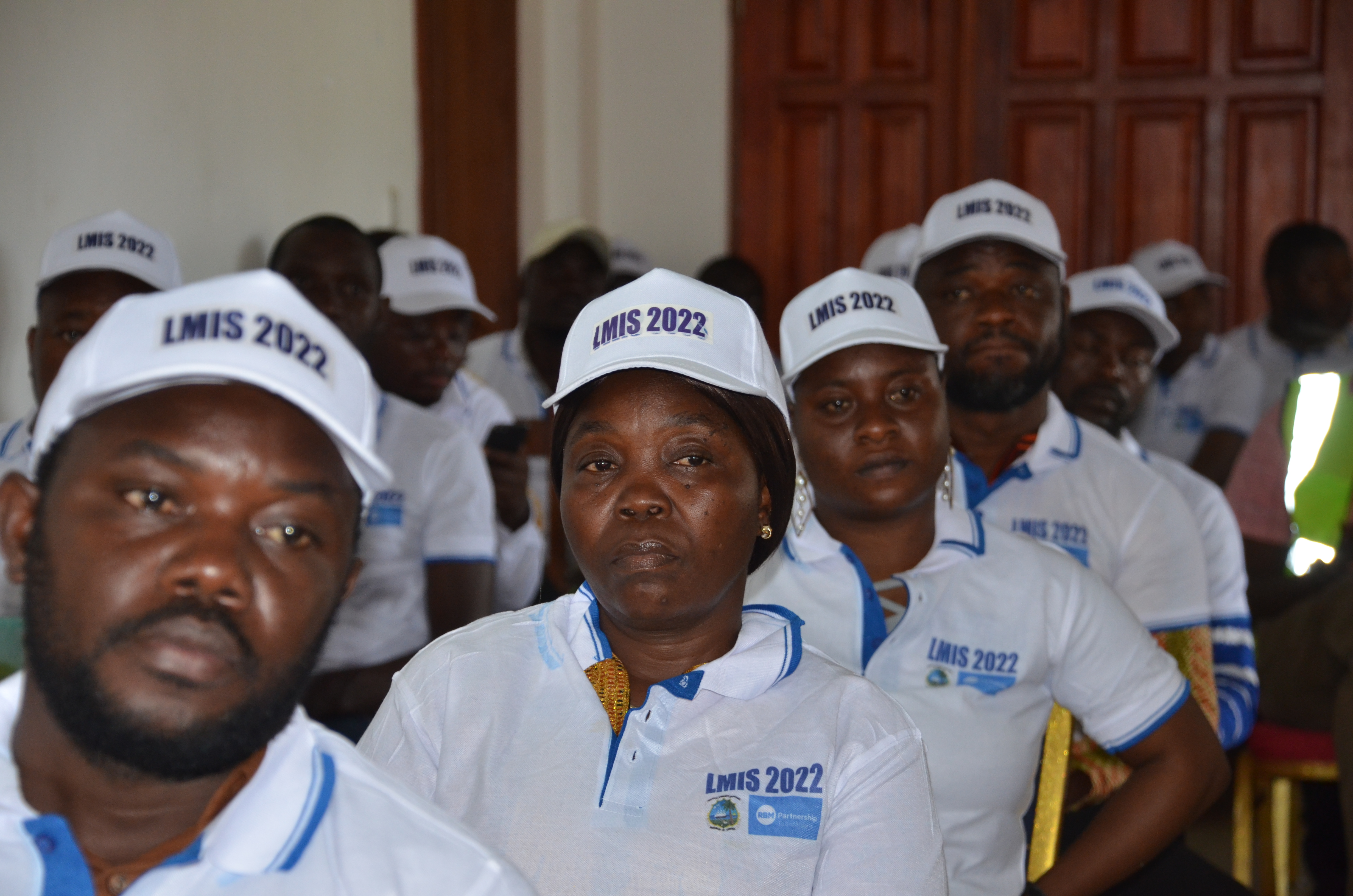
Investing in malaria prevention and elimination: Liberia launches the 2022 Malaria Indicators Survey

Uganda Defines Priorities and Needs in Its Ebola Response Plan

Kampala - The Ministry of Health and health development partners in Uganda, including the World Health Organization (WHO), have launched the country's Ebola response plan highlighting planned activities, priority needs and gaps.
Bringing together the country's health diplomatic corps, the high-level meeting discussed the current status of the outbreak, the country's preparedness to respond and contain the outbreak, and outlined the priorities and needs of the Ebola response as outlined in the national response plan.
Mothers adopt Seasonal Malaria chemoprevention drugs to keep malaria at bay in Adamawa State

Yola, 30 September, 2022 - Sitting on a wooden stool in front of her house at Dobeli community in Yola North Local Government Area (LGA), Hajara Yusuf, a (27 years old mother of three) was coaxing her sons to take the seasonal malaria chemoprevention (SMC) drugs.
“I usually look forward to when they administer the periodic malaria drugs because I have seen first-hand how it prevents children from falling ill. Previously, I used to refuse the drugs because I was not sure what it was until a community health educator explained the benefit.
WHO delivers critical health services to meet basic humanitarian needs of 1 million people
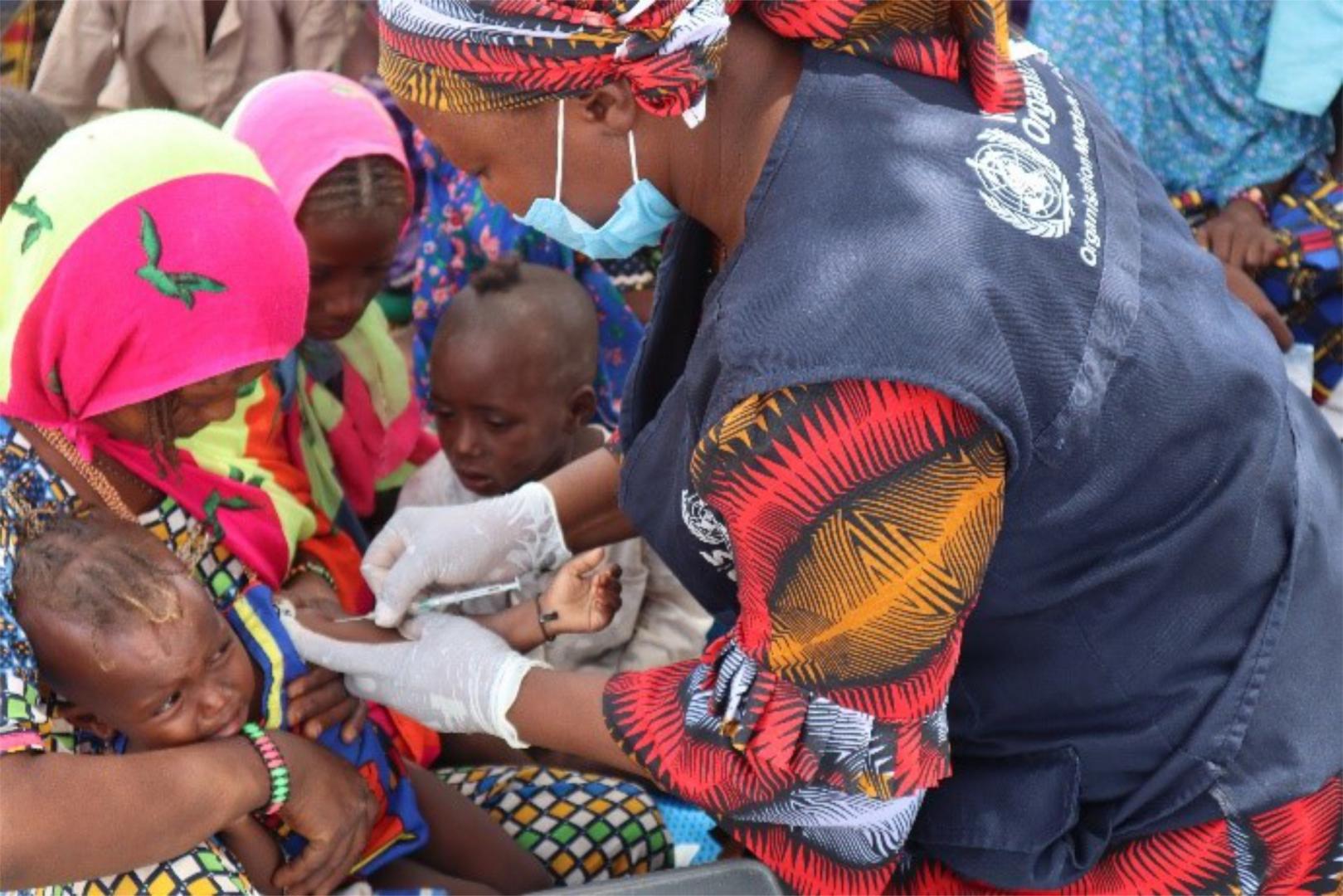
Yola, 30 September, 2022 - In line with the target of improving the health of billions of people by 2023, the World Health Organization (WHO) is supporting three states in northeast Nigeria – Borno, Adamawa and Yobe – (BAY states), to strengthen their health workforce to respond to the humanitarian crisis affecting the region through the provision of critical healthcare services including health risk messaging, and immunization.
Closing the gap to boost COVID-19 vaccine uptake in Manyara

Manyara Region - Until recently, Tanzania was among a few African countries that have fully vaccinated less than 10% of their eligible target population. As of June 2022, Tanzania had fully vaccinated only 8% of the target population above 18 years, although COVID-19 vaccination was introduced in July 2021. Yet, several independent studies, including Anjorin et (2021) and Institute of Public Health, Kilimanjaro Christian Medical University College (2022), show that more than two-thirds of Tanzanians are willing or have the intention of getting vaccinated.
Democratic Republic of the Congo Ebola outbreak declared over, Uganda boosts response
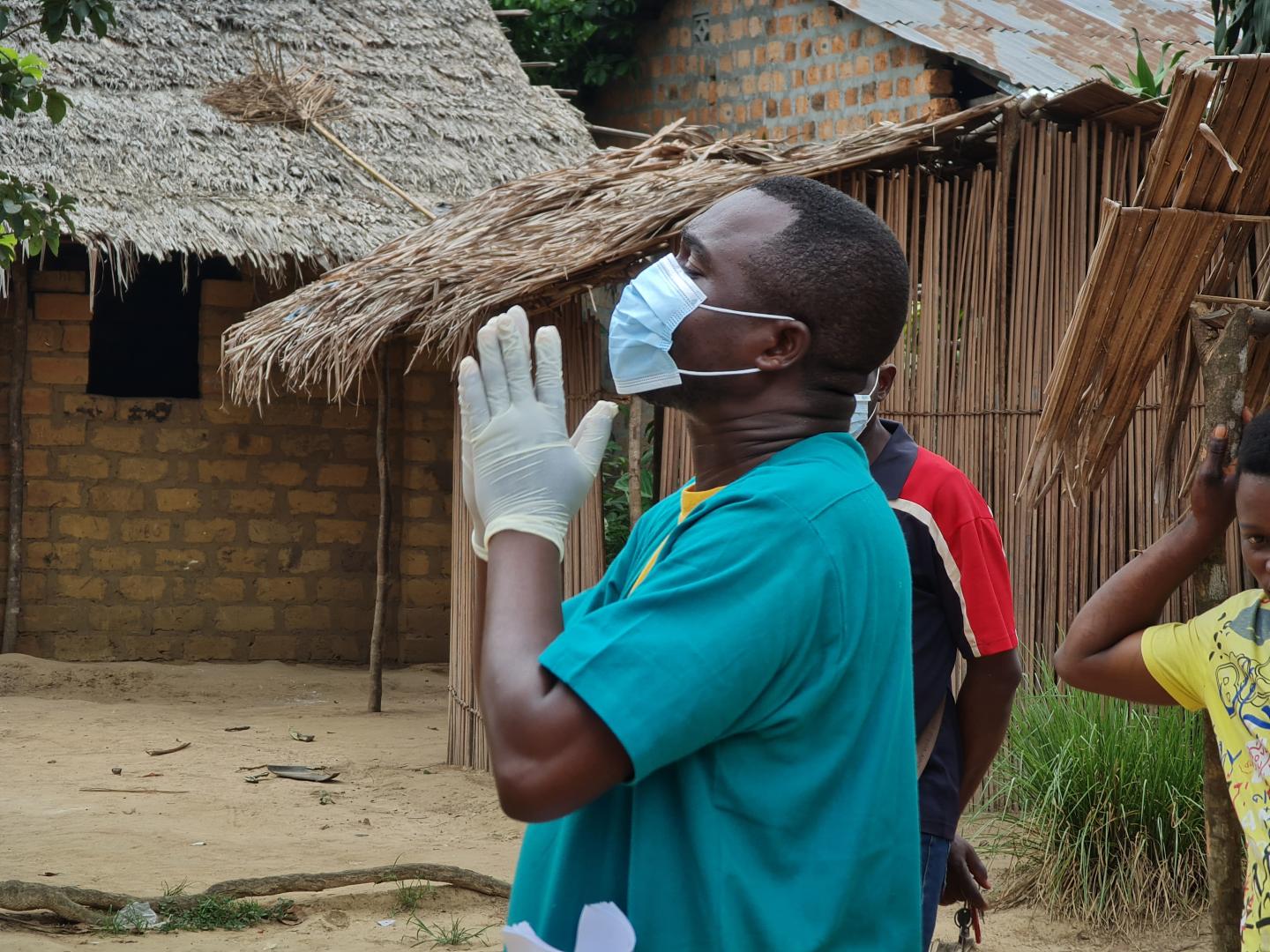
Brazzaville/Kampala/Kinshasa – The Democratic Republic of the Congo today declared the end of an Ebola outbreak that re-emerged six weeks ago in the country’s North Kivu Province. The announcement came as neighbouring Uganda races to curb an unrelated outbreak declared last week.
With only one case confirmed, the just-ended outbreak was one of the Democratic Republic of the Congo’s least catastrophic. A previous outbreak – the country’s 14th in which there were four confirmed cases and five deaths – was declared over on 4 July this year.