WHO convenes Africa regional policy dialogue on investment and protection of health workforce

Ethiopian Emergency Medical Teams' first deployment provides support to drought-affected areas

The first cohort of WHO-trained emergency medical teams (EMT) provides critical support to the drought emergency response in Somali Region, Ethiopia
Ethiopia commemorates World Antimicrobial Awareness Week, launches Sector-Specific Plan on Antimicrobial Resistance Prevention and Containment

Ethiopia is commemorating the 2022 World Antimicrobial Awareness Week (WAAW) through a series of events that are aimed at raising the awareness of health professionals and the community in general on Antimicrobial Resistance (AMR), its hazards, containment and prevention.
The country has also launched Sector Specific Plan on Antimicrobial Resistance prevention and containment which is the first of its kind in the World Health Organization African Region.
Lutte contre la Résistance aux antimicrobiens : une affaire de tous !
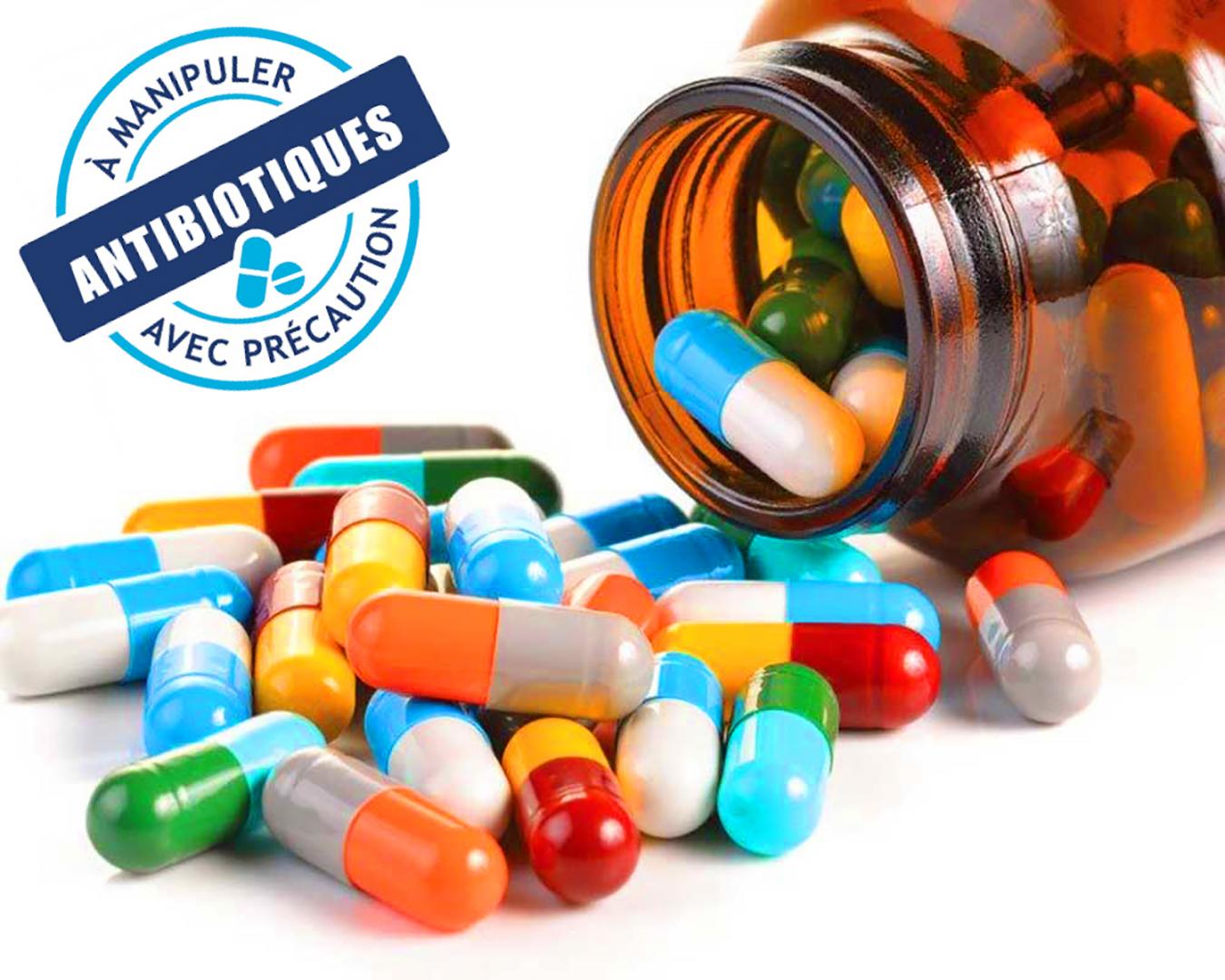
Abdallah (nom d’emprunt) est un jeune marocain qui a succombé à une infection à Staphylococcus Aureus Résistant à la Méticilline « SARM », un type de bactérie à gram positif très résistante à plusieurs molécules. Cette infection est survenue après son retour au bercail suite à une opération chirurgicale qu’il a subie en France. Au Maroc où il devait poursuivre sa rééducation, il lui a été diagnostiqué une infection à staphylocoque doré multi résistant donc ne répondant pas à l’arsenal thérapeutique disponible sur le marché.
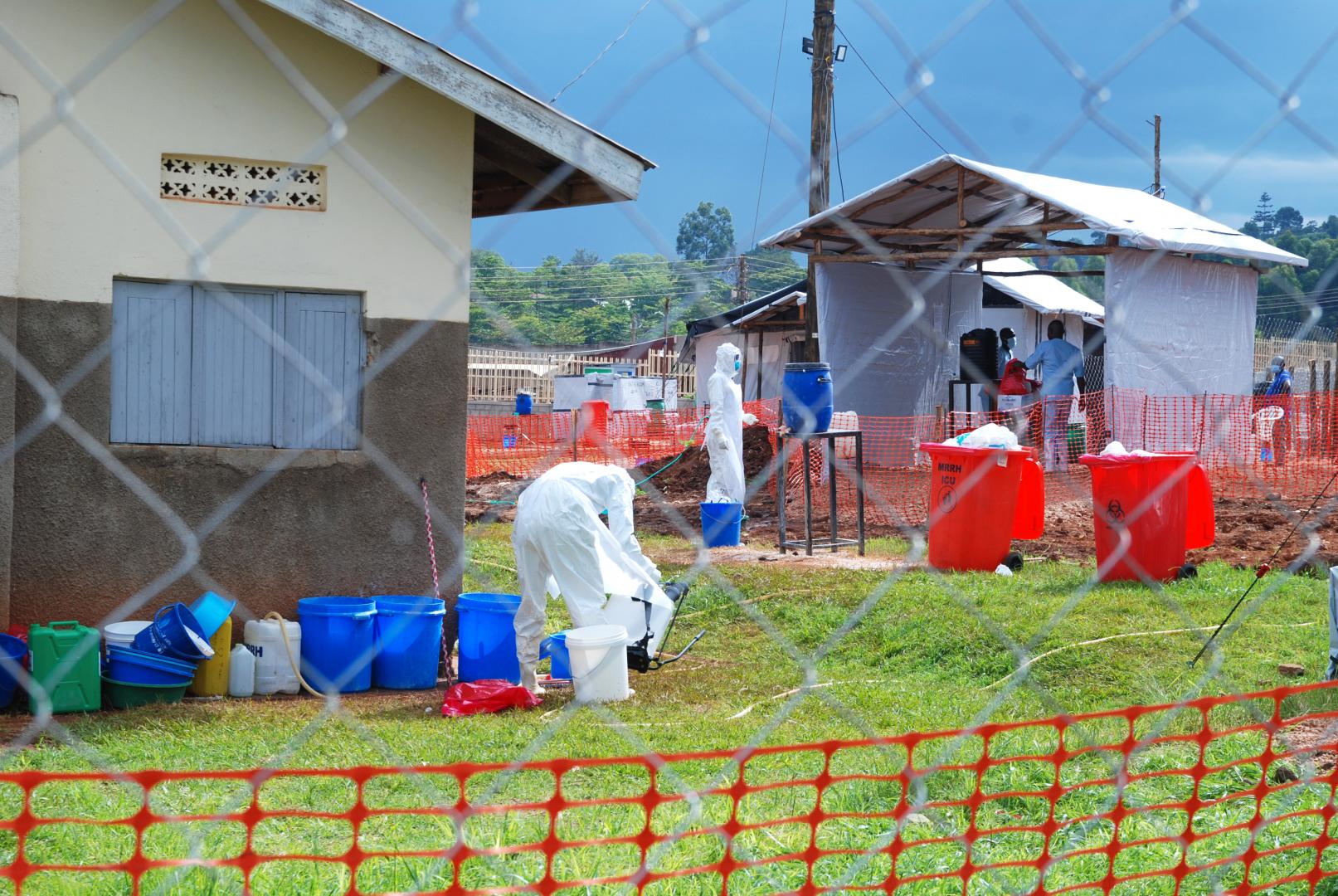
WHO steps up support to Uganda’s evolving Ebola outbreak as hope for vaccines increases
World Diabetes Day 2022: Mauritius launched Health Promotion Clubs in the Public Service to promote health and fight diabetes and other NCDs

Namibia and Angola strengthen cross -border collaboration for disease prevention and control

Health experts from Namibia and Angola gathered in Ondangwa on 7 November for a four (4)-day meeting to strengthen cross-border collaboration for disease prevention and control. The meeting was convened by the Namibian Ministry of Health and Social Services in partnership with WHO with support from the Government of Japan.
Stakeholders call for increased access to diabetes education

Abuja, 15 November, 2022 - Commemorating the 2022 World Diabetes Day, the Nigeria Minister of State for Health, Ekumankama Joseph Nkama, on 14 November, emphasized that increased access to diabetes education among the populace is critical to the prevention and management of the disease.
The minister, in a press briefing in Abuja, said that a large majority of people living with the disease in Nigeria have little or no knowledge of diabetes and its complications, and this has been increasing the risk of developing the disease.
WHO provides vehicles to enhance health security in Tanzania

Dodoma - The COVID-19 pandemic has reinforced the need for a robust country’s capacity to prevent, prepare for, detect and respond to public health emergencies of international concern in the African Region. More than a year into the pandemic, the human and the economic toll has been unprecedented, threatening decades of development gains. While the full extent of COVID-19’s impact on human health and related social and economic issues is yet to be seen, immediate measures must be taken to mitigate future public health emergencies.
‘No woman should die giving life’ – Rwanda maintains focus on maternal and child health