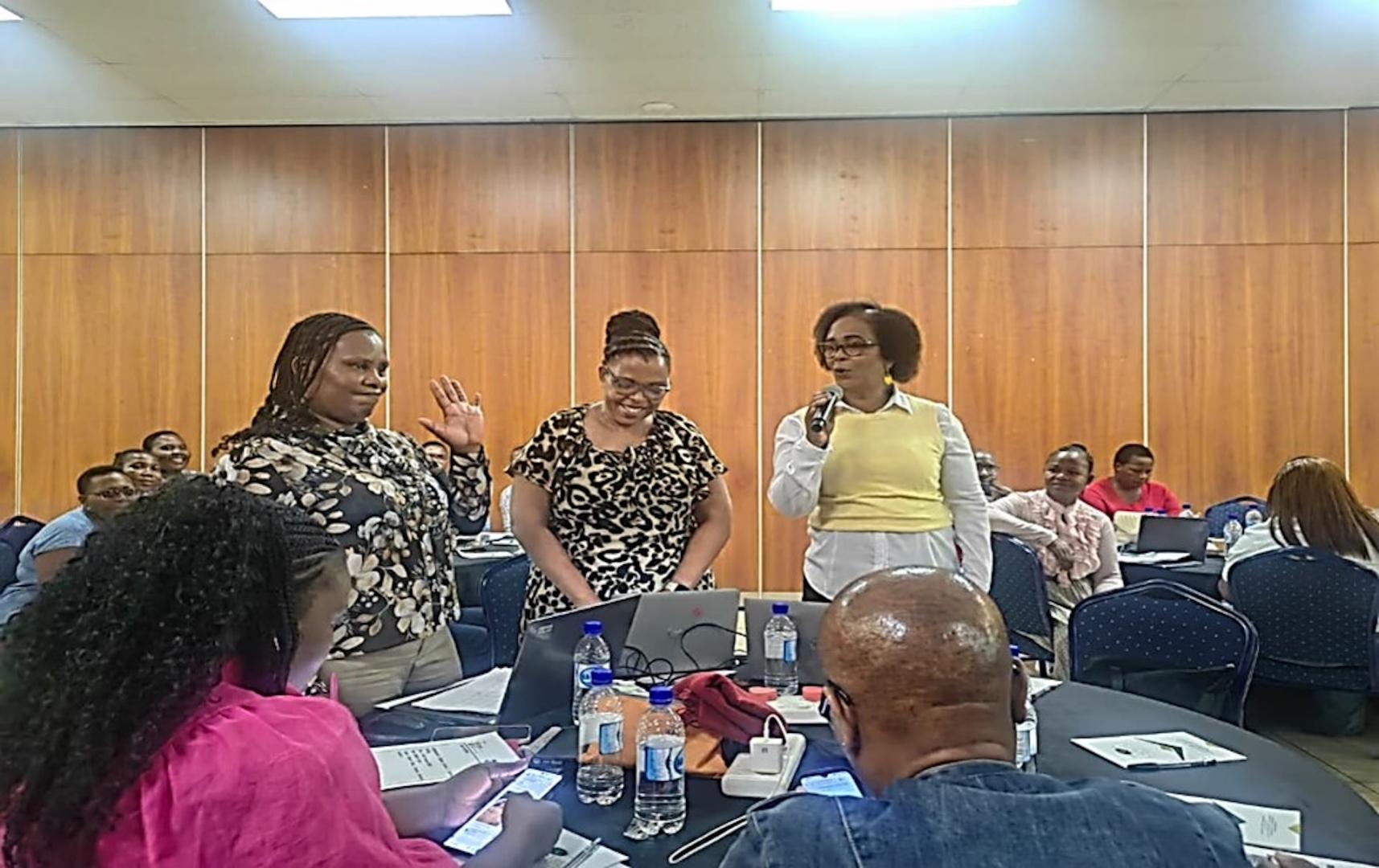
Turning Plans into Protection: Improving Capacity for Better Leprosy Case Management and Mass Drug Administration in Limpopo Province of South Africa
Neglected Tropical Diseases: an urgent challenge for Angola's health and development
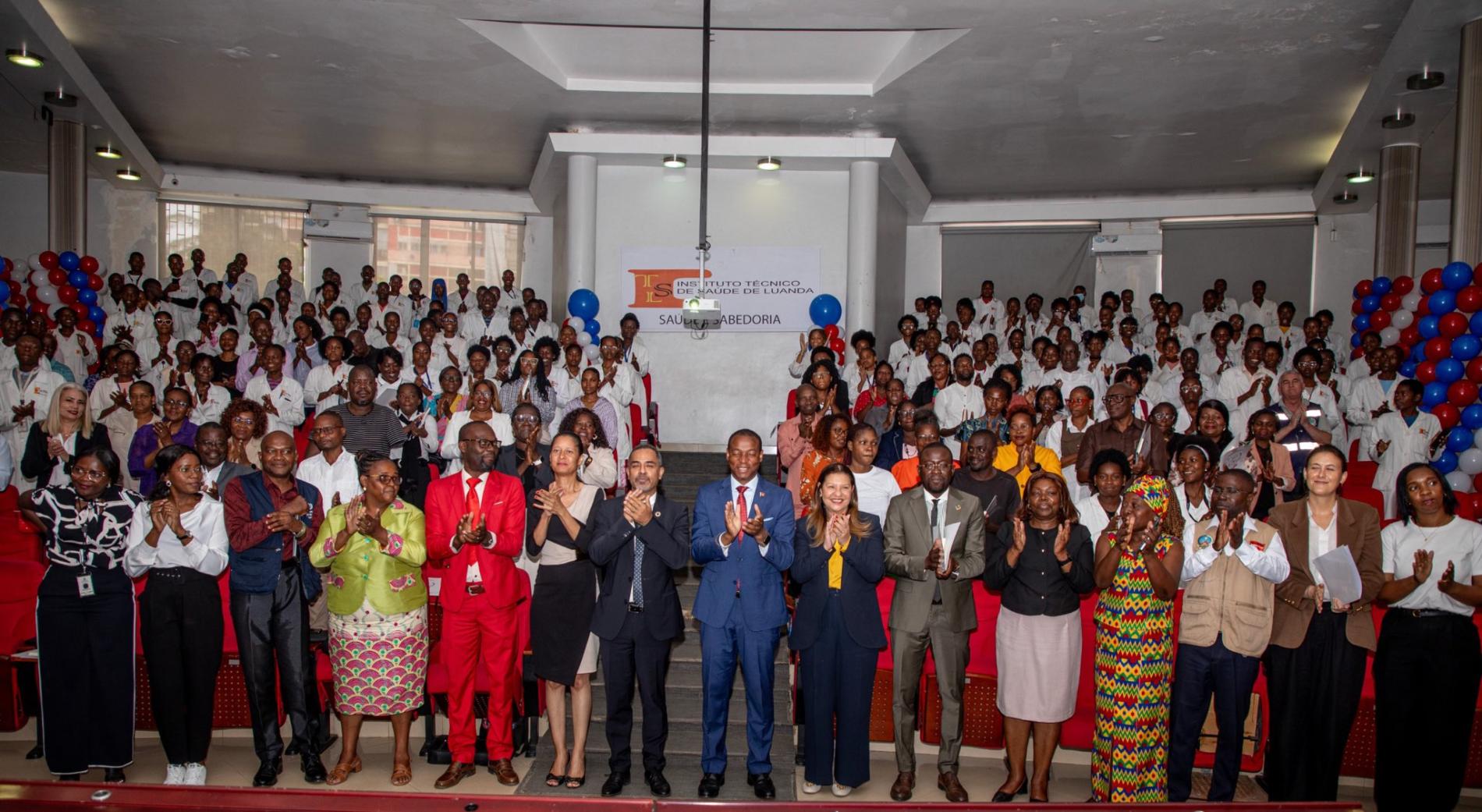
By: Dr. Nzuzi Katondi, WHO Neglected Tropical Diseases Officer in Angola
World Neglected Tropical Diseases Day (NTD), marked every year on January 30, is an opportunity to reflect on a public health problem that continues to affect millions of people around the world and thousands of Angolans, especially in the most vulnerable communities.
World Neglected Tropical Diseases Day 2026
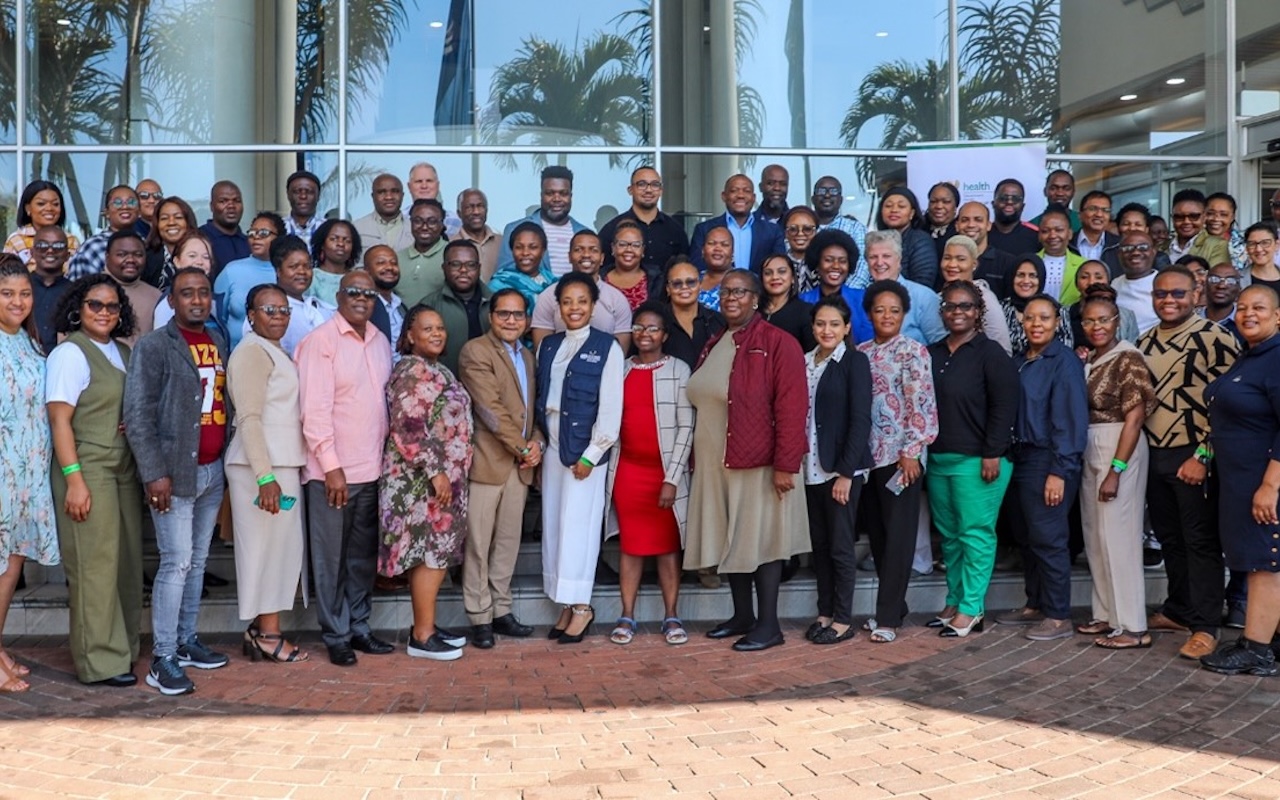
Pretoria—World Neglected Tropical Diseases (NTD) Day provides an important opportunity to reaffirm our collective commitment to ending diseases that continue to affect the most vulnerable and marginalized communities. NTD are preventable, treatable and, in many cases, entirely eliminable. Yet globally they still affect more than one billion people, imposing an unacceptable burden of illness, disability, stigma and lost opportunity.
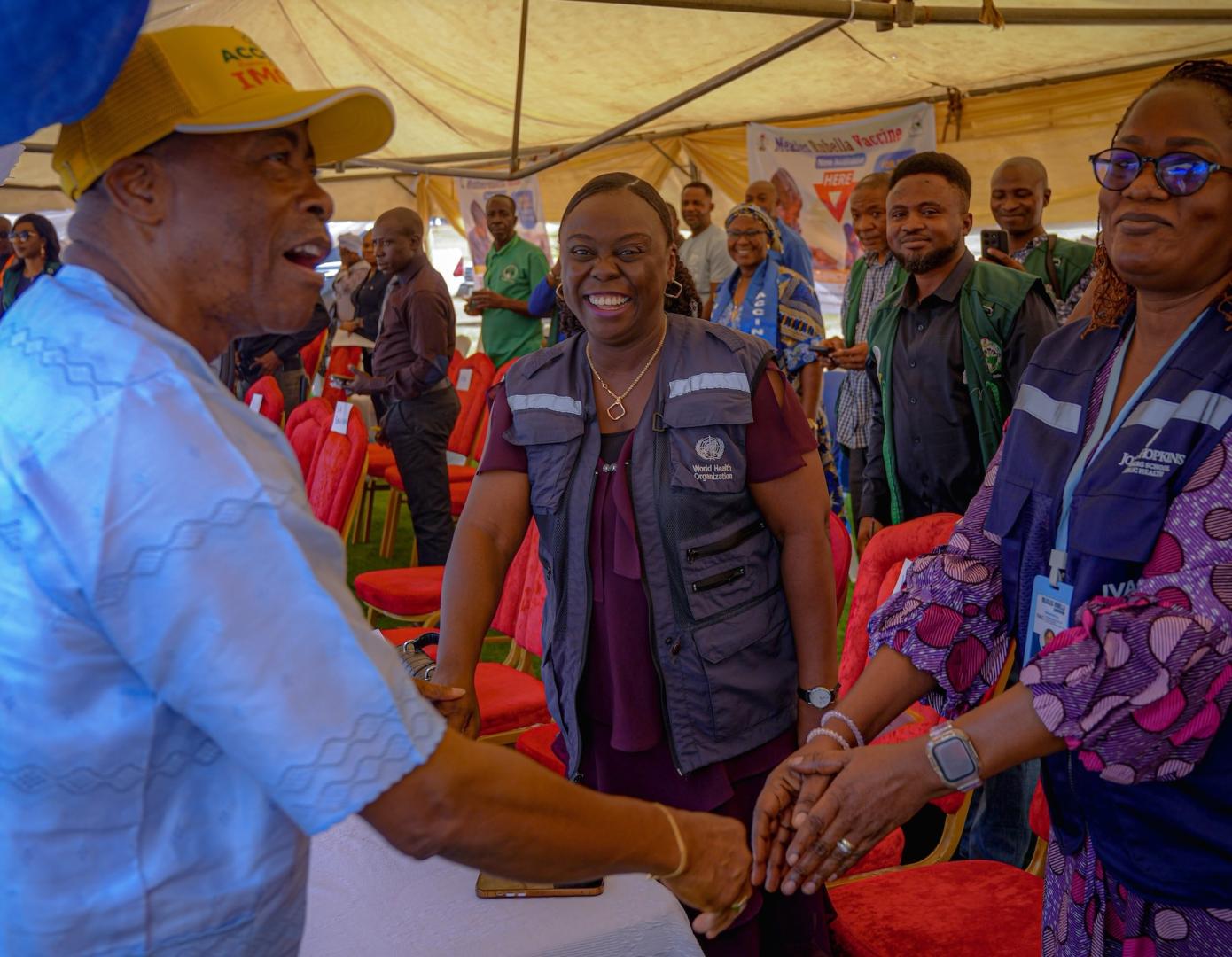
Nigeria accelerates measles–rubella elimination with second phase campaign in the South
Over 26 million Children Reached with the Recent Integrated polio vaccination campaign

The fourth-round national polio vaccination campaign with type two novel Oral Polio Vaccine (nOPV2) marked a milestone reaching over 26 million children in all regions, while in 22 zones in seven regions in Amhara, Oromia, Somali, South Ethiopia, Harari, Dire Dawa and Afar regions co-administered with bivalent oral polio vaccine (bOPV).
WHO launches new global guidelines to create healthier school food environments
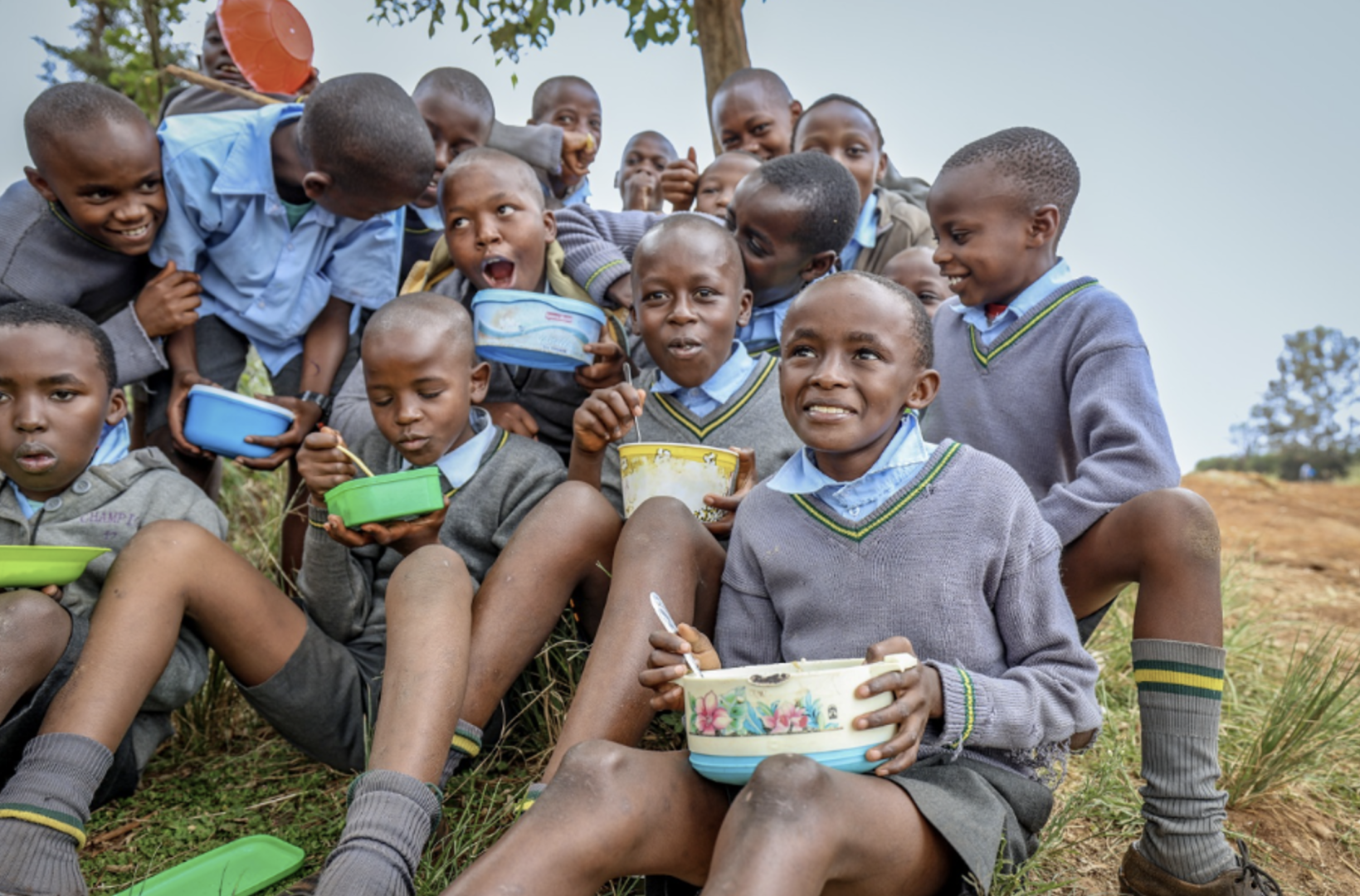
Nairobi—The World Health Organization (WHO) today launched the WHO Guidelines on Policies and Interventions to Create Healthy School Food Environments, providing countries with evidence-based recommendations to improve the quality, safety and nutritional value of foods and beverages provided, served or sold in schools.
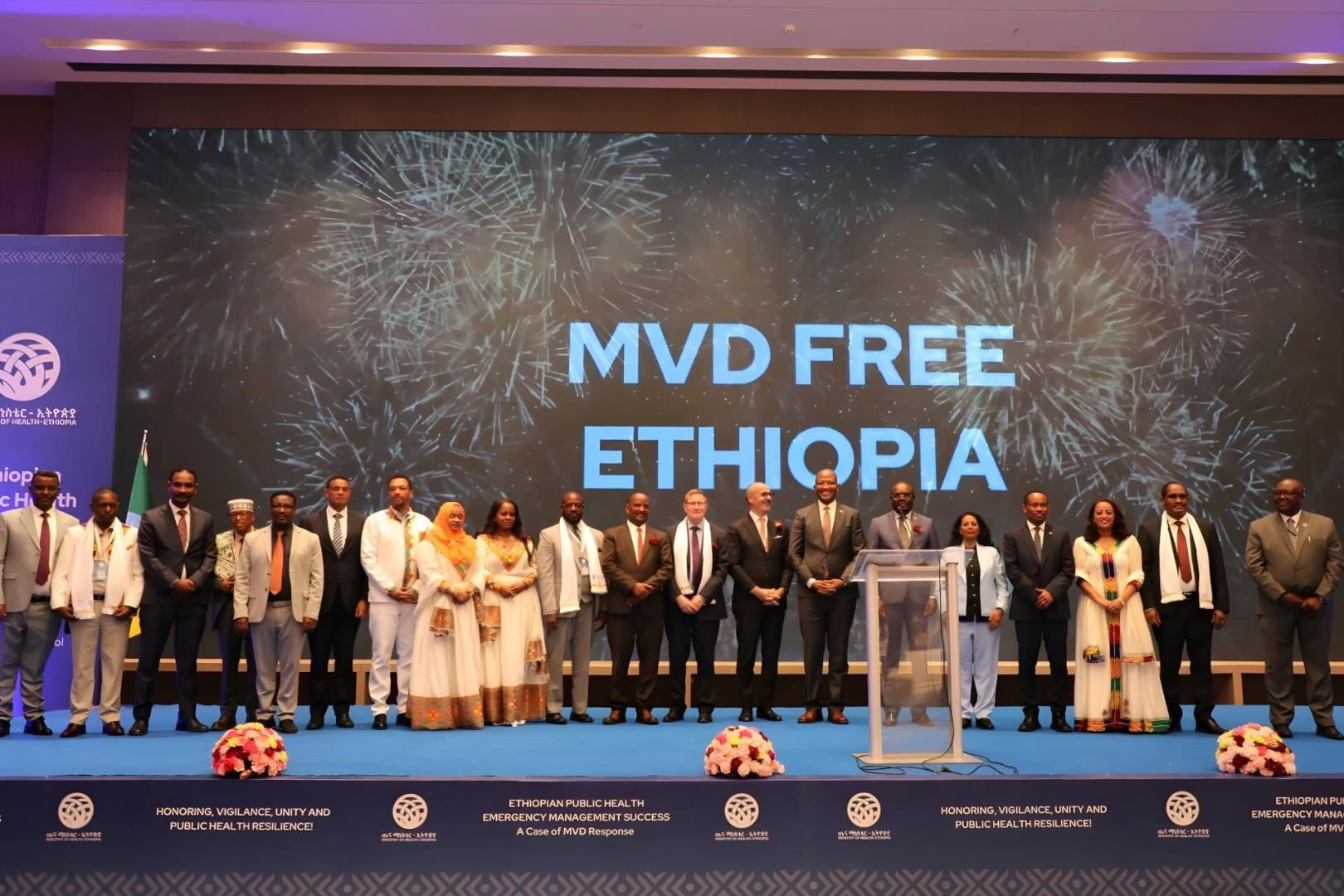
Ethiopia declares end of first-ever Marburg virus disease outbreak
WHO Regional Director for Africa to Visit Ghana for High-Level Health Engagements

Accra, Ghana
The World Health Organization (WHO) Regional Director for Africa, Dr Mohammed Janabi, will undertake an official visit to Ghana from 26 to 27 January 2026 for a series of high-level engagements aimed at advancing Ghana’s health sector priorities and strengthening Africa’s health sovereignty agenda.
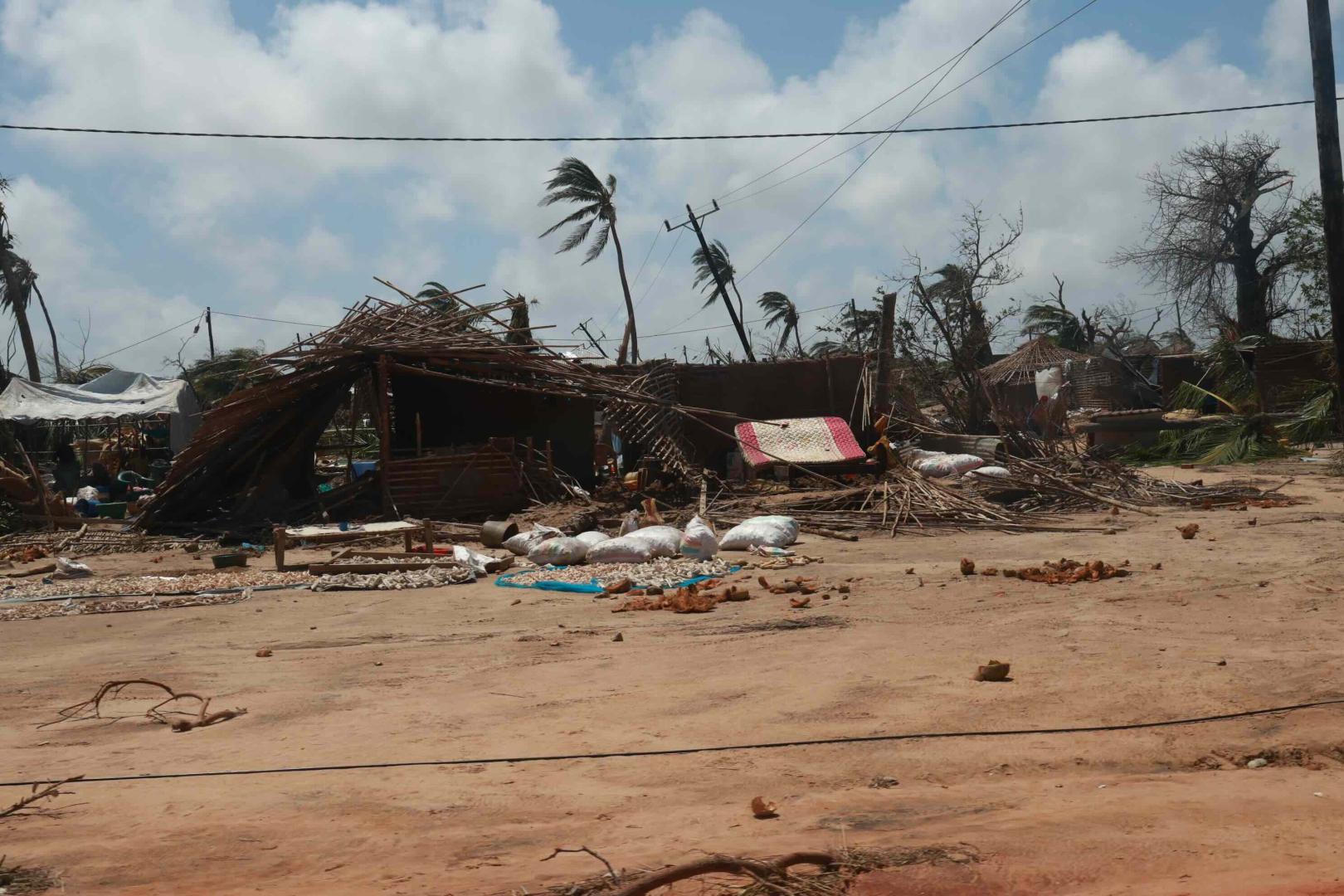
Around 1.3 million people affected by severe flooding in Southern Africa
Drought leaves over two million vulnerable to health and nutrition crises in Kenya
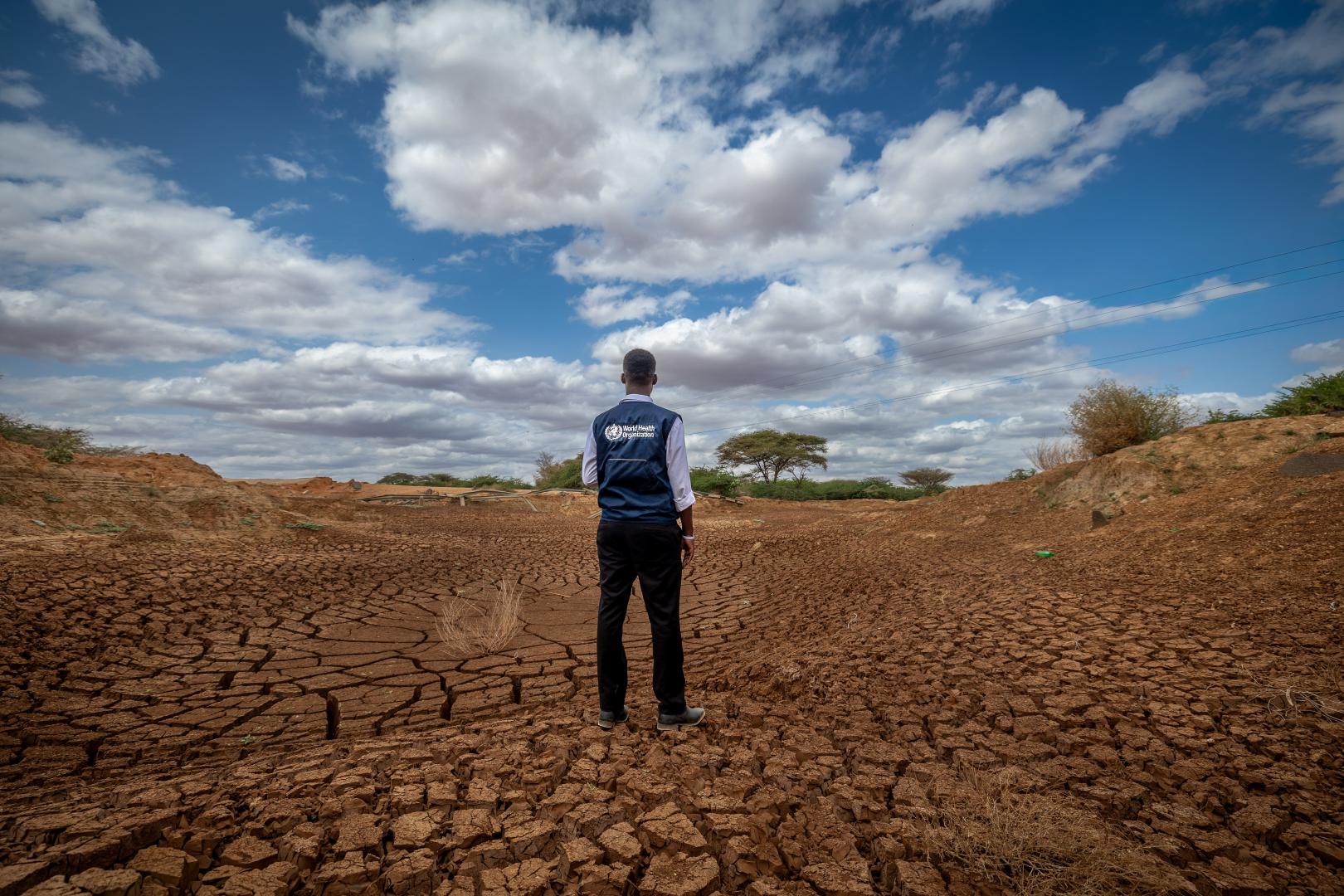
Nairobi—Over two million people across Kenya are facing worsening food insecurity following one of the driest October to December 2025 rainy seasons on record. The prolonged drought has led to rising rates of malnutrition, increased risk of disease outbreaks, and disrupted access to essential health services.