“Rising threats, regional solutions” podcast

Cabo Verde introduces three new vaccines into routine immunization schedule
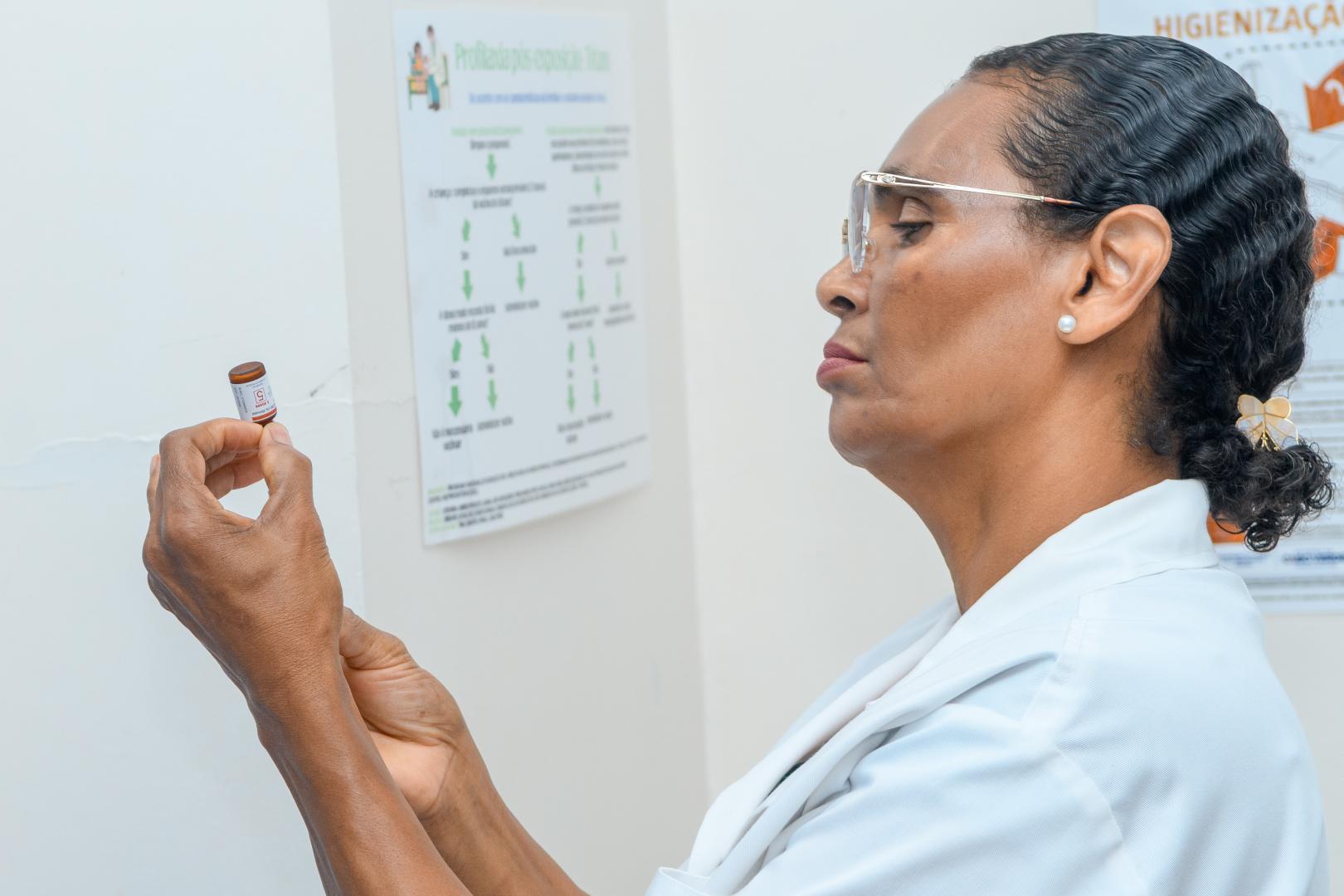
Praia—Under the theme “Vaccinating is protecting—together we build a healthier future for Cabo Verde”, the Ministry of Health launched the introduction of three new vaccines on 22 January 2026. The vaccines—against Rotavirus, the pneumococcal conjugate vaccine PCV-13 and the hexavalent vaccine—were introduced into the national immunization schedule on 2 February 2026. This marks another historic step in ensuring that no child is left behind.
Uganda strengthens its health system to better serve 1.9 million refugees
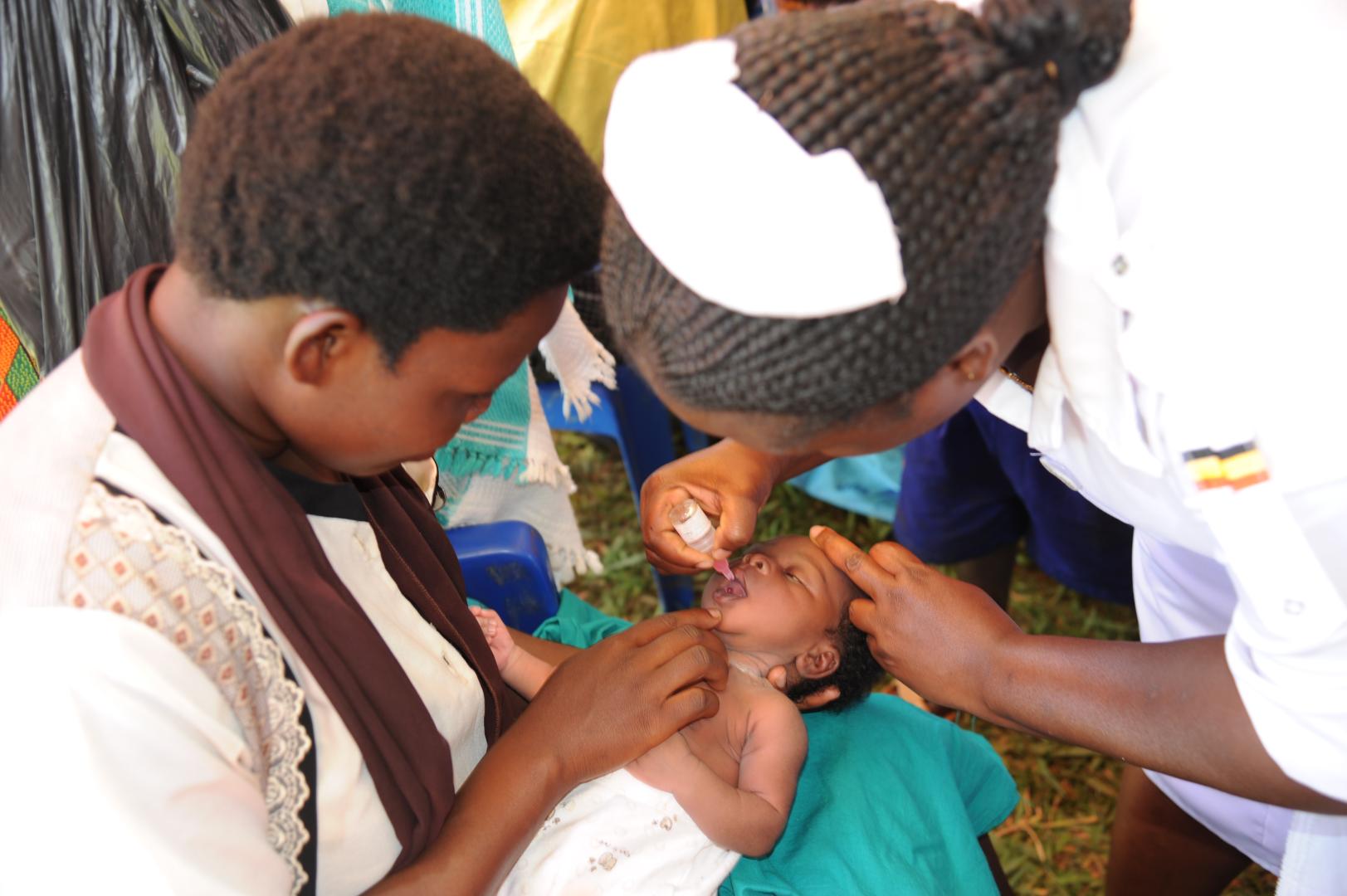
Kampala- Uganda, Africa’s largest refugee-hosting nation, is racing to keep its health system responsive as needs rise and resources shrink. With more than 1.92 million refugees living across settlements in the north, southwest, and in Kampala, the country continues to pursue an ambitious goal: delivering equitable, culturally sensitive healthcare to both refugees and host communities under the banner of Universal Health Coverage.
Eswatini assumes the chair of East, Southern and Central Africa Health Community
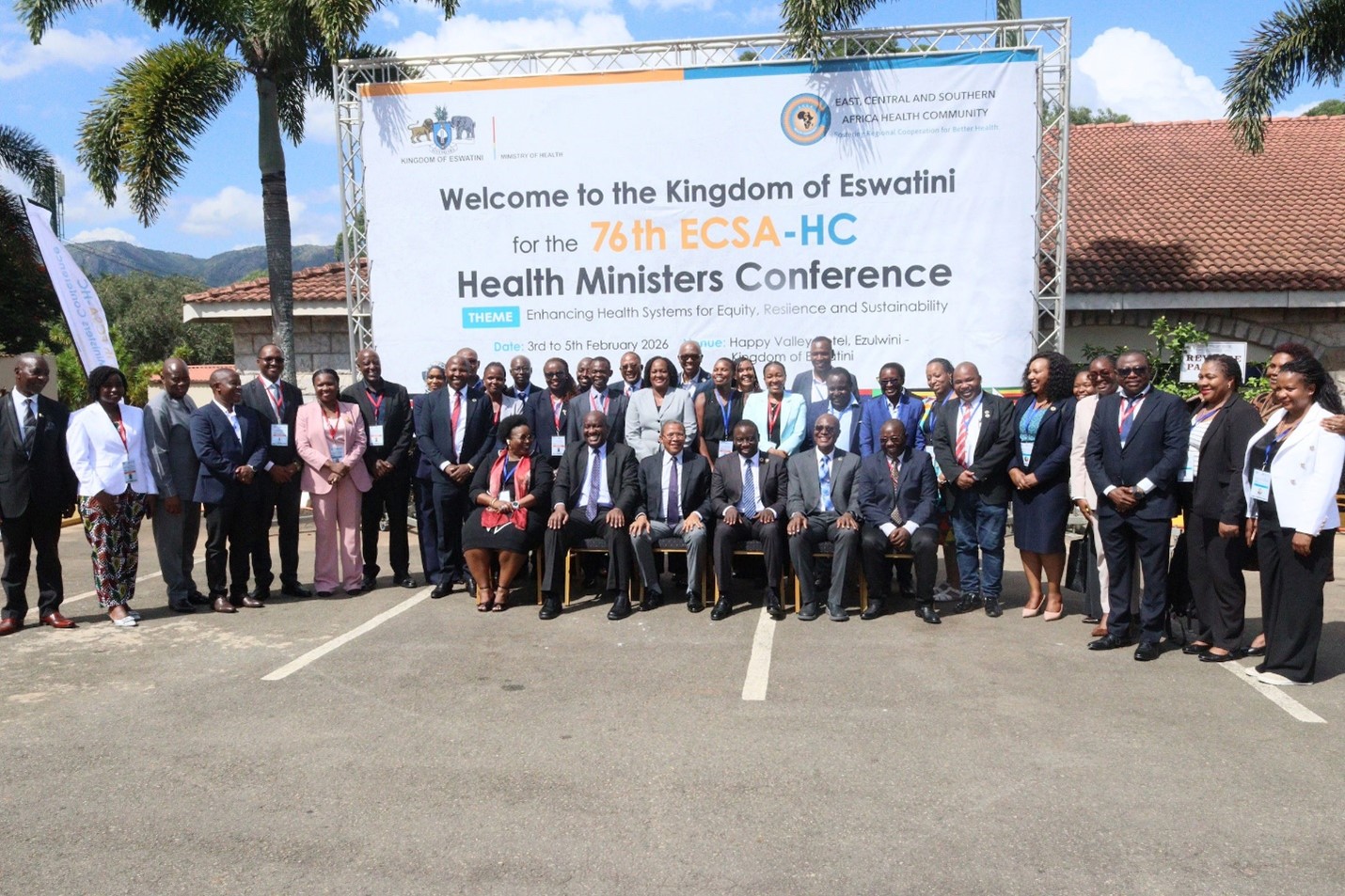
Ezulwini—Eswatini has assumed the chair of the East, Southern and Central Africa Health Community (ECSA-HC) conference following the 76th Health Ministers Conference held in Ezulwini from 30th January to 5th February 2026. The conference brought together regional and international delegates to deliberate on priority health challenges and regional cooperation.
Breaking barriers, building bridges for Basotho living with epilepsy
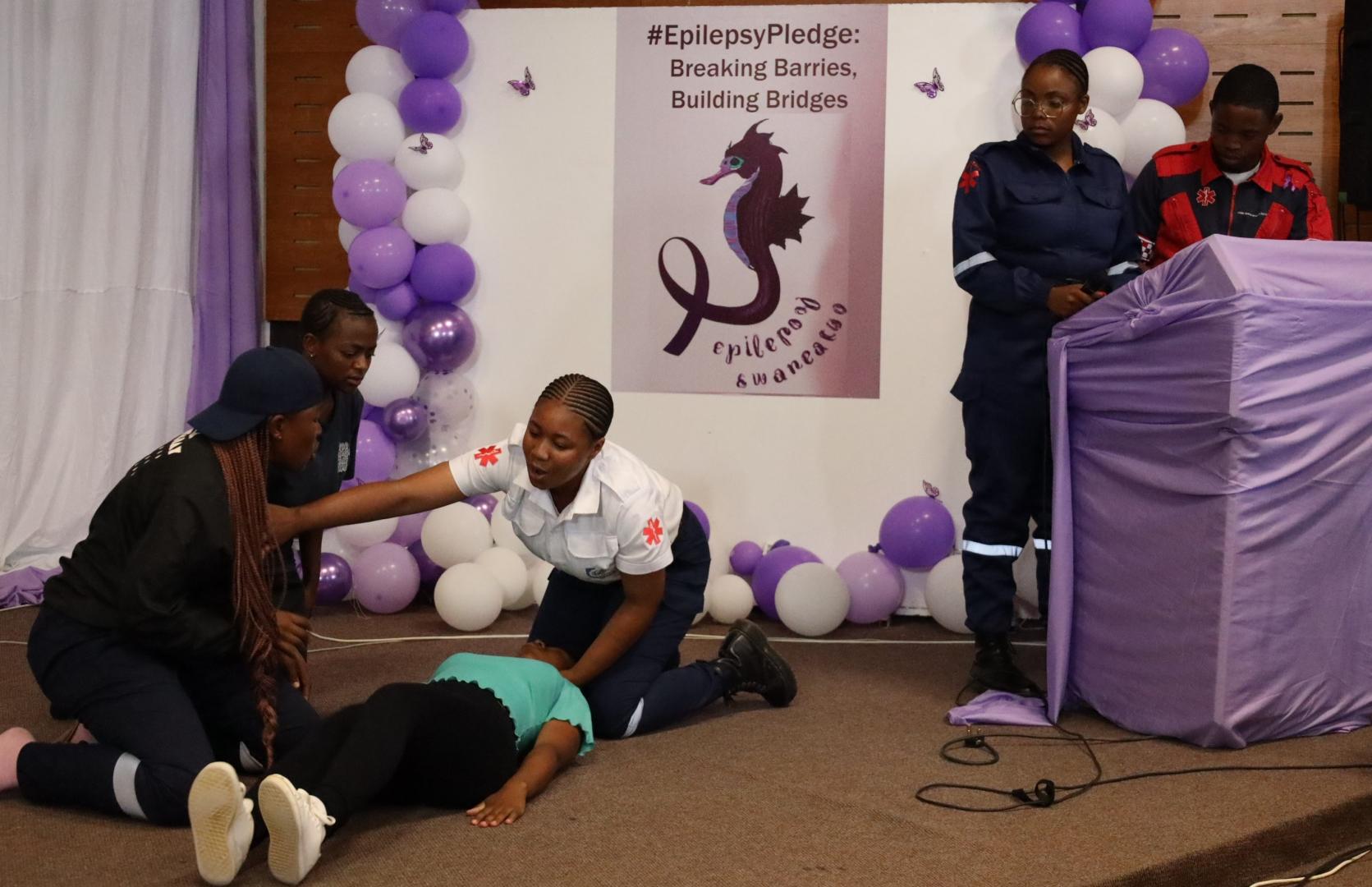
Maseru—For many Basotho living with epilepsy, daily life is shaped not only by seizures but also by the silence and stigma that often surround the condition. Children are kept out of school, adults are denied opportunities and families carry a quiet burden of fear and misunderstanding.
As Lesotho joined the global community in commemorating World Epilepsy Day, this reality was brought into sharp focus, alongside a renewed call for action to ensure dignity, inclusion and hope for all.
WHO hands over E-learning hubs to Ministry of Health to enhance digital health and innovation
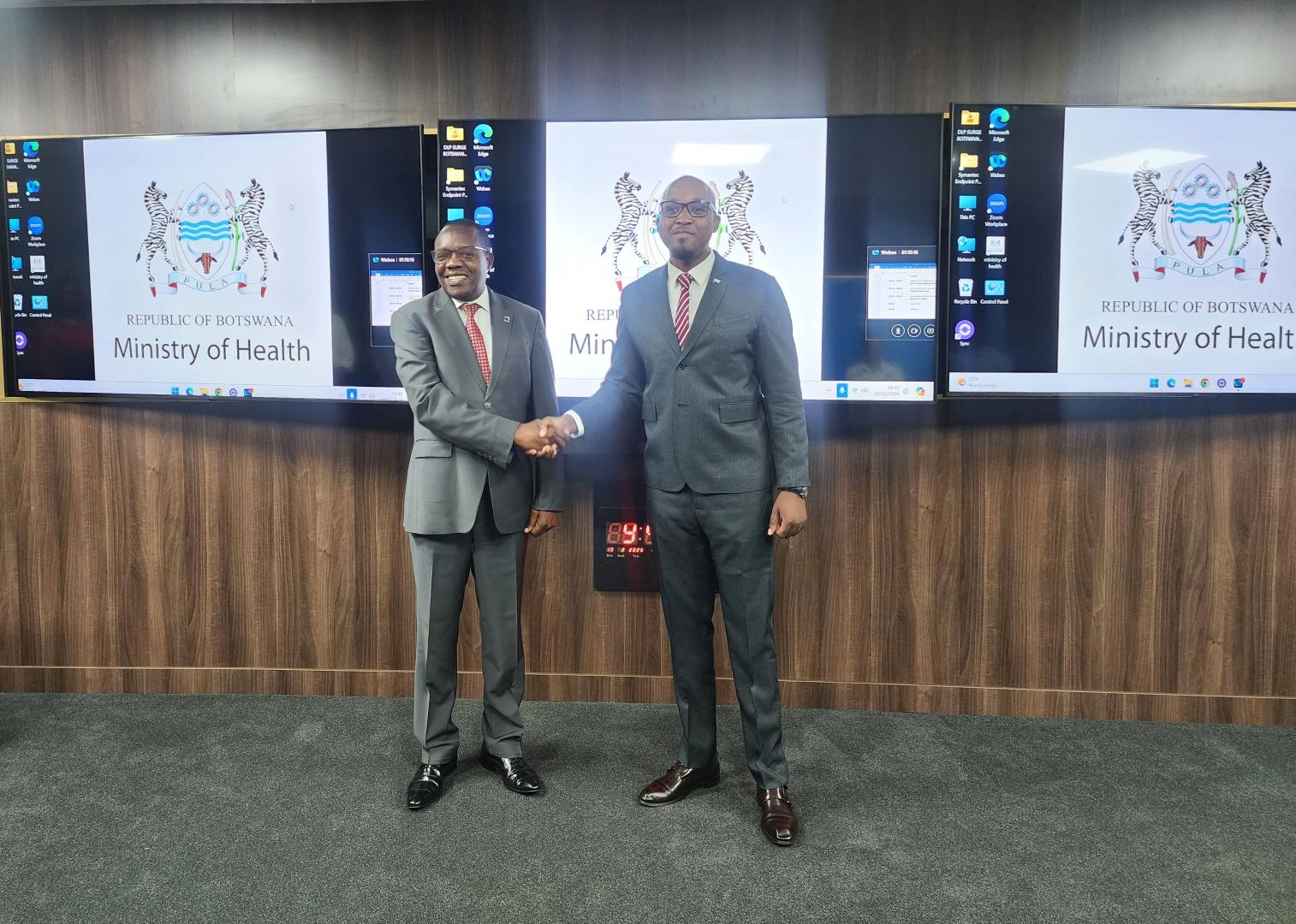
In a major milestone for Botswana’s digital health and emergency preparedness agenda, the World Health Organization (WHO) Botswana Country Office officially handed over two WHO‑supported E‑learning Hubs to the Ministry of Health (MoH) in February 2026, marking a significant achievement for the first quarter of the year. The handover ceremony took place at the Ministry of Health Headquarters in Gaborone and underscored the strong and enduring partnership between WHO and the Government of Botswana.
WHO drives agenda on the future of health in Cabo Verde at the first National Health Forum
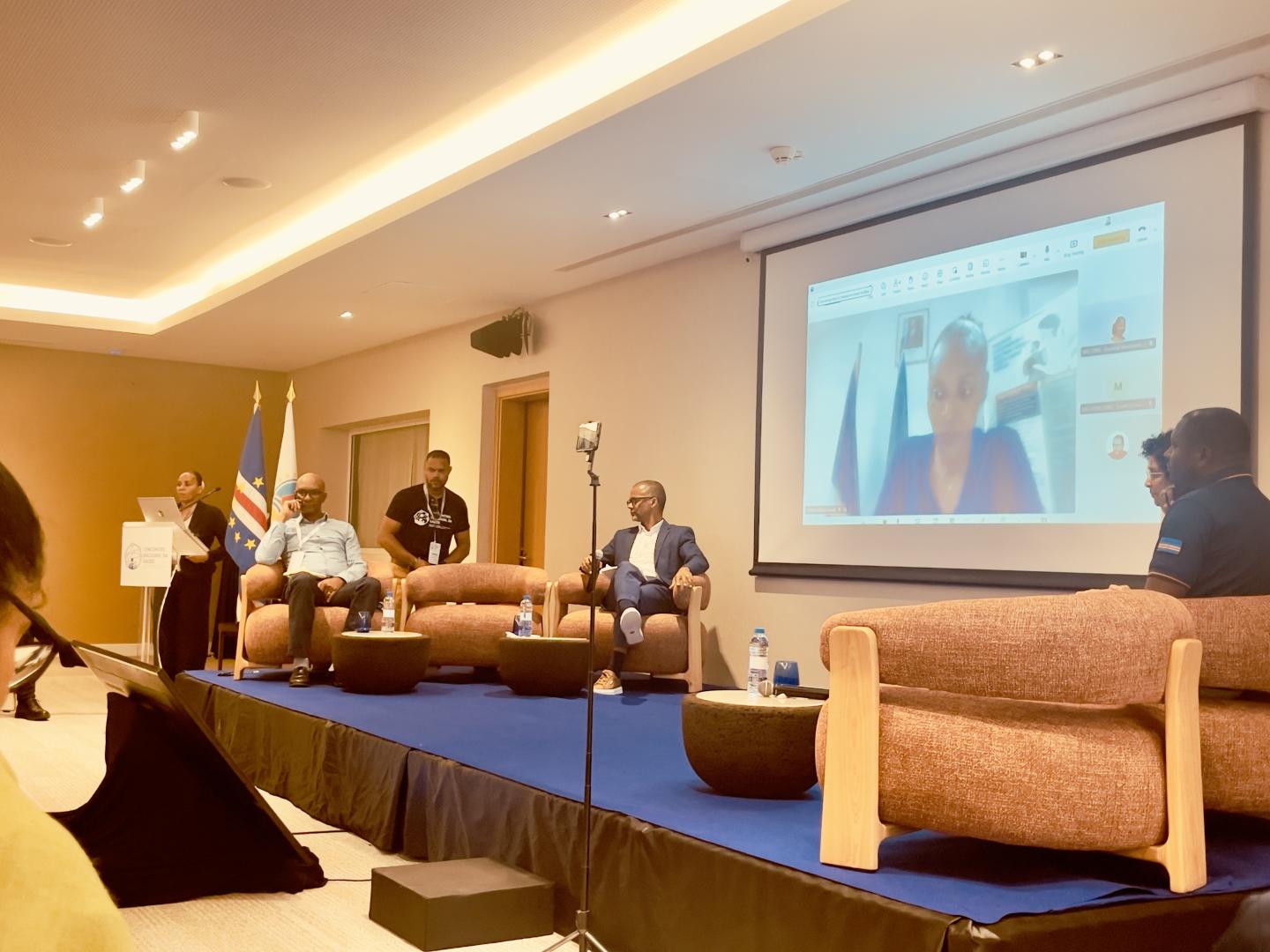
Praia, Cabo Verde — The World Health Organization (WHO) actively participated in the First National Health Conference, held from 2 to 5 February 2026 on Sal Island, contributing to strategic discussions on the priorities and challenges facing Cabo Verde’s health system.
Tanzania Strengthens National Response to Cancer, Commits to Reducing Mortality by 30%
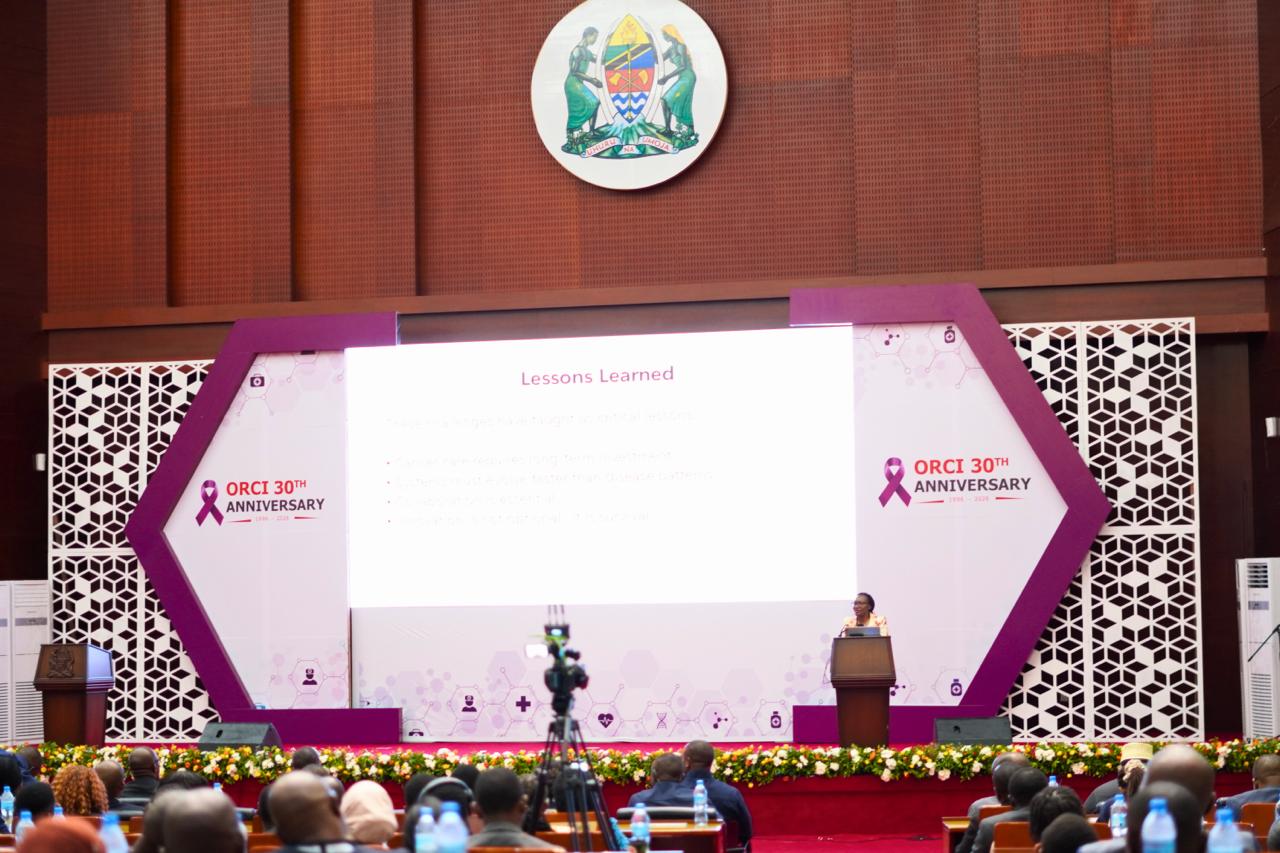
Dar es Salaam
New National Health Policy takes shape in Cabo Verde with WHO support
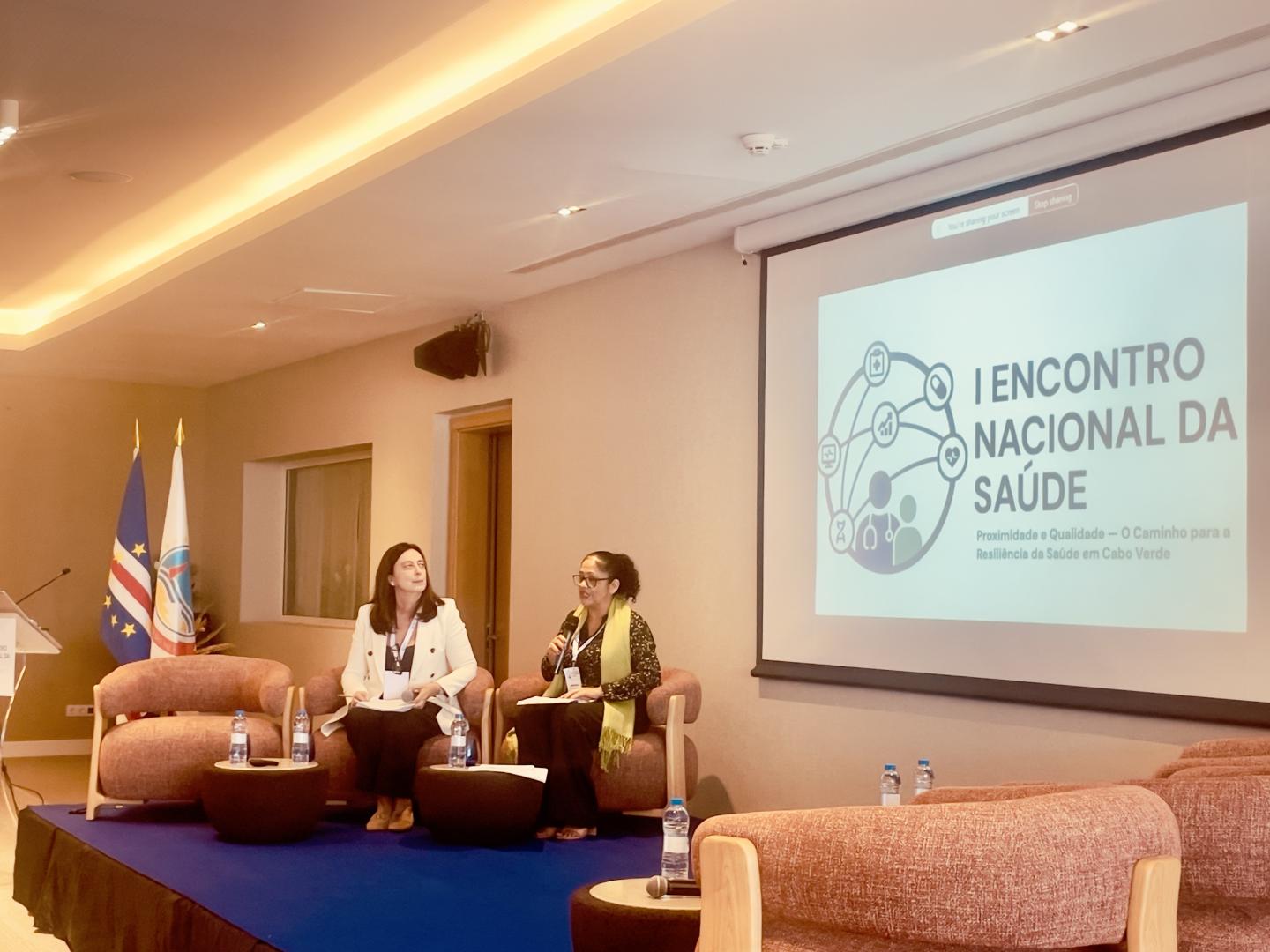
Praia, Cabo Verde — The draft National Health Policy (NHP) 2025–2035 was highlighted during a dedicated workshop at the First National Health Conference, marking a key milestone in shaping the future of the country’s health system.
Uganda Strengthens District-Level Readiness as WHO Boosts Support for Public Health Emergencies
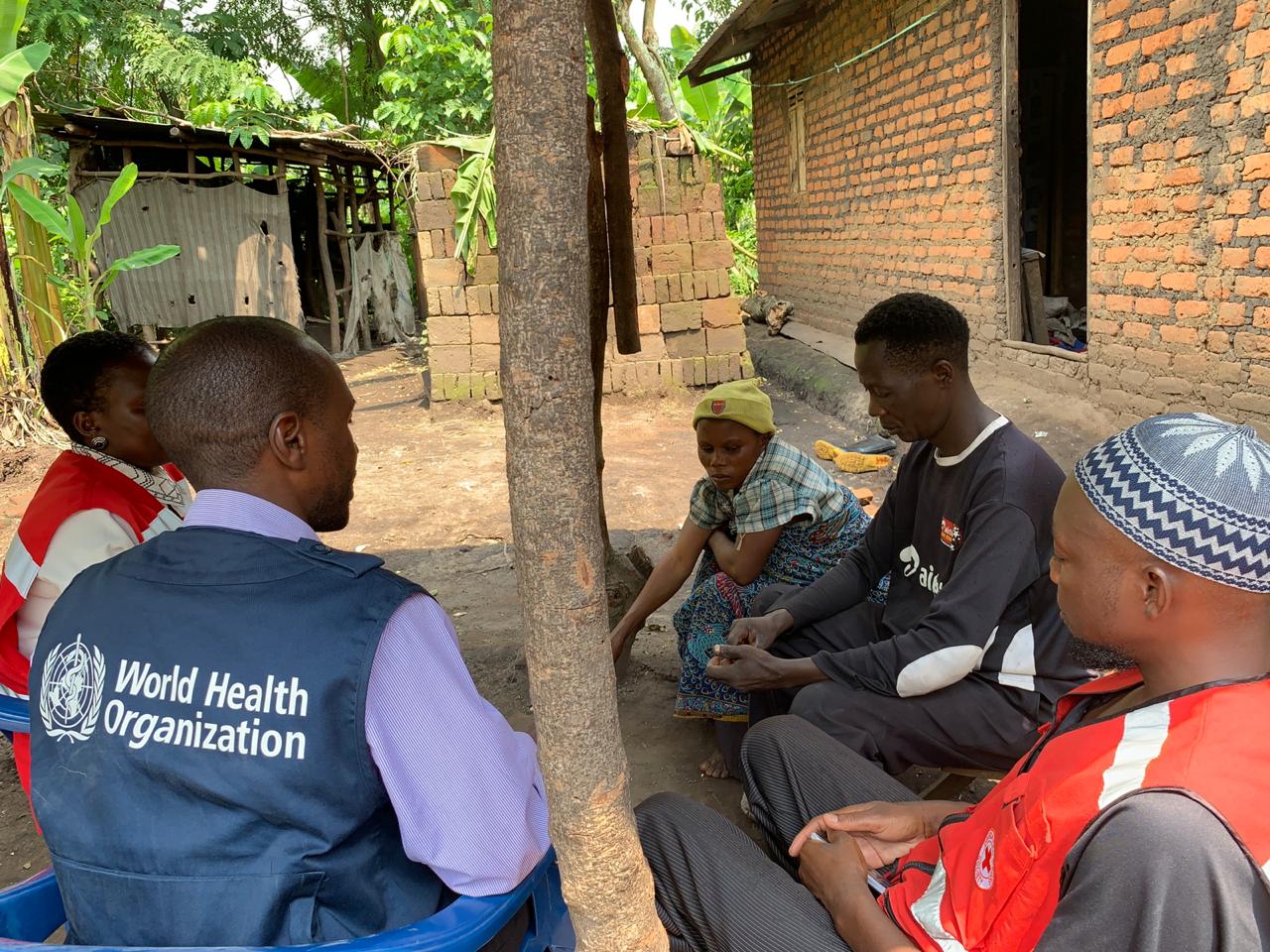
As Uganda continues to grapple with recurrent public health emergencies driven by epidemic-prone diseases and climate-related disasters, a new wave of strengthened district-level preparedness is emerging, thanks to sustained technical support from the World Health Organization (WHO).